

Understanding Roof Pitch in Singapore: Design & Performance Implications
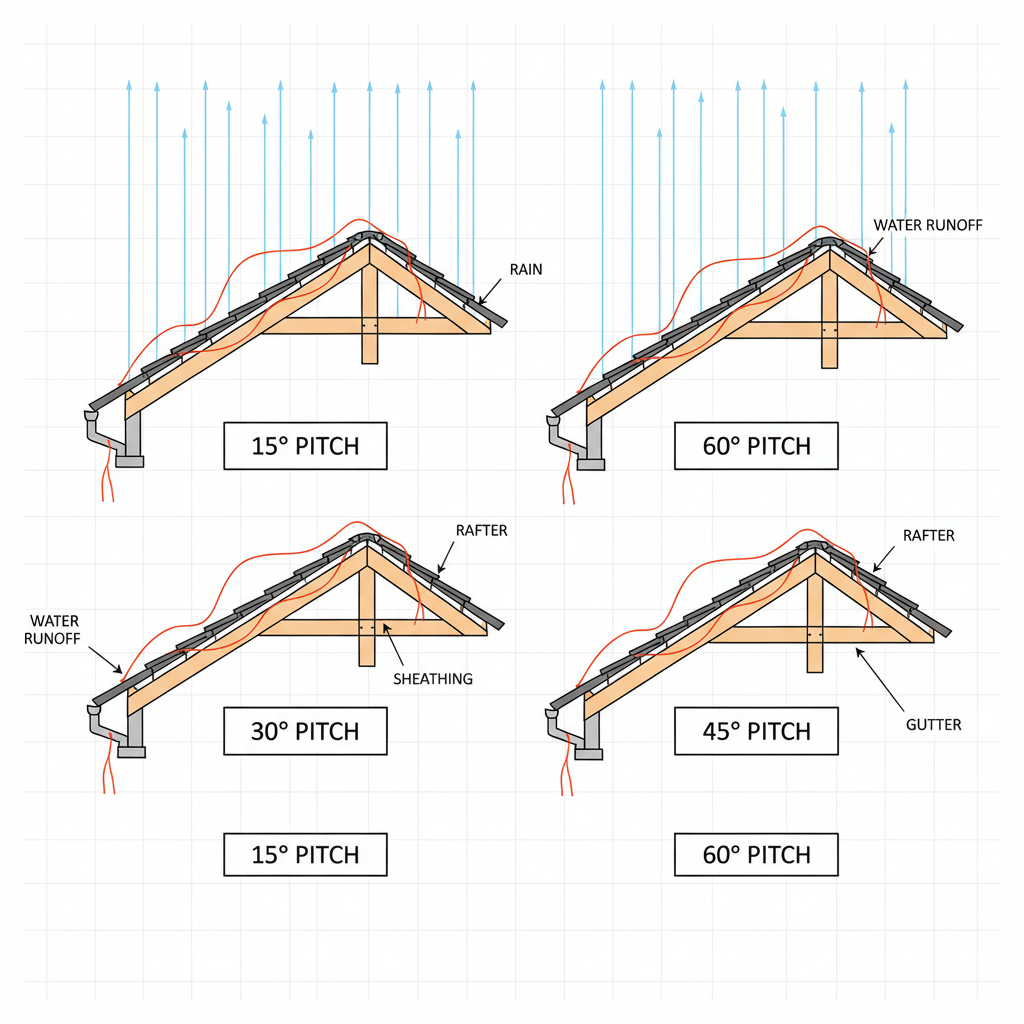
Understanding roof pitch Singapore is crucial for ensuring the longevity, performance, and aesthetic appeal of any building in the nation's unique tropical climate. The angle or slope of a roof significantly influences its ability to shed water, withstand strong winds, and contribute to a building's overall energy efficiency.
Quick Answer:
Roof pitch is the steepness of a roof, expressed as a ratio or angle.
Singapore's climate (heavy rain, high humidity) necessitates careful roof design Singapore for effective water shedding.
Low-slope roofs are cost-effective but demand meticulous waterproofing to prevent low slope roof problems Singapore.
Steep-slope roofs offer superior water drainage and aesthetic variety but can be more expensive to construct.
Material selection, drainage systems, and energy performance are all directly tied to the chosen roof pitch.
Singapore's building regulations influence permissible roof angles and construction methods.
Table of Contents
Advantages and Disadvantages of Various Roof Pitches for Singapore Homes
Roofing Materials and Their Compatibility with Different Pitches
Energy Efficiency and Thermal Performance Related to Roof Pitch
Regulatory Requirements and Building Codes for Roof Pitch in Singapore
Consulting a Roofing Expert for Your Singapore Property's Roof Pitch
What is Roof Pitch and Why Does It Matter in Singapore?
Roof pitch is the measurement of a roof's steepness, typically expressed as a ratio of the vertical rise (height) over a horizontal run (span), often measured in inches of rise per 12 inches of run, or as an angle in degrees. In Singapore, understanding roof pitch is crucial because it directly affects a roof's ability to shed the heavy tropical rainfall, withstand wind loads, and contribute to the building's thermal comfort. A properly chosen and constructed roof design Singapore ensures effective water management, preventing issues like ponding water, leaks, and accelerated material degradation, which are common problems in high-humidity environments.
The Impact of Singapore's Climate on Roof Pitch Selection
Singapore's climate, characterized by abundant rainfall, high humidity, and high temperatures year-round, places unique demands on roof design and the selection of appropriate roof pitch. The average annual rainfall in Singapore can exceed 2,000 mm, with frequent intense downpours, making efficient water drainage paramount for any roofing
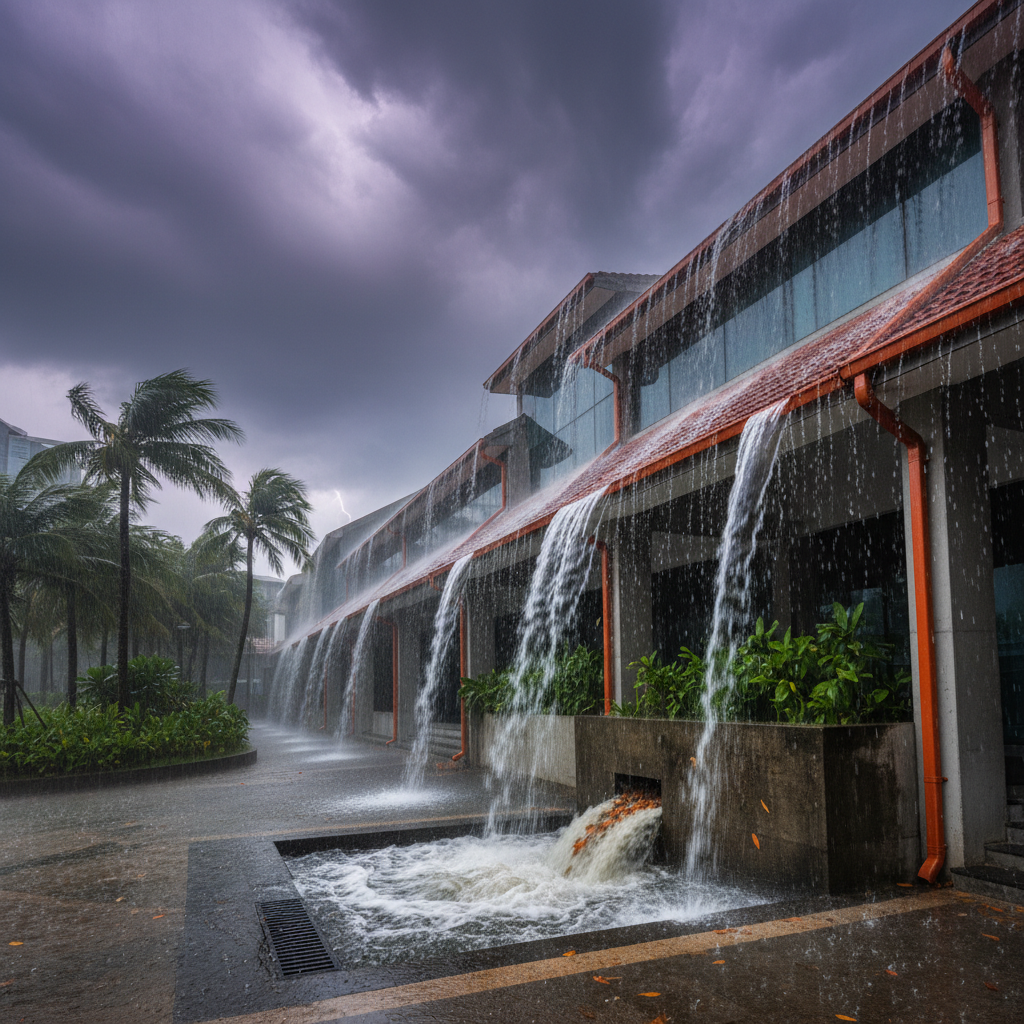
Key Insight: Singapore's climate shifts the priority of roof pitch design from snow load management (common in temperate regions) to extreme rainfall management, demanding steeper pitches or highly engineered low-slope systems for effective water dispersion and to combat persistent humidity.
Different Types of Roof Pitches: Low Slope vs. Steep Slope
Roof pitches are broadly categorized into low slope and steep slope, each with distinct characteristics and applications. Low-slope roofs, often referred to as flat roofs, typically have a pitch of less than 2:12 (or approximately 9.5 degrees) and are common in modern architectural designs and commercial or industrial buildings. Conversely, steep-slope roofs have a pitch of 2:12 or greater (e.g., 4:12, 6:12, 12:12), which means for every 12 units of horizontal run, the roof rises by 2 or more units. These are prevalent in residential properties, especially those aiming for traditional or specific aesthetic styles. The choice between these two types significantly influences material selection, drainage design, and overall cost.
Advantages and Disadvantages of Various Roof Pitches for Singapore Homes
The selection of roof pitch Singapore for residential properties involves balancing aesthetic preferences, budget constraints, and performance requirements specific to the local climate. Both low-slope and steep-slope roofs offer particular benefits and drawbacks.
Low-slope roof problems Singapore often stem from inadequate waterproofing, poor substrate preparation, clogged drains, or insufficient pitch leading to ponding water. Conversely, steep-slope roof benefits include superior natural drainage, a wider range of aesthetic options like clay tiles or metal sheets, and often greater resilience to high winds if properly secured.
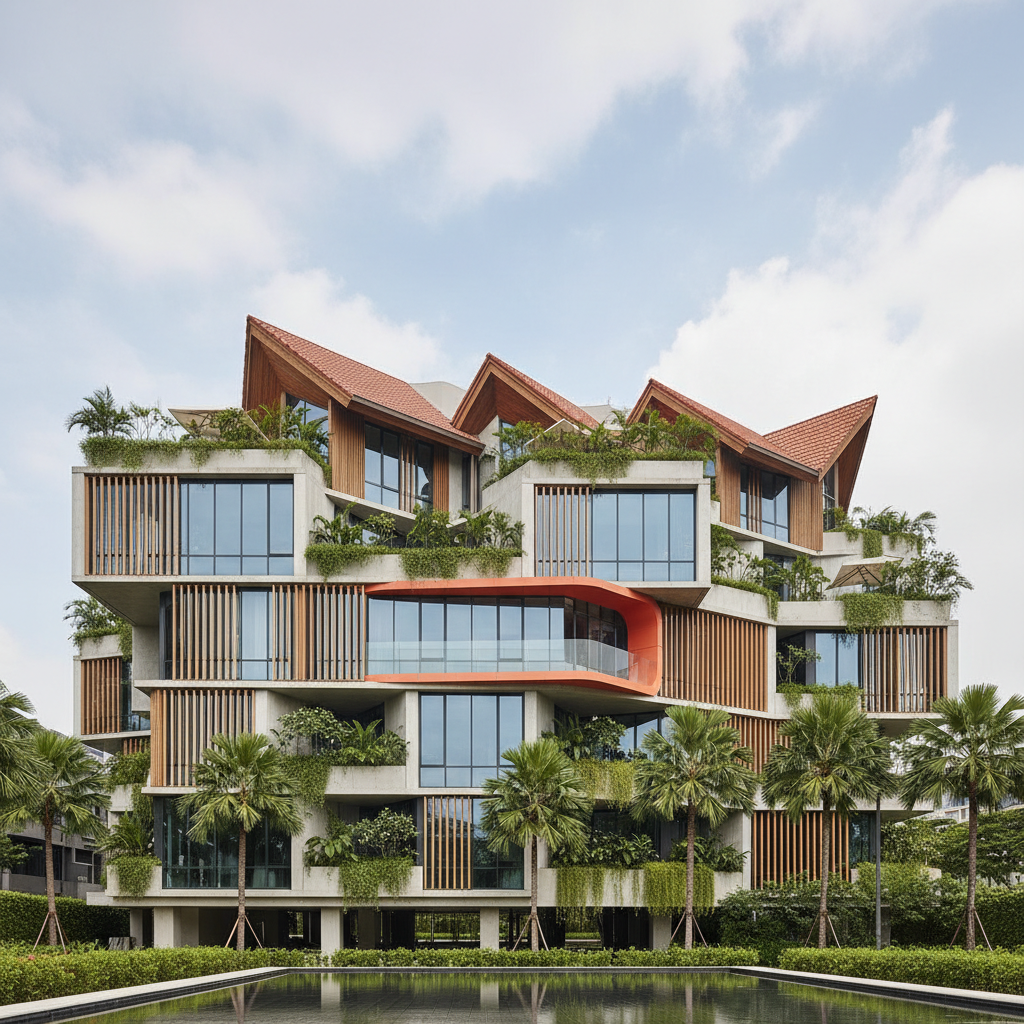
Roofing Materials and Their Compatibility with Different Pitches
The choice of roofing materials is intrinsically linked to the selected roof pitch. Not all materials perform optimally at every angle.
For Low-Slope Roofs (under 2:12 pitch):
Bituminous Membranes (e.g., torch-on bitumen): Common and cost-effective, providing excellent waterproofing.
EPDM or TPO Membranes: Modern single-ply synthetic rubber or thermoplastic membranes offering flexibility, UV resistance, and longevity.
Liquid Applied Waterproofing: Polymer-based coatings that form a seamless, monolithic membrane, ideal for complex shapes.
For Steep-Slope Roofs (2:12 pitch and greater):
Clay or Concrete Tiles: Durable, aesthetically pleasing, excellent for shedding water; requires a minimum pitch, often 4:12 or higher.
Metal Roofs (e.g., standing seam, metal tiles): Highly durable, lightweight, energy-efficient, and suitable for a wide range of pitches, even relatively low ones (as low as 1:12 for standing seam with proper sealing).
Asphalt Shingles: Less common in Singapore due to climate, but can be used on steeper pitches.
Slate Tiles: High-end, extremely durable, and long-lasting, suitable for very steep slope roof benefits designs.
Using a material designed for a steep pitch on a low-slope roof, such as tiles without sufficient underlying waterproofing, will inevitably lead to leaks and extensive damage in Singapore's climate.
How Roof Pitch Affects Water Drainage and Leak Prevention
Roof pitch is the primary determinant of effective roof drainage Singapore. A steeper pitch allows gravity to pull rainwater off the roof surface more quickly, reducing the time water spends in contact with roofing materials and architectural features. This rapid shedding minimizes the chances of water infiltration through seams, laps, and fastener penetrations.
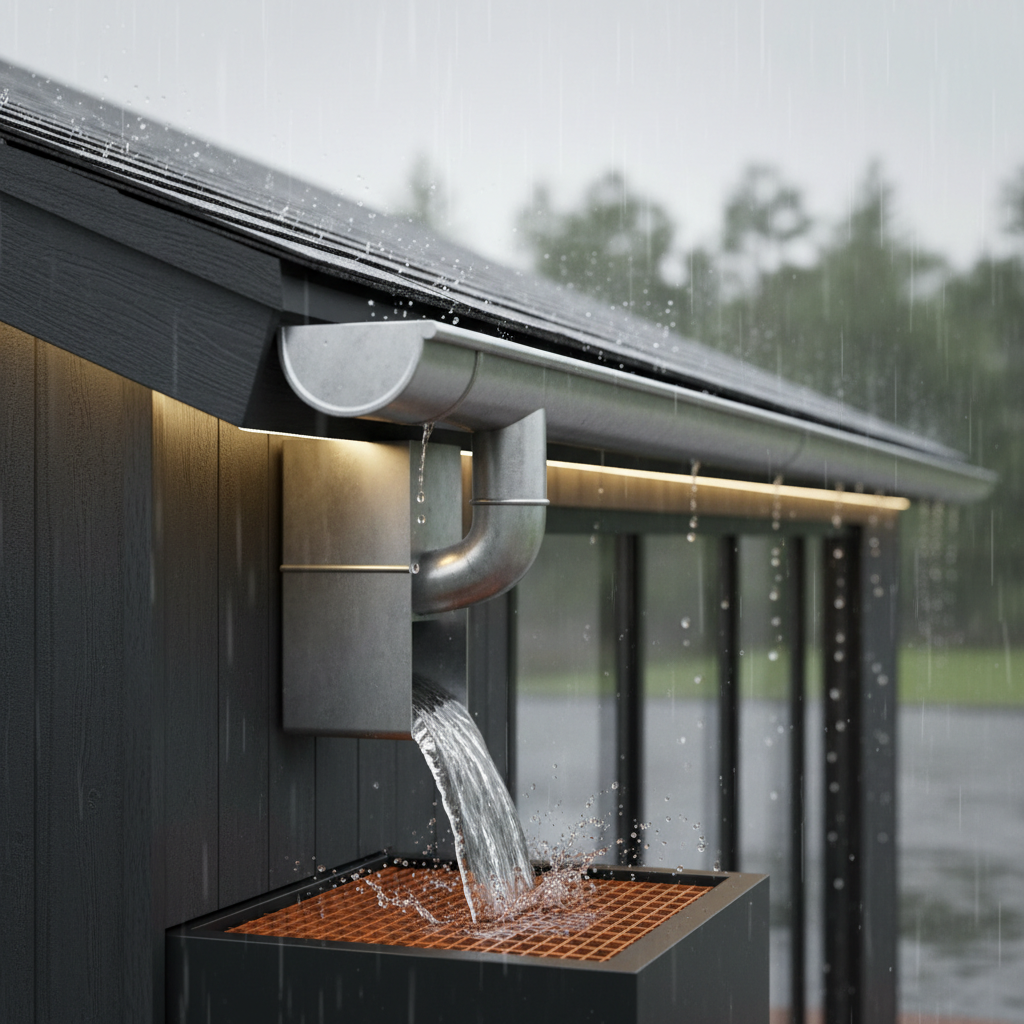
Steep Pitches: The swift runoff inherent in steep designs significantly reduces the potential for ponding water, which is a major cause of roof leaks and accelerated material degradation. Gutters and downspouts primarily manage the volume of water rather than preventing standing water on the roof itself.
Low Pitches: Roofs with a low pitch rely heavily on a highly effective, seamless waterproofing membrane system and meticulously designed internal or external drainage mechanisms (e.g., scuppers, gutters, sumps, and internal drains) to prevent water accumulation. Any failure in the waterproofing layer or blockage in the drainage system can quickly lead to widespread leaks and saturation of the roof structure. According to a 2023 study by the Building and Construction Authority (BCA) in Singapore, improper drainage on low-slope roofs accounts for over 40% of reported water ingress issues in commercial buildings.
Effective leak prevention in Singapore starts with selecting an appropriate roof pitch for the intended material and local conditions, followed by professional installation of waterproofing and drainage components.
Energy Efficiency and Thermal Performance Related to Roof Pitch
The thermal performance and energy efficiency of a building in Singapore are significantly influenced by its roof pitch. The roof is the largest surface exposed to direct solar radiation, making its design critical for mitigating heat gain.
Steep-Slope Roofs:
Attic Ventilation: A steeper pitch often creates a larger attic space that can be effectively ventilated. Proper attic ventilation draws hot air out, creating an insulating air barrier that prevents heat from transferring into the living spaces below. This can significantly reduce the load on air conditioning systems.
Material Options: Steep slopes can accommodate reflective materials like light-colored tiles or metal, which reflect solar radiation, further reducing heat absorption.
Airflow: The natural stack effect (hot air rising) is more pronounced with steeper pitches, aiding natural cooling.
Low-Slope Roofs:
Heat Absorption: Without proper insulation or reflective coatings, low-slope roofs can absorb and transfer a substantial amount of solar heat directly into the building, increasing internal temperatures and air conditioning costs.
Green Roofs: However, low-slope roofs offer opportunities for integrating green roofs (rooftop gardens), which provide excellent insulation, reduce the urban heat island effect, and offer aesthetic and environmental benefits.
Cool Roof Coatings: Application of cool roof coatings (highly reflective paints or membranes) is crucial for low-slope roofs to reflect sunlight and lower surface temperatures, improving energy efficiency.
Key Insight: While steeper pitches often facilitate better natural ventilation and traditional cooling methods, low-slope roofs can achieve superior thermal performance through modern solutions like green roofs or advanced reflective coatings, provided they are meticulously designed and maintained.
Regulatory Requirements and Building Codes for Roof Pitch in Singapore
In Singapore, the construction of roofs, including their pitch, is governed by specific building codes and regulations primarily enforced by the Building and Construction Authority (BCA). These regulations aim to ensure structural integrity, public safety, and environmental considerations. While the BCA does not typically mandate a minimum aesthetic roof pitch, it does impose requirements related to:
Structural Stability: All roof designs, regardless of pitch, must be certified by a Qualified Person (QP - typically a Professional Engineer) to withstand specified wind loads (e.g., according to SS CP3: Code of Practice for Wind Loading) and dead/live loads.
Waterproofing: The BCA emphasizes stringent waterproofing requirements, particularly for low-slope roofs. Compliance with standards like SS EN 13707 (Flexible sheets for waterproofing – Reinforced bitumen sheets for roof waterproofing) and SS 568 (Code of Practice for Waterproofing of Reinforced Concrete Flat Roofs, Balconies and Other Reinforced Concrete Surfaces) is crucial.
Drainage: Adequate drainage systems must be designed to manage rainwater efficiently, preventing ponding, and complying with the standards outlined by the Public Utilities Board (PUB) for stormwater management.
Materials: Certain materials may have minimum pitch requirements for effective performance and adherence to fire safety codes.
Roof Access: For maintenance purposes, especially for low-slope roofs, building codes may stipulate requirements for safe access.
Homeowners and contractors must obtain necessary permits and ensure their architectural roofing Singapore designs comply with all local ordinances before embarking on construction or renovation projects.
Common Mistakes to Avoid When Designing Roof Pitch
Designing and implementing roof pitch in Singapore involves several potential pitfalls that can lead to costly repairs and performance issues. Avoiding these mistakes is paramount for a durable and functional roof.
Insufficient Pitch for Material: Using roofing materials like traditional tiles on a pitch lower than their manufacturer's recommendation will almost guarantee leaks, particularly in Singapore's heavy rainfall.
Neglecting Drainage Design for Low Pitches: Forgetting that low-slope roofs are essentially waterproofing systems, not just coverings, and skimping on drain design (e.g., too few drains, incorrect placement, insufficient slopes to drains) leads to ponding, which is a common cause of low slope roof problems Singapore.
Ignoring Wind Uplift: While less extreme than hurricane zones, Singapore experiences strong squalls. Inadequate fastening or an ill-suited pitch for prevailing wind patterns can lead to material detachment, especially at edges and corners.
Poor Insulation/Ventilation Strategy: Overlooking the thermal impact of the chosen pitch. A steep roof without proper attic ventilation can still trap heat, and a low-slope roof without adequate insulation or reflective coating will act as a heat sink.
Failure to Account for Local Climate (Humidity & UV): Some materials degrade faster under intense UV radiation and high humidity. Choosing material solely based on cost without considering climate suitability for the chosen pitch can shorten roof life. For example, some bitumen membranes need specific UV protection if the pitch is too low to shed water quickly enough.
DIY Approach for Complex Pitches: Designing and installing complex or multi-pitched roofs requires specialized expertise in structural engineering, waterproofing, and material application. A DIY or inexperienced approach frequently results in structural weaknesses or waterproofing failures.
Consulting a Roofing Expert for Your Singapore Property's Roof Pitch
Given the complexities of roof pitch Singapore in the local climate and regulatory environment, consulting a qualified roofing contractor or a structural engineer is highly recommended. A professional can provide invaluable guidance by:
Assessing Site-Specific Conditions: Analyzing factors like building orientation, prevailing winds, sun exposure, and adjacent structures to recommend the most suitable pitch.
Ensuring Code Compliance: Verifying that the proposed roof pitch and design conform to all BCA and PUB regulations, preventing potential legal issues or costly reworks.
Material Selection Expertise: Advising on the most appropriate roofing materials that are compatible with the chosen pitch and resilient to Singapore's tropical weather.
Optimizing Drainage: Designing an efficient drainage system that effectively manages heavy rainfall, preventing ponding and ensuring long-term leak prevention.
Enhancing Energy Efficiency: Recommending insulation, ventilation, or cool roof strategies tailored to the roof pitch to improve thermal performance and reduce energy consumption.
Cost-Benefit Analysis: Providing a clear understanding of the initial construction costs versus long-term maintenance and energy savings associated with different pitch options.
Engaging an experienced local expert specializing in residential roofing considerations ensures that your roof is not only aesthetically pleasing but also structurally sound, highly functional, and designed to perform optimally in Singapore's challenging climate for decades to come.
Frequently Asked Questions
What is the minimum recommended roof pitch in Singapore for tiled roofs?
For traditional tiled roofs in Singapore, a minimum pitch of 4:12 (approximately 18-20 degrees) is generally recommended by manufacturers to ensure effective water shedding and prevent capillary action that can draw water under the tiles during heavy rainfall.
Do flat roofs work well in Singapore's climate?
Flat roofs (low-slope roofs) can work well in Singapore's climate, but they require meticulous design, high-quality waterproofing membranes (e.g., EPDM, TPO, or torch-on bitumen), and exceptionally efficient drainage systems to prevent ponding water, which is a major concern in heavy rainfall.
How does roof pitch affect maintenance for Singapore homes?
Steeper roof pitches typically require less frequent maintenance for water-related issues because they shed water more effectively. Low-slope roofs, however, demand more rigorous maintenance, including regular cleaning of drainage systems and inspection of waterproofing membranes, to prevent leaks and ensure longevity.
Can I change my roof pitch during a renovation in Singapore?
Yes, it is possible to change your roof pitch during a renovation in Singapore, but this is considered a significant structural alteration. It requires submission of plans to the Building and Construction Authority (BCA) and approval from a Qualified Person (Professional Engineer) to ensure structural integrity and compliance with building codes.
What is the advantage of a steeper roof pitch in Singapore?
The primary advantage of a steeper roof pitch in Singapore is superior water drainage. It allows rainwater to run off quickly, reducing the risk of leaks, minimizing material saturation, and inhibiting the growth of moss and algae, all crucial benefits in a high-rainfall, humid environment.
Does roof pitch impact the property value in Singapore?
While there are no direct regulations linking roof pitch to property value, a well-designed and maintained roof (regardless of pitch type, as long as it performs well) contributes positively to a property's overall appeal, structural integrity, and perceived quality, indirectly impacting its market value. Attractive architectural roofing Singapore can also enhance curb appeal.
Conclusion
Understanding roof pitch Singapore is fundamental to creating a durable, high-performing, and energy-efficient building in the nation's tropical climate. The choice between low-slope and steep-slope designs is not merely aesthetic; it profoundly influences water management, material compatibility, thermal performance, and long-term maintenance. From navigating Singapore's heavy rainfall with effective drainage to ensuring compliance with strict building codes, every aspect of roof pitch selection demands careful consideration. Engaging a seasoned roofing specialist is invaluable for homeowners and developers alike to ensure their roof design is perfectly suited to the unique demands of Singapore, safeguarding their investment for years to come.


Comments