

Attap Roof Singapore: Traditional Roofing with Modern Durability
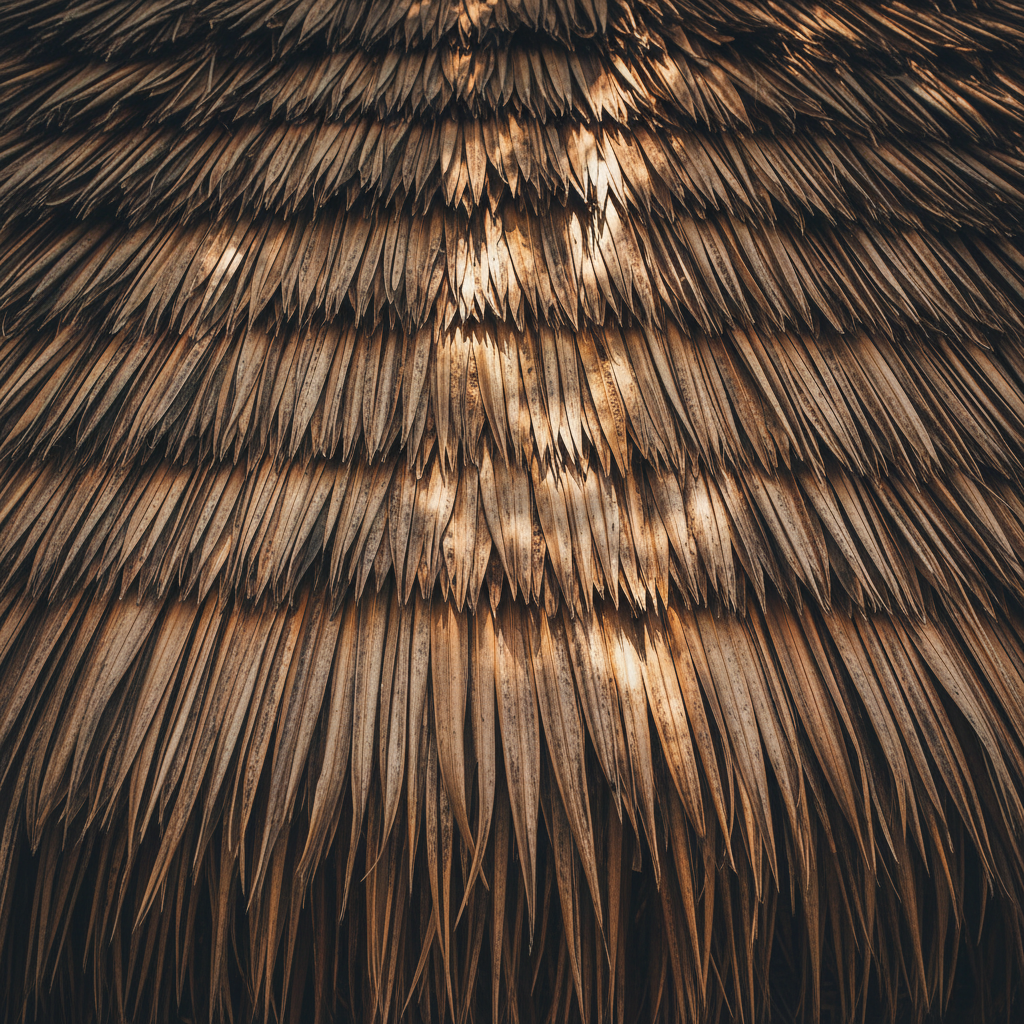
An attap roof Singapore is a traditional roofing solution, originally crafted from the fronds of the nipa palm (Nypa fruticans), that once dominated the Singaporean landscape and now sees modern resurgence. These roofs offer a unique aesthetic and specific benefits, making them a distinctive choice even in contemporary architectural contexts.
Quick Answer:
Attap roofs are traditional Singaporean roofing made from nipa palm fronds.
They provide natural insulation, are eco-friendly, and offer aesthetic appeal.
Modern construction methods enhance their durability and weather resistance.
Maintenance involves regular checks and replacing damaged fronds.
Specialized contractors like Amber Services can integrate them into modern designs.
Table of Contents
What is an Attap Roof and Its History in Singapore?
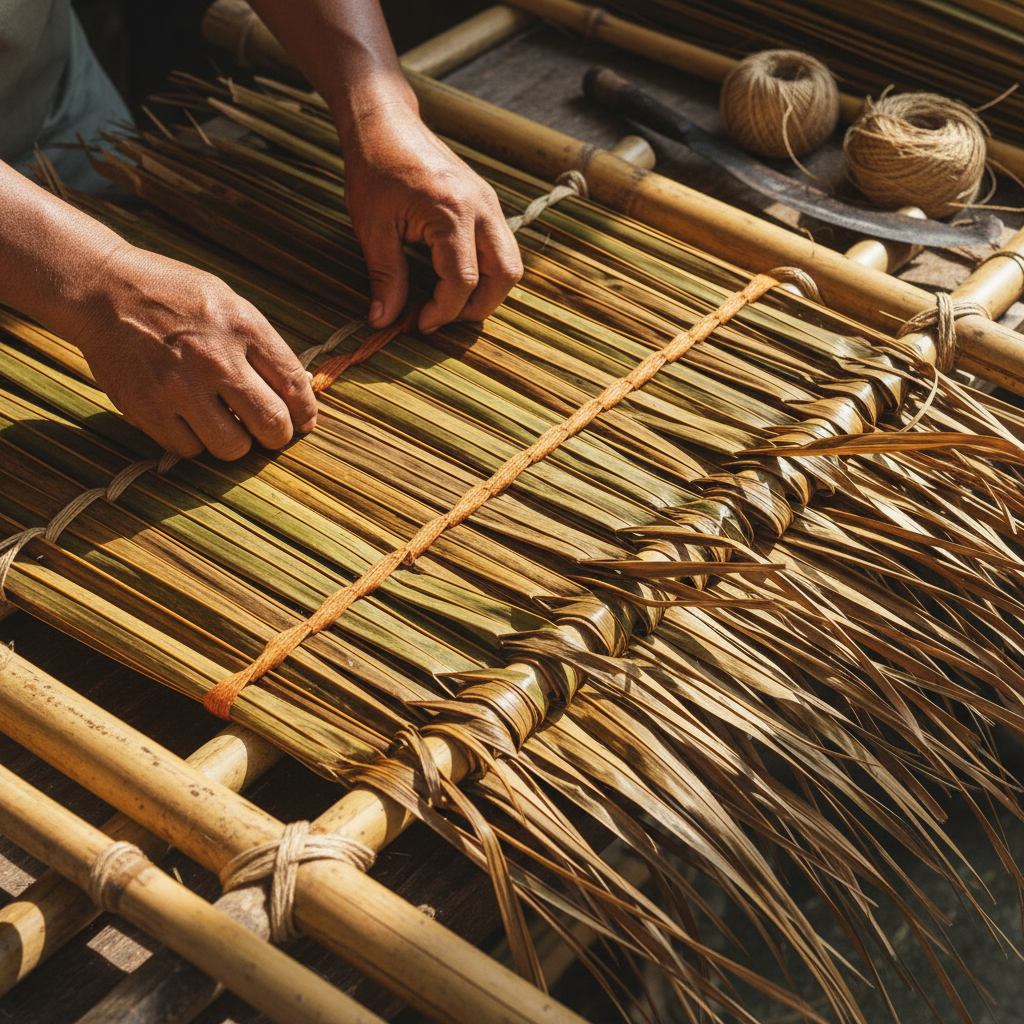
An attap roof is a form of traditional roofing Singapore that historically utilized the broad, sturdy fronds of the nipa palm, which grows abundantly in brackish water environments. This roofing material was the predominant choice for homes, known as attap houses Singapore, as well as other structures across Southeast Asia for centuries, including during Singapore's early development. The fronds are typically folded over bamboo battens and then layered thickly to create a waterproof and insulating barrier.
During the pre-colonial and early British colonial periods, almost all vernacular architecture in Singapore featured attap roofs due to the local abundance of materials and their effectiveness in the tropical climate. They served as a practical, sustainable, and readily available solution for shelter before the introduction of more "modern" materials like clay tiles and corrugated iron. While large-scale urbanization led to their decline in residential use, their cultural significance and environmental benefits have sparked renewed interest.

The Enduring Appeal of Attap Roofing Today
Attap roofing continues to appeal to homeowners and businesses in Singapore for several compelling reasons, blending heritage roofing aesthetics with modern sustainability trends. First, its distinctive rustic appearance offers a unique charm that stands out from conventional roofing options. It evokes a sense of traditional artistry and cultural connection, which is highly valued in design today. Second, attap is a natural roofing material, aligning with growing consumer demand for eco-friendly and sustainable building options. Nipa palm fronds are a renewable resource that requires minimal processing. Third, the excellent thermal insulation properties of attap make it particularly attractive in Singapore’s warm, humid climate, potentially reducing energy consumption for cooling.
Many resort developments, heritage-themed attractions, and even some private residential properties now incorporate attap roofs to achieve a specific architectural character. According to a 2023 survey by eco-building material suppliers, interest in natural roofing solutions has increased by 15% in Southeast Asia over the past five years, reflecting a broader trend towards sustainability and unique design.
Key Insight: The enduring appeal of attap roofing lies not just in its aesthetic connection to Singapore's past, but also in its inherent practical benefits of natural insulation and sustainability, making it a relevant choice for contemporary, climate-conscious design.
Benefits of Modern Attap Roof Construction
Modern attap roof design integrates traditional methods with contemporary building science to overcome some historical limitations, enhancing durability and performance.
Exceptional Thermal Insulation: The dense layering of nipa palm fronds creates air pockets that act as a natural insulator. This keeps interiors cooler in Singapore’s tropical heat, reducing the need for air conditioning and lowering energy bills.
Eco-Friendly and Sustainable: Nipa palm is a rapidly renewable resource, making attap roofs an environmentally conscious choice. The material is biodegradable and has a low carbon footprint compared to manufactured roofing.
Aesthetic Appeal: Attap roofs offer a unique, organic, and rustic look that can enhance the architectural character of a building, providing a distinct connection to nature and heritage.
Noise Reduction: The thick, fibrous material of attap is effective at dampening external noise, providing a quieter indoor environment, which is particularly beneficial in urban settings.
Lightweight: Compared to heavy tiles or concrete, attap is a lightweight roofing material, which can reduce the structural load on the building and potentially lower construction costs for the supporting framework.
Challenges and Solutions for Attap Roofs
While attap roofs offer numerous advantages, they also present specific challenges that modern construction techniques and experienced contractors address.
Durability and Lifespan: Traditional attap roofs typically had a shorter lifespan compared to concrete tiles or metal roofing, often requiring replacement every 5-10 years due to rot or insect infestation.
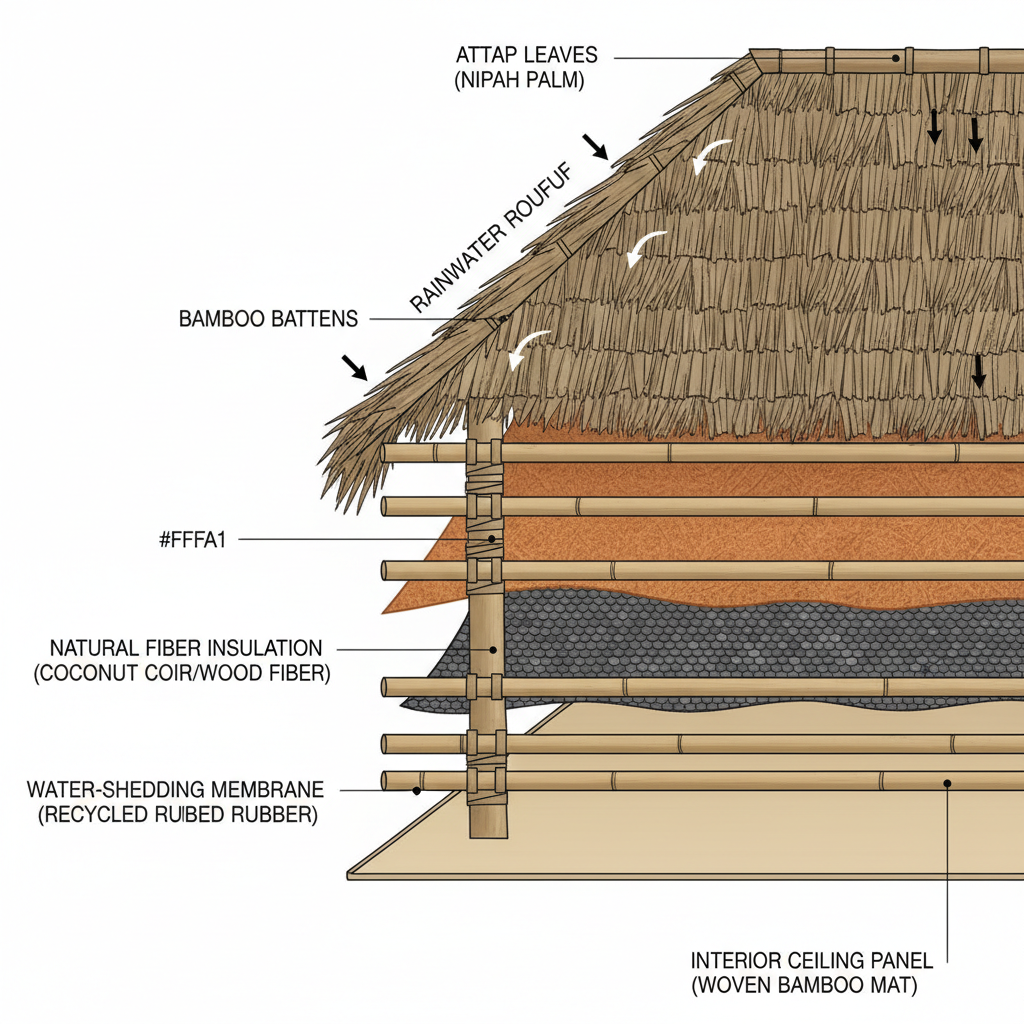
Modern Solution: Treatment of nipa palm fronds with natural preservatives (e.g., borate solutions) can significantly extend their lifespan, sometimes up to 15-20 years. Additionally, improved ventilation beneath the roof and proper structural design prevent moisture buildup.
Fire Risk: Like any dry organic material, attap is susceptible to fire.
Modern Solution: Applying fire-retardant coatings during installation can enhance fire resistance. Building codes in Singapore may also require specific setbacks or sprinkler systems when attap is used in certain contexts.
Pest Infestation: Untreated attap can be attractive to insects and rodents.
Modern Solution: Proper treatment of fronds and regular maintenance, including inspection and cleaning, deter pests. Integrated pest management strategies can be incorporated during design.
Waterproofing: While inherently waterproof when layered correctly, improper installation can lead to leaks.
Modern Solution: Skilled craftsmanship and meticulous layering, often combined with a breathable waterproof membrane installed beneath the attap, ensure superior water resistance and prevent leaks. The pitch of the roof also plays a critical role, with steeper pitches better shedding water.
Integrating Attap with Contemporary Architecture
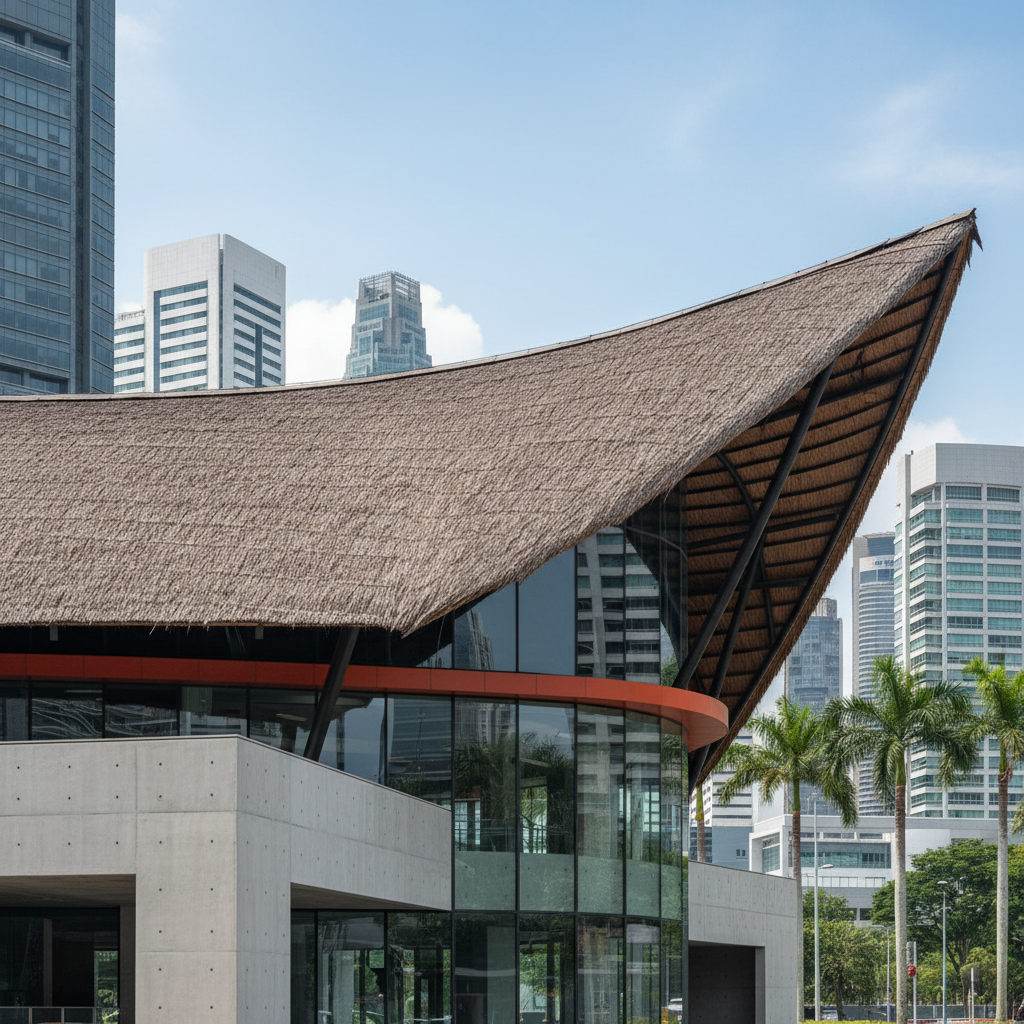
The appeal of attap roof Singapore extends beyond mere historical reconstruction; it is increasingly being integrated into contemporary architectural designs. This involves blending the organic textures and natural silhouette of attap with modern building materials like steel, glass, and concrete. The contrast between the rustic attap and sleek modern elements creates visually captivating structures that are both respectful of tradition and forward-looking.
For instance, open-plan homes or commercial pavilions might feature vast attap canopies supported by minimalist metal frames, creating shaded, naturally ventilated spaces perfect for Singapore's climate. Resorts often use attap to roof individual villas or communal areas, providing a sense of tropical luxury and eco-conscious design. Modern attap roof design often involves precise engineering to ensure structural integrity and seamless integration with other building systems, such as rainwater harvesting or solar panel integration below the attap layer. Architects leverage the natural curves and varying textures of the fronds to add softness and an organic feel to otherwise rigid modern forms.
Maintenance Tips for Attap Roofs
Proper maintenance is crucial for maximizing the lifespan and performance of an attap roof Singapore. While modern treatments extend durability, regular inspection and care remain vital.
Regular Inspections: Twice a year, ideally before and after the monsoon seasons, inspect the roof for loose, damaged, or discolored fronds. Pay close attention to ridge lines and valleys where water might collect.
Clean Away Debris: Remove accumulated leaves, branches, and other debris that can trap moisture and promote rot or pest infestation.
Address Damage Promptly: Replace any fronds that show signs of significant wear, rot, or pest damage immediately to prevent further deterioration and leaks. Small repairs can prevent larger, more costly issues.
Control Moss and Algae: In Singapore's humid climate, moss and algae can grow on attap, retaining moisture. Gently brush them off or use eco-friendly treatments sparingly if necessary, ensuring not to damage the fronds.
Pest Management: Regularly check for signs of insect activity (e.g., termites, boring beetles) or rodent nests. Employ preventive measures like maintaining proper ventilation and considering professional pest control if an issue arises.
Ensure Proper Drainage: Verify that gutters and downspouts (if part of the design) are clear and that water is effectively shed from the roof structure.
Key Insight: Proactive and consistent maintenance is the single most important factor in achieving the full potential lifespan and aesthetic appeal of a modern attap roof installation in Singapore.
Attap Roof Singapore: Cost Considerations
The cost of an attap roof Singapore can vary significantly depending on several factors, distinguishing it from conventional roofing materials. While the initial material cost for nipa palm fronds might appear lower than some manufactured materials, the labor involved in its skilled installation is typically higher.
Material Sourcing: The availability and quality of treated nipa palm fronds impact cost. Sourcing sustainably harvested and pre-treated fronds ensures quality but might come at a premium.
Complexity of Design: Intricate roof designs, multiple pitches, or unusual shapes will require more labor and therefore increase the overall cost compared to simple, straightforward rooflines.
Installation Expertise: Installing an attap roof is a specialized skill requiring experienced craftsmen. The hourly rates for such expertise contribute significantly to the total cost.
Treatment and Fire Retardants: Any pre-treatments for durability, pest resistance, or fire retardation add to the material and application cost.
Underlying Structure: While attap is lightweight, the supporting structure still needs to be robust and designed to handle tropical conditions and potential additional membranes.
Maintenance Contracts: Some homeowners opt for professional maintenance contracts, adding to the long-term cost but ensuring longevity.
Generally, a modern, well-installed attap roof in Singapore might have an initial cost per square foot that is comparable to or, in some cases, slightly higher than mid-range tile or metal roofing due to the specialized labor. However, its aesthetic and environmental benefits can justify this investment for many projects.
Comparison: Attap vs. Other Roofing Materials
When considering roofing options in Singapore, comparing attap roof Singapore with more common materials highlights its unique position.
Frequently Asked Questions
Is an attap roof waterproof in Singapore's heavy rain?
Yes, a properly installed modern attap roof is designed to be waterproof. The thick, overlapping layers of nipa palm fronds effectively shed water, and often a breathable waterproof membrane is installed underneath for added protection against Singapore's intense tropical downpours.
How long does a modern attap roof last in Singapore?
With modern treatments and regular maintenance, an attap roof in Singapore can last between 15 to 20 years. Untreated traditional attap roofs typically had a shorter lifespan of 5-10 years.
Can attap roofs be integrated into modern building designs?
Absolutely. Modern architecture often features attap roofs to provide a unique aesthetic, natural insulation, and an eco-friendly element, blending traditional textures with contemporary materials like glass and steel.
Are attap roofs fire-resistant?
By nature, attap, being an organic material, is not fire-resistant. However, modern attap roof installations can incorporate specialized fire-retardant treatments applied to the fronds to significantly enhance their fire resistance, meeting safety standards.
Where can I find nipa palm fronds for an attap roof in Singapore?
While nipa palms grow naturally in Singapore's mangroves, fronds for roofing are typically sourced from sustainable plantations in neighboring regions. These are often pre-treated for durability and delivered to specialized roofing contractors.
Do attap roofs attract pests in Singapore?
Traditional attap roofs could attract pests. However, modern attap fronds are often treated with natural, eco-friendly preservatives that deter insects and rodents. Regular maintenance and inspection are also crucial in preventing any pest issues.
Conclusion
The attap roof Singapore is a captivating blend of heritage and contemporary functionality, offering a distinctive and sustainable roofing solution. From its historical prominence in traditional attap houses to its modern resurgence in eco-conscious designs, attap roofing delivers exceptional thermal insulation, aesthetic appeal, and a positive environmental footprint. While requiring specialized installation and consistent maintenance, advancements in treating nipa palm fronds and construction techniques have significantly enhanced its durability and safety. For those seeking to infuse their property with organic charm, tropical comfort, and a nod to Singapore's rich architectural past, a modern attap roof presents a compelling and unique choice.


Comments