

Cost of Roof Replacement in Singapore: What to Expect & Budget For

The cost of roof replacement in Singapore can vary significantly, typically ranging from SGD 8,000 to over SGD 50,000, depending on factors such as roof size, material choice, and necessary structural repairs. Understanding these elements is crucial for homeowners and property managers to budget effectively and ensure the longevity of their assets in Singapore's tropical climate.
Quick Answer:
Roof replacement costs in Singapore range from SGD 8,000 to SGD 50,000+.
Key factors include material type, roof size, pitch, and structural repair needs.
Getting multiple quotes and understanding warranties are essential for budgeting.
Consider financing options to manage upfront expenses.
Engaging a reputable contractor ensures quality and compliance.
Table of Contents
Is it Time for a New Roof?
Deciding when to undertake re-roofing in Singapore is a critical decision for property owners. Several signs indicate that your roof may be nearing the end of its lifespan and requires replacement rather than just repairs. These include active leaks, significant visible damage like cracked or missing tiles, extensive moss or algae growth, sagging roof sections, and a general age exceeding 20-25 years for many common roofing materials. Ignoring these signs can lead to more severe and costly structural damage, insulation problems, and higher energy bills due to compromised thermal efficiency, especially given Singapore's consistent high humidity and rainfall.
Key Factors Influencing Roof Replacement Cost in Singapore
The new roof cost Singapore homeowners face is determined by a complex interplay of several factors, each contributing significantly to the overall project expense. Understanding these variables allows for more accurate budgeting and informed decisions when selecting a roofing contractor quotes.
Type of Roofing Material
The choice of roofing materials Singapore offers is a primary driver of cost. Different materials have varying price points, durability, aesthetic impacts, and installation requirements.
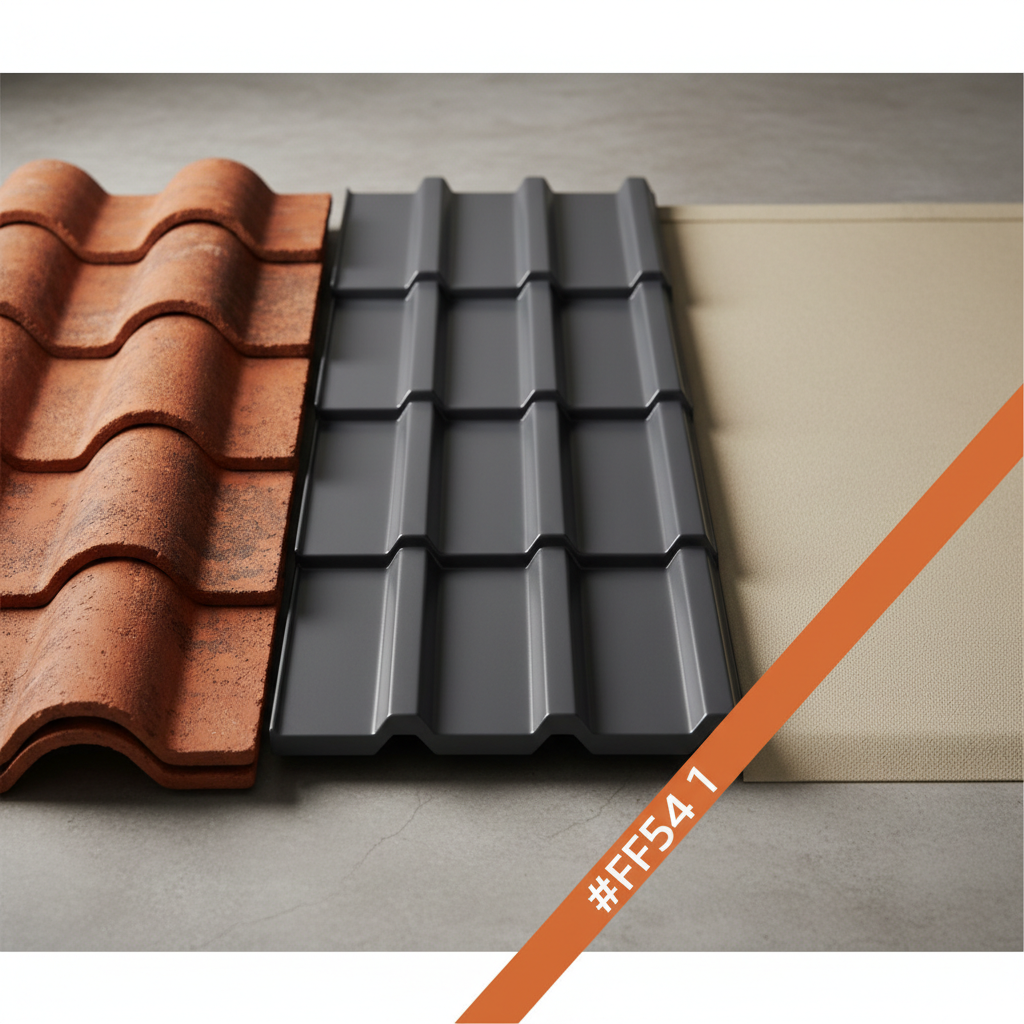
Here’s a comparison of common roofing materials and their general cost implications:
Key Insight: While asphalt shingles offer the lowest roof replacement Singapore price upfront, their shorter lifespan and lower durability in Singapore’s harsh climate often lead to higher long-term costs due compared to more robust options like metal or tile roofs. Investing in quality materials can significantly reduce future maintenance and replacement expenses.
Size and Pitch of Your Roof
The physical dimensions and slope of your roof directly impact the amount of materials required and the complexity of the installation. Larger roofs naturally require more materials and labor, increasing costs. A steeper pitch (angle) makes the job more challenging and dangerous for workers, often necessitating specialized safety equipment like scaffolding, which adds to labor costs and project duration. For instance, a bungalow with a complex, steep pitched roof will command a higher price than a flat roof of the same surface area on a factory.
Existing Roof Removal and Disposal
Before a new roof can be installed, the old one must often be safely removed and disposed of. This process, known as a tear-off, involves labor for demolition, skip hire for debris removal, and sometimes disposal fees, especially if the old material contains hazardous substances. The complexity and volume of the existing roof material contribute to this cost component. For example, removing multiple layers of old shingles is more labor-intensive than removing a single layer.
Structural Repairs Needed
A thorough roof inspection by a qualified contractor might uncover underlying structural issues such as rotten rafters, damaged trusses, or compromised decking. These repairs are crucial for the integrity of the new roof and the safety of the entire structure. The extent of such repairs can significantly increase the overall cost of roof replacement in Singapore, as they involve additional materials, specialized carpentry skills, and extended project timelines. A 2023 survey by the Building and Construction Authority (BCA) on older properties in Singapore revealed that around 15% required minor to moderate structural timber repairs during re-roofing projects.
Accessibility and Labor Costs
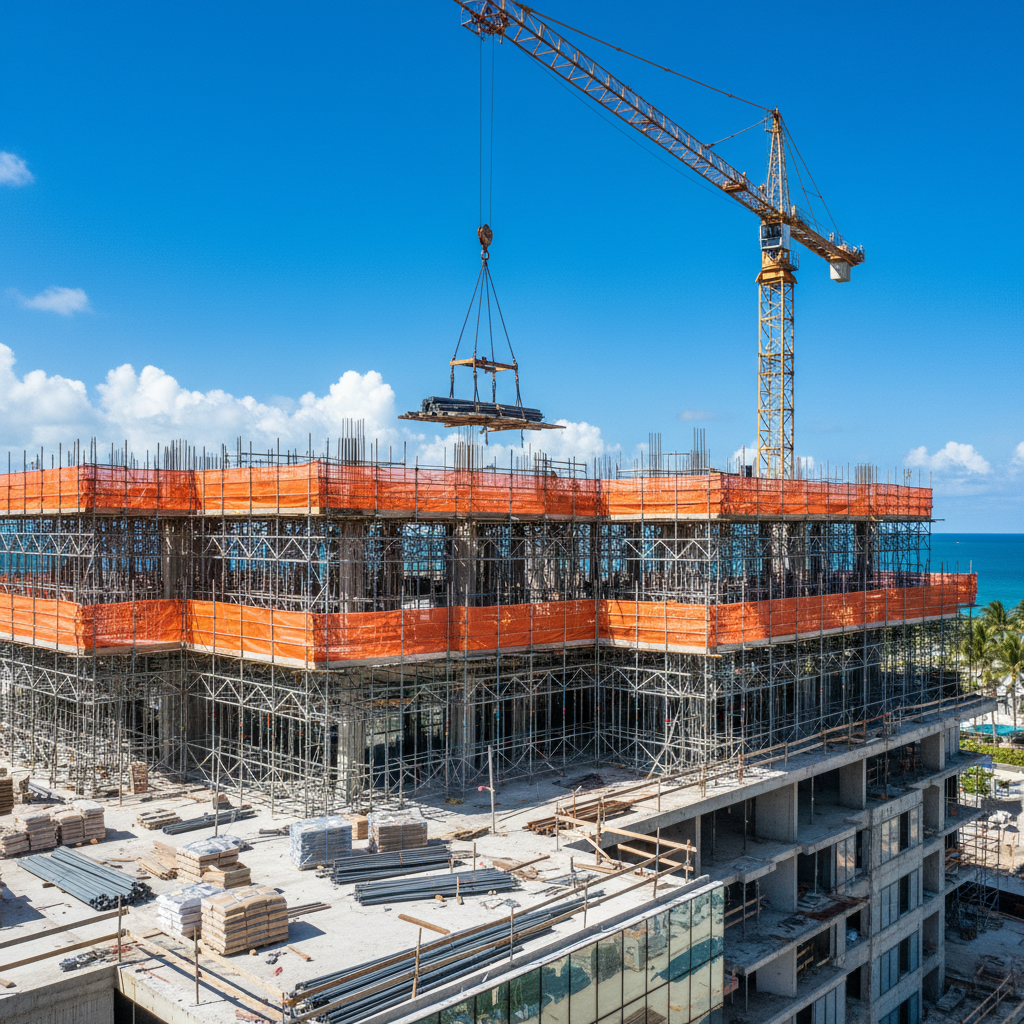
The ease with which workers and materials can access your roof impacts labor efficiency and equipment needs. Properties with limited access, obstructions, or tight spaces may require more time, specialized hoisting equipment, or scaffolding, all of which drive up expenses. Furthermore, the labor costs for skilled roofing professionals in Singapore reflect their expertise, safety training, and the demand for their services. These costs typically cover installation, site preparation, supervision, and clean-up.
Breakdown of Typical Roof Replacement Expenses
To get a clearer picture of the cost of roof replacement in Singapore, it's helpful to break down the expenses into their primary components.
Material Costs
Material costs account for the roofing materials themselves (tiles, metal sheets, membrane, fasteners), underlayment, flashing, ventilation components, and any insulation required. As discussed, the choice of material significantly dictates this portion of the budget. For example, a quality metal roof system from a reputable supplier might cost SGD 50-90 per square meter, while basic asphalt shingles could be SGD 20-40 per square meter. These figures encompass the primary roofing material, but also include essential accessories like ridge caps, eaves flashing, and fasteners which are critical for water tightness and durability in Singapore’s humid climate.
Labor Costs
Labor costs cover the wages of the roofing crew, including project managers, skilled roofers, and general laborers. These costs also factor in the time required for site preparation, tearing off the old roof, installing the new one, and site cleanup. Given the specialized skills and safety protocols involved, labor can constitute a significant portion (often 40-60%) of the total project cost. For a standard residential roof in Singapore, labor costs can range from SGD 30-70 per square meter, depending on the complexity and material type.
Ancillary Costs
Beyond materials and labor, several other costs contribute to the total roof replacement Singapore price:
Permits: In Singapore, certain roofing works, especially those involving structural changes or extensive re-roofing, may require permits from the Building and Construction Authority (BCA) or other relevant agencies. The cost of these permits varies but is a necessary legal compliance expense.
Scaffolding and Safety Equipment: For multi-story buildings or roofs with steep pitches, scaffolding is often essential for worker safety and efficient material handling. Rental and setup of scaffolding can add several hundred to a few thousand Singapore dollars to the project.
Waste Disposal: The cost of skip rental and disposal fees for the old roofing materials is an unavoidable expense. This can range from SGD 300 to SGD 1,000+ depending on the volume and type of waste.
Insulation: Upgrading or installing new roof insulation is highly recommended in Singapore's climate to improve energy efficiency. While an added cost, it offers long-term savings on utility bills.
Contingency Fund: It's always prudent to allocate an additional 10-15% of the total estimated cost as a contingency fund. This covers unforeseen issues that may arise during the project, such as extensive hidden rot, unexpected structural damage, or price fluctuations in materials.
Budgeting Tips for Your Singapore Roof Replacement Project
Effective budgeting is crucial for managing the cost of roof replacement in Singapore.
Getting Multiple Quotes
Do not settle for the first quote you receive. Always contact at least three different reputable roofing contractor quotes in Singapore to compare pricing, proposed materials, warranties, and project timelines. Ensure that each quote provides a detailed breakdown of costs, including materials, labor, permits, and disposal. A transparent quote indicates a professional and reliable contractor.
Understanding Warranties
A comprehensive warranty protects your investment. Differentiate between material warranties (offered by the manufacturer) and workmanship warranties (offered by the contractor). Material warranties often range from 15 to 50 years, while workmanship warranties typically span 5 to 20 years. Understand what each warranty covers, its duration, and any conditions that might void it. A robust warranty signifies the contractor's confidence in their work and materials.
Key Insight: A common mistake Singaporean homeowners make is focusing solely on the lowest initial quote without considering the long-term implications of material quality and warranty coverage. A slightly higher upfront cost for superior materials and a strong warranty can prevent significant expenses and headaches down the line.
Financing Options
For a major investment like a roof replacement, explore various financing options. Some local banks in Singapore offer renovation loans with competitive interest rates that can include roofing work. Contractors may also have partnerships with financial institutions or offer installment plans, though these are less common. Understanding these options can help spread the financial burden and make the project more manageable without draining immediate savings.
Frequently Asked Questions
What is the average lifespan of a roof in Singapore's climate?
The average lifespan of a roof in Singapore varies by material. Asphalt shingles typically last 15-30 years, while concrete or clay tiles and metal roofs can last 40-75 years. Regular maintenance can extend these lifespans.
How often should I inspect my roof in Singapore?
It is recommended to have your roof professionally inspected at least once a year, and especially after severe weather events. This helps identify minor issues before they become costly major repairs.
Can I replace my roof section by section to save money?
While small repairs are common, a full roof replacement is generally recommended for uniformity and better long-term protection. Replacing sections can lead to inconsistencies in lifespan and appearance, potentially causing future issues.
Do I need a permit for roof replacement in Singapore?
Yes, extensive roof replacement or structural changes to a roof in Singapore typically require obtaining permits, usually from the Building and Construction Authority (BCA). Your chosen contractor should be able to advise and assist with the permit application process.
Is flat roof replacement cost different from pitched roof replacement?
Yes, flat roof replacement cost can differ due to the materials and installation methods used. Flat roofs often utilize membrane systems (bituminous felt, liquid applied) which have different material and labor costs compared to pitched roofs with tiles or metal sheets.
Conclusion
The cost of roof replacement in Singapore is a substantial investment that protects your property and enhances its long-term value. By understanding the factors influencing these costs—from material selection and roof dimensions to potential structural repairs and labor rates—property owners can approach their project with confidence. Obtaining multiple, detailed roofing contractor quotes and carefully evaluating warranties are crucial steps in smart budgeting. Investing in a durable, well-installed roof provides peace of mind and safeguards your valuable asset against Singapore's challenging tropical climate for decades to come.


Comments