

Green Roof Singapore: Sustainable & Eco-Friendly Roofing Options
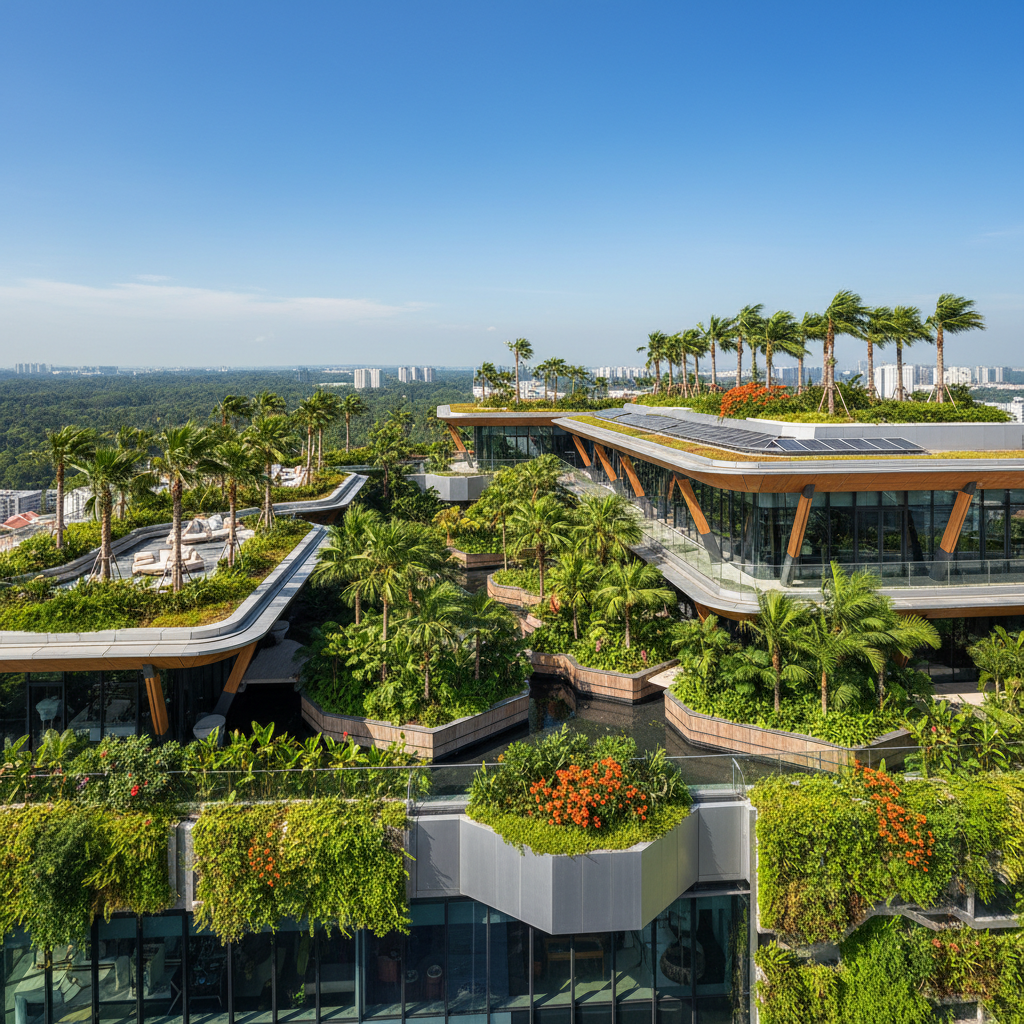
A green roof Singapore project integrates vegetation and a growing medium over a waterproofing membrane, transforming otherwise unused rooftop spaces into living ecosystems. These innovative roofing solutions not only enhance the aesthetic appeal of buildings but also contribute significantly to environmental sustainability and urban resilience in Singapore's tropical climate.
Quick Answer:
Green roofs involve planting vegetation on a building's rooftop, offering ecological and economic benefits.
They help mitigate the urban heat island effect, improve air quality, and manage stormwater.
Types include extensive (low maintenance, shallow substrate) and intensive (deeper substrate, diverse planting).
Installation requires careful planning for waterproofing, structural integrity, and drainage tailored to Singapore's climate.
Maintenance ensures longevity and effectiveness, involving irrigation, weed control, and nutrient management.
Table of Contents
What is a Green Roof?
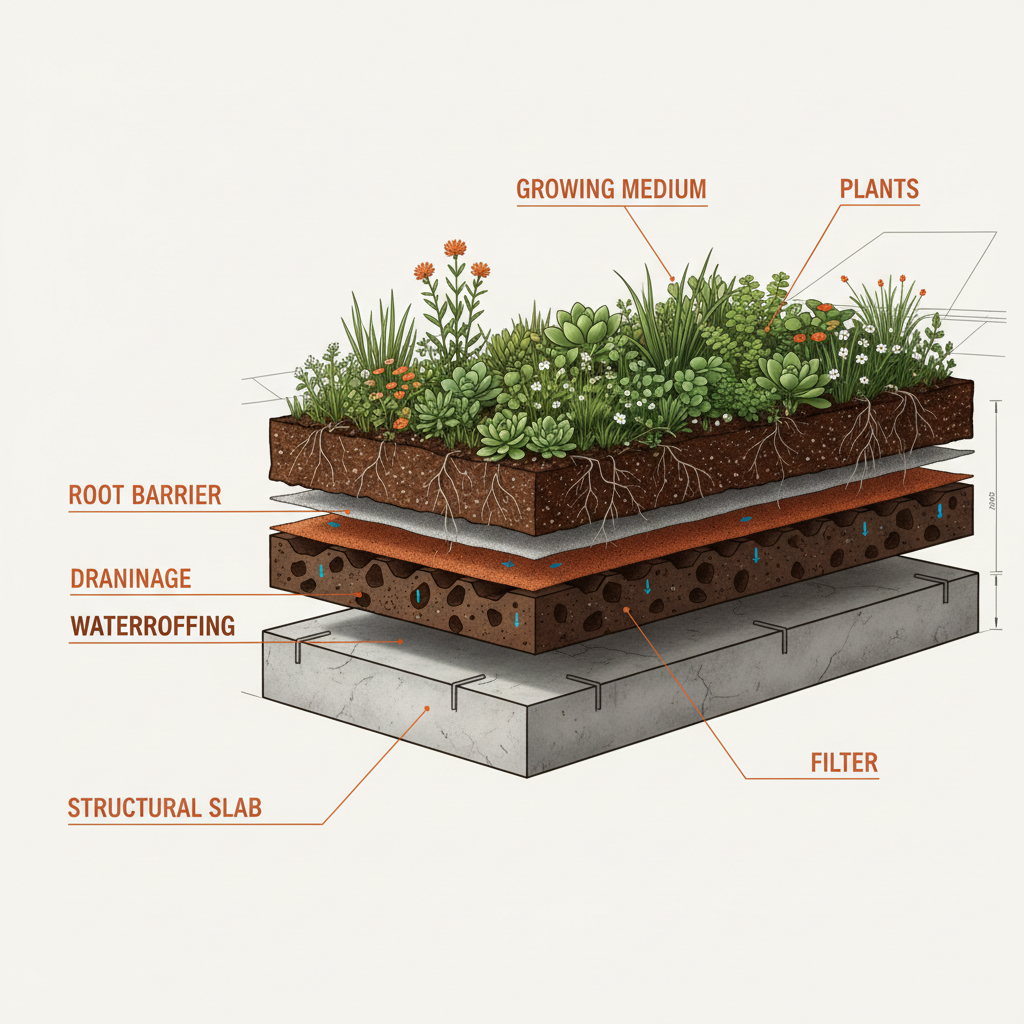
A green roof, also known as a living roof or rooftop garden, is a roof that is partially or completely covered with vegetation, planted over a waterproofing membrane. This sophisticated system includes a root barrier, drainage layer, filter membrane, and growing medium, all meticulously designed to support plant life while protecting the structural integrity of the building below. The concept transforms conventional, inert roof surfaces into vibrant, functional green spaces.
The practice of green roofing dates back centuries, but modern green roof technology evolved in Germany in the 1960s, quickly spreading globally as a key component of sustainable urban development. Singapore, with its commitment to becoming a "City in a Garden," has embraced green roofs as a crucial element in its urban planning, integrating nature into its high-density environment.
Benefits of Green Roofs in Singapore's Climate
Green roofs offer a multitude of benefits, particularly crucial in Singapore's tropical climate characterized by high temperatures, humidity, and heavy rainfall. These sustainable roofing solutions contribute significantly to environmental improvements, energy efficiency, and urban aesthetics.
Mitigating the Urban Heat Island Effect
The urban heat island (UHI) effect describes how urban areas are significantly warmer than surrounding rural areas, primarily due to dark surfaces like conventional roofs and pavements absorbing and re-emitting solar radiation. Green roofs counteract this by providing shade and through evapotranspiration, a process where plants release water vapor into the atmosphere, which has a cooling effect. A 2018 study by the National University of Singapore found that green roofs can reduce surface temperatures by up to 10-15°C compared to conventional roofs, significantly cooling the building and its immediate surroundings.
Improving Air Quality
Green roofs act as natural air filters. Plant leaves capture particulate matter, such as dust and smog, and absorb gaseous pollutants like carbon dioxide, sulfur dioxide, and nitrogen oxides. This natural filtration process contributes to cleaner air, which is vital in a densely populated city like Singapore. A single square meter of green roof can remove up to 0.2 kg of airborne pollutants annually, according to researchers.
Stormwater Management
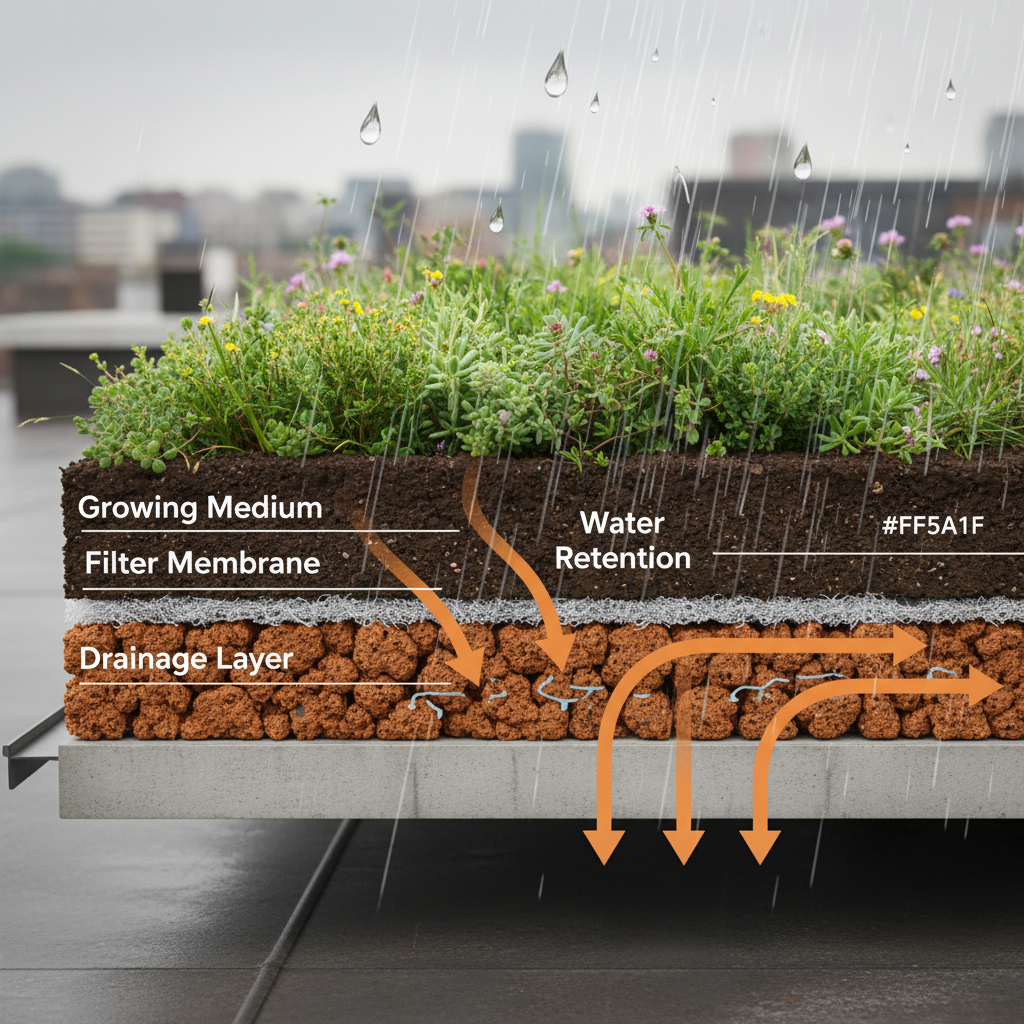
Singapore experiences frequent and intense rainfall. Green roofs play a critical role in stormwater management by absorbing significant volumes of rainwater, reducing runoff into drainage systems, and alleviating the risk of flash floods. The vegetation and growing medium slow down and filter rainwater, delaying its release and decreasing the load on municipal drainage infrastructure. Some studies indicate green roofs can retain 50-80% of rainfall, releasing it slowly through evapotranspiration.
Enhancing Biodiversity
By introducing diverse plant species, green roofs provide new habitats for local flora and fauna, including insects, birds, and butterflies. This contributes to urban biodiversity, creating green corridors and ecological stepping stones across the city. Such integration of nature helps maintain ecological balance and supports Singapore's broader conservation efforts.
Energy Efficiency and Cost Savings
The insulating properties of green roofs help regulate indoor temperatures. By reducing heat absorption in summer and retaining heat in cooler periods (though less relevant in Singapore's constant warmth), they decrease the demand for air conditioning. This leads to substantial energy savings for building owners. A building with a green roof can see a reduction in cooling costs by 15-25%, according to Singapore's Building and Construction Authority (BCA).
Key Insight: While global studies highlight heating benefits, in Singapore, the primary energy advantage of green roofs lies in significantly reducing air-conditioning loads by minimizing direct solar heat gain on the roof, thus lowering overall energy consumption for cooling.
Types of Green Roof Systems
Green roof systems are generally categorized into two main types based on their depth of growing media and the type of vegetation they support: extensive and intensive. Each type serves different functional and aesthetic purposes and has distinct installation and maintenance requirements.
Extensive Green Roofs
Extensive green roofs are characterized by a shallow growing medium, typically ranging from 6 to 15 cm (2 to 6 inches) in depth. They are designed to be lightweight, require minimal structural support, and are generally low-maintenance.
Vegetation: Often feature hardy, drought-tolerant plants such as sedums, mosses, grasses, and some succulents. These plants can withstand harsh conditions and require little irrigation once established.
Weight: Due to their shallow substrate, extensive green roofs have a relatively low saturated weight, usually between 60 to 150 kg/m² (12 to 30 lbs/sq ft). This makes them suitable for a wide range of buildings without significant structural modifications.
Maintenance: Require infrequent maintenance, primarily for occasional weeding, nutrient replenishment, and ensuring proper drainage.
Application: Ideal for large roof areas, sloped roofs, or existing buildings where structural load is a concern. They primarily serve ecological functions like stormwater retention and urban heat island mitigation.
Intensive Green Roofs
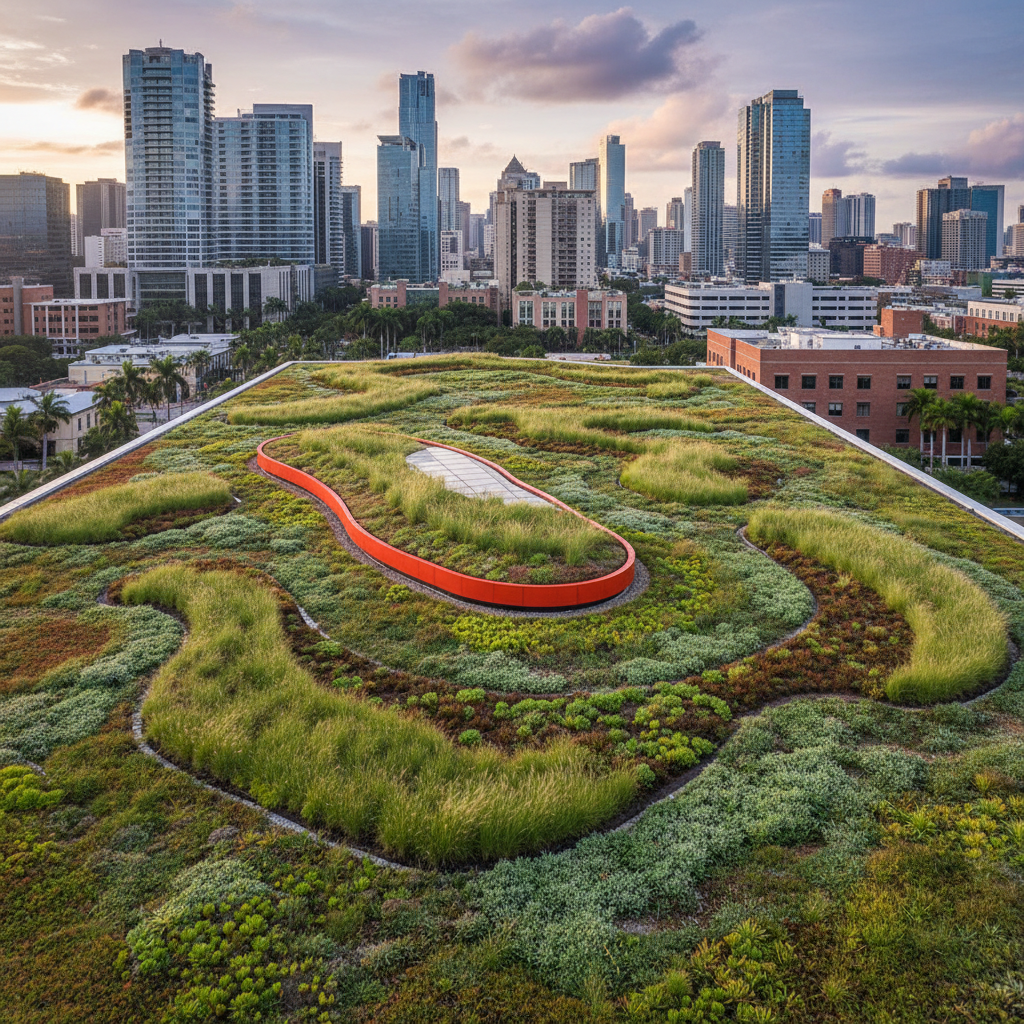
Intensive green roofs, often referred to as rooftop gardens Singapore, feature a deeper growing medium, usually 15 cm (6 inches) or more, and can be several meters deep. This depth allows for a wider variety of plant types and greater design flexibility, making them popular for public and recreational spaces.
Vegetation: Can support a diverse array of plant life, including shrubs, trees, perennials, and even small vegetable gardens. This allows for more complex landscaping and aesthetic designs.
Weight: Their deeper substrate results in a much higher saturated weight, typically ranging from 180 to 900 kg/m² (35 to 180 lbs/sq ft) or more. This necessitates robust structural support from the building.
Maintenance: Require regular maintenance, comparable to a ground-level garden, including watering, fertilizing, pruning, and pest control.
Application: Suited for new constructions or buildings with strengthened structural capacity. They often serve as amenity spaces, providing aesthetic appeal, recreational areas, and significant ecological benefits.
Semi-Intensive Green Roofs
As a hybrid, semi-intensive green roofs combine characteristics of both extensive and intensive systems. They typically have a medium growing depth (10-30 cm or 4-12 inches) and can support a broader range of plants than extensive roofs, yet demand less structural capacity and maintenance than intensive systems. They offer a balance between biodiversity, aesthetic appeal, and manageability.
Considerations for Green Roof Installation in Singapore
Installing a green roof Singapore project requires meticulous planning and execution, especially given the country's unique climate and stringent building regulations. Key considerations revolve around structural integrity, waterproofing, drainage, plant selection, and local compliance.
Structural Capacity Assessment
Before any installation, a thorough structural assessment of the existing roof is paramount. Green roofs, even extensive ones, add significant weight, particularly when the growing medium is saturated with water after rainfall. Engineers must calculate the live load and dead load capacities to ensure the building can safely support the additional weight without compromising its structural integrity. For intensive green roofs, substantial structural reinforcement might be necessary, influencing design and cost.
Waterproofing and Root Barrier
The most critical component of any green roof system is a robust waterproofing membrane and an effective root barrier. Singapore's heavy rainfall and high humidity necessitate superior waterproofing layers to prevent leaks and water damage to the building structure. The root barrier, installed above the waterproofing, is essential to protect the membrane from root penetration, which can cause leaks over time. High-quality, durable materials with proven resistance to root growth and UV radiation are crucial for longevity.
Drainage System Design
An efficient drainage system is vital for a green roof in a tropical climate. It prevents waterlogging of the growing medium, which can damage plant roots and add excessive weight to the structure. The system typically consists of a drainage layer (e.g., granular material, drainage mats) that directs excess water to roof drains. Proper slope design and adequate drainage outlets are essential to ensure rapid and effective water removal during heavy downpours.
Plant Selection for Tropical Climates
Choosing the right plant species is critical for the success and sustainability of a green roof in Singapore. Plants must be able to withstand high temperatures, intense sunlight, and heavy rainfall, as well as exhibit tolerance to drought during dry spells. Native or adapted species are often preferred for their resilience and ability to thrive in the local environment with minimal intervention. Examples include various sedums, selected grasses, and hardy tropical flora that can tolerate rooftop conditions. Considerations for biodiversity enhancement can also guide plant selection.
Local Regulations and Approvals
Singapore has specific building codes and regulations governing green roof installations, often overseen by agencies like the Building and Construction Authority (BCA) and the National Parks Board (NParks). These regulations cover aspects such as fire safety, structural integrity, stormwater management, and environmental impact. Obtaining the necessary permits and approvals is an essential part of the planning phase, ensuring compliance and the project's smooth progression. Engaging an experienced contractor familiar with these local requirements is highly recommended.
Maintenance for Green Roofs
Effective maintenance is crucial for the long-term health, aesthetic appeal, and functional performance of a green roof, particularly in Singapore's challenging climate. While extensive roofs are generally low-maintenance, even they require attention to ensure their longevity.
Irrigation and Water Management
Despite Singapore's high rainfall, periods of intense heat and dry spells can occur, necessitating supplemental irrigation, especially during the establishment phase of the plants. An efficient irrigation system, often drip or automated, ensures plants receive adequate moisture without overwatering, which can lead to root rot. Monitoring soil moisture levels is key to optimizing water usage.
Fertilisation and Soil Health
The growing medium on a green roof is a contained environment, and its nutrient levels need to be managed. Regular, but not excessive, fertilisation replenishes essential nutrients consumed by plants. Soil health checks help identify any deficiencies or imbalances. Using slow-release or organic fertilisers can support sustained plant growth and reduce nutrient runoff.
Weed and Pest Control
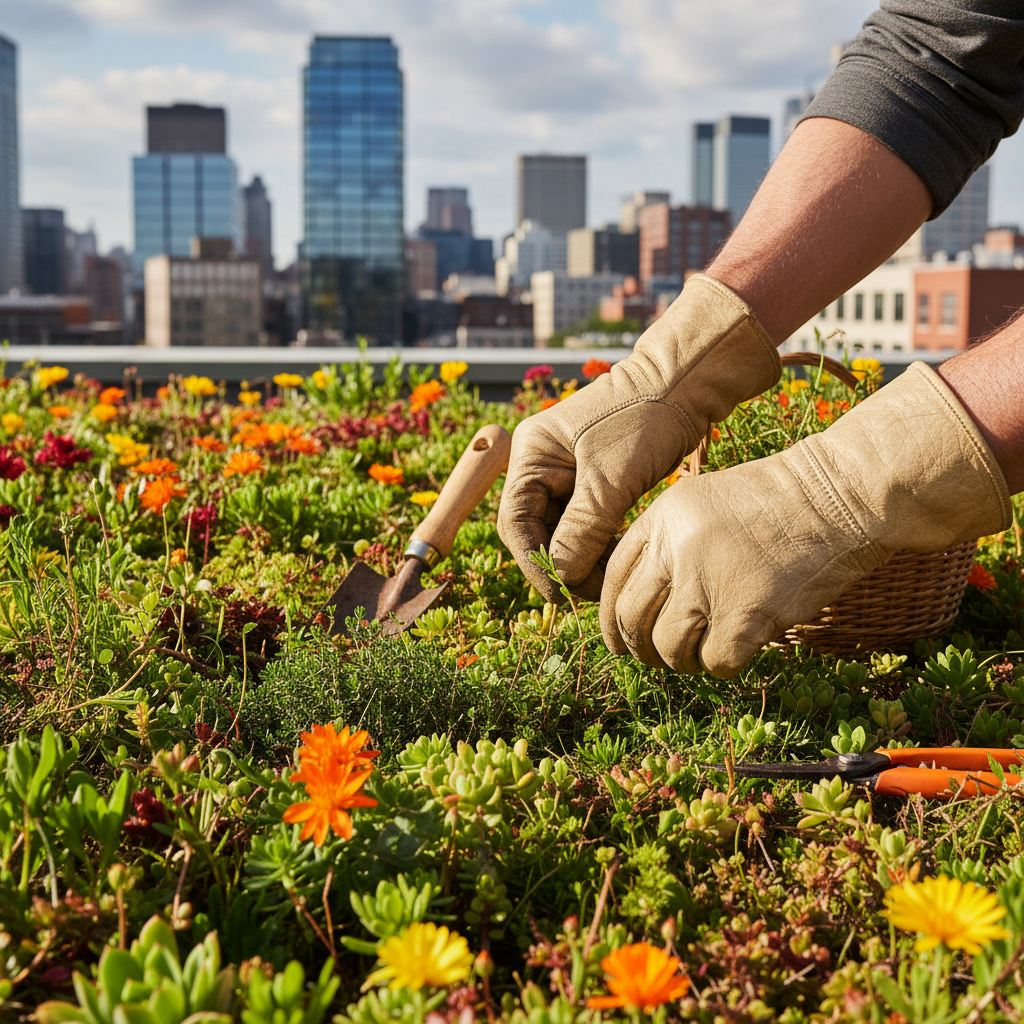
Unwanted weeds can compete with desired vegetation for resources, while pests can damage plants. Regular manual weeding is often preferred on green roofs to avoid chemical herbicides. Integrated Pest Management (IPM) strategies, focusing on biological controls and cultural practices, minimise the use of chemical pesticides, preserving the roof's ecological benefits.
Drainage System Checks
Regular inspection of the drainage outlets and channels is vital to ensure they remain clear of debris and are functioning effectively. Blocked drains can lead to water ponding, waterlogging, and potential structural issues. This is especially important in Singapore, where heavy rainfall can rapidly introduce leaves and other detritus.
Plant Health and Replacement
Regular visual inspections help identify stressed or diseased plants. Prompt replacement of dead or dying plants maintains the roof's coverage, prevents gaps where weeds can establish, and ensures the continuous delivery of ecological benefits. Pruning may also be necessary for intensive green roofs to maintain plant shape and vigour.
Key Insight: While the initial investment in a green roof can be significant, the long-term savings in energy consumption and reduced stormwater management fees, coupled with extended roof membrane life, often justify the expenditure. Proper maintenance protects this investment and maximises its return.
Amber Services: Your Green Roof Partner
Amber Services Pte Ltd, with over 30 years of experience in Singapore's building and roofing industry, is expertly positioned to design, install, and maintain eco-friendly roofing solutions, including comprehensive green roof systems. Our deep understanding of local climate challenges and building regulations ensures that your green roof project meets the highest standards of quality and sustainability.
We offer end-to-end services, from initial structural assessments and feasibility studies to material selection, expert installation, and ongoing maintenance plans. Our team works closely with clients to understand their specific needs, ensuring the chosen green roof system aligns with their aesthetic preferences, functional goals, and budget. Whether you envision an extensive low-maintenance system or a vibrant intensive rooftop garden, Amber Services provides tailored solutions that integrate seamlessly with your building.
Our Approach to Green Roof Projects
Our process ensures a meticulous and efficient green roof installation:
Consultation & Design: We begin with an in-depth consultation to assess your roof's suitability, discuss your vision, and understand your budget. Our experts then develop a customized design, including detailed plans for waterproofing, drainage, and plant selection.
Structural Analysis: In collaboration with certified structural engineers, we conduct a thorough analysis to confirm your building's capacity to support the green roof's load. Any necessary reinforcements are identified and planned.
Material Procurement: We source high-quality, durable materials for all layers, including waterproofing membranes, root barriers, drainage systems, and specialized growing media, all selected for resilience in Singapore's tropical environment.
Expert Installation: Our skilled technicians execute the installation with precision, adhering to industry best practices and local safety standards. We ensure every layer is perfectly installed to guarantee longevity and performance.
Planting & Establishment: We carefully select and plant vegetation best suited for your green roof type and the local climate. We provide guidance for the initial establishment phase to ensure plant survival and thriving growth.
Ongoing Maintenance: Amber Services offers comprehensive maintenance packages to keep your green roof in optimal condition, covering irrigation, fertilisation, weed and pest control, and drainage checks.
Funding and Grants for Green Roofs in Singapore
Singapore's government actively promotes green infrastructure, offering various funding and grants to encourage the adoption of green roofs across residential, commercial, and industrial properties. These schemes aim to accelerate the transformation of the urban landscape into a greener, more sustainable city.
Skyrise Greenery Programme (SGP)
The Skyrise Greenery Programme (SGP), administered by the National Parks Board (NParks), is a key initiative providing co-funding for the installation of green roofs and vertical greenery. The scheme offers monetary incentives to offset the costs associated with establishing these green features on existing and new buildings.
Eligibility: Typically open to building owners, developers, and management bodies in Singapore. Projects must meet specific criteria regarding plant coverage, system design, and positive environmental impact.
Funding Quantum: The grant quantum can cover a significant portion of the capital costs for green roof installation, often up to 50% for material and installation costs, with caps depending on the type and scale of the greenery. Specific details on current grant rates and maximum claimable amounts are regularly updated on the NParks website.
Application Process: Involves submitting a detailed proposal, including design plans, cost breakdowns, and projected environmental benefits, for evaluation by NParks.
BCA Green Mark Scheme
While not a direct grant for green roof installation, the BCA Green Mark Scheme by the Building and Construction Authority (BCA) is a renowned green building rating system that incentivizes sustainable design and construction. Buildings that incorporate green roofs can earn higher Green Mark ratings due to their contributions to energy efficiency, stormwater management, and biodiversity. A higher Green Mark rating can lead to other benefits, such as enhanced property value, lower operational costs, and eligibility for specific government incentives.
Relevance to Green Roofs: Green roofs contribute points under various categories in the Green Mark assessment, including energy performance, water efficiency, and environmental protection. For example, the thermal insulation properties of green roofs can help achieve energy efficiency targets.
Other Potential Incentives
As environmental policies evolve, other government agencies or local councils may introduce additional schemes or subsidies related to sustainable urban development. These might include property tax rebates for green-certified buildings or specific grants for innovative green technologies. Building owners interested in green roof projects should regularly check official government portals and consult with experienced contractors like Amber Services, who can advise on the latest available grants and assist with the application process.
Consultation: Engaging an experienced contractor early in the planning stage ensures that the green roof design is optimized to meet grant eligibility requirements and maximizes potential funding support.
Frequently Asked Questions
How long does a green roof last in Singapore's climate?
A well-designed and properly maintained green roof can last significantly longer than conventional roofs, often extending the life of the underlying waterproofing membrane to 40-60 years. The longevity depends heavily on the quality of materials, installation, and consistent maintenance, adapting to Singapore's high temperatures and humidity.
Can a green roof reduce my electricity bills?
Yes, a green roof can substantially reduce electricity bills, primarily by lowering the demand for air conditioning. The vegetation and growing medium act as natural insulation, reducing heat transfer into the building, which can lead to a 15-25% reduction in cooling costs, according to some studies in Singapore.
What plants are suitable for a green roof in Singapore?
Suitable plants for green roofs in Singapore include hardy, drought-tolerant species that can withstand high temperatures and intense sunlight. Sedums, some types of mosses and grasses, and specific tropical plants like Portulaca grandiflora or even native ferns are often good choices for extensive roofs. Intensive roofs allow for a wider variety, including shrubs and small trees.
Is green roof installation noisy or disruptive?
The green roof installation process can involve some noise and foot traffic on the roof, similar to a regular roofing project. However, reputable contractors like Amber Services prioritize minimizing disruption to occupants and surrounding areas, often scheduling work efficiently and adhering to local noise regulations.
What is the cost of installing a green roof in Singapore?
The cost of installing a green roof in Singapore varies widely depending on the type (extensive vs. intensive), size, plant selection, structural modifications required, and the complexity of the drainage and irrigation systems. While generally a higher upfront investment than a conventional roof, government grants like the Skyrise Greenery Programme can significantly offset these costs.
Do green roofs attract insects or pests?
Like any garden, a green roof can attract insects. However, a well-designed green roof that incorporates native plant species and promotes biodiversity often attracts beneficial insects that help maintain a balanced ecosystem, rather than becoming a nuisance. Pest management is part of routine maintenance plans.
How much weight does a green roof add to a building?
The weight added by a green roof depends on its type. An extensive green roof, with its shallow growing medium, typically adds 60-150 kg/m² when fully saturated. An intensive green roof, boasting deeper soil, can add 180-900+ kg/m² or more, necessitating a thorough structural capacity assessment before installation.
Conclusion
Green roofs are much more than aesthetic enhancements; they are robust sustainable roofing solutions offering tangible environmental, economic, and social benefits, particularly vital in Singapore's urban landscape. From mitigating the urban heat island effect and improving air quality to enhancing stormwater management and boosting biodiversity, the advantages are far-reaching. By carefully considering structural integrity, advanced waterproofing, and appropriate plant selection, a green roof Singapore project can transform underutilized spaces into vibrant ecosystems that contribute to the nation's "City in a Garden" vision. Partnering with experienced professionals ensures a high-quality installation and long-term performance, making a green roof a truly sound investment for a sustainable future.


Comments