

Skylight Installation Singapore: Brighten & Enhance Your Home
- eckent
- Jul 18
- 12 min read
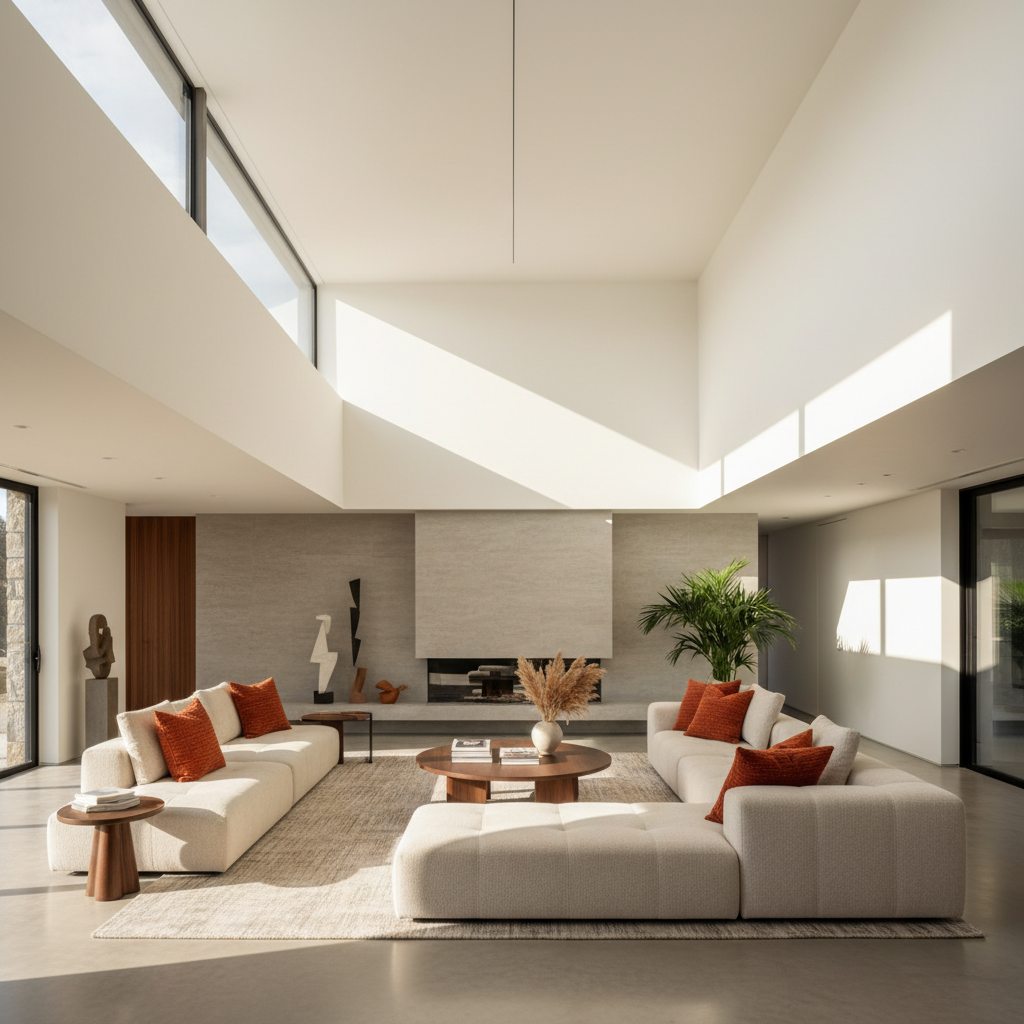
Skylight installation in Singapore offers a transformative way to brighten and enhance any home or commercial property, bringing in abundant natural light and improving aesthetics. These overhead windows not only illuminate interior spaces but also contribute to a more open and inviting atmosphere. Investing in a skylight can significantly boost both the comfort and value of your property.
Quick Answer:
Skylights introduce natural light, reducing reliance on artificial lighting and enhancing interior aesthetics.
They can improve ventilation, especially with operable models, and offer energy savings.
Various types exist, including fixed, vented, tubular, and electric models, each suiting different needs.
Key considerations for installation in Singapore include placement, sun exposure, and waterproofing.
Proper installation by experienced professionals ensures longevity, energy efficiency, and structural integrity.
Table of Contents
Benefits of Skylight Installation for Singaporean Homes
Skylight installation offers numerous benefits for homes in Singapore, from enhancing natural light to improving energy efficiency and boosting property value. By bringing daylight directly into internal spaces, skylights transform dim rooms into bright, welcoming areas without relying on artificial light sources. This contributes to both aesthetic appeal and practical functionality in Singapore's tropical climate.
One significant advantage is the reduction in electricity consumption. Natural light minimizes the need for electric lights during the day, leading to lower utility bills. Furthermore, certain types of skylights can improve natural ventilation, helping to dissipate heat and humidity, which is particularly useful in Singapore's warm climate.
Increased exposure to natural light has also been linked to improved mood and well-being. Studies have shown that daylight positively impacts occupant comfort and productivity. Strategically placed skylights can illuminate poorly lit areas like stairwells, bathrooms, or even converted attics, making them more functional and appealing. A 2023 survey by Straits Times Home estimated that properties with ample natural light could command up to a 10-15% higher resale value in prime Singaporean districts.
Types of Skylights Available in Singapore
Understanding the different types of skylights is crucial for selecting the best option for your home in Singapore. Each variant offers unique benefits in terms of light delivery, ventilation, and operational flexibility. The choice typically depends on the room's function, desired airflow, and budget.
Fixed Skylights: These are non-opening models designed solely to bring in natural light. They are the most common and often the most cost-effective solution, ideal for areas where ventilation is not a primary concern but abundant daylight is desired, such as living rooms or entryways. Fixed skylights provide a clear, unobstructed view of the sky.
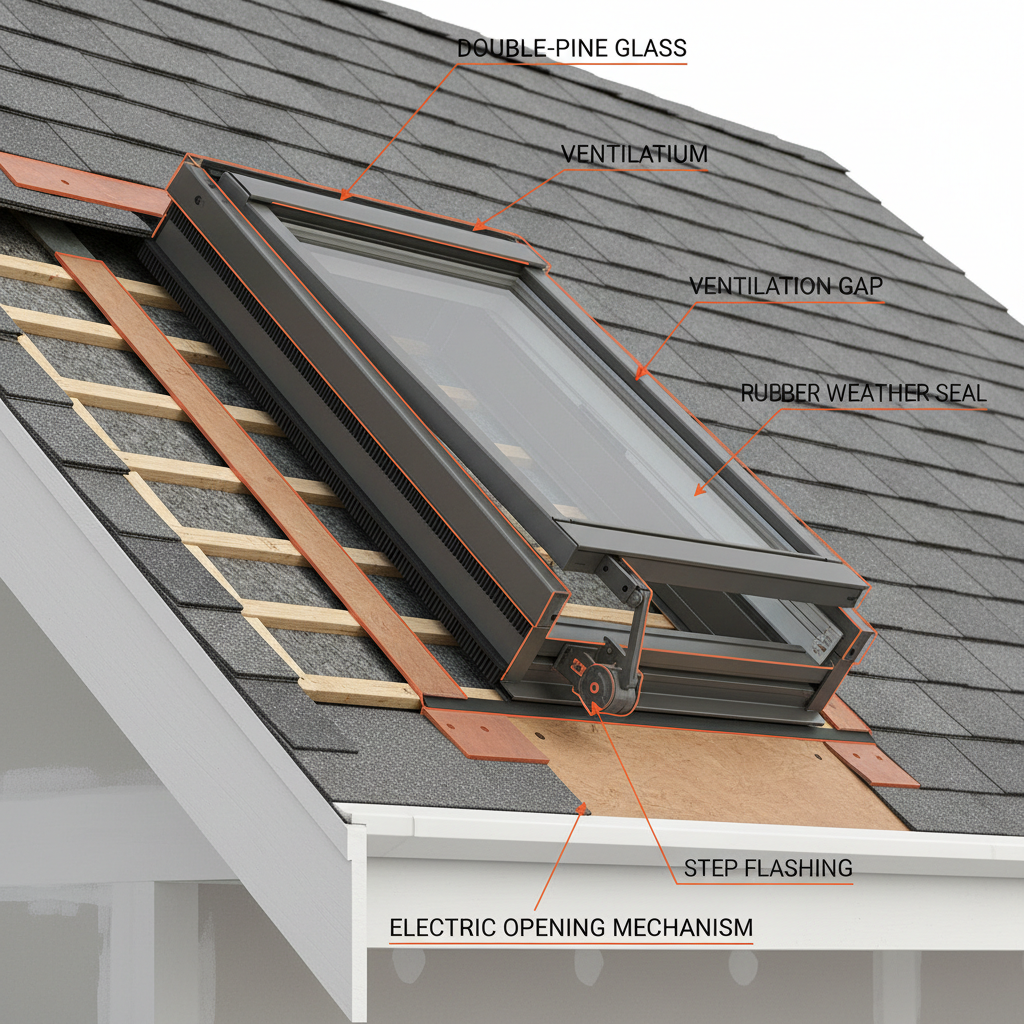
Vented Skylights (Manual or Electric): Also known as operable skylights, these can be opened to allow for fresh air and ventilation. Manual vented skylights are operated via a crank handle or pole, while electric vented skylights come with a remote control and can often integrate with smart home systems, offering convenience and potentially rain sensors that close them automatically. They are excellent for kitchens, bathrooms, or any space needing airflow to reduce heat or humidity.
Tubular Skylights (Sun Tunnels): These are compact and efficient, designed to channel natural light through a highly reflective tube from the roof down to a diffuser in the ceiling. They are perfect for illuminating small, interior spaces like hallways, walk-in wardrobes, or pantries where traditional skylights might be impractical due to space constraints or structural limitations. Tubular skylights are less invasive to install and generally more affordable.
Custom Skylights: For unique architectural designs or specific aesthetic requirements, custom-designed skylights can be fabricated. These can range from large multi-pane installations to uniquely shaped designs, offering unparalleled architectural impact and tailored lighting solutions. They typically require more complex planning and installation.
Key Insight: While fixed skylights offer a straightforward and budget-friendly way to introduce light, vented skylights provide the added advantage of crucial airflow, which is a significant asset in Singapore's humid climate for comfort and preventing mould.
Factors to Consider Before Skylight Installation in Singapore
Before proceeding with skylight installation in Singapore, several critical factors must be evaluated to ensure optimal performance, comfort, and longevity. These considerations are particularly important given Singapore's tropical climate, characterized by intense sun, high humidity, and heavy rainfall. Careful planning will prevent future issues and maximize the benefits of your new skylight.
Placement and Sun Exposure
The orientation and location of your skylight significantly impact the amount of light and heat gain it will provide. For east-facing roofs, skylights will capture strong morning sun, which can be pleasant but might lead to overheating later in the day. West-facing installations receive intense afternoon sun, potentially causing excessive heat gain and glare. North or south-facing placements, depending on your specific roof angle and surrounding structures, often offer more consistent and diffused light throughout the day, minimizing direct heat and glare. Consulting with an experienced installer can help optimize placement for your specific roof.
UV Radiation and Heat Control
Singapore's equatorial sun means high levels of UV radiation and considerable heat. Modern skylights are engineered with advanced glass technologies to mitigate these effects. Look for options with low-emissivity (Low-E) coatings, which reflect heat while allowing light to pass through. Laminated or tempered glass with UV filtering properties can block up to 99% of harmful UV rays, protecting furnishings from fading and reducing solar heat gain. Opting for tinted glass or integrated blinds/shades can further enhance heat and glare control.
Roof Structure and Architectural Considerations
The existing roof structure must be assessed to determine if it can safely support the skylight's weight and integrate without compromising structural integrity. This involves checking rafters, trusses, and roof pitch. For attic conversions in Singapore or extensive renovations, the skylight installation may involve more significant structural modifications. An architect or structural engineer may need to be consulted, especially for larger or custom skylight designs. Aesthetics also play a role; the skylight should complement your home's design and exterior.

Waterproofing and Leak Prevention
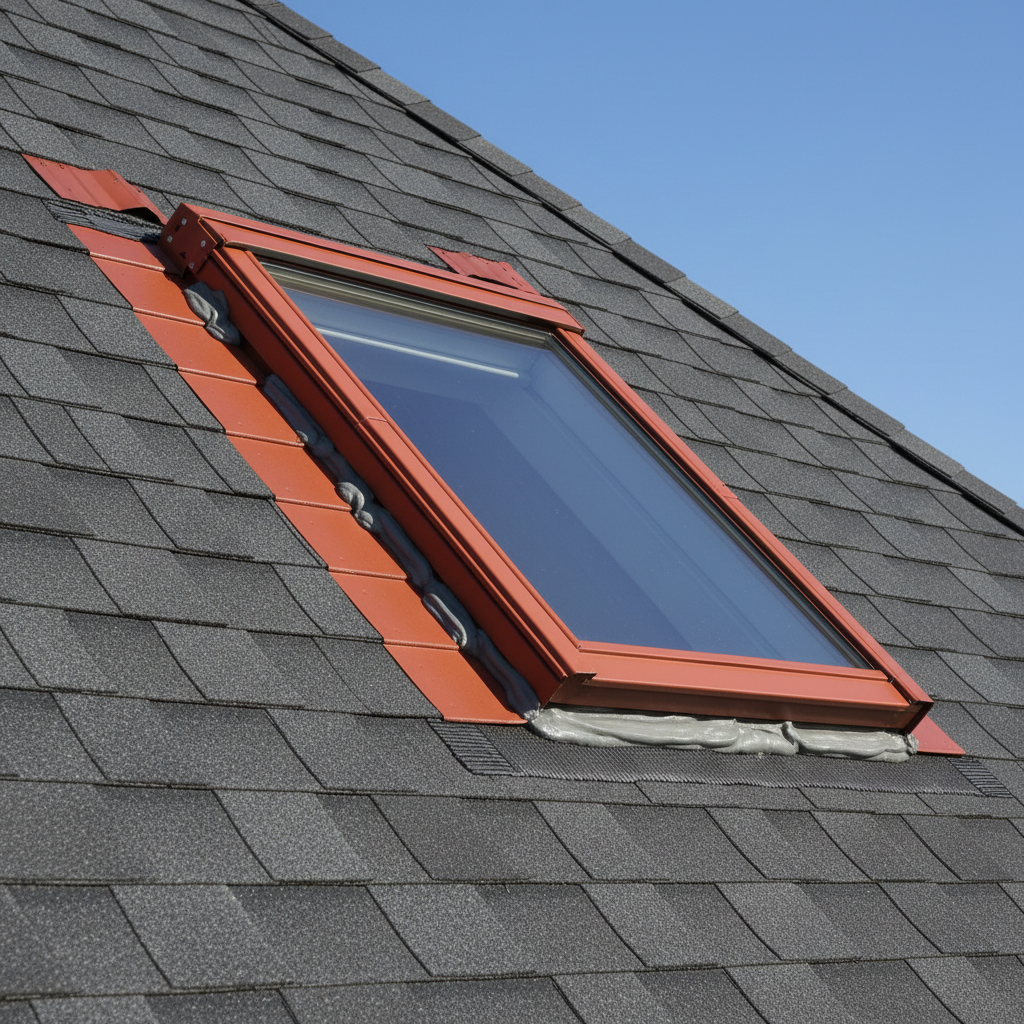
Given Singapore's frequent heavy rainfall, waterproofing is paramount. Poorly installed skylights are prone to leaks. Reputable installers use specialized flashing kits, sealants, and proper installation techniques to create a watertight seal between the skylight and the roof. Materials used must be durable and resistant to tropical weather conditions to prevent water ingress and potential damage to your home's interior. This is not an area to cut corners.
The Skylight Installation Process: What to Expect
A professional skylight installation process typically involves several key stages, from initial assessment to final seal, ensuring a secure and leak-proof addition to your home. Understanding these steps can help homeowners prepare and appreciate the expertise involved.
Initial Consultation and Site Assessment: The process begins with a detailed discussion of your lighting goals, followed by an on-site evaluation of your roof structure, internal space, and potential skylight locations. This helps determine the most suitable type and size of skylight.
Permit Acquisition (if required): Depending on the scope of work and local regulations in Singapore, permits from relevant authorities like the Building and Construction Authority (BCA) may be necessary. Your installer should guide you through this.
Opening the Roof: Carpenters carefully cut an opening in your roof decking and ceiling, framing it to the exact dimensions of the skylight. This step requires precision to ensure structural integrity.
Skylight Placement and Securing: The skylight unit is then carefully placed into the framed opening and securely fastened to the roof structure. Proper alignment is crucial for aesthetics and function.
Flashing and Waterproofing: This is a critical step, especially in Singapore's climate. Specialized flashing materials are installed around the skylight's perimeter, integrating with the roof's existing waterproofing system. This multi-layered approach prevents water penetration.
Interior Finishing: Inside the home, the opening is drywalled, plastered, and painted to seamlessly integrate the skylight into your ceiling. This includes adding any necessary light shafts or tunnels for tubular skylights.
Final Inspection: A thorough check ensures the skylight is properly sealed, functions as intended (for operable models), and meets all safety and quality standards.
Key Insight: The success of a skylight installation hinges on meticulous flashing and waterproofing. Opting for an installer experienced with Singapore's specific climatic challenges is crucial to avoid future leak issues.
Ensuring Waterproofing and Structural Integrity for Skylights
For any skylight installation in Singapore, guaranteeing waterproofing and maintaining structural integrity are non-negotiable aspects that ensure the longevity and safety of your investment. Given Singapore's heavy tropical downpours and year-round humidity, robust protection against water ingress is paramount.
Effective waterproofing relies on a combination of high-quality materials and expert installation techniques. The critical component is the flashing system, which creates a watertight barrier where the skylight meets the roof. Modern skylight manufacturers often provide integrated flashing kits designed for specific roof types (e.g., tile, metal, asphalt shingles) that work seamlessly with their products. These kits typically include stepped flashing, apron flashing, and head flashing, all overlapped in a specific sequence to shed water away from the opening.
In addition to flashing, sealants play a crucial role. High-grade, weather-resistant sealants are applied at various junctions to create an impenetrable barrier. These sealants must be flexible enough to accommodate thermal expansion and contraction without cracking. Professional installers also ensure that the roof's underlayment and vapour barrier are properly integrated around the skylight opening, forming a continuous protective layer.
From a structural perspective, a skylight's impact on your roof must be carefully managed. The roof rafters or trusses are typically cut to create the opening, requiring new headers and jack rafters to redistribute the load and maintain the roof's structural strength. This framing must be precisely engineered to support the weight of the skylight and any potential snow load (though not a concern in Singapore, it's good practice for structural design). Overlooking these structural considerations can lead to sagging roofs, cracks, or even collapses, highlighting the importance of engaging qualified skylight installers who understand local building codes and engineering principles.
Choosing the Right Skylight for Your Home's Aesthetic and Function
Selecting the appropriate skylight involves more than just picking a size; it requires matching the unit to your home's architectural style and meeting specific functional needs. A well-chosen skylight can significantly enhance both the interior ambiance and the exterior curb appeal of your property in Singapore.
Consider your home's architectural style. For contemporary homes, sleek, low-profile frameless skylights or large, multi-pane installations can complement modern lines. Traditional Malay or colonial-style homes might benefit from a more classic skylight with visible framing or a smaller, more discreet profile. The finish of the skylight frame (e.g., wood, PVC, aluminium) should also harmonize with your interior finishes and window frames.
Functionally, think about the primary purpose of the skylight. Is it purely for ambient light in a living area? Then a large, fixed skylight might be ideal. Do you need to vent steam and humidity from a bathroom or kitchen? An electric vented skylight with a rain sensor offers excellent functionality. For a small, dark corridor, a tubular skylight is an efficient and space-saving solution.
The size and number of skylights also matter. While more light is often desirable, excessive glazing can lead to heat gain and glare, especially in Singapore's climate. A single large skylight can make a strong statement, while several smaller ones can create a more balanced and diffused lighting effect. Discussing these options with an experienced designer or installer can help you visualize the potential impact and choose wisely.
Energy Efficiency and Smart Skylight Options
Maximizing energy efficiency and incorporating smart technology into your skylight installation in Singapore can lead to significant long-term benefits, from reduced electricity bills to enhanced comfort and control. With advancements in building technology, skylights are no longer just passive light sources.
For energy efficiency, focus on the U-factor and Solar Heat Gain Coefficient (SHGC) ratings. The U-factor measures how well a window prevents heat from escaping (or entering), with lower values indicating better insulation. The SHGC measures how much solar radiation passes through the glass; a lower SHGC is desirable in Singapore to minimize heat gain. Look for skylights with double or triple-pane glazing, inert gas fills (like argon), and Low-E coatings specifically designed for hot climates. These features work together to keep unwanted heat out while allowing light in, contributing to lower air-conditioning costs.
Smart skylight options offer unparalleled convenience and control. These include:
Integrated Blinds and Shades: Often remote-controlled or motorized, these allow you to instantly adjust light and glare. Some can even be programmed to open and close at specific times or in response to external conditions.
Rain Sensors: For operable skylights, rain sensors detect moisture and automatically close the skylight, protecting your interiors from unexpected downpours.
Smart Home Integration: Many modern electric skylights can be connected to home automation systems (e.g., Google Home, Amazon Alexa), allowing voice control or integration into broader smart home routines for lighting and climate management.
Automated Ventilation: Smart vented skylights can be programmed to open during cooler parts of the day to purge hot air, improving natural airflow and refreshing the interior air.
Utilizing energy-efficient and smart skylights reduces your carbon footprint and provides a comfortable, convenient living environment tailored to Singapore's tropical conditions.
Maintenance Tips for Your New Skylight
Proper maintenance is essential to ensure your new skylight in Singapore continues to perform optimally and remains leak-free for years to come. Regular care can extend its lifespan, preserve its clarity, and prevent costly repairs.
Routine Cleaning: Clean the exterior glass of your skylight every 6-12 months, or more frequently if it's exposed to heavy dust or foliage. Use mild soap and water with a soft brush or squeegee, similar to window cleaning. For interior cleaning, a standard glass cleaner is usually sufficient. Avoid abrasive cleaners or tools that could scratch the glass or frame.
Inspection for Debris: Regularly check the area around your skylight for accumulated leaves, twigs, or other debris, especially after heavy winds or storms. Debris can block water drainage channels, leading to water pooling and potential leaks. Gently remove any obstructions.
Check Flashings and Sealants: Annually inspect the metal flashing around the skylight and any visible sealants for cracks, discolouration, or signs of wear. If you notice any deterioration, contact a professional to re-seal or repair the flashing promptly to prevent water ingress.
Operable Skylight Mechanisms: For vented skylights, periodically check the opening and closing mechanisms (hinges, cranks, motors). Lubricate moving parts if recommended by the manufacturer. Ensure rain sensors are clear of obstructions and functioning correctly.
Interior Frame and Condensation: In Singapore's humid climate, occasional condensation on the interior glass can occur. While isolated condensation is normal, excessive or persistent condensation might indicate an issue with insulation or ventilation. Ensure your interior finishes around the skylight are dry and free of mould.
By following these simple maintenance tips, your skylight will continue to deliver natural light and enhance your home's comfort and beauty effectively.
Why Choose Professional Skylight Installers in Singapore
Opting for professional skylight installers in Singapore is a critical decision that directly impacts the safety, performance, and longevity of your investment. While DIY installations might seem cost-effective initially, the complexities of roof work, structural integration, and meticulous waterproofing necessitate expert knowledge and specialized tools.
Experienced professionals bring a wealth of expertise in navigating the nuances of skylight installation in Singapore. They understand the local climate challenges – heavy rainfall, intense solar radiation, and high humidity – and know how to select appropriate materials and apply techniques that ensure watertight seals and robust performance. A reputable installer will be well-versed in Singapore's building codes and regulations, ensuring your installation is compliant and safe.
Furthermore, professional installers carry the necessary insurance and offer warranties on their workmanship, providing peace of mind. In the unlikely event of an issue, you have recourse and assurance that the problem will be addressed. They also have access to a wider range of high-quality skylight products and flashing systems, often at better prices, ensuring you get the best solution for your property.
Amber Services Pte Ltd, for example, brings over 30 years of experience in roofing and building contracting in Singapore. Their long-standing presence demonstrates their understanding of local conditions and commitment to quality. Engaging such an established contractor ensures that your skylight installation is handled by a team that prioritizes structural integrity, waterproofing, and customer satisfaction, delivering a brightening solution that stands the test of time.
Frequently Asked Questions
How long does skylight installation typically take in Singapore?
The duration of skylight installation in Singapore can vary. A standard fixed or vented skylight in an existing roof typically takes 1-2 days. More complex installations, such as those requiring significant structural modification or custom designs, may take 3-5 days or longer.
Do skylights cause homes to become too hot in Singapore's climate?
Modern skylights are designed with advanced features like Low-E coatings, double glazing, and inert gas fills to minimize heat gain. When properly selected and installed, they can effectively block solar heat while still allowing natural light, preventing rooms from becoming excessively hot.
Are skylights prone to leaks during heavy Singaporean rains?
When installed by experienced professionals using high-quality flashing systems and sealants, skylights are highly resistant to leaks. Leaks are almost always a result of improper installation or neglected maintenance, not an inherent flaw in the skylight unit itself.
Can skylights be installed on any type of roof in Singapore?
Most skylights can be installed on various roof types, including tile, metal, and concrete flat roofs, provided the roof pitch meets the manufacturer's recommendations. However, the specific installation method and flashing system will vary based on the roof material and structure.
How much does skylight installation cost in Singapore?
The cost of skylight installation in Singapore varies widely based on the type, size, brand, and complexity of the installation. A small tubular skylight might start from a few hundred Singapore dollars, while a large, electric vented skylight with smart features could run into several thousands. Professional consultation can provide an accurate quote.
What is the lifespan of a typical skylight in Singapore?
A well-maintained, high quality skylight typically has a lifespan of 20-30 years in Singapore's climate. The glazing itself often lasts longer, but the seals, flashing, and operating mechanisms may require attention or replacement sooner.
Can skylights help with ventilation in a humid climate like Singapore?
Yes, vented skylights are excellent for improving ventilation. By opening, they allow hot, humid air to escape through the roof, creating a "stack effect" that draws cooler air in through lower windows, effectively reducing indoor temperature and humidity.
Conclusion
Skylight installation in Singapore offers a remarkable opportunity to transform your living or working environment, filling spaces with invigorating natural light and potentially reducing energy costs. By understanding the diverse types available, considering crucial factors like placement and heat control, and entrusting the installation to seasoned professionals, homeowners can unlock a brighter, more comfortable, and energy-efficient property. Investing in a quality skylight is a smart choice that enhances both aesthetic appeal and long-term value, making your home a naturally brighter place to live and thrive.


Comments