

Flat Roof Waterproofing Singapore: Best Practices for Durability
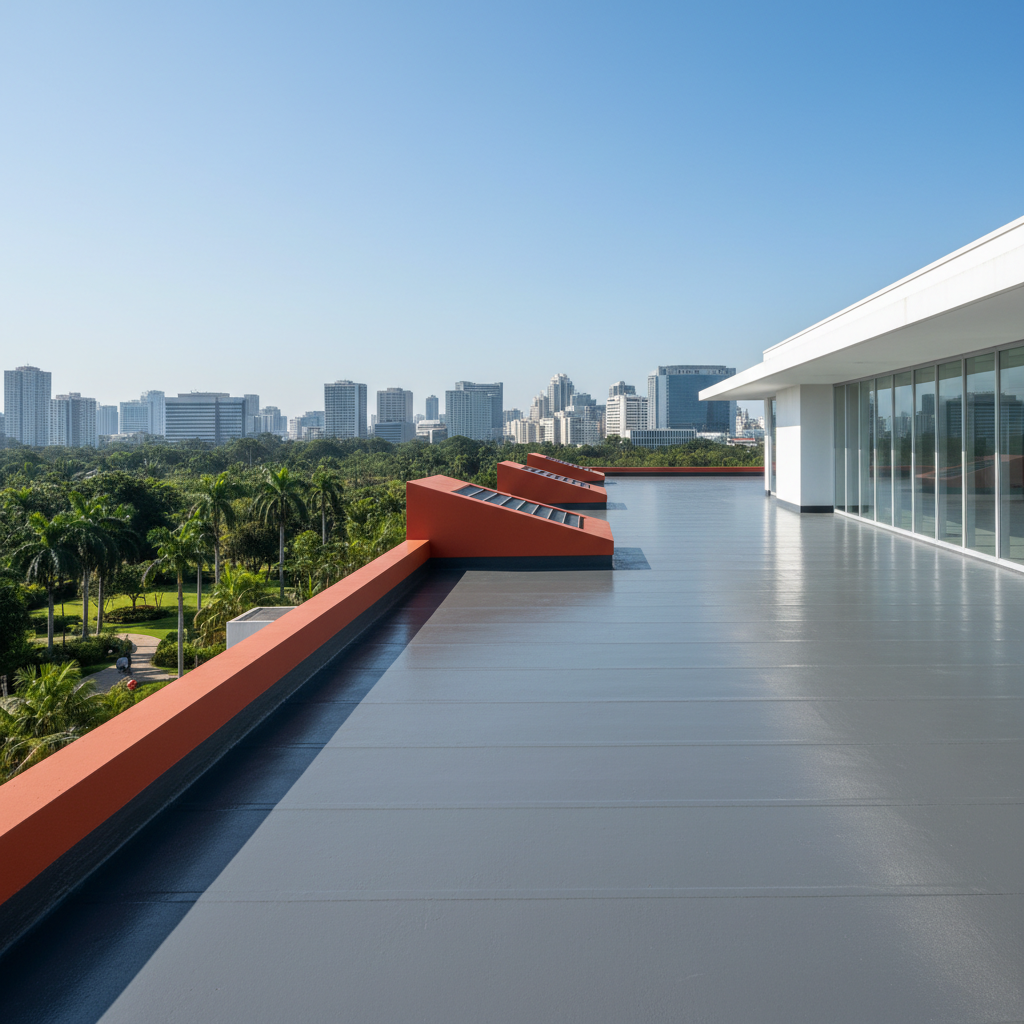
Flat roof waterproofing in Singapore is crucial for protecting properties from the relentless tropical climate, marked by high humidity and frequent heavy rainfall. Effective waterproofing prevents leaks, structural damage, and costly repairs, ensuring the longevity and integrity of residential, commercial, and industrial buildings.
Quick Answer:
Flat roofs in Singapore necessitate robust waterproofing due to extreme weather.
Common challenges include thermal expansion, UV degradation, and ponding water.
Key systems include APP modified bitumen, TPO membranes, and liquid-applied coatings.
Proper surface preparation is vital for system adhesion and performance.
Regular maintenance and timely repairs extend the lifespan of waterproofing.
Table of Contents
Why Flat Roof Waterproofing is Essential in Singapore's Climate
Flat roof waterproofing is essential in Singapore due to the region's equatorial climate, which exposes roofs to intense solar radiation, high humidity, and heavy monsoon rains. Without effective waterproofing, flat roofs are highly susceptible to water ingress, leading to a host of problems including structural damage, mould growth, and compromised indoor air quality. Protecting a building's envelope from moisture is crucial for maintaining property value and occupant comfort.
Singapore experiences an average of 2,342 mm of rainfall annually, with monthly averages ranging from 150 mm to over 250 mm during the monsoon seasons. This consistent exposure to moisture places significant stress on roofing systems. Furthermore, high ambient temperatures, often exceeding 30 degrees Celsius, cause materials to expand and contract, which can lead to cracks and breaches in poorly applied or maintained waterproofing layers.
Common Flat Roof Waterproofing Challenges in Singapore
Flat roofs in Singapore face several unique challenges that can compromise their waterproofing integrity. These challenges often stem from the tropical climate and specific architectural considerations.
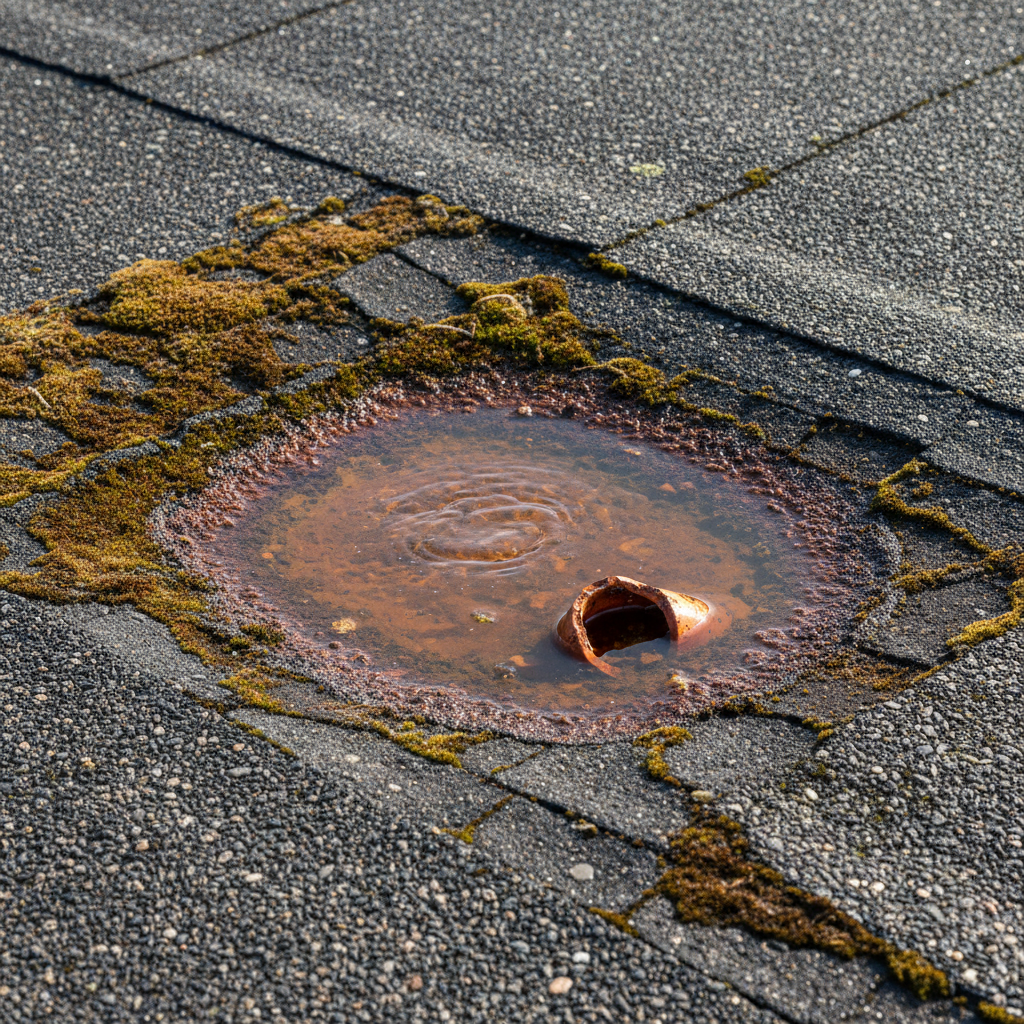
Ponding Water: Flat roofs, by design, have minimal slope for drainage. Inadequate drainage systems or structural settlement can lead to ponding water, where water collects in depressions. This standing water accelerates material degradation and increases the hydrostatic pressure on the waterproofing membrane, making it more prone to failure over time.
UV Degradation: The intense ultraviolet (UV) radiation from the Singaporean sun can significantly degrade many waterproofing materials. Over extended periods, UV rays can cause materials to become brittle, crack, or lose their elasticity, reducing their effectiveness.
Thermal Cycling: The significant temperature fluctuations between day and night, coupled with the high heat absorption of dark-coloured flat roofs, cause constant expansion and contraction of roofing materials. This thermal cycling puts immense stress on seams, joints, and the waterproofing membrane itself, often leading to fatigue cracks.
Vegetation Growth: In Singapore's humid climate, moss, algae, and even small plants can take root in accumulated dirt and debris on a flat roof. Their root systems can penetrate waterproofing layers, causing leaks and structural damage.
Penetrations and Detailing: Flat roofs often feature numerous penetrations for air conditioning units, vents, skylights, and pipework. These areas are notoriously difficult to waterproof effectively, and improper detailing around them is a common source of leaks.
Key Insight: Many flat roof issues in Singapore can be traced back to a combination of climate-induced stresses and initial installation shortcuts. Addressing these root causes through robust materials and meticulous application is more cost-effective than repeated patch repairs.
Types of Flat Roof Waterproofing Systems: A Comparative Look
Choosing the right waterproofing system is critical for a flat roof in Singapore, directly impacting its longevity and performance. Various systems offer different benefits and are suited for specific applications.
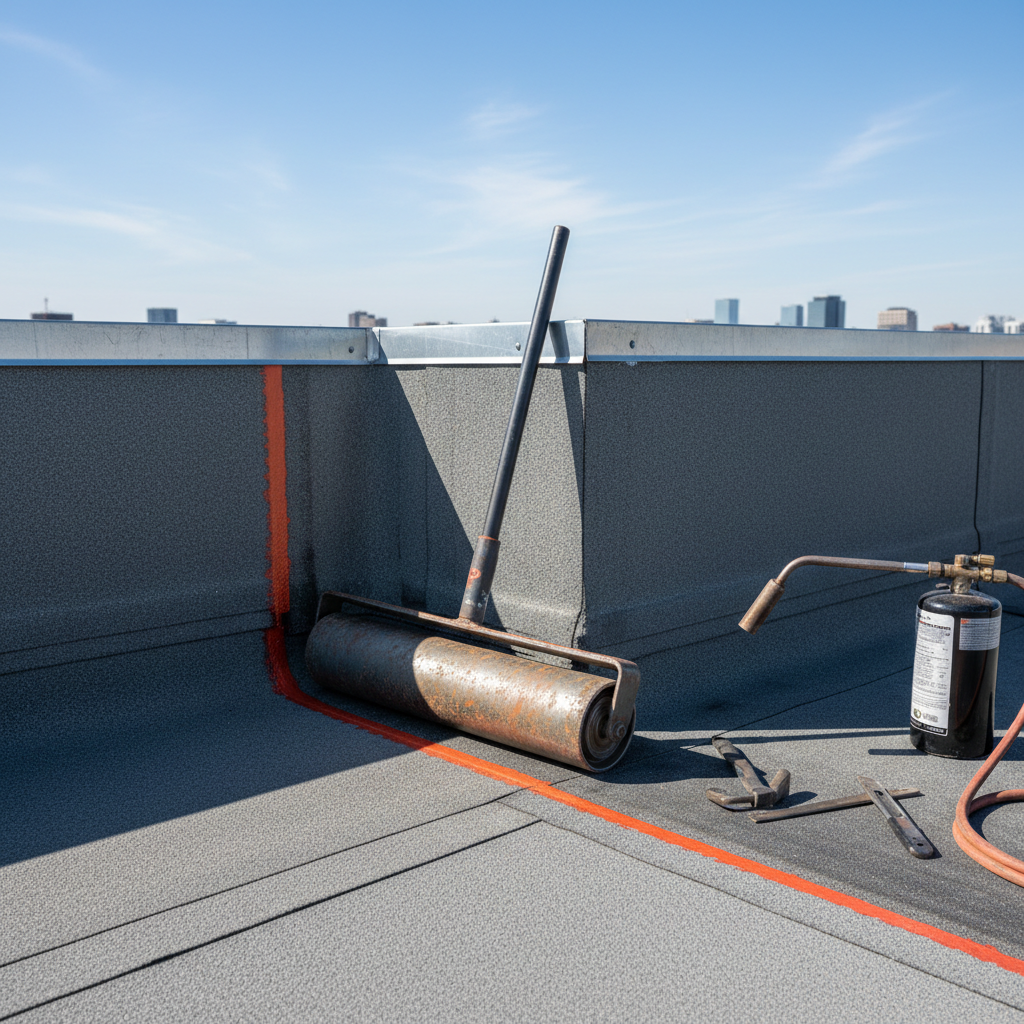
Torch-Applied Modified Bitumen Membranes (APP/SBS): These are traditional and highly durable systems, often composed of Atactic Polypropylene (APP) or Styrene-Butadiene-Styrene (SBS) modified asphalt. They are applied using a torch to melt the underside of the membrane, fusing it to the substrate.
Pros: Excellent tensile strength, good puncture resistance, proven long-term performance, and relatively resistant to UV.
Cons: Requires open flame during installation (safety concerns), less flexible at very low temperatures (though less an issue in Singapore's climate), and seams are critical failure points if not installed correctly.
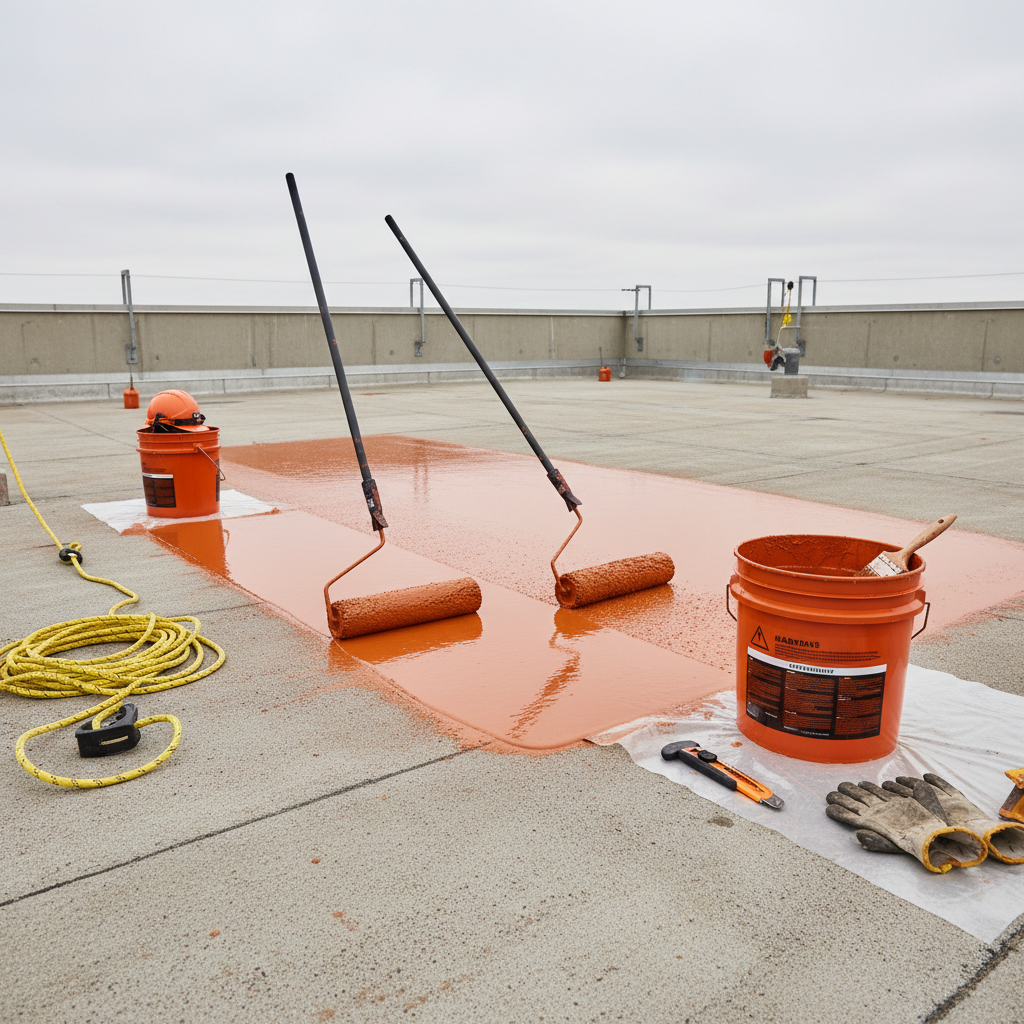
Liquid-Applied Waterproofing Membranes: These are seamless coatings, typically polyurethane, acrylic, or cementitious, that are rolled, sprayed, or brushed onto the roof surface. They cure to form an elastic, monolithic membrane.
Pros: Seamless application eliminates seam failures, highly flexible, conforms to irregular shapes, excellent for detailing around penetrations.
Cons: Curing time depends on weather conditions, requires very clean and dry substrate, thickness consistency can vary, and some types have lower puncture resistance than sheet membranes.
Thermoplastic Polyolefin (TPO) Membranes: TPO is a single-ply, heat-weldable roofing membrane known for its durability and energy efficiency. It is typically mechanically fastened or fully adhered to the roof deck.
Pros: Highly reflective (reducing heat gain), excellent UV resistance, heat-welded seams are very strong, recyclable.
Cons: Can be more expensive, requires specialized equipment and trained installers for heat welding.
Ethylene Propylene Diene Monomer (EPDM) Rubber Membranes: EPDM is a synthetic rubber roofing membrane widely used in low-slope applications. It is known for its durability, flexibility, and resistance to weather.
Pros: Extremely durable, highly flexible even in temperature extremes, excellent UV and ozone resistance, easy to repair.
Cons: Dark colour can absorb more heat (unless a white version is used), seams are typically glued and can be failure points if not done meticulously.
Comparative Table of Flat Roof Waterproofing Systems
Preparation is Key: Surface Requirements for Effective Waterproofing
Proper surface preparation is arguably the most critical step in ensuring the longevity and effectiveness of any flat roof waterproofing system. Neglecting this phase can lead to premature failure, regardless of the quality of the waterproofing material.
Cleaning: The roof surface must be meticulously cleaned of all dirt, dust, debris, oils, grease, and loose materials. This often involves power washing, sweeping, and vacuuming. Any organic growth like moss or mildew must be completely removed and treated to prevent recurrence.
Repairs to Substrate: The existing roof deck or concrete slab must be sound, stable, and free from structural defects. All cracks, spalling, and weak joints need to be repaired using appropriate patching compounds or cementitious mortars. Ponding areas should be remediated by adding screed to create minimum 1:80 falls towards drainage points.
Moisture Assessment: The substrate must be completely dry before application, especially for liquid-applied systems. Moisture content should be checked using a moisture meter. Trapped moisture can lead to blistering, delamination, and adhesion failure.
Priming: A suitable primer must be applied to the prepared surface. The primer enhances adhesion between the substrate and the waterproofing membrane, creating a strong bond. The type of primer depends on both the substrate and the chosen waterproofing system.
Detailing and Fillet Coves: All internal and external corners, penetrations (pipes, vents), and parapet wall junctions must be properly detailed. Creating fillet coves (a rounded transition at 90-degree angles) with a suitable mortar facilitates a smooth application of the membrane and prevents stress concentration at sharp corners.
Key Insight: A common cause of waterproofing failure is poor adhesion due to an uncleaned or unprimed substrate. Investing time and resources in thorough preparation is non-negotiable for a durable flat roof waterproofing solution.
Installation Best Practices for Lasting Protection
Even with the best materials and meticulous preparation, improper installation techniques can compromise a flat roof waterproofing system. Adhering to industry best practices ensures the system performs as intended for its full lifespan.
Qualified Personnel: Only trained and certified waterproofing specialists should undertake the installation. Experience with specific materials and awareness of local building codes in Singapore are paramount.
Manufacturer Specifications: Always follow the waterproofing material manufacturer's guidelines precisely, including coverage rates, curing times, layering requirements, and specific application methods.
Weather Conditions: Install during suitable weather. Avoid applying materials during heavy rain, high winds, or when temperatures are outside the manufacturer's recommended range. High humidity can affect drying/curing times.
Overlap and Seam Integrity: For sheet membranes (like APP or TPO), correct overlap distances and strong, continuous seam welding or bonding are critical. Seams are the most vulnerable points; proper technique prevents water penetration.
Flashing and Detailing: Pay exceptional attention to flashing details around parapet walls, skylights, drains, and other penetrations. These areas require reinforcement and seamless integration with the main membrane to prevent leaks.
Edge Termination: Ensure that the waterproofing membrane is properly terminated and sealed at all edges, extending up parapet walls to prevent water ingress from the sides or above.
Quality Control: Conduct interim inspections during installation to verify proper adhesion, thickness, and coverage. A final inspection, often including a flood test (for a minimum of 24-48 hours), is essential to confirm watertightness before further finishes are applied.
Maintenance Tips for Your Waterproofed Flat Roof
Regular maintenance is crucial for extending the lifespan of your flat roof waterproofing in Singapore and preventing minor issues from escalating into costly repairs. A proactive approach saves money in the long run.
Routine Inspections: Conduct visual inspections at least twice a year, ideally before and after the monsoon seasons. Look for signs of wear, cracks, blisters, ponding water, debris accumulation, and signs of vegetation growth. Pay close attention to seams, flashings, and around penetrations.
Clear Drainage Systems: Regularly clear gutters, downspouts, and roof drains of leaves, dirt, and other debris. Blocked drains can lead to ponding water, which severely stresses waterproofing membranes.
Remove Debris and Vegetation: Promptly remove any accumulated leaves, branches, dirt, or rubbish from the roof surface. Address any moss, algae, or plant growth immediately, as their roots can compromise the waterproofing layer.
Address Ponding Water: If ponding persists after clearing drains, investigate the cause. It might indicate structural settlement or an inadequate slope. Addressing ponding proactively can prevent premature membrane failure.
Minor Repairs: Attend to small cracks, tears, or blisters as soon as they are identified. Patching minor damage early can prevent water from exploiting small breaches and causing widespread damage.
Professional Check-ups: Consider engaging a professional roofing contractor like Amber Services for an annual or biennial comprehensive inspection. They can identify subtle issues that might be missed during a visual check and offer expert advice.
Signs You Need Flat Roof Waterproofing Repair
Identifying the signs of waterproofing failure early can prevent extensive damage to your property. Be vigilant for these indicators that your flat roof waterproofing in Singapore may require repair or replacement:
Water Stains on Ceilings and Walls: The most obvious sign of a roof leak is discoloured patches on interior ceilings or walls, often accompanied by a musty odour. These indicate water has penetrated the roof structure.
Peeling Paint or Wallpaper: Persistent moisture can cause paint to peel, wallpaper to bubble, or plaster to crumble on interior surfaces directly below the flat roof.
Mould and Mildew Growth: The presence of mould or mildew indoors, especially in upper levels, points to consistent moisture intrusion from above.
Sagging Ceilings: If ceilings appear to be sagging or bulging, it could indicate water accumulation in the roof or ceiling cavity, posing a structural risk.
Visible Cracks or Blisters on the Roof Surface: Inspect the roof itself. Cracks, splits, tears, or large blisters in the waterproofing membrane are clear signs of degradation or damage.
Ponding Water That Doesn't Drain: While some ponding may occur on flat roofs, water that remains for more than 48 hours after rain indicates a drainage issue or structural depression, leading to accelerated material breakdown.
Loose or Compromised Flashings: Flashings around chimneys, vents, and parapet walls are critical. If they appear loose, cracked, or are pulling away, water can easily enter.
Increased Energy Bills: Waterlogged insulation within the roof assembly loses its thermal resistance, leading to higher energy consumption for cooling.

Choosing the Right Contractor for Flat Roof Waterproofing Singapore
Selecting a reputable and experienced contractor is paramount for successful flat roof waterproofing in Singapore. The quality of workmanship directly impacts the effectiveness and lifespan of the entire system.
Experience and Specialisation: Look for contractors with extensive experience specifically in flat roof waterproofing, particularly in Singapore's climate. A company with over 30 years in the industry, like Amber Services, demonstrates deep expertise.
Accreditation and Licenses: Ensure the contractor is properly licensed and accredited by relevant Singaporean authorities. This indicates they meet industry standards and regulatory requirements.
Proven Track Record: Request case studies, references, or a portfolio of completed flat roof waterproofing projects, especially for commercial and industrial properties similar to yours.
Material Knowledge: A good contractor will be knowledgeable about various waterproofing systems (APP, TPO, liquid-applied) and can recommend the most appropriate solution given your roof's specific conditions, budget, and long-term goals.
Comprehensive Quotation: The quotation should be detailed, transparent, and itemise all costs, including materials, labour, surface preparation, disposal, warranty information, and any potential hidden charges.
Warranty and After-Sales Support: Enquire about the warranty period for both materials and workmanship. A reliable contractor stands behind their work and offers support post-installation.
Safety Standards: Verify that the contractor adheres to strict safety protocols and has appropriate insurance coverage, especially for working at height.
Communication and Professionalism: Choose a contractor who communicates clearly, responds promptly, and conducts themselves professionally throughout the process, from initial consultation to project completion.
Frequently Asked Questions
What is the average lifespan of a flat roof waterproofing system in Singapore?
The lifespan of a flat roof waterproofing system in Singapore typically ranges from 10 to 25 years, depending on the material used, quality of installation, and regular maintenance. High-performance membranes like TPO or multi-layer modified bitumen can last longer than single-coat liquid systems.
Can existing flat roofs be waterproofed without full replacement?
Yes, in many cases, existing flat roofs can be effectively waterproofed without a full replacement. This often involves cleaning, repairing the existing substrate, and then applying a new waterproofing membrane or liquid coating over the prepared surface. However, if the underlying structure is severely damaged, a complete re-roofing might be necessary.
How much does flat roof waterproofing cost in Singapore?
The cost of flat roof waterproofing in Singapore varies significantly based on factors such as the roof size, chosen waterproofing system (e.g., modified bitumen, liquid-applied, TPO), complexity of detailing, and extent of surface preparation required. It's best to obtain multiple detailed quotations from reputable contractors.
Is a flood test necessary after waterproofing?
A flood test is highly recommended, and often mandatory for new installations or major repairs, for flat roof waterproofing in Singapore. It involves pooling water on the waterproofed surface for 24-48 hours to identify any potential leaks or breaches before finishes are applied, ensuring the system's integrity.
What are the key differences between APP and SBS modified bitumen membranes?
APP (Atactic Polypropylene) modified bitumen membranes exhibit higher resistance to UV and heat ageing, making them stiffer and more durable in hot climates. SBS (Styrene-Butadiene-Styrene) modified bitumen membranes are more flexible and have better low-temperature performance, which is less critical in Singapore but offers superior elasticity. Both are durable but APP is generally preferred for flat roofs exposed to intense sun.
How does humidity affect waterproofing installation?
High humidity in Singapore can affect the curing time of certain liquid-applied waterproofing membranes, potentially extending the time before the next coat can be applied or before the roof can handle foot traffic. Contractors must account for humidity to ensure proper curing and adhesion.
Conclusion
Effective flat roof waterproofing in Singapore is not merely about preventing leaks; it's about safeguarding the long-term structural integrity, energy efficiency, and value of your property in a demanding tropical environment. By understanding the common challenges, choosing the right system, adhering to rigorous preparation and installation best practices, and committing to regular maintenance, flat roofs can provide decades of reliable protection. Collaborating with an experienced and reputable contractor for flat roof waterproofing Singapore, like Amber Services, is crucial to ensuring a durable and successful outcome, securing your investment against the elements.


Comments