

Advanced Waterproofing Systems for Singapore Roofs: A Deep Dive
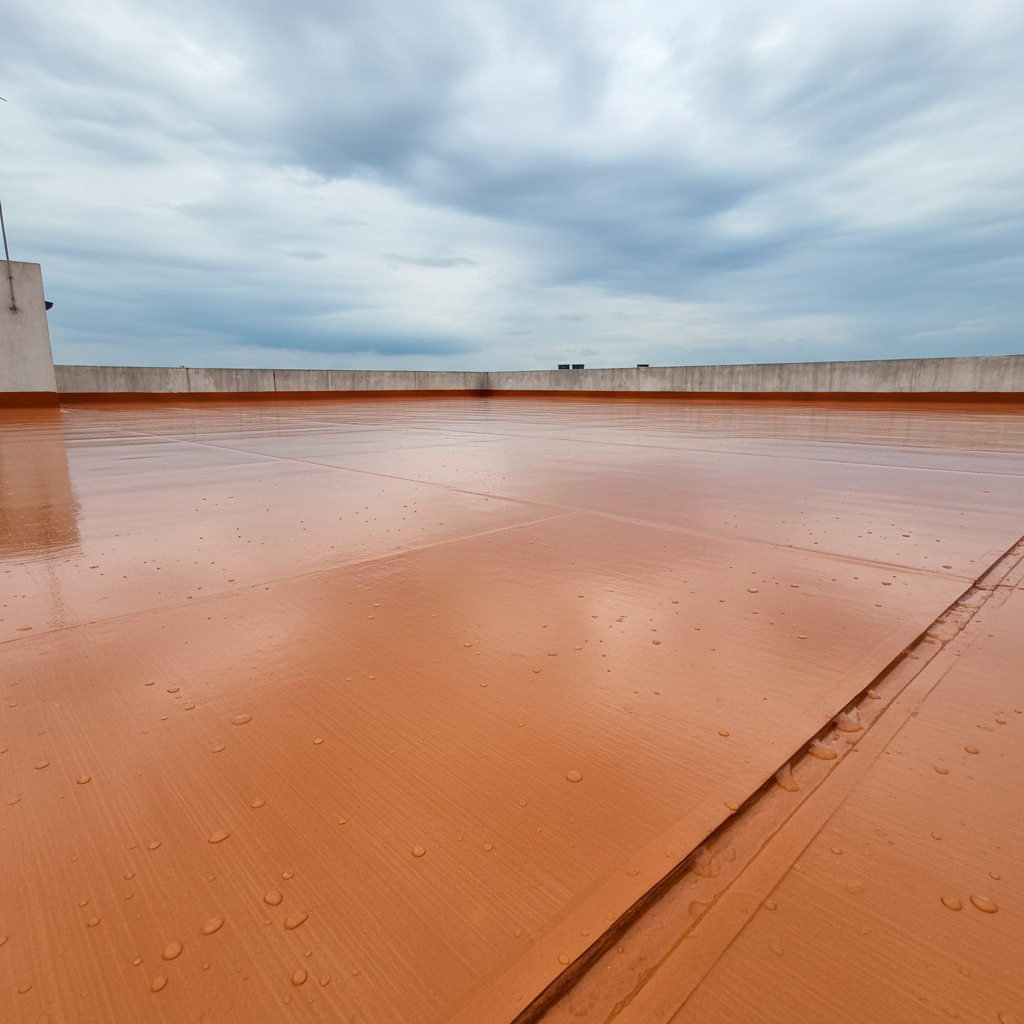
Advanced waterproofing systems in Singapore are essential for protecting properties from the region's intense rainfall and high humidity, offering superior leak prevention and extended durability compared to conventional methods. These innovative solutions safeguard residential, commercial, and industrial buildings against moisture damage, a critical concern in a tropical climate.
Quick Answer:
Advanced waterproofing systems use cutting-edge materials and techniques for superior leak protection.
They are crucial in Singapore's tropical climate, resisting heavy rainfall and humidity.
Key technologies include liquid applied membranes, TPO, EPDM, and polyurethane systems.
These systems offer enhanced durability, energy efficiency, and lower lifecycle costs.
Proper selection and expert installation are vital for optimal performance and longevity.
Table of Contents
What Makes Advanced Waterproofing Crucial for Singapore's Climate?
How Do Liquid Applied Waterproofing Membranes Offer Superior Protection?
What are the Advantages of TPO Roofing Systems in Singapore?
How Does Polyurethane Waterproofing Enhance Roof Durability?
What Are the Long-Term Benefits of Advanced Waterproofing Solutions?
What Makes Advanced Waterproofing Crucial for Singapore's Climate?
Advanced waterproofing is crucial for Singapore's climate because the nation experiences heavy, frequent rainfall, high humidity, and intense solar radiation, which accelerate the degradation of conventional roofing materials and lead to persistent leak issues. These environmental factors demand more robust and resilient solutions than traditional methods can provide. Singapore's climate is classified as tropical rainforest, meaning high temperatures and humidity persist throughout the year, with an average annual rainfall exceeding 2,300 mm. Such conditions place immense stress on building envelopes, making high-performance roof waterproofing a necessity for structural integrity and occupant comfort. Without superior protection, moisture penetration can lead to significant problems like structural damage, mold growth, reduced indoor air quality, and damage to interior furnishings and equipment.
How Do Liquid Applied Waterproofing Membranes Offer Superior Protection?
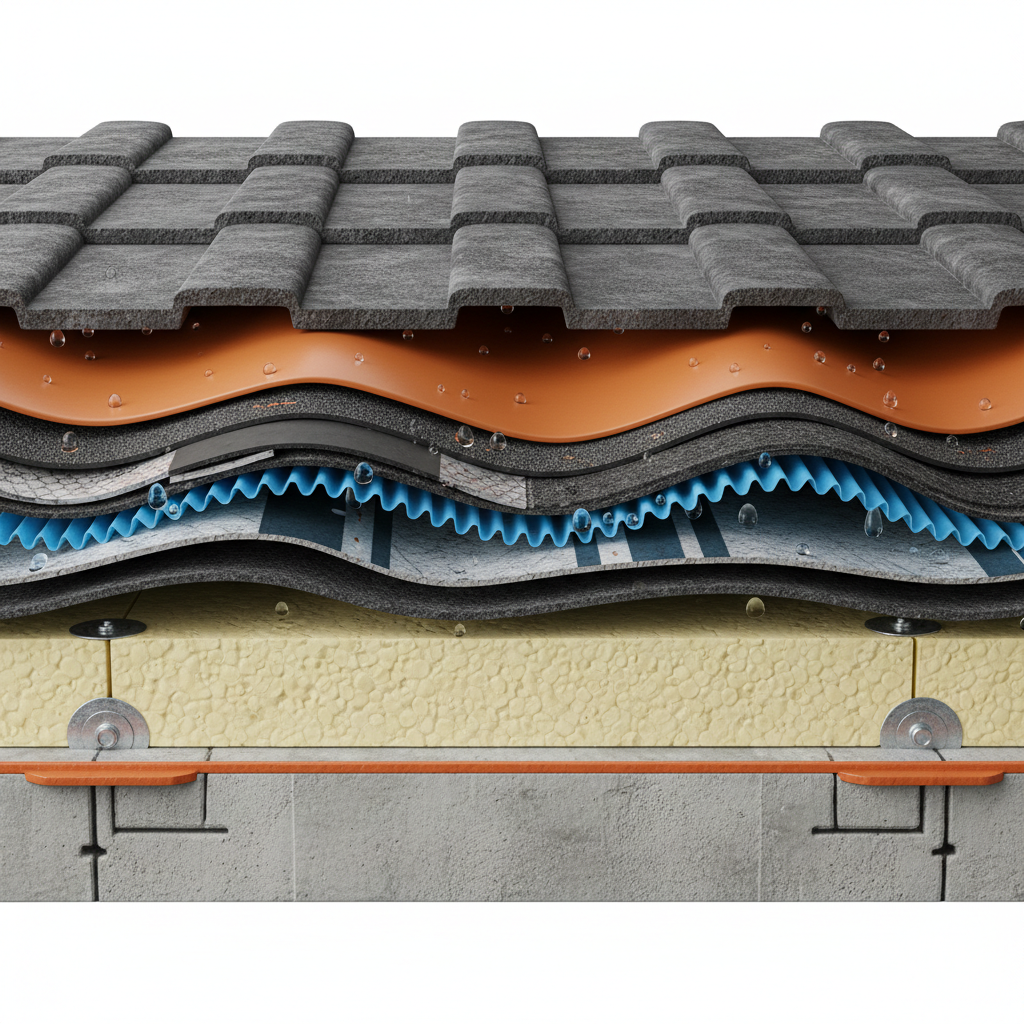
Liquid applied waterproofing membranes (LAMs) offer superior protection by creating a seamless, fully bonded, monolithic barrier that conforms precisely to complex roof geometries, eliminating the weak points inherent in sheet-based systems. These membranes are typically composed of polymers, such as polyurethane or acrylics, and are applied in liquid form, curing to form a highly elastic and durable film. The seamless nature of LAMs is a significant advantage, as it removes laps and joints—common areas for water ingress in other systems. According to a 2023 study by Grand View Research, the global liquid applied membranes market is projected to grow significantly due to their increasing adoption in challenging climates. LAMs offer excellent adhesion to various substrates, high elasticity to accommodate thermal expansion and contraction, and strong resistance to UV radiation and chemical exposure, all critical for advanced waterproofing Singapore.
Key Insight: One of the primary benefits of liquid applied membranes is their exceptional elasticity, often exceeding 300%. This allows the membrane to bridge small cracks that may develop in the substrate over time due to thermal cycling or structural movement, maintaining an unbroken waterproof barrier.
What are the Advantages of TPO Roofing Systems in Singapore?
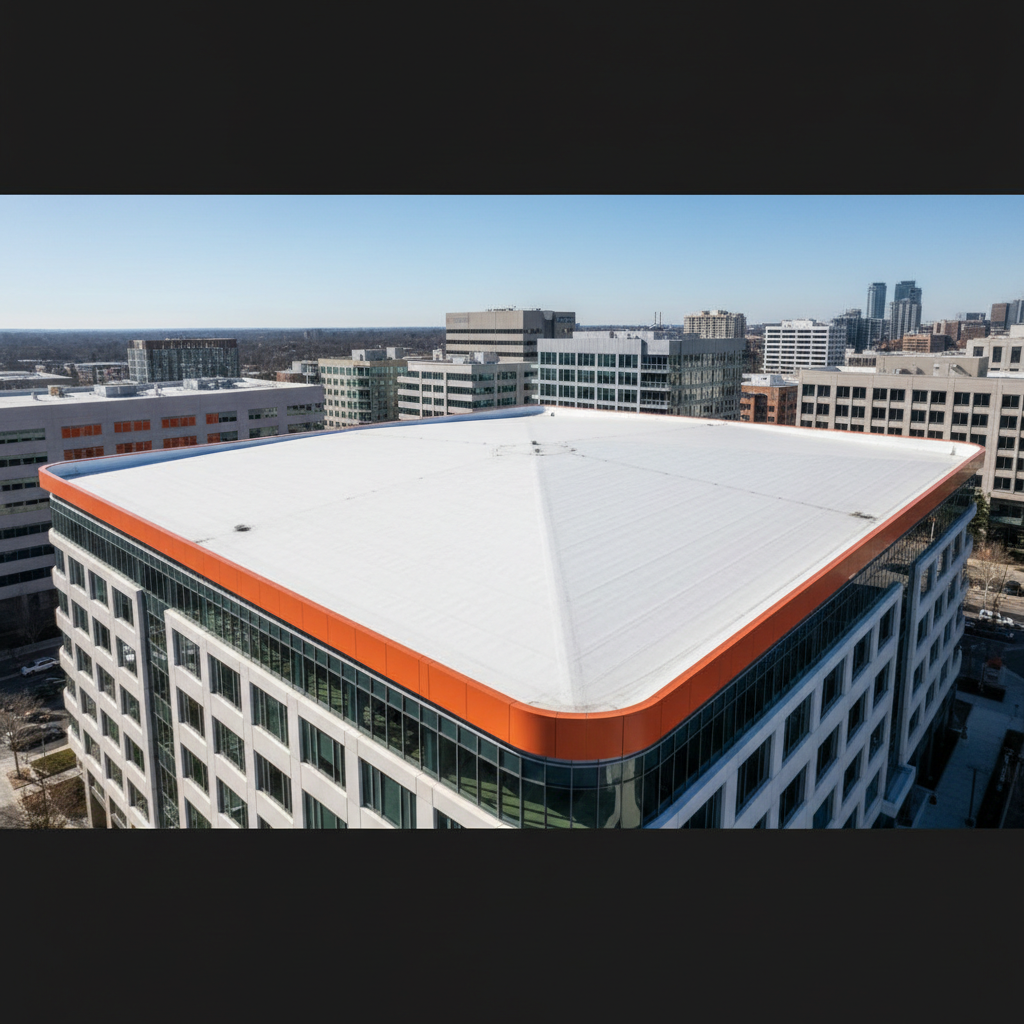
Thermoplastic Polyolefin (TPO) roofing systems are highly advantageous in Singapore due to their exceptional durability, energy efficiency, and robust resistance to UV radiation, punctures, and chemicals. TPO is a single-ply reflective membrane made from a blend of polypropylene and ethylene-propylene rubber, reinforced with a fabric scrim. Its light-colored surface significantly reflects sunlight, reducing heat absorption and lowering cooling costs for buildings. A 2022 report by the Building & Construction Authority (BCA) in Singapore highlighted the importance of cool roofing materials in mitigating urban heat island effects. TPO offers strong seams that are hot-air welded, creating a monolithic, watertight seal that is highly resilient to Singapore's heavy rainfall. Furthermore, TPO is often recyclable, aligning with sustainable building practices increasingly favored in the region.
Why Choose EPDM Roofing for Long-Lasting Waterproofing?
Ethylene Propylene Diene Monomer (EPDM) roofing is chosen for long-lasting waterproofing due to its exceptional durability, flexibility, and remarkable resistance to weathering, UV radiation, and extreme temperature fluctuations. EPDM is a synthetic rubber membrane that has been a staple in the roofing industry for decades, known for its longevity and low maintenance requirements. Its strong molecular structure makes it highly resilient against damage from hailstones, thermal shocks, and ozone, which are factors that can degrade other materials over time. In Singapore, where roofs are constantly exposed to intense sun and heavy downpours, EPDM's ability to remain stable and elastic over a wide temperature range, from -40°C to 150°C, ensures a consistent waterproofing barrier. Industry data indicates that EPDM roofs can last upwards of 30 years with proper installation and periodic inspections, offering excellent return on investment for building owners seeking robust and long-lasting waterproofing solutions.
How Does Polyurethane Waterproofing Enhance Roof Durability?
Polyurethane waterproofing enhances roof durability by forming a tough, elastic, and seamless membrane that offers superior crack-bridging capabilities, excellent adhesion, and high resistance to abrasion and impact. This two-component system, typically comprising a base and a hardener, cures to create a robust and flexible coating. The inherent flexibility of polyurethane allows it to accommodate structural movements and thermal expansion and contraction without cracking, which is critical for flat roofs and areas prone to stress. Its highly adhesive nature ensures a strong bond to various substrates, including concrete, metal, and existing membranes, preventing water from migrating underneath. Moreover, polyurethane systems are known for their resistance to chemicals, pollutants, and foot traffic, contributing significantly to the longevity and performance of the roof in high-traffic or exposed applications.
What is Integral Waterproofing for Concrete Roofs?
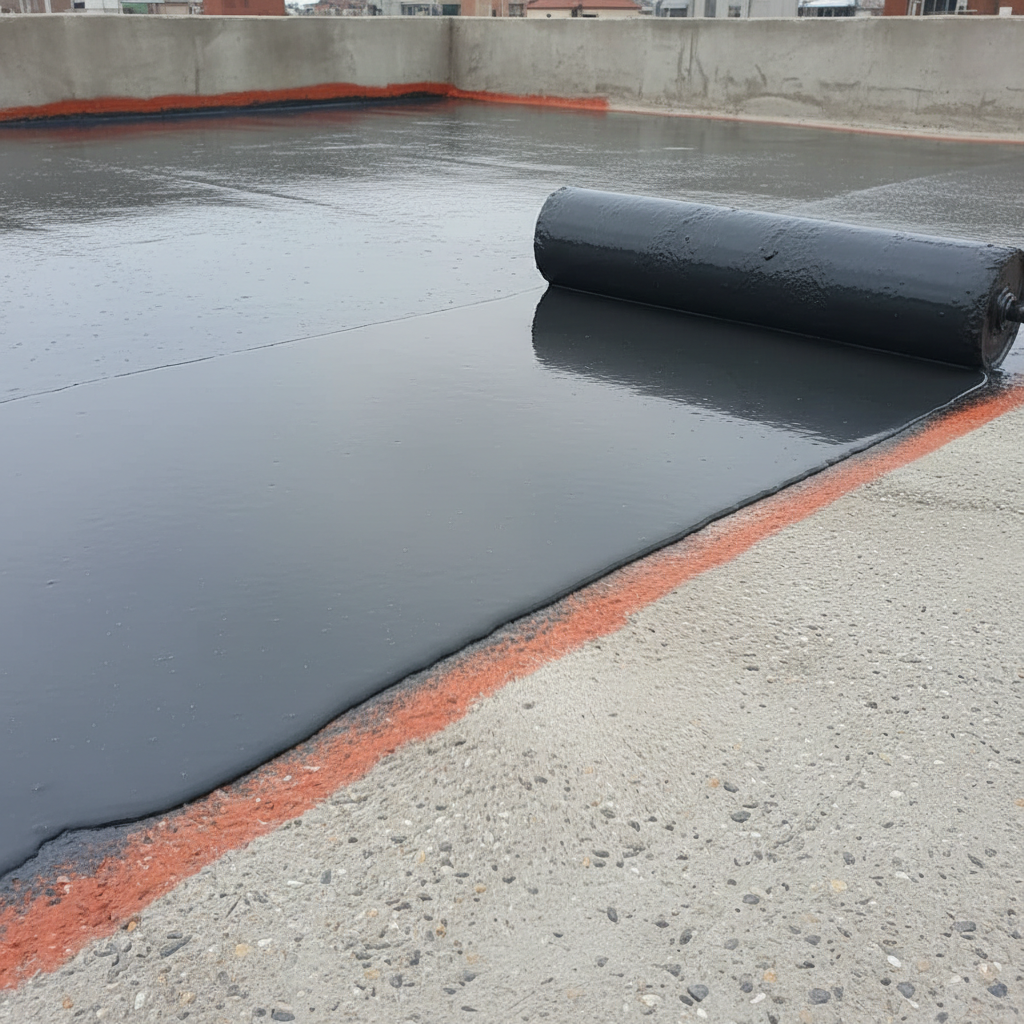
Integral waterproofing for concrete roofs involves incorporating specialized admixtures directly into the concrete mix during its initial preparation, making the concrete itself impermeable to water. This method provides waterproofing throughout the entire concrete slab, rather than relying solely on a surface-applied membrane. These admixtures typically react with cement hydration by-products to form non-soluble crystalline structures within the concrete pores and capillaries, effectively blocking water passage. The key advantage of integral waterproofing is that it offers permanent protection that is not susceptible to damage from UV exposure, mechanical abrasion, or delamination, as it is an intrinsic part of the concrete structure. This approach is particularly effective for large concrete roof decks and subterranean structures, providing a robust first line of defense against moisture ingress, complementing any external advanced waterproofing Singapore strategies.
Exploring Innovative Leak Detection Technologies for Roofs
Innovative leak detection technologies for roofs employ non-destructive methods to pinpoint the exact location of water ingress, significantly reducing the time and cost associated with repairs and preventing extensive damage. Traditional leak detection often involves destructive methods or educated guesswork, which can be inefficient and costly. Modern techniques include:
Infrared Thermography: Uses thermal imaging cameras to identify temperature differences on the roof surface. Water trapped beneath the membrane cools more slowly than dry areas, making wet sections appear warmer in infrared scans. This method is highly effective for identifying moisture saturated insulation.
Electronic Leak Detection (ELD): Applies either a high-voltage or low-voltage electrical current across the roof surface. If there are breaches in the waterproofing membrane, the current creates a circuit with a grounded surface below, signaling the leak's precise location. This is particularly useful for liquid applied membranes and TPO/EPDM systems.
Moisture Meters: Handheld devices that measure the electrical conductivity or dielectric properties of roofing materials to detect the presence and quantity of moisture. They are valuable for preliminary assessments and confirming findings from other methods.
Acoustic Leak Detection: Involves using sensitive microphones to listen for the sound of water escaping under pressure, typically used for pressure testing of subsurface pipes or complex roof draining systems.
These technologies enhance the efficiency and accuracy of maintenance programs, allowing for proactive intervention before minor leaks escalate into major structural issues.
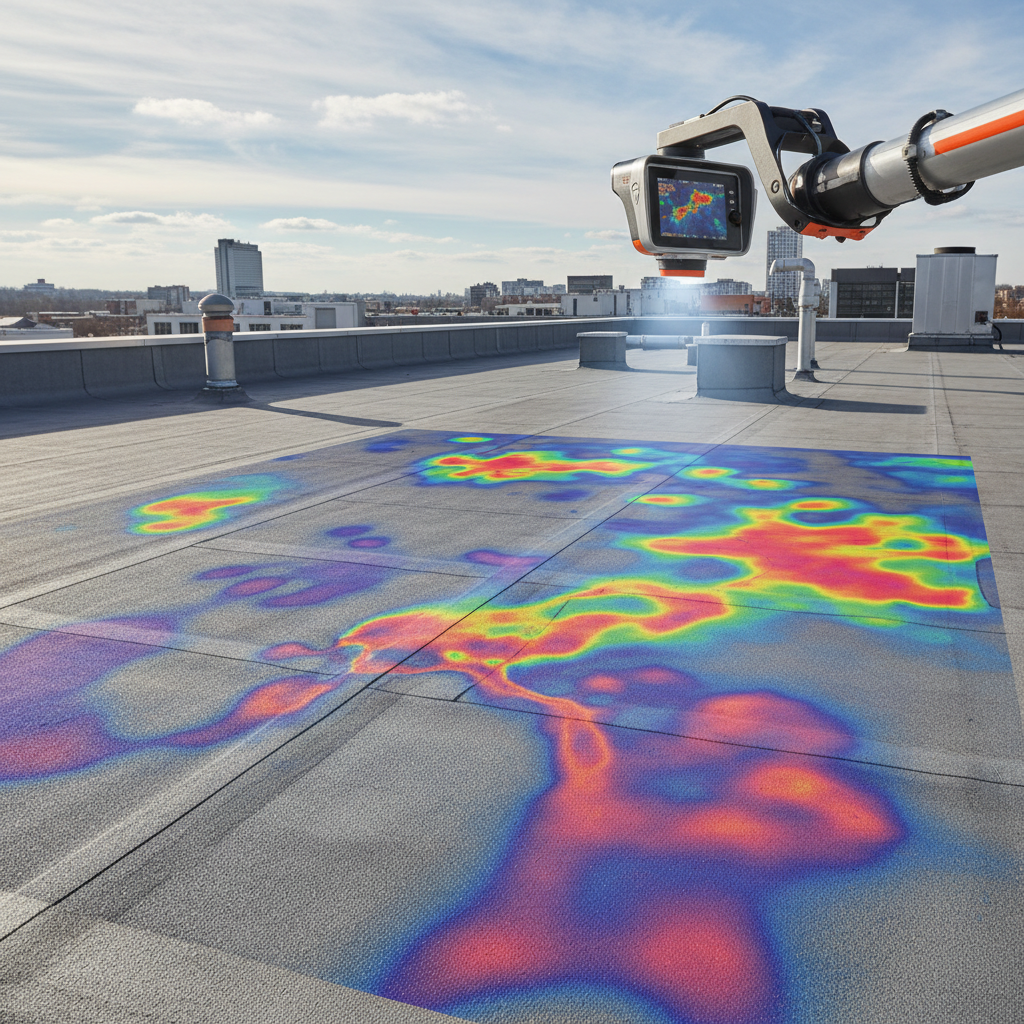
Key Insight: Early and precise leak detection is vital. A study by the National Research Council of Canada found that moisture problems in roofs can reduce a building's thermal resistance by up to 60%, leading to substantial energy waste and highlighting the need for efficient detection methods.
What Are the Long-Term Benefits of Advanced Waterproofing Solutions?
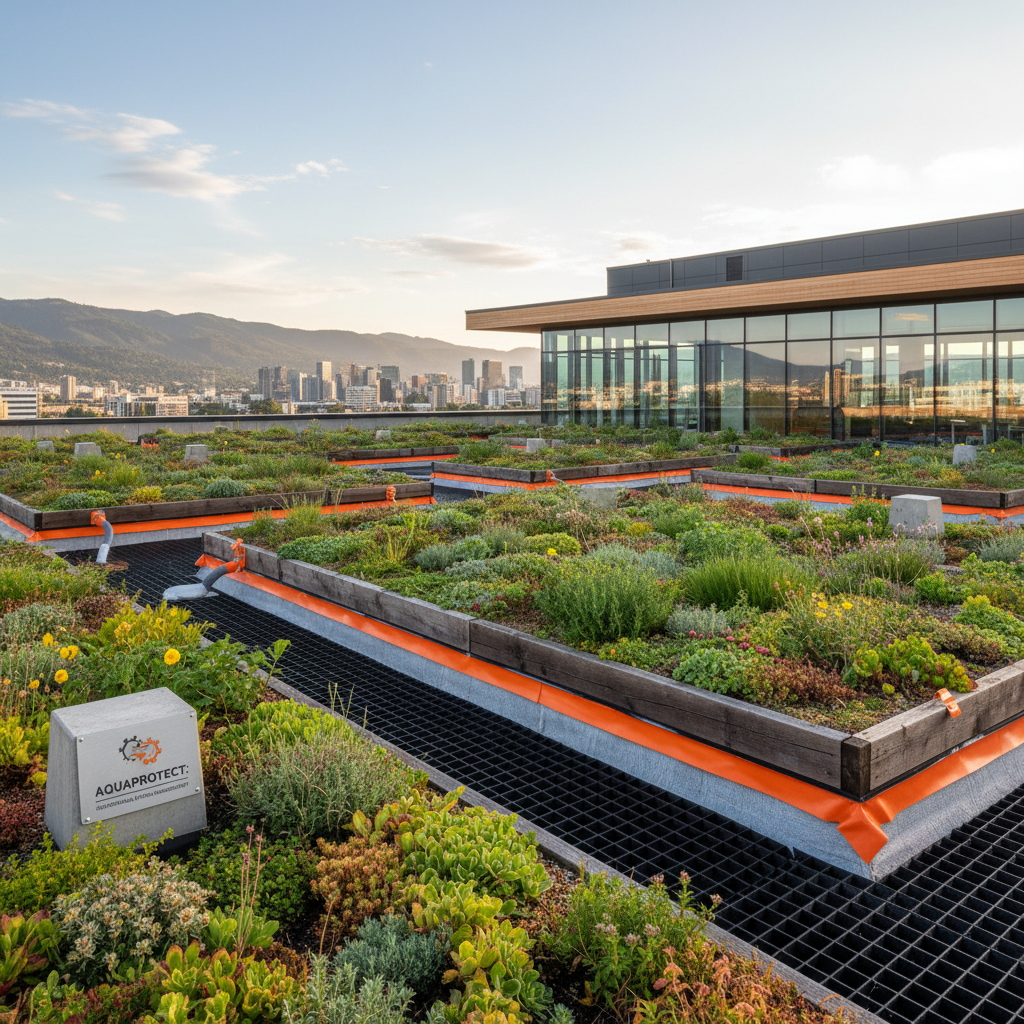
The long-term benefits of advanced waterproofing solutions include significantly extended roof lifespan, enhanced structural integrity, reduced maintenance costs, improved energy efficiency, and increased property value. By investing in advanced waterproofing Singapore, property owners protect their assets from the severe impact of water damage, which can lead to costly repairs and premature roof replacement. A well-protected roof means fewer leaks, less need for emergency repairs, and a more stable internal environment, mitigating the risk of mold and structural deterioration. Additionally, many advanced systems, such as TPO and certain liquid membranes, offer reflective properties that can lower indoor temperatures, leading to reduced reliance on air conditioning and lower electricity bills. This contributes to a healthier indoor environment and a more sustainable building operation. The consistent performance and durability of these systems ultimately offer peace of mind and contribute to a stronger return on investment over the property's lifecycle.
Is Advanced Waterproofing a Cost-Effective Investment?
Advanced waterproofing is a highly cost-effective investment when considering the long-term savings from avoided repairs, extended asset lifespan, and improved energy efficiency. While the initial outlay for advanced systems may be higher than conventional asphalt or basic membrane solutions, the total cost of ownership over the roofing system's lifespan is often significantly lower. For instance, a 20-30 year lifespan for TPO roofing Singapore or EPDM roofing vastly outlasts traditional felt roofs, which might require replacement every 10-15 years. The cost-benefit analysis must factor in not only direct material and labor costs but also indirect costs such as business interruption due to leaks, damage to interior assets, and energy wastage from poor insulation. Property managers in Singapore often report substantial savings on recurring maintenance and utility bills after upgrading to high-performance systems. Hence, the initial investment provides a strong return by minimizing disruptions, preserving structural integrity, and optimizing operational expenses over several decades.
Frequently Asked Questions
What roofing systems are considered advanced for Singapore's weather?
Advanced roofing systems for Singapore's weather include liquid applied membranes, Thermoplastic Polyolefin (TPO) roofs, Ethylene Propylene Diene Monomer (EPDM) systems, and high-performance polyurethane coatings. These materials are chosen for their superior resistance to heavy rainfall, intense UV radiation, and high humidity, which are prevalent in the tropical climate.
How often should a roof with advanced waterproofing be inspected in Singapore?
A roof with advanced waterproofing in Singapore should ideally be inspected at least once a year, and after any major storm events. Regular inspections ensure that the high-performance membranes remain intact and can address any potential issues early, thus maximizing the system's lifespan and effectiveness.
Can advanced waterproofing systems be applied over existing roofs?
Yes, many advanced waterproofing systems, particularly liquid applied membranes and some single-ply membranes (like TPO or EPDM), can be applied over existing, sound roof substrates. This approach can often save time and reduce disposal costs compared to a full tear-off, provided the existing roof is properly prepared and structurally adequate.
Are advanced waterproofing systems suitable for flat roofs?
Advanced waterproofing systems are particularly well-suited for flat roofs, which are inherently more prone to water ponding and drainage issues. Systems like liquid applied membranes, TPO, and EPDM create seamless, durable, and highly flexible barriers that effectively manage water on low-slope or flat surfaces, offering superior protection against leaks.
What is the typical lifespan of an advanced waterproofing system?
The typical lifespan of an advanced waterproofing system, such as TPO or EPDM, ranges from 20 to 30 years or more with proper installation and maintenance. Liquid applied polyurethane membranes can also offer similar longevity, typically 15-25 years, depending on the specific product and application conditions.
Do advanced waterproofing systems make a building more energy-efficient?
Yes, many advanced waterproofing systems contribute to a building's energy efficiency. Light-colored membranes like TPO reflect more sunlight, reducing heat absorption and lowering the cooling load, which can lead to significant energy savings in Singapore's hot climate. Some systems also integrate with or enhance roof insulation.
Conclusion
Investing in advanced waterproofing Singapore is a strategic decision that provides exceptional protection and long-term value for any property. By leveraging high-performance materials such as liquid applied membranes, TPO, EPDM, and polyurethane systems, property owners can effectively combat Singapore's challenging tropical climate. These innovative solutions deliver superior resistance to leaks, extended durability, enhanced energy efficiency, and reduced maintenance costs, ensuring the structural integrity and comfort of buildings for decades to come. Selecting the right system and ensuring professional installation are paramount to unlocking these benefits, providing peace of mind and safeguarding valuable assets against the relentless forces of nature.


Comments