

Common Roof Defects Singapore: Prevention and Repair Strategies
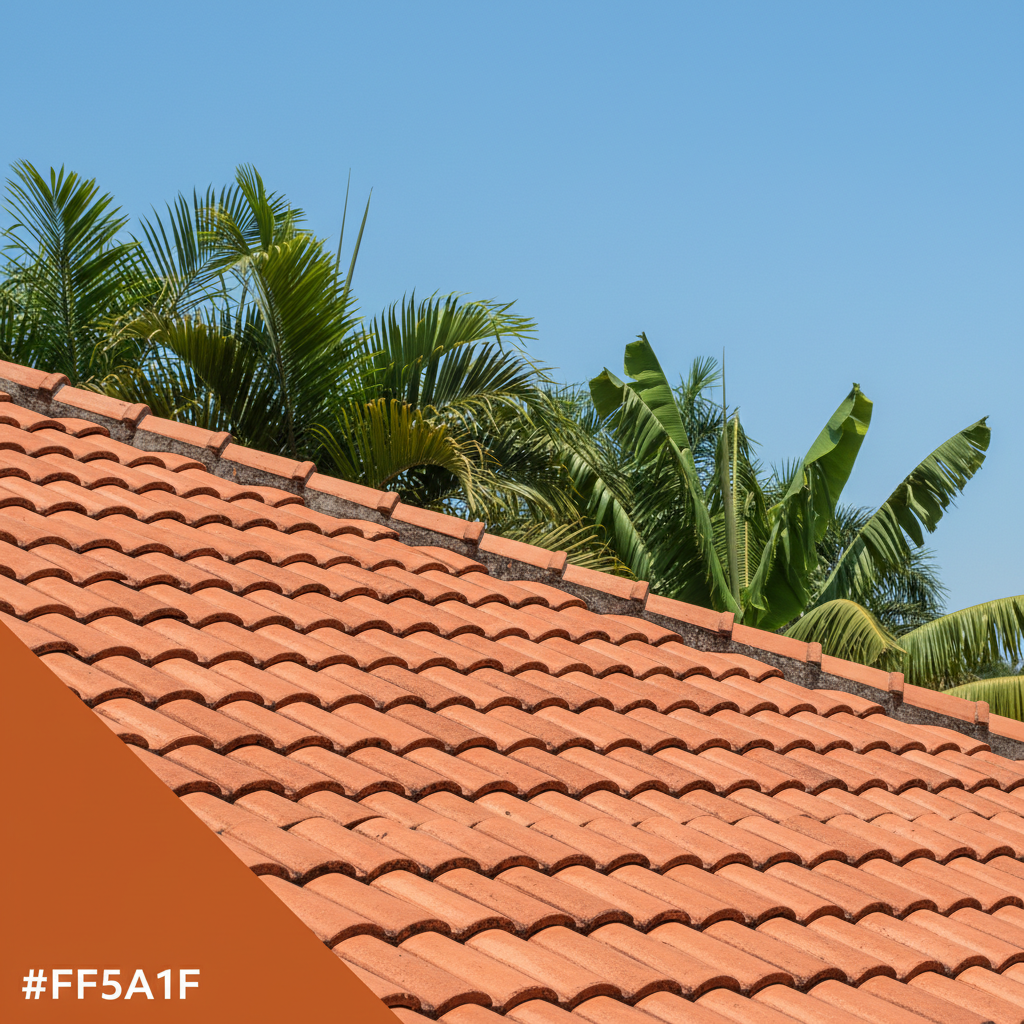
Common roof defects in Singapore often stem from the nation's tropical climate, including heavy rainfall, high humidity, and intense sun exposure, which accelerate wear and tear on roofing materials. Understanding these common issues and implementing effective prevention and repair strategies is essential for homeowners and property managers to maintain the integrity of their buildings and avoid costly long-term damage.
Quick Answer:
Singapore's climate contributes to common roof defects like cracked tiles, flashing issues, and mould growth.
Regular maintenance, including gutter cleaning and checking for material deterioration, is crucial for prevention.
Early detection and prompt repairs are vital to prevent minor defects from escalating into major structural problems.
Professional inspections can identify hidden damage and ensure proper, long-lasting repair solutions.
Investing in quality materials and expert installation minimizes future roof problems.
Table of Contents
Understanding Singapore's Unique Roofing Challenges
Singapore's unique tropical climate presents significant roofing challenges due to its high average annual rainfall of around 2,340 mm and year-round high humidity, typically above 80%. These conditions, coupled with intense ultraviolet (UV) radiation, accelerate the degradation of roofing materials, making regular inspection and maintenance crucial for preventing roof defects in Singapore. The constant exposure to moisture promotes biological growth, while thermal expansion and contraction stress materials, leading to cracks and dislodged components that allow water ingress.
Missing or Damaged Tiles: Causes and Solutions
Missing or damaged roof tiles occur when individual roofing components are dislodged, cracked, or broken, creating vulnerable spots for water penetration. In Singapore, strong wind gusts during thunderstorms (known locally as "Sumatras") can lift or dislodge tiles, while continuous sun exposure can make clay or concrete tiles brittle and prone to cracking under impact.
Common Causes
Wind Damage: Strong winds during heavy rainfall can lift and remove tiles.
Impact Damage: Falling branches, especially common during tropical storms, can crack or shatter tiles.
Thermal Cycling: Constant expansion and contraction due to temperature fluctuations weakens materials over time, leading to cracks.
Foot Traffic: Improper walking on the roof during maintenance or inspections can damage fragile tiles.
Repair Strategies
Replacement: For individual missing or cracked tiles, the solution is straightforward replacement with new, matching tiles. This requires careful removal of adjacent tiles to slide the new one into place and secure it.
Sealant Application: Minor cracks can sometimes be repaired with a high-quality, weatherproof roofing sealant, though replacement is generally more durable for significant damage.
Key Insight: Promptly addressing even a single missing or damaged tile is critical, as it can be a gateway for water to penetrate the roof deck, leading to more extensive and costly internal damage within weeks.
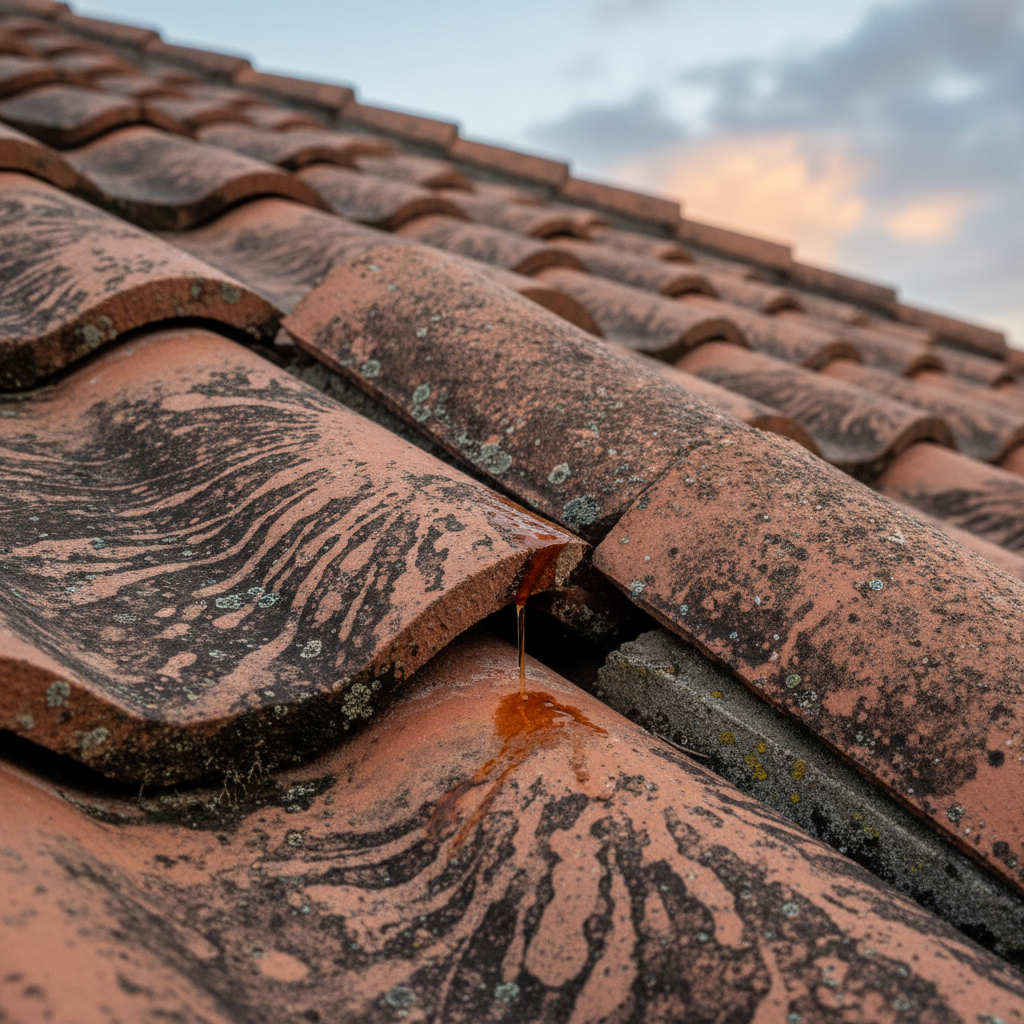
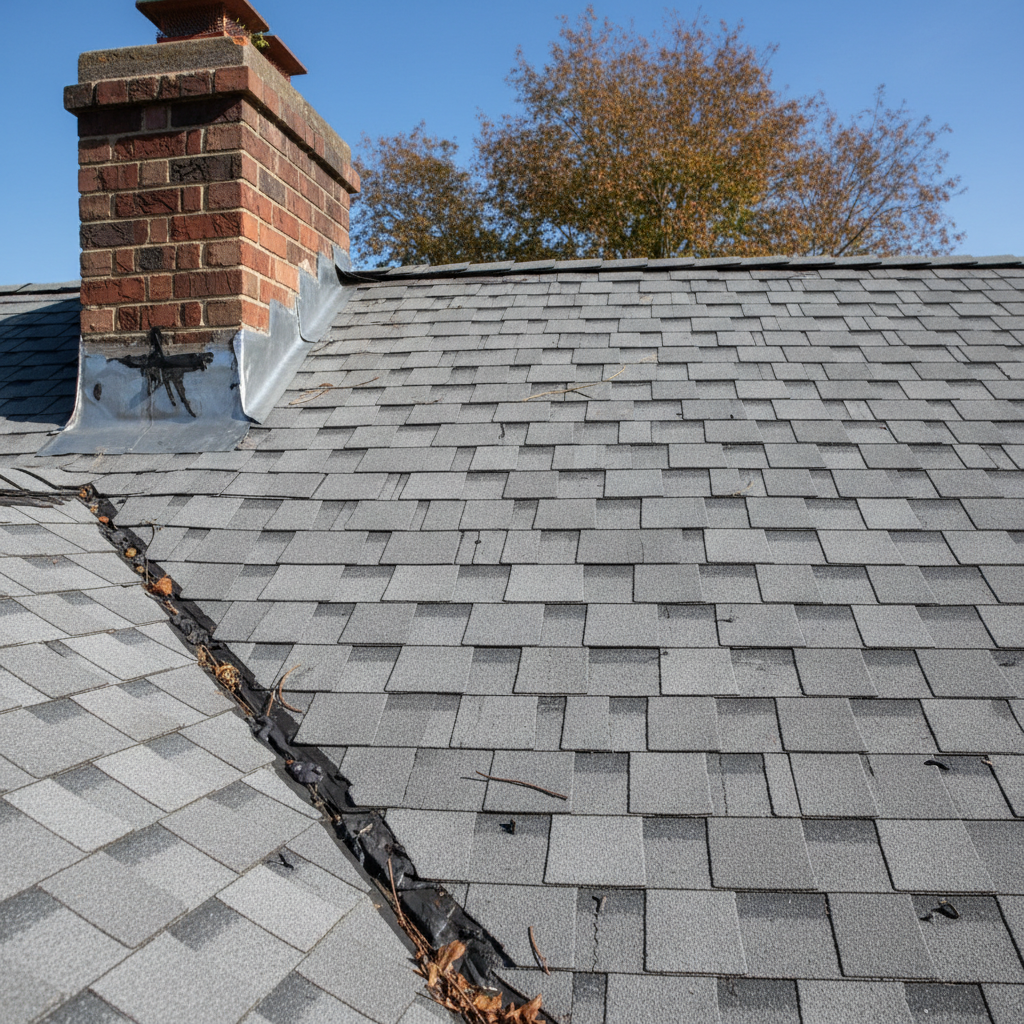
Cracked or Deteriorated Flashing: A Common Leak Source
Flashing is a thin material, typically metal (like aluminium or copper), installed around roof penetrations (e.g., chimneys, vents, skylights) and at roof-to-wall intersections to prevent water from seeping into the structure. Cracked or deteriorated flashing is a primary source of leaks, as it compromises these critical waterproof barriers.
Types of Flashing Issues
Cracking: UV exposure and thermal expansion/contraction can cause metal flashing to crack, especially at bends or stress points.
Corrosion: Singapore's humid environment can accelerate corrosion of certain metal flashing materials if not properly maintained or if the protective coating is compromised.
Loose or Lifted: Poor installation, strong winds, or material fatigue can cause flashing to lift or come loose, breaking the seal.
Sealant Degradation: The sealants used around flashing can dry out, crack, or pull away over time, allowing water to bypass the flashing.
Remedial Actions
Re-sealing: For minor issues, old sealant can be removed, and new, high-quality, UV-resistant roofing mastic or sealant applied.
Patching: Small cracks or holes in metal flashing can sometimes be patched with a suitable roofing repair tape or a piece of matching metal secured with sealant.
Replacement: If flashing is extensively corroded, severely cracked, or improperly installed, complete replacement of the affected sections is necessary to restore water tightness. This often involves careful removal of surrounding roofing materials.
Blocked Gutters and Downpipes: Water Damage Prevention
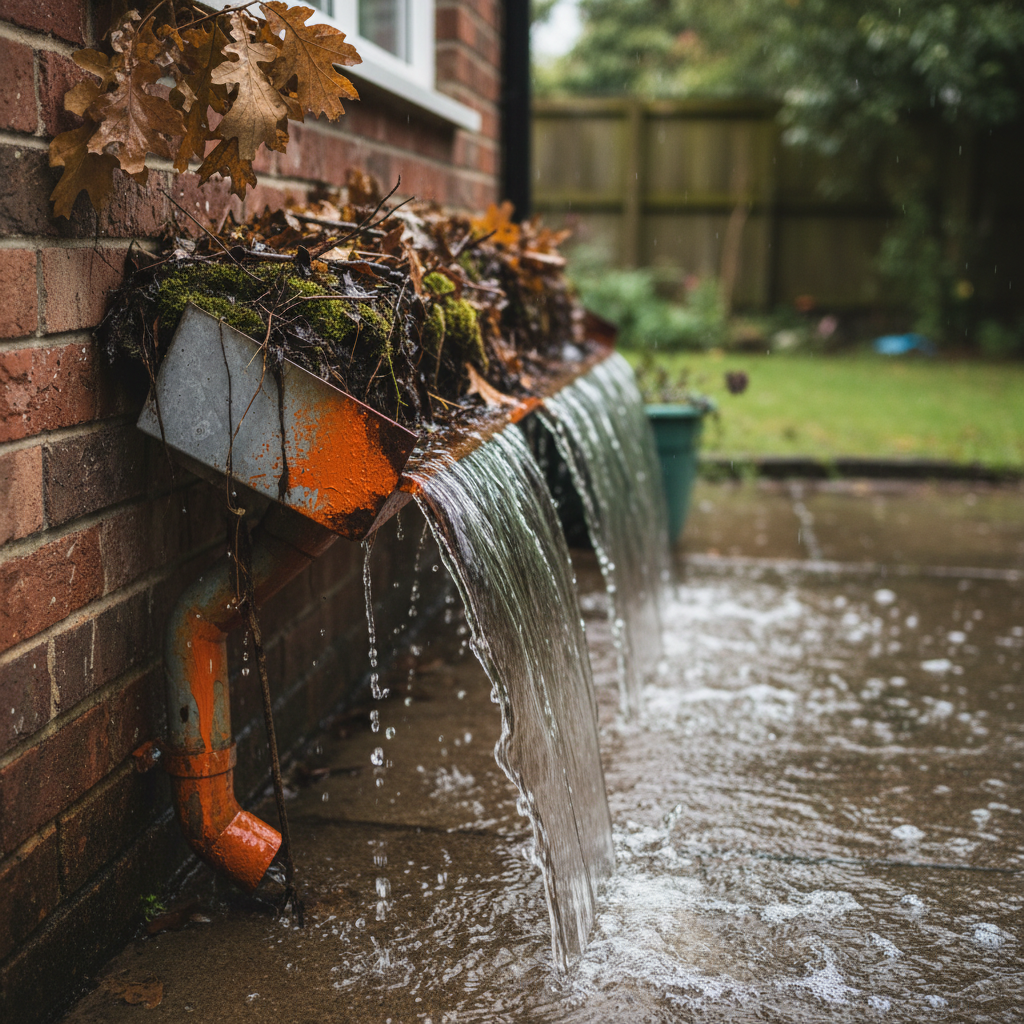
Blocked gutters and downpipes occur when debris like leaves, twigs, and dirt accumulate, preventing rainwater from draining effectively away from the roof and foundation. This is a common roof problem in Singapore due to the lush tropical foliage and heavy rainfall. When clogged, water can overflow, leading to fascia and soffit damage, foundation issues, and even internal leaks.
Consequences of Blockages
Fascia and Soffit Rot: Overflowing water constantly saturates the wooden fascia boards and soffits, leading to rot and decay.
Foundation Damage: Water pooling around the foundation can seep into basements or crawl spaces, causing structural damage and mould growth.
Landscape Erosion: Concentrated water discharge from overflowing gutters can erode soil and damage landscaping around the building.
Internal Leaks: If water backs up under the roofline, it can penetrate the roof decking and walls, leading to leaks inside the property.
Mosquito Breeding: Stagnant water in blocked gutters provides an ideal breeding ground for mosquitoes, posing public health concerns in Singapore.
Prevention and Cleaning
Regular Cleaning: Gutters should be cleaned at least twice a year, or more frequently if there are many trees nearby. Remove all accumulated debris by hand or with a gutter scoop.
Gutter Guards: Installing gutter guards (mesh or solid covers) can significantly reduce the amount of debris entering the gutters, minimizing cleaning frequency.
Downpipe Flushing: Ensure downpipes are clear by flushing them with a garden hose. If water doesn't flow freely, a blockage needs to be physically removed.
Sagging Roof Decking: Signs of Structural Issues
Sagging roof decking indicates a structural weakness in the roof, where the plywood or OSB sheathing beneath the roofing material is visibly bowing downwards between the rafters. This is a serious roof defect in Singapore that requires immediate attention as it compromises the overall integrity and safety of the roof structure.
Key Indicators
Visible Dips or Valleys: From the exterior, the roofline may appear uneven, with distinct low spots.
Ceiling Sagging/Cracks: Inside the building, ceiling drywall may show signs of sagging, bowing, or develop cracks, particularly around the areas where the roof deck is compromised.
Bouncing Sensation: Walking on the roof might feel unusually soft or bouncy in certain areas.
Water Stains: Persistent or recurring water stains on the ceiling might indicate prolonged water exposure weakening the decking even before visible sagging occurs.
Causes of Sagging
Water Damage: Prolonged exposure to moisture from leaks, especially undetected ones, can lead to the deterioration and weakening of the roof decking material. Wood-based decking absorbs water, swells, and loses its structural rigidity.
Inadequate Support: Insufficient number or spacing of rafters, or undersized rafters, can lead to the decking flexing and sagging under its own weight or light loads.
Heavy Loads: Excessive weight from accumulated debris, standing water (due to blocked drainage), or even heavy snow (though rare in Singapore, it can be a factor in other climates used as examples) can stress the decking beyond its capacity.
Termite Infestation: In Singapore's climate, termites can significantly weaken wooden roof structures, including decking and rafters, leading to sagging.
Repair Approaches
Water Damage Remediation: The source of any water leaks must be identified and repaired first.
Decking Replacement: The primary solution for sagged decking is to remove the affected roofing materials and replace the compromised sections of plywood or OSB.
Structural Reinforcement: In cases of insufficient support, additional rafters or blocking may need to be installed to provide adequate structural rigidity.
Pest Control: If termites are identified, a professional pest control service must be engaged to eliminate the infestation before structural repairs can begin.
Poor Ventilation: Impact on Roof Longevity
Poor roof ventilation occurs when there is insufficient airflow in the attic or roof space, leading to excessive heat and moisture buildup. This significantly impacts roof longevity and overall home energy efficiency, particularly in Singapore’s hot and humid climate. Proper ventilation allows hot air to escape and draws in cooler, drier air, preventing heat and moisture from becoming trapped.
Effects of Inadequate Ventilation
Accelerated Material Degradation: Trapped heat bakes the roofing materials from underneath, accelerating the breakdown of shingles, tiles, and underlayment.
Mould and Mildew Growth: High humidity in the attic creates an ideal environment for mould and mildew to flourish, which can spread to insulation and structural components.
Increased Energy Bills: A hot attic transfers heat into the living space below, forcing air conditioning systems to work harder, leading to higher electricity consumption.
Wood Rot: Persistent moisture can lead to the decay of wooden rafters and trusses, compromising the roof's structural integrity.
Enhancing Ventilation
Install Vents: Ensure a balanced system with both intake (soffit or eave) and exhaust (ridge or static) vents. The general rule of thumb is 1 square foot of net free vent area for every 300 square feet of attic floor space, with a 50/50 split between intake and exhaust.
Clear Obstructions: Ensure existing vents are clear of insulation, debris, or paint.
Consider Powered Vents: In particularly challenging situations or larger attics, powered attic ventilators (thermostat-controlled fans) can help move air more actively.
Improper Installations: How to Spot and Fix
Improper roof installation refers to roofing work carried out incorrectly, not adhering to manufacturer specifications or industry best practices, leading to premature roof failure and roof defects in Singapore. This can be a major issue, especially if shortcuts are taken during construction or refurbishment.
Common Installation Errors
Incorrect Nailing: Nails driven too far, not far enough, or at the wrong angle can compromise shingles/tiles and create potential leak points.
Inadequate Underlayment: The protective layer beneath the visible roofing material might be missing, torn, or poorly installed, making the roof vulnerable to moisture.
Poor Flashing Work: As mentioned earlier, improperly cut, bent, or sealed flashing is a direct cause of leaks around penetrations.
Insufficient Overhang: Eaves that are too short may not effectively direct water away from fascia boards and walls.
Mismatched Materials: Using incompatible roofing materials or accessories can lead to premature wear and tear or compromise weather resistance.
Lack of Expansion Gaps: Without proper expansion gaps, materials can buckle or crack under thermal stress.
Identifying and Rectifying
Visual Inspection: Look for inconsistent shingle/tile alignment, visible nail heads (unless designed to be exposed), gaps, or uneven surfaces.
Leak Tracing: Unexplained leaks, especially shortly after a new roof installation, are a strong indicator of installation errors.
Professional Assessment: A qualified roofing contractor can perform a thorough inspection, identify installation flaws, and recommend specific corrective actions. This may involve partial re-roofing or targeted repairs to specific areas.
Mould and Algae Growth: Climate-Related Issues
Mould and algae growth are pervasive roof problems in Singapore due to the persistently high humidity, frequent rainfall, and warm temperatures that create an ideal environment for biological proliferation. This growth appears as dark stains, green patches, or fuzzy textures on roofing materials, particularly on shaded or north-facing roof slopes.
Impacts of Growth
Aesthetic Degradation: The unsightly stains significantly detract from a property's curb appeal.
Material Degradation: While algae itself may not directly damage roofing materials, it retains moisture, which can accelerate the degradation of asphalt shingles and tiles (e.g., granular loss) and promote the growth of more aggressive lichens and mosses.
Moisture Retention: Moss and certain types of algae can hold significant amounts of moisture against the roof surface, potentially leading to rot in wooden components and creating a damp environment conducive to further biological growth.
Prevention and Treatment
Cleaning: A gentle, low-pressure wash with a suitable cleaning solution (e.g., a mix of water and bleach or proprietary roof cleaning products) can remove existing mould and algae. High-pressure washing should be avoided as it can damage roofing materials and remove protective granules.
Fungicidal Treatments: Applying a fungicidal wash or treatment after cleaning can help inhibit regrowth.
Zinc/Copper Strips: Installing strips of zinc or copper along the roof ridge causes metallic ions to wash down the roof with rainfall, creating an environment that inhibits moss, algae, and lichen growth.
Improving Sunlight Exposure: Trimming overhanging tree branches can increase sunlight exposure to the roof, helping to dry out the surface more quickly after rain.
Key Insight: While primarily an aesthetic issue for some materials, severe moss and lichen growth can lift and damage tiles and shingles, making professional cleaning and preventative measures essential in Singapore's climate.
Preventative Maintenance: Your First Line of Defence
Preventative maintenance is the most effective strategy to mitigate roof defects in Singapore, ensuring longevity and avoiding costly emergency repairs. A proactive approach involves regular inspections and timely small repairs, which can extend a roof's lifespan significantly. According to industry experts, a well-maintained roof can last 50% longer than one that is neglected.
Essential Maintenance Tasks
Bi-Annual Inspections: Schedule professional roof inspections at least twice a year, ideally before and after the heaviest rainy seasons. A qualified inspector can spot subtle issues that are easily missed.
Gutter and Downpipe Cleaning: Clean gutters and downpipes quarterly or more frequently if surrounded by trees. Ensure they are free of leaves, debris, and standing water.
Debris Removal: Regularly clear leaves, branches, and other debris from the roof surface, especially from valleys and around vents, as these can trap moisture and accelerate material degradation.
Inspect Flashing: Periodically check all flashing around chimneys, vents, skylights, and wall junctions for cracks, lifts, or degraded sealant. Re-seal or repair as needed.
Check for Damaged Tiles/Shingles: Look for cracked, curled, missing, or dislodged tiles or shingles. Replace them promptly to prevent water ingress.
Trim Overhanging Branches: Keep tree branches trimmed away from the roof to prevent abrasion, debris accumulation, and moisture retention. This also reduces the risk of impact damage during storms.
Monitor Attic/Ceiling: Regularly check the attic space or the interior ceilings for signs of water stains, mould, or excessive humidity, which indicate hidden roof problems.
Professional Diagnostics: When to Call the Experts
While homeowners can perform routine visual checks, engaging professionals for comprehensive roof diagnostics is crucial for identifying hidden roof defects in Singapore and ensuring effective, long-lasting solutions. Professionals possess the expertise, tools, and safety equipment to conduct thorough assessments and perform complex repairs.
When to Engage Professionals
Persistent Leaks: If you have recurring leaks despite your best efforts, it’s a strong sign that the issue is more complex and requires expert diagnosis.
Visible Damage: Any significant visible damage, such as a sagging roof, widespread missing tiles, or structural concerns, warrants immediate professional attention.
Age of Roof: If your roof is approaching or has exceeded its expected lifespan (typically 15-20 years for asphalt shingles, 30-50+ years for tiles in Singapore's climate), a professional assessment can determine if replacement or major repairs are needed.
Pre-Purchase Inspection: Before buying a property, a professional roof inspection can uncover hidden issues, saving you from future liabilities.
Post-Storm Assessment: After severe weather, such as a strong thunderstorm, a professional inspection can identify damage that isn't immediately obvious from the ground.
What Professionals Offer
Thorough Inspection: Experts conduct a detailed inspection, covering the entire roof surface, flashing, gutters, downpipes, attic, and structural components.
Leak Detection Technology: They often use specialized tools like thermal imaging cameras to detect hidden moisture and pinpoint elusive leak sources.
Safety: Professionals have the necessary safety gear and training to work on roofs safely, minimizing risks.
Accurate Diagnosis: They can accurately identify the root cause of the problem, rather than just treating symptoms.
Quality Repairs: Reputable contractors use high-quality materials and adhere to industry standards, ensuring repairs are durable and effective.
Frequently Asked Questions
What are the most common roof defects in Singapore?
The most common roof defects in Singapore include missing or cracked tiles due to strong winds and sun exposure, deteriorated flashing around roof penetrations, blocked gutters from heavy rainfall and foliage, and mould/algae growth caused by high humidity. Structural issues like sagging decking can also occur due to prolonged water damage or termite infestations.
How often should I inspect my roof in Singapore's climate?
Given Singapore's tropical climate, it is recommended to inspect your roof at least twice a year, ideally before and after the monsoon seasons. Regular visual checks from the ground are also beneficial after heavy storms or strong winds to spot immediate damage.
Can I fix a leaky roof myself, or do I need a professional?
Minor roof leaks, such as a single cracked tile or a small section of loose sealant, can sometimes be addressed by a DIY enthusiast. However, identifying the source of a leak, especially if it's not obvious, often requires professional expertise and equipment. For significant damage, structural issues, or safety concerns, it's always best to engage a qualified roofing contractor.
What is the typical lifespan of a roof in Singapore?
The lifespan of a roof in Singapore varies significantly based on the material used, installation quality, and maintenance. Asphalt shingles might last 15-20 years, while concrete or clay tiles can last 30-50 years or more. Metal roofs, if well-maintained, can exceed 50 years. Regular maintenance is key to maximizing these lifespans.
How can I prevent mould and algae growth on my roof?
To prevent mould and algae growth, ensure good roof ventilation, keep your roof clean of debris, and trim overhanging tree branches to increase sunlight exposure. Regular cleaning with a low-pressure wash and fungicidal treatments can also deter growth. Consider installing zinc or copper strips along the ridge for a long-term preventative measure.
What are the signs of a sagging roof?
Signs of a sagging roof include visible dips or low spots in the roofline from the exterior, bowing or cracking in interior ceilings, and a bouncy sensation when walking on the roof. These indicate potential structural issues from water damage, inadequate support, or pest infestation, and require immediate professional assessment.
Conclusion
Addressing roof defects in Singapore with proactive prevention and timely action is paramount to safeguarding your building’s integrity and avoiding costly, extensive repairs. Singapore's harsh tropical climate demands a vigilant approach to roof maintenance, from regular cleaning of gutters and inspection of tiles to ensuring proper ventilation and professional checks. By understanding the common vulnerabilities and investing in quality workmanship and materials, property owners can significantly extend the lifespan of their roofs, providing continuous protection and peace of mind. Keeping a well-maintained roof is not just about aesthetics; it's about preserving the structural health and value of your property.


Comments