

Eco-Friendly Roofing Singapore: Sustainable Options for Your Property
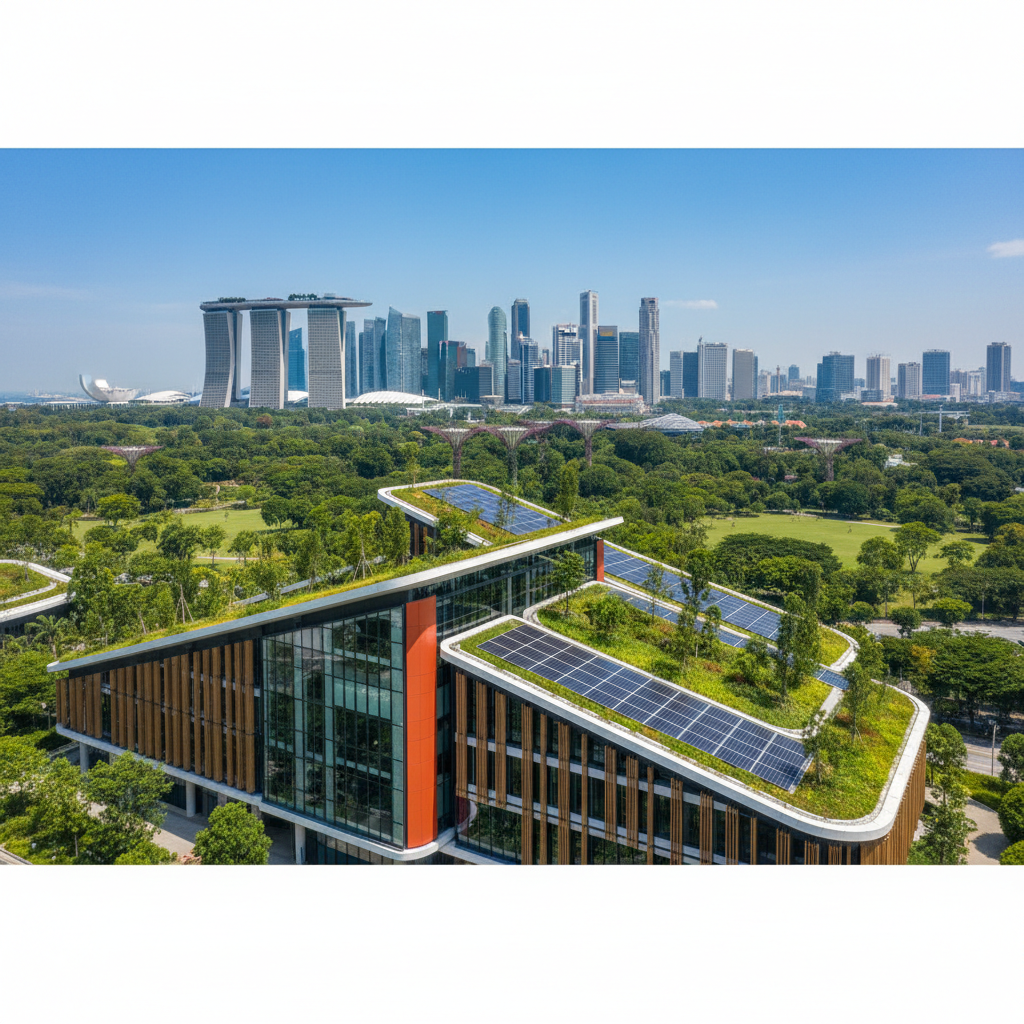
Eco-friendly roofing in Singapore offers property owners sustainable solutions to reduce environmental impact and improve energy efficiency. These roofing options utilize materials and technologies that help lower energy consumption, mitigate urban heat island effects, and promote biodiversity, contributing to a greener urban landscape in Singapore.
Quick Answer:
Eco-friendly roofing in Singapore involves materials and designs that reduce environmental impact.
Key options include cool roofs, green roofs, recycled materials, and solar-ready systems.
These technologies help save energy, lower utility bills, and support Singapore's sustainability goals.
Local regulations often encourage or necessitate the adoption of green building practices.
Choosing the right eco-friendly roof enhances property value and longevity.
Table of Contents
Why Sustainable Roofing Matters in Singapore
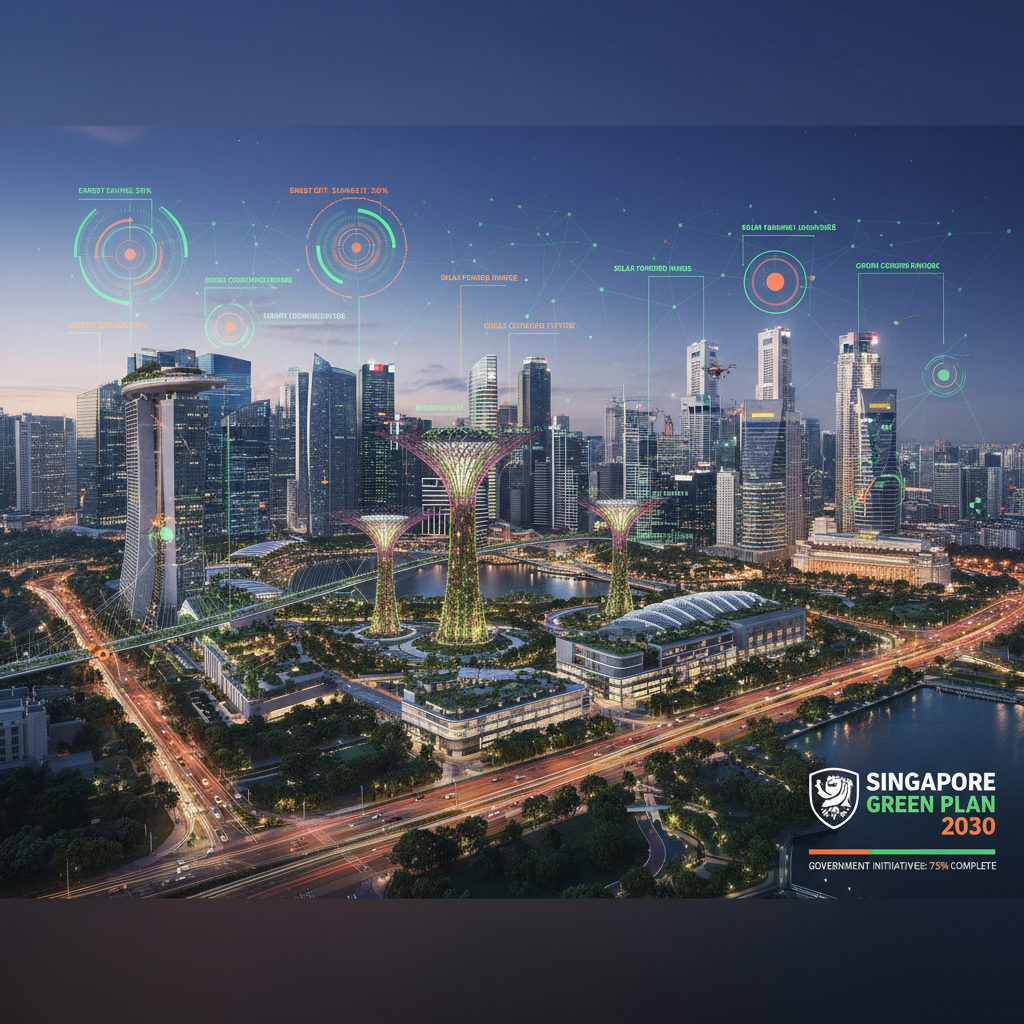
Sustainable roofing matters in Singapore because it directly addresses the nation's environmental challenges, such as high energy consumption and the urban heat island effect. With its tropical climate, properties in Singapore consume significant energy for cooling, making energy-efficient roofing a crucial factor in reducing utility costs and carbon emissions. The government's Singapore Green Plan 2030 initiatives also underscore the importance of green building practices.
Understanding Eco-Friendly Roofing: More Than Just 'Green'
Eco-friendly roofing is a construction approach that minimizes a building's environmental impact throughout its lifecycle, from material sourcing to disposal. It encompasses designs, materials, and technologies that reduce energy consumption, limit waste, and promote a healthier environment. This goes beyond simply being "green" by considering factors such as lifecycle assessment, material origins, and end-of-life options.
What Defines an Eco-Friendly Roof?
An eco-friendly roof is characterized by its ability to contribute to energy efficiency, reduce thermal absorption, use sustainable materials, and often incorporate elements that support local ecosystems. This holistic view considers the roof's thermal performance, durability, maintenance requirements, and potential for waste reduction. For instance, a roof that reflects sunlight helps reduce indoor temperatures, decreasing the need for air conditioning.
Key Components of Sustainable Roofing Materials
Key components of sustainable roofing materials include high solar reflectance and thermal emittance, durability, and a high percentage of recycled content. Materials like cool roof coatings, highly reflective metal, and recycled content roof tiles all fall under this category. Longevity also plays a vital role, as a longer-lasting roof reduces the frequency of replacement and associated waste.
Cool Roof Technology: Reflecting the Tropical Sun
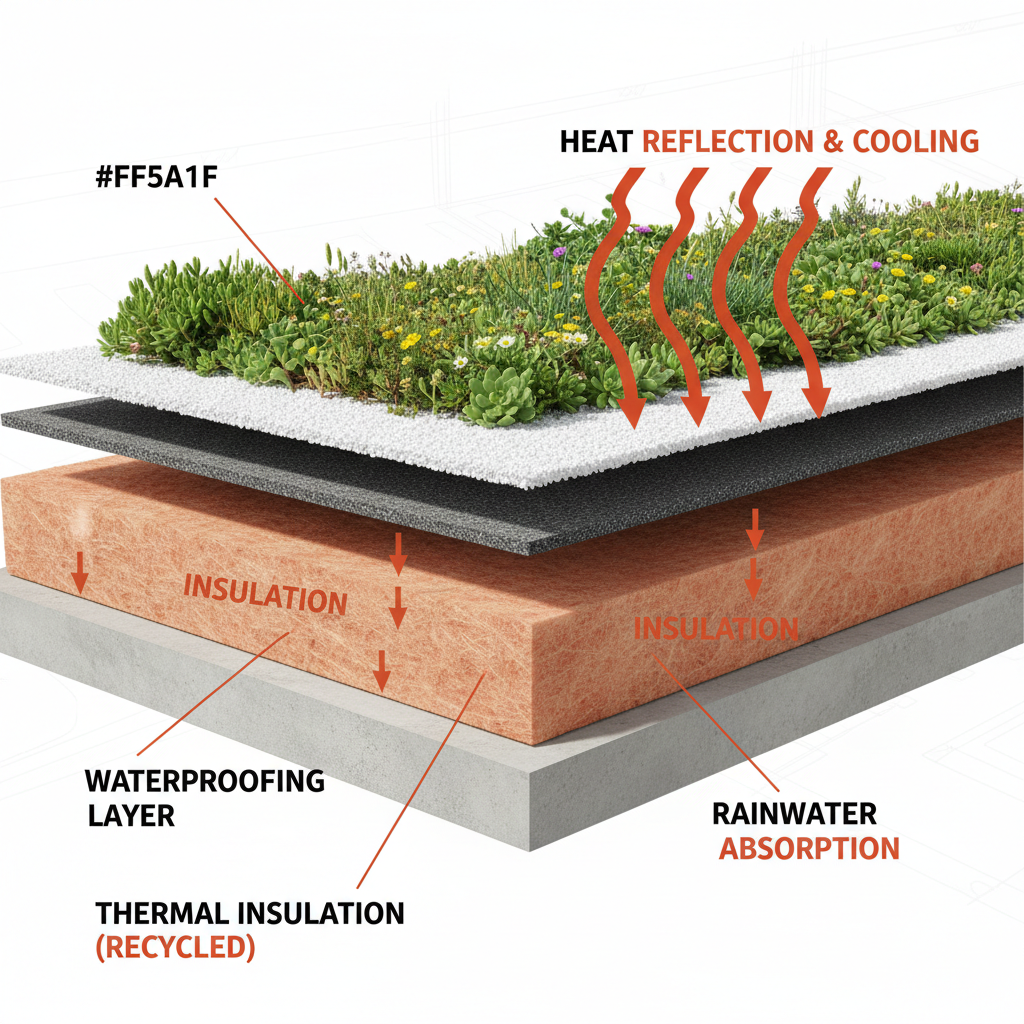
Cool roof technology involves using specialized materials with high solar reflectance and thermal emittance to reflect sunlight and release absorbed heat, thereby keeping a building cooler. In Singapore's equatorial climate, this technology is particularly effective at mitigating heat gain and reducing air-conditioning loads. Cool roofs can significantly lower surface temperatures, sometimes by as much as 15-20°C, compared to conventional dark-colored roofs.
How Cool Roofs Reduce Energy Consumption
Cool roofs reduce energy consumption by preventing heat from entering the building envelope. By reflecting a substantial portion of the sun's energy, these roofs keep the interior cooler, lessening the demand on air conditioning systems. According to a study by the National University of Singapore, cool roofs can lead to energy savings of 10-30% in air-conditioned buildings.
Types of Cool Roof Materials
Types of cool roof materials include specially formulated reflective paints or coatings, high-reflectivity single-ply membranes (TPO, PVC), and light-colored metal roofing. These materials are designed to meet stringent solar reflectance index (SRI) standards, ensuring they remain highly reflective over time. Even light-colored tiles can offer some cool roof benefits compared to traditional darker options.
Key Insight: While cool roofs primarily focus on thermal reflection, their cumulative impact on reducing the urban heat island effect across a city like Singapore can lead to a measurable drop in ambient air temperatures, improving overall outdoor comfort and public health.
Green Roofs in Singapore: Biodiversity and Insulation
Green roofs in Singapore are vegetative layers installed on rooftops, offering multiple environmental and economic benefits. They range from extensive systems with shallow soil and drought-resistant plants to intensive systems with deeper soil and a wider variety of vegetation, including shrubs and small trees. These roofs are a key element in Singapore’s "City in a Garden" vision.
Benefits of Green Roofs for Urban Environments
The benefits of green roofs for urban environments include improved stormwater management, enhanced biodiversity, better air quality, and significant thermal insulation. They absorb rainwater, reducing runoff and the burden on drainage systems, and filter pollutants from the air. A 2018 report by the National Parks Board (NParks) highlighted that green roofs can support a diverse range of urban wildlife, including birds and insects.
Types of Green Roof Systems Suitable for Singapore
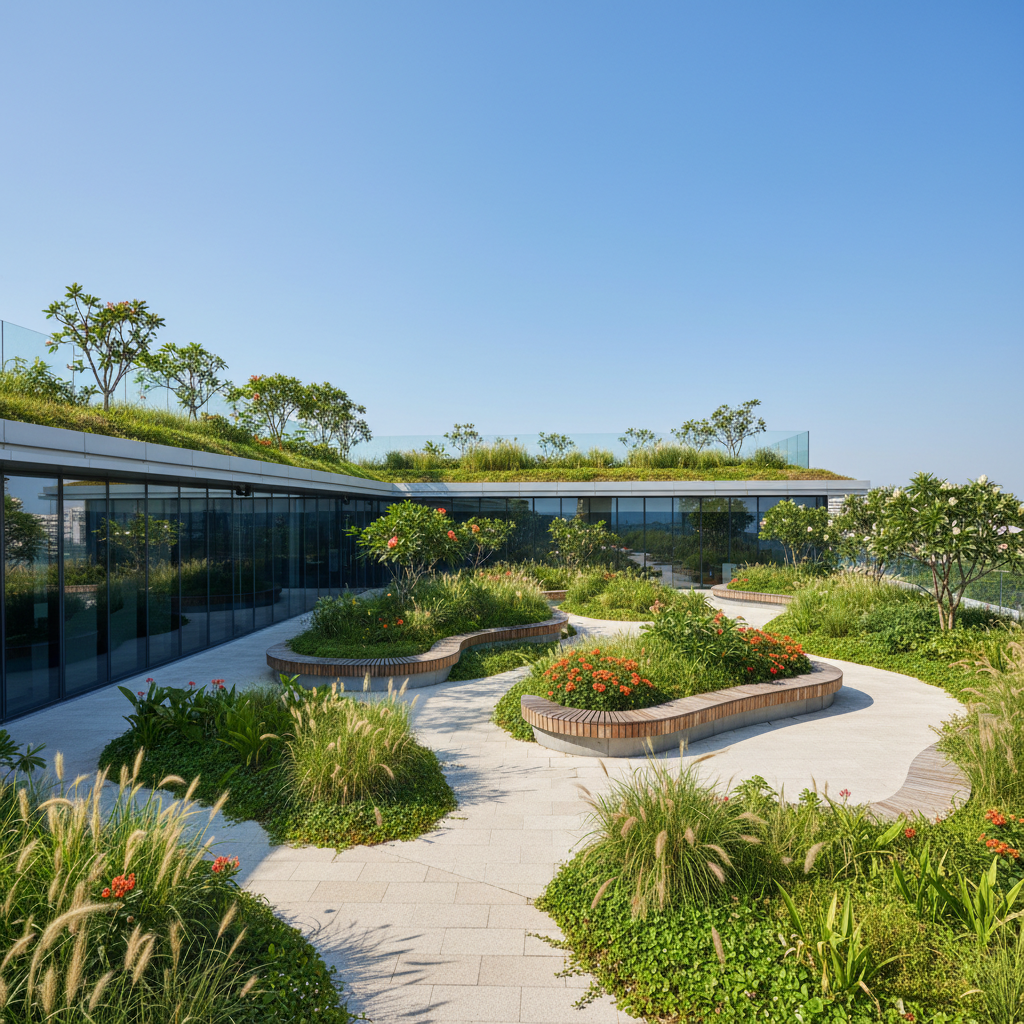
Types of green roof systems suitable for Singapore include extensive green roofs for lighter loads and lower maintenance, and intensive green roofs for greater biodiversity and public access. Semi-intensive systems offer a balance, providing more plant diversity than extensive roofs without the structural demands of intensive ones. Considerations for Singapore's climate include heat-tolerant, rain-resistant plant species and efficient drainage layers.
Recycled Content Roofing Materials: PVC, Metal, and More
Recycled content roofing materials are manufactured using post-consumer or post-industrial waste, reducing landfill burden and conserving natural resources. Utilizing these materials supports a circular economy approach to construction in Singapore. They contribute to green building certifications and demonstrate a commitment to sustainability.
Advantages of Using Recycled Roofing Options
The advantages of using recycled roofing options include lower embodied energy, reduced waste, and often comparable or superior performance to virgin materials. Materials such as recycled PVC, recycled aluminum, and roofing tiles made from reclaimed rubber or plastic offer durable and environmentally responsible alternatives. Manufacturers are increasingly producing materials with verified recycled content percentages.
Common Recycled Materials in Roofing
Common recycled materials in roofing include recycled metal panels (aluminum, steel), which are highly durable and can be endlessly recycled. Recycled rubber shingles offer impact resistance and mimic the look of traditional shingles. Recycled PVC membranes are durable, flexible, and often used in flat or low-slope applications, providing excellent waterproofing. Many composite shingles also incorporate recycled plastics and fibers.
Solar-Ready Roofing: Integrating Renewable Energy
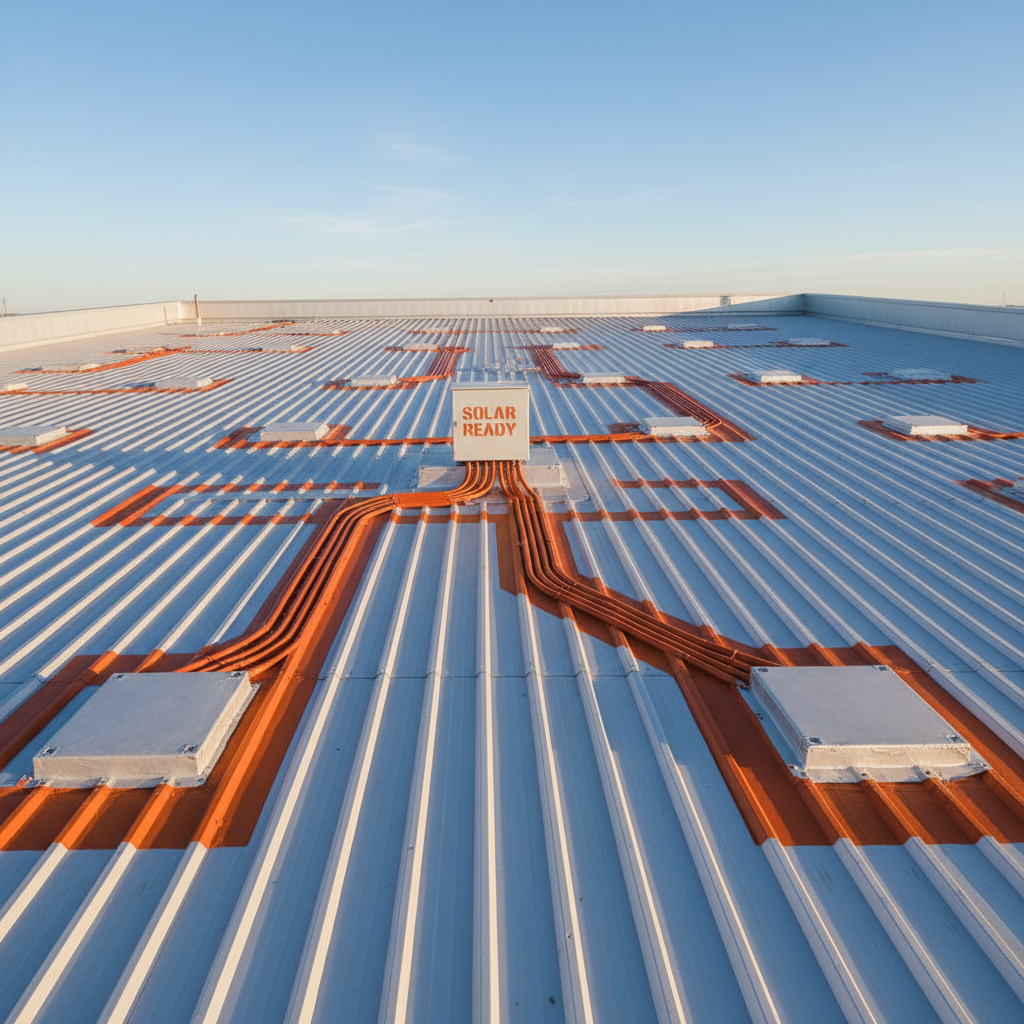
Solar-ready roofing refers to a roof design and construction that is optimized for the future installation of photovoltaic (PV) solar panels. This involves ensuring adequate structural strength, appropriate sizing, and clear pathways for electrical conduits, making it easier and more cost-effective to add solar energy generation later. With Singapore's abundant sunshine, going solar-ready is a strategic long-term investment.
Designing Your Roof for Future Solar Panel Integration
Designing your roof for future solar panel integration typically involves consulting with a roofing contractor and a solar specialist
Benefits of Solar Panel Ready Roofs
The benefits of solar panel ready roofs include reducing future installation costs, accelerating the transition to renewable energy, and increasing the property's energy independence. Property owners can "future-proof" their investment, knowing they can easily tap into solar power when ready, without compromising the roof's integrity or performance. This also contributes to Singapore's goal of scaling up solar deployment.
Benefits of Eco-Friendly Roofing: Energy Savings and Environment
Integrating eco-friendly roofing in Singapore offers a myriad of advantages, most notably substantial energy savings and significant environmental benefits. These roofs contribute to both individual property efficiency and broader urban sustainability goals. The financial incentives and long-term cost reductions make them an increasingly attractive option for both residential and commercial properties.
Reducing Energy Bills and Carbon Footprint
Eco-friendly roofing significantly reduces energy bills by lowering the amount of heat absorbed into the building, thereby decreasing reliance on air conditioning. This directly translates to a smaller carbon footprint for the property. For example, a cool roof can reduce summer peak cooling demand by 10-15%, according to the US Department of Energy. This energy reduction contributes directly to national climate targets.
Environmental Advantages for Singapore
The environmental advantages for Singapore are substantial, including mitigating the urban heat island effect, improving air quality, and enhancing urban biodiversity. Green roofs, in particular, provide habitats for urban wildlife and help manage stormwater runoff, alleviating pressure on the city's drainage infrastructure. These localized benefits contribute to a more resilient and livable urban environment.
Key Insight: Beyond the direct energy savings, eco-friendly roofs contribute to longer HVAC equipment life due to reduced operational hours and lower stress. This often overlooked benefit further enhances the overall return on investment.
Local Regulations and Incentives for Green Buildings
Singapore has implemented robust local regulations and incentives to promote green buildings, recognizing their importance for urban sustainability. These initiatives encourage developers and property owners to adopt eco-friendly roofing and other sustainable practices. Understanding these frameworks is crucial for compliance and maximizing benefits.
BCA Green Mark Scheme and Roofing Requirements
The BCA Green Mark Scheme is Singapore’s national benchmark for environmentally friendly buildings, promoting design, construction, and operation practices that reduce environmental impact. It includes specific requirements and credits related to roofing, such as mandates for solar reflectance, green plot ratio on rooftops, and provisions for solar PV integration. Achieving higher Green Mark ratings often requires incorporating multiple sustainable roofing solutions.
Government Initiatives and Grants for Sustainable Construction
Government initiatives and grants for sustainable construction include schemes from agencies like the Building and Construction Authority (BCA) and the National Environment Agency (NEA). These provide financial support for adopting energy-efficient technologies, including cool roof technology and solar panel ready roofs. For example, grants might cover a percentage of the additional cost for certified green materials or solar PV installations, making them more accessible to property owners.
Choosing the Right Sustainable Option for Your Property
Choosing the right sustainable option for your property's roof involves assessing your specific needs, budget, structural capabilities, and aesthetic preferences. Each eco-friendly roofing solution offers distinct advantages, making a tailored approach essential for maximizing benefits in Singapore's climate. A professional consultation can help navigate these choices effectively.
Factors to Consider for Residential Eco-Roofs
Factors to consider for residential eco-roofs include the property's roof pitch, existing structural capacity, budget, and desired maintenance level. For landed homes, green roofs can greatly enhance aesthetics and provide insulation, while cool roof coatings or light-colored metal roofing offer excellent energy efficiency with minimal maintenance. Ease of solar panel integration should also be a priority if future energy independence is desired.
Commercial and Industrial Green Roofing Solutions
Commercial and industrial green roofing solutions often prioritize durability, energy efficiency, and compliance with BCA Green Mark standards. Large flat roofs are ideal for extensive green roofs, which can significantly reduce cooling loads for expansive interior spaces. Solar PV integration is particularly advantageous for industrial properties with high energy demands, leveraging large roof areas for power generation. Cool roof membranes are also common due to their cost-effectiveness and performance on large surfaces.
Installation Considerations for Eco-Roofs
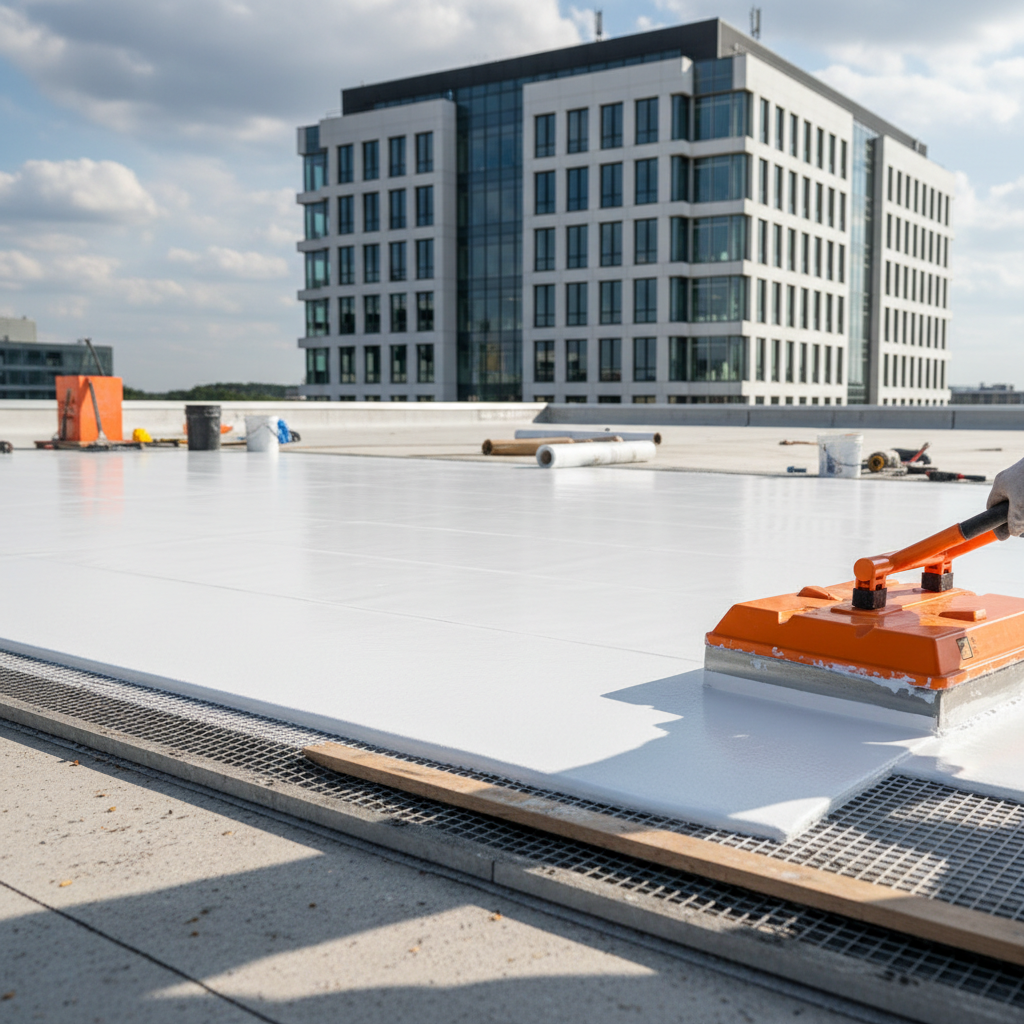
Installation considerations for eco-roofs are critical to ensure long-term performance, durability, and the realization of environmental benefits. Proper planning and professional execution are essential, especially given Singapore's heavy rainfall and high humidity. Specific techniques and expert knowledge are required for each type of eco-friendly roofing.
Expertise Required for Green Roof Installation
Expertise required for green roof installation includes specialized knowledge in waterproofing, drainage systems, structural engineering, and horticulture suitable for Singapore's climate. Installers must ensure the waterproofing membrane is meticulously installed to prevent leaks, the drainage layer effectively manages water, and the chosen vegetation thrives under local conditions. Consulting with a horticulturalist for plant selection is often beneficial.
Structural and Waterproofing Aspects of Cool and Solar-Ready Roofs
The structural and waterproofing aspects of cool and solar-ready roofs are paramount. For cool roofs, ensuring the reflective coating or membrane adheres properly and is durable enough to withstand tropical weather is key. For solar-ready roofs, reinforcing the structure to bear the weight of solar panels and mounting hardware is crucial. The existing waterproofing must be in excellent condition, or new, robust waterproofing layers should be installed to protect against water ingress, especially where penetrations for solar mounts are made. Regular inspections of the roofing system are also vital to maintain its integrity over time.
Frequently Asked Questions
What is the average lifespan of an eco-friendly roof in Singapore?
The average lifespan of an eco-friendly roof in Singapore can vary. Cool roofs with coatings might require reapplication every 10-20 years, while high-quality cool roof membranes and metal roofs can last 30-50 years. Green roofs require ongoing maintenance but their base waterproofing layer can last 40-60 years if properly installed.
How much can eco-friendly roofing reduce my energy bills in Singapore?
Eco-friendly roofing can significantly reduce energy bills in Singapore. Cool roofs can lower air conditioning costs by 10-30%, depending on the building's insulation and usage. Green roofs provide excellent insulation, potentially leading to similar or even greater savings. Solar-ready roofs, once panels are installed, can reduce electricity bills by an even higher percentage, potentially offsetting a large portion of consumption.
Are there grants available for installing green roofs on HDB flats?
Yes, the Housing & Development Board (HDB) has launched initiatives like the "Greenprint" programme encouraging green features, which may include provisions or pilots for green roofs on specific HDB blocks. Property owners of HDB flats should check with their Town Council or HDB directly for specific grants or schemes applicable to their area.
Do eco-friendly roofs require more maintenance than traditional roofs?
Some eco-friendly roofs, particularly green roofs, do require more active maintenance (watering, pruning, pest control) than traditional roofs to keep the vegetation healthy. Cool roofs and solar-ready roofs generally require similar or slightly less maintenance than conventional roofs, though periodic cleaning to maintain reflectivity and inspecting solar panels might be necessary.
What is the payback period for investing in eco-friendly roofing in Singapore?
The payback period for investing in eco-friendly roofing in Singapore varies widely based on the chosen technology, initial cost, and energy savings. Cool roofs might see a payback in 5-10 years through reduced energy bills. Solar-ready roofs, once panels are installed, could offer a payback period of 6-12 years, especially with government incentives and rising electricity prices.
Can I install solar panels on any eco-friendly roof?
While many eco-friendly roofs are designed to be solar-ready, not all are inherently suitable without modifications. Green roofs require careful engineering to integrate solar panels, ensuring structural support and avoiding shading. Cool roofs are ideal for solar panel integration as their reflective properties can even enhance panel efficiency by keeping the roof surface cooler.
Conclusion
Adopting eco-friendly roofing in Singapore represents a powerful step towards sustainable property ownership and urban development. From energy-saving cool roof technology to biodiversity-boosting green roofs and future-proof solar-ready roofing, a range of solutions exists to meet diverse needs. By embracing these innovative approaches, property owners can significantly reduce their energy consumption, lower utility costs, and contribute meaningfully to Singapore's environmental goals. Investing in sustainable roofing is not just a responsible choice for the planet, but also a smart financial decision that enhances property value and longevity in a city committed to green living.


Comments