

Top 5 Roofing Materials for Singapore's Climate: Pros & Cons
- eckent
- Jul 16
- 6 min read
Selecting the right roofing materials in Singapore is crucial for ensuring the longevity and performance of any building, given the country's unique tropical climate. The intense heat, high humidity, and frequent heavy rainfall necessitate roofing solutions that can withstand these environmental challenges while providing adequate protection and insulation. Making an informed choice about your roofing material can significantly impact energy efficiency, maintenance costs, and the overall structural integrity of your property.
Quick Answer:
Understanding Singapore's climate is key to selecting appropriate roofing solutions Singapore.
Concrete or Clay Tiles offer classic aesthetics and durability but are heavy.
Metal Roofing (Aluminium, Steel) provides modern resilience, lightweight properties, and heat reflection.
Asphalt Shingles are an economical option, though less common in Singapore's climate.
Flat Roof Systems are ideal for commercial and industrial applications, emphasizing superior waterproofing.
Green Roofs offer eco-friendly benefits and insulation, representing an emerging trend.
Table of Contents
Understanding Singapore's Climate: Heat, Humidity, and Rain
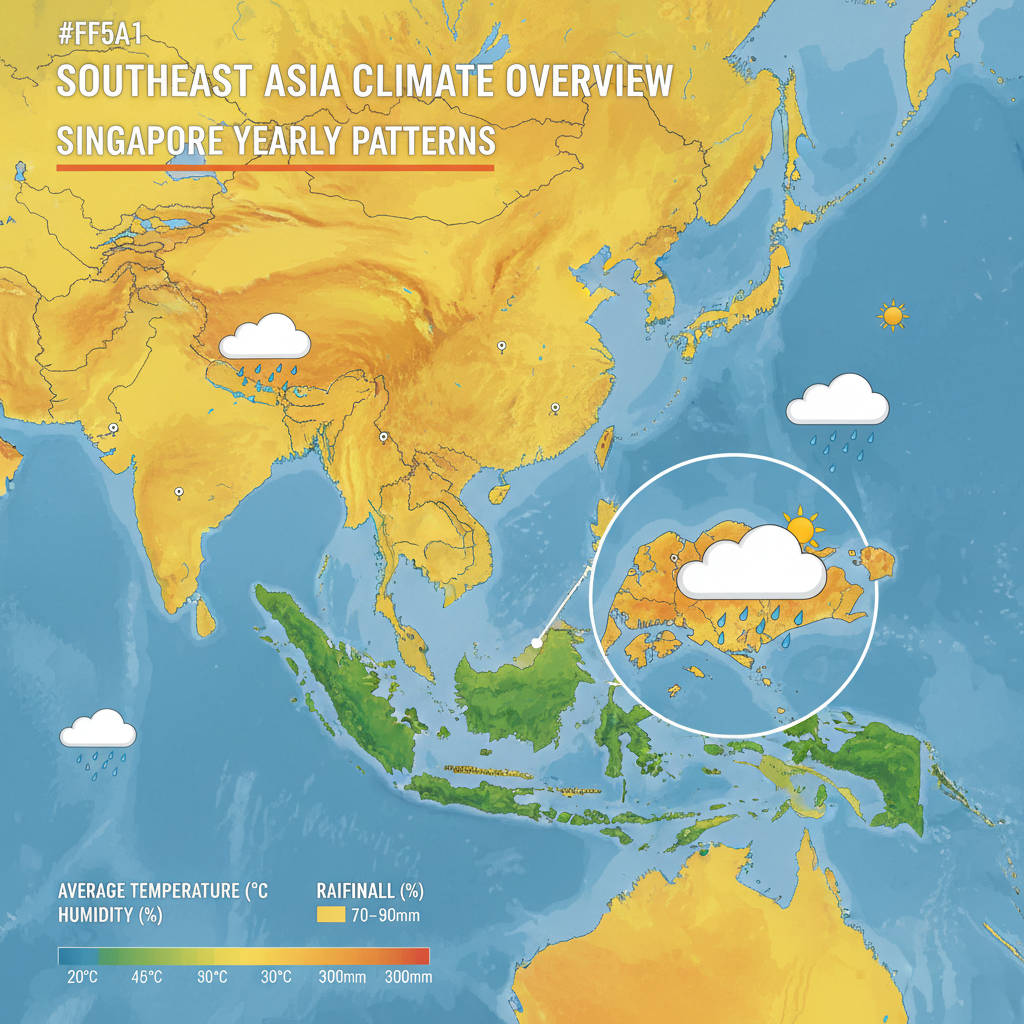
Singapore experiences a tropical rainforest climate, characterized by consistently high temperatures, high humidity, and abundant rainfall throughout the year. The average daily temperature hovers around 27°C, with humidity frequently exceeding 80%. This combination creates an environment where materials are prone to rapid degradation, fungal growth, and heat absorption. Heavy downpours and thunderstorms are common, often leading to significant water runoff and requiring robust waterproofing solutions to prevent leaks and structural damage.
Top 5 Roofing Materials for Singapore
Several types of roofing materials Singapore are available, each with distinct characteristics suitable for different applications and preferences. The following sections detail five popular options, highlighting their benefits and drawbacks specifically for the Singaporean climate.
1. Concrete or Clay Tiles: Classic Durability
Concrete or clay tiles are traditional roofing materials known for their classic aesthetic and remarkable durability, making them a popular choice for residential properties in Singapore. These tiles are typically made from natural materials, offering good thermal mass which can help moderate indoor temperatures.
Pros and Cons
Maintenance Tips
Regular maintenance for concrete and clay tiles in Singapore primarily involves cleaning to prevent moss and algae growth, which thrives in humid conditions. A professional roof cleaning every few years can ensure the tiles remain structurally sound and aesthetically pleasing. Damaged or cracked tiles should be replaced promptly to prevent water ingress.
2. Metal Roofing (e.g., Aluminium, Steel): Modern & Resilient
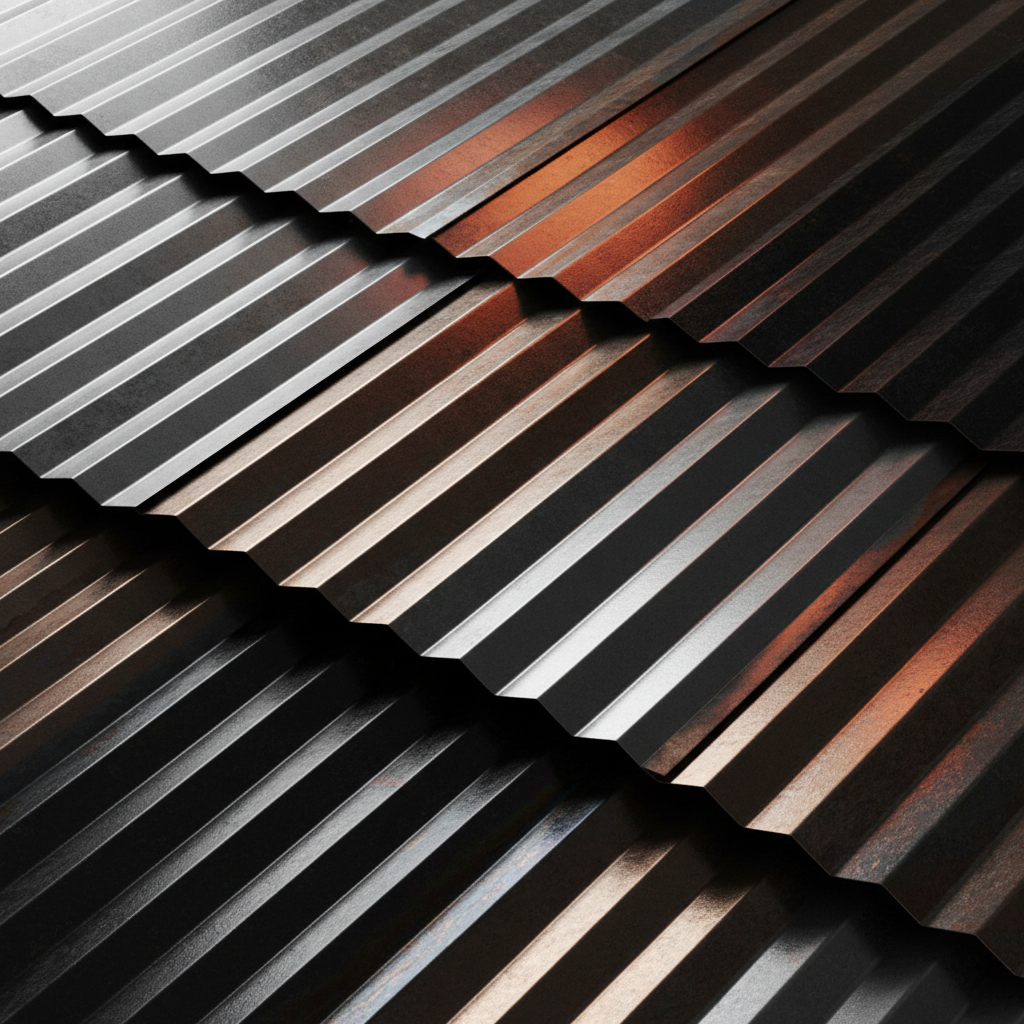
Metal roofing Singapore, particularly options like aluminium and steel, represents a modern and increasingly popular choice due to its resilience, lightweight nature, and excellent performance in tropical climates. These materials often feature reflective coatings that help reduce heat absorption.
Pros and Cons
Installation Considerations
Proper installation of metal roofing Singapore is critical to ensure optimal performance. This includes correct fastening techniques, adequate underlayment for sound dampening and secondary waterproofing, and precise flashing around penetrations. Good ventilation in the attic space is also crucial to manage heat buildup and condensation.
Key Insight: While metal roofing can be more expensive upfront, its long lifespan and potential energy savings from reduced air-conditioning usage often lead to a lower total cost of ownership over time in Singapore's climate.
3. Asphalt Shingles: Economical & Versatile
Asphalt shingles are a widely used roofing material globally, known for their affordability and versatility, though they are less common in Singapore compared to tiles or metal. They consist of a base mat coated with asphalt and ceramic granules.
Pros and Cons
While not a primary choice for durable roof Singapore due to the harsh tropical conditions accelerating wear, asphalt shingles can be suitable for certain projects with budget constraints or for smaller, less exposed roof areas, provided proper ventilation and maintenance are implemented.
4. Flat Roof Systems (e.g., Torch-on Membrane, Liquid Applied)
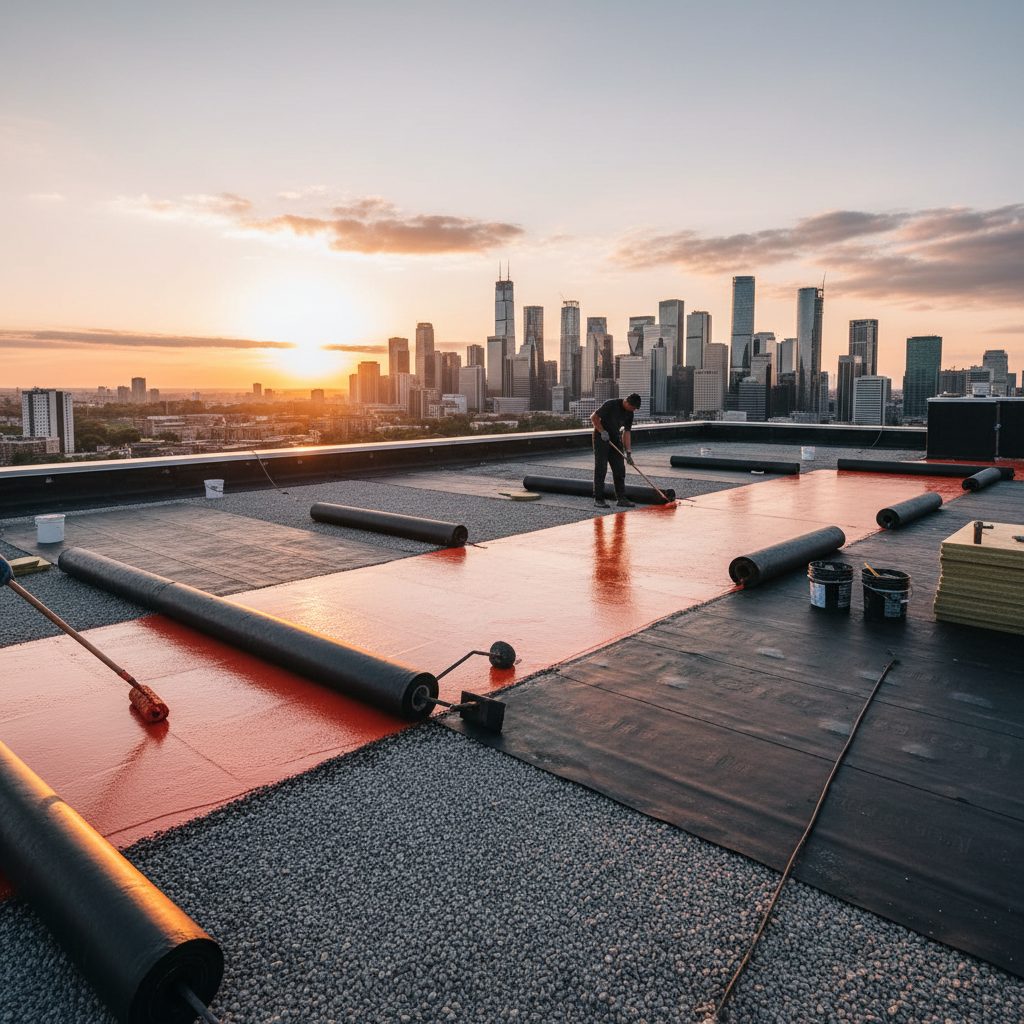
Flat roof systems Singapore are common for commercial, industrial, and sometimes modern residential properties. These systems rely heavily on advanced waterproofing membranes to prevent leaks, especially under the heavy rainfall experienced in Singapore. Torch-on membranes (bituminous) and liquid-applied membranes (polyurethane, acrylic) are two prevalent types.
Pros and Cons (for Commercial/Industrial)
Waterproofing Importance
For flat roofs in Singapore, waterproofing is not just essential; it is paramount. Even small imperfections in the membrane can lead to significant water ingress during monsoons. High-quality waterproofing contractors Singapore are vital for selecting and applying the correct membrane system, ensuring proper drainage slopes, and meticulously sealing all seams and penetrations to create an impenetrable barrier.
Key Insight: The success of a flat roof in Singapore hinges entirely on the quality of its waterproofing system and installation. Investing in premium membranes and expert application prevents costly water damage down the line.
5. Green Roofs: Eco-Friendly & Insulating (Emerging Trend)
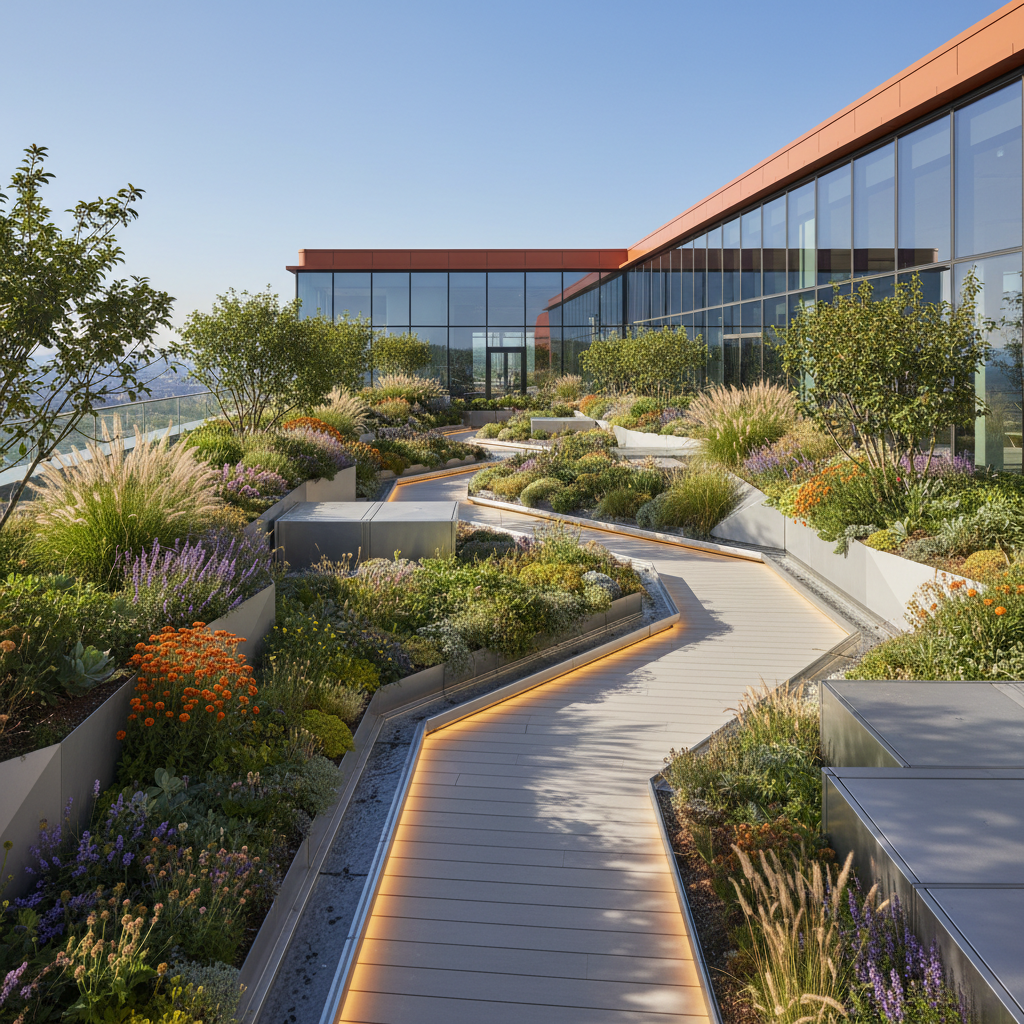
Green roofs involve partially or completely covering the roof with vegetation planted over a waterproofing membrane. This emerging trend offers significant environmental benefits and improved thermal performance, aligning with Singapore's "City in Nature" vision. They come in extensive (shallow soil, low maintenance) and intensive (deeper soil, more diverse planting) types.
Pros and Cons
Factors to Consider When Selecting Your Roofing Material
Choosing the appropriate roofing materials Singapore requires evaluating several factors beyond just the material type. These considerations ensure the selected roof meets specific needs, budget, and long-term performance expectations.
Budget and Aesthetics
The initial cost of roofing materials varies widely, from the economical asphalt shingles to premium metal or complex green roof systems. Beyond the material itself, consider installation costs, which can differ based on material complexity and the roof's design. Aesthetics also play a significant role, especially for residential properties. The roof contributes significantly to a building's overall appearance and can impact property value. Homeowners balance desired aesthetics with budget constraints.
Longevity and Maintenance
The lifespan of a roof is a critical factor, directly influencing long-term costs and peace of mind. Some materials, like concrete tiles and metal, can last over 50 years with proper care, while others, like asphalt shingles, may need replacement in 15-30 years in Singapore's climate. Maintenance requirements also differ, with green roofs demanding the most attention, and metal roofs generally requiring the least. Understanding the routine and non-routine maintenance needed helps budget for future upkeep.
Energy Efficiency
Given Singapore's consistent warmth, a roof's energy efficiency is paramount. Materials that reflect sunlight or provide good insulation can significantly reduce the need for air conditioning, leading to lower electricity bills. White or light-colored roofing materials, reflective coatings, and insulation layers are effective strategies for creating heat-resistant roofing that minimizes solar heat gain. Green roofs are particularly effective insulators, offering an appealing eco-friendly option.
Amber Services: Your Guide to Optimal Roofing Solutions
Amber Services Pte Ltd offers comprehensive roofing solutions Singapore, drawing on over 30 years of experience. Our expert team understands the nuances of Singapore's climate and customizes recommendations to meet specific project requirements, ensuring you receive the best roof tiles Singapore or alternative durable roof Singapore options. We provide high-quality installation and maintenance services for residential, commercial, and industrial properties. From initial consultation to final inspection, we ensure each roofing project is executed with precision and adherence to the highest standards, ensuring long-term protection and peace of mind for our clients.
Frequently Asked Questions
What is the most durable roofing material for Singapore's weather?
Metal roofing, particularly coated steel or aluminium, and concrete or clay tiles are generally considered the most durable options for Singapore's weather, offering long lifespans and excellent resistance to heat, heavy rain, and high humidity.
Are green roofs worth the investment in Singapore?
Green roofs offer significant long-term benefits in Singapore, including superior thermal insulation, reduced stormwater runoff, improved air quality, and enhanced biodiversity. While they have higher initial costs and require maintenance, their environmental and energy-saving advantages can make them a worthwhile investment.
How often should I clean my roof in Singapore?
Regular roof cleaning is advisable every 1-3 years in Singapore to prevent the build-up of moss, algae, and debris, which thrive in humid conditions. This maintenance helps preserve the roof's integrity, appearance, and extends its lifespan, especially for tiled roofs.
Can flat roofs withstand Singapore's heavy rainfall?
Yes, flat roofs can withstand Singapore's heavy rainfall effectively, provided they are designed with proper drainage slopes and utilize high-quality, continuous waterproofing membranes. Expert installation is crucial to prevent ponding and ensure leak-free performance.
What are good heat-resistant roofing options for humid climates?
Good heat-resistant roofing options for humid climates like Singapore include light-colored or reflective metal roofing, which bounces off solar radiation, and well-insulated concrete/clay tiles. Green roofs also offer excellent thermal insulation by shielding the roof surface from direct sun.
Conclusion
Choosing the right roofing materials in Singapore is a critical decision that impacts a building's longevity, energy efficiency, and maintenance needs. By carefully considering the unique tropical climate, along with factors like budget, aesthetics, durability, and energy efficiency, property owners can select a roofing solution that offers optimal protection and value. Whether opting for the classic appeal of concrete tiles, the modern resilience of metal, or the eco-conscious benefits of a green roof, investing in quality materials and expert installation is paramount for ensuring a durable roof Singapore for years to come.


Comments