

Roof Waterproofing Cost Singapore: Get a Transparent Breakdown
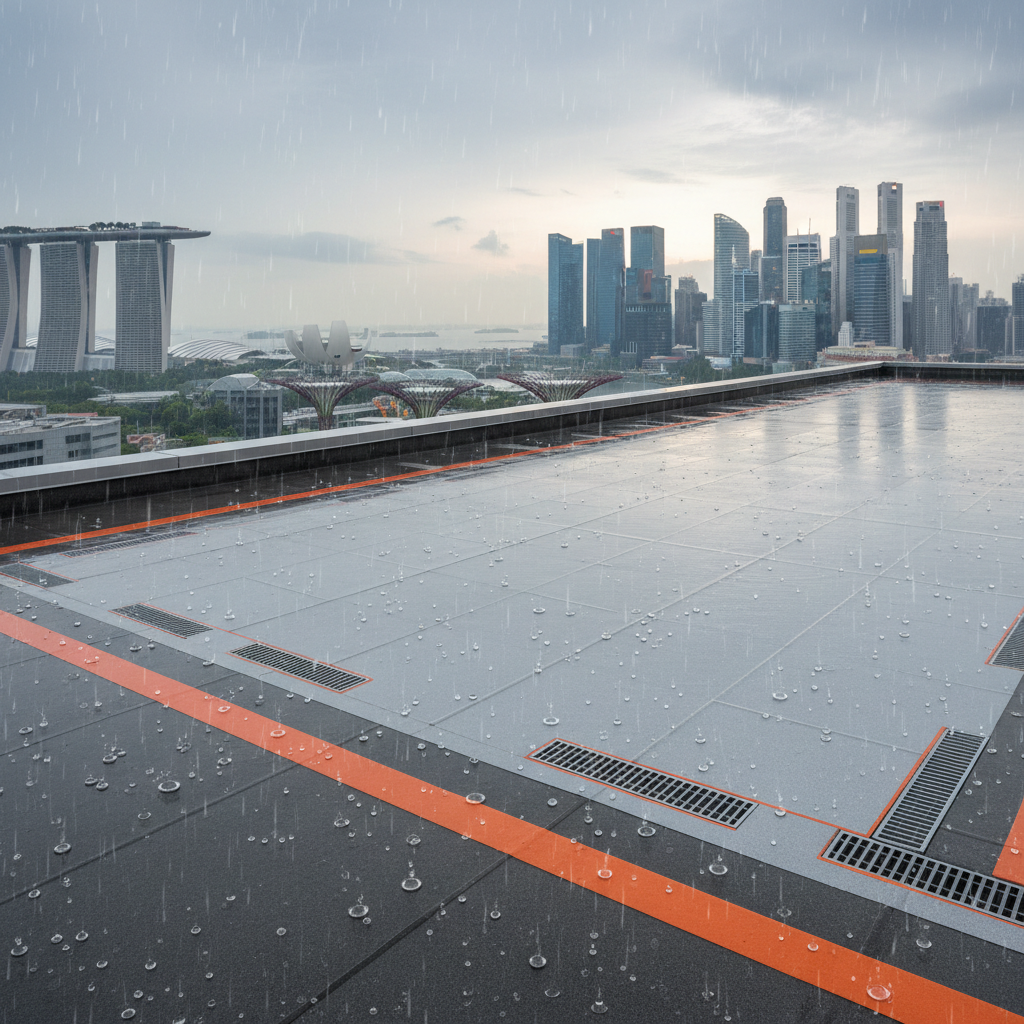
The roof waterproofing cost Singapore homeowners and businesses face is a crucial consideration for property maintenance, as effective waterproofing protects your asset from the humid tropical climate. Understanding these costs helps you budget appropriately and secure your property against water damage, which can lead to significant structural issues and costly repairs if left unaddressed.
Quick Answer:
Factors like property type, roof size, material choice, and existing damage significantly impact cost.
Common waterproofing methods include liquid-applied membranes, torch-on membranes, and cementitious coatings.
Costs typically range from S$6 to S$25 per square foot, varying with complexity and material quality.
Investing in quality waterproofing prevents future expensive repairs and extends roof lifespan.
Selecting a reputable contractor is essential for transparent pricing and durable results.
Table of Contents
The Necessity of Roof Waterproofing in Singapore
Roof waterproofing is essential in Singapore due to its tropical climate, characterized by high humidity and frequent heavy rainfall. A properly waterproofed roof prevents water penetration, safeguarding the building's structural integrity, interior finishes, and electrical systems from damage. Without adequate protection, persistent leaks can lead to issues like ceiling stains, peeling paint, mold growth, short-circuits, and even compromise the building's foundation over time.
Factors Influencing Roof Waterproofing Costs
Several key factors significantly influence the overall roof waterproofing cost Singapore property owners can expect. These include the size and accessibility of the roof, the type of property, the chosen waterproofing method, necessary preparatory work, and the extent of any existing damage.
Property Type and Roof Size
The type of property—residential (HDB, condominium, landed), commercial, or industrial—affects cost due to varying roof structures, access requirements, and regulatory standards. Larger roofs, naturally, demand more materials and labor, driving up the total cost. For instance, HDB waterproofing cost might differ from that of a private condominium or a large industrial warehouse.
Roof Condition and Accessibility
If the existing roof has significant damage, such as cracks, blisters, or extensive ponding, more intensive repair and preparation work will be needed before waterproofing can begin, increasing the labor and material costs. Difficult access, such as very high-rise buildings or roofs with many obstacles (HVAC units, pipes), can also escalate labor costs due to the specialized equipment and safety measures required.
Choice of Waterproofing System
Different waterproofing systems, such as torch-on membranes, liquid-applied membranes, or cementitious coatings, come with varying material costs and application complexities. The material chosen directly impacts durability and effectiveness, and consequently, the price.
Warranty and Contractor Reputation
Reputable contractors often charge more, but they also provide higher quality workmanship and offer warranties (typically 5-10 years in Singapore for roof waterproofing), which provides peace of mind and protection against future issues. A warranty ensures that any defects arising from the waterproofing application within the specified period will be rectified at no extra cost.
Types of Waterproofing Systems and Their Price Points
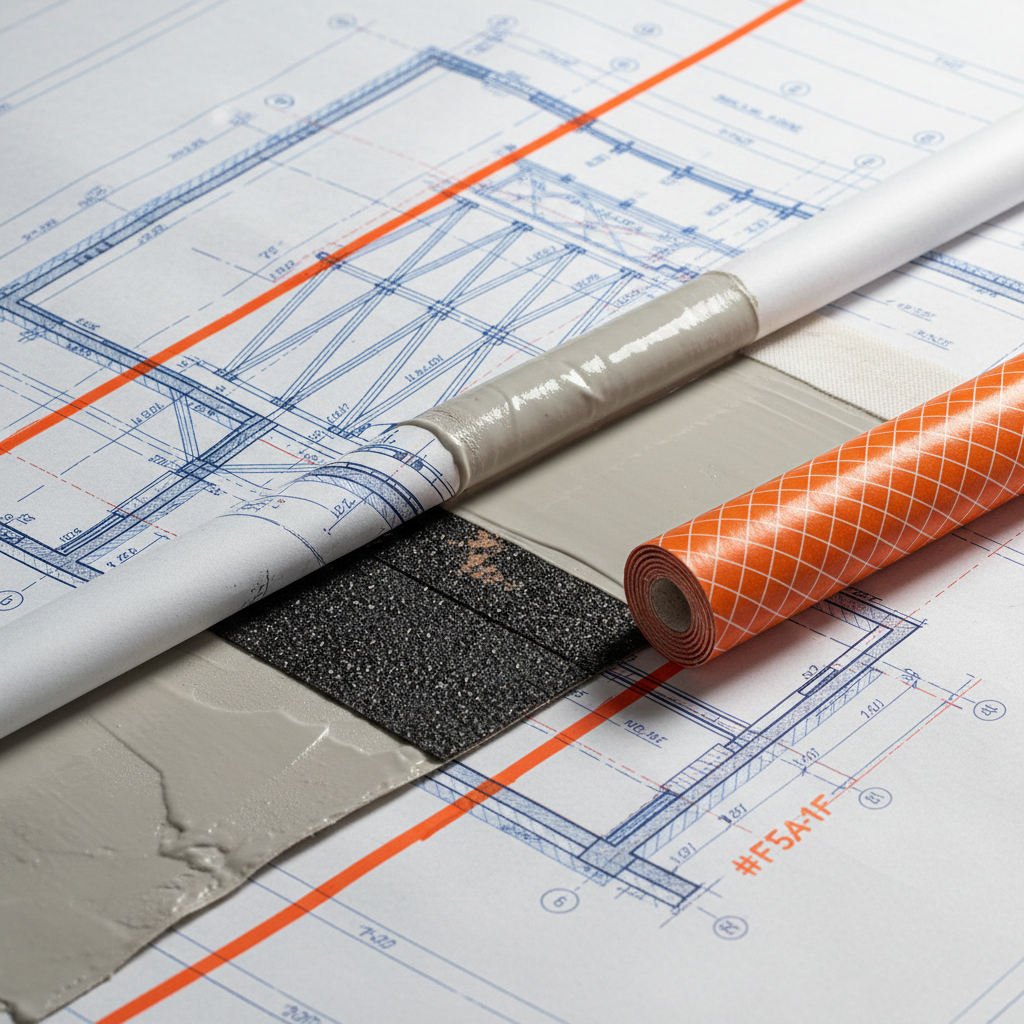
In Singapore, several effective waterproofing systems are commonly used, each suited for different roof types and offering distinct advantages regarding durability and waterproofing price per sq ft Singapore.
1. Torch-On Bituminous Membranes
Torch-on membranes are rolls of modified bitumen material, typically reinforced with polyester or fiberglass, which are unrolled and heat-fused onto the roof surface using a torch. This creates a strong, seamless, and highly durable waterproof layer. They are particularly popular for flat roofs and concrete decks due to their excellent resistance to UV radiation and thermal expansion.
Pros: Highly durable, long lifespan (often 10-20 years), good resistance to foot traffic and punctures.
Cons: Requires skilled application, open flame use can be a safety concern, less flexible for intricate details.
Price Point: Generally in the mid to high range, S$12 - S$25 per square foot, including installation.
2. Liquid-Applied Membranes
Liquid-applied membranes are coatings (e.g., acrylic, polyurethane, silicone) that are sprayed or rolled onto the roof surface, curing to form a seamless, elastic, and monolithic membrane. These are highly versatile and can conform to complex roof shapes, parapet walls, and penetrations.
Pros: Seamless application, highly flexible, excellent for complex designs, UV resistant (especially acrylic and polyurethane).
Cons: Curing time required, thickness consistency depends on application skill, can be sensitive to weather during application.
Price Point: Varies widely based on material quality, from S$8 - S$20 per square foot for common applications. Specialty polyurethane might be higher.
3. Cementitious Waterproofing
Cementitious waterproofing involves applying a cement-based polymer modified coating, typically in multiple layers, directly to a concrete substrate. It's often used for internal wet areas but can also be applied to roofs, especially beneath tiles or screeds. It forms a rigid, protective barrier.
Pros: Easy to apply, strong adhesion to concrete, good for structural integrity.
Cons: Less flexible than membranes, prone to cracking if structural movement occurs, generally not exposed to direct UV or heavy foot traffic.
Price Point: Often the most economical option, typically S$6 - S$15 per square foot, primarily for areas that will be covered.
4. Polyurethane (PU) Injection
Polyurethane (PU) injection is a specific method used primarily for leak repair cost Singapore property owners incur when pinpointing and sealing active leaks in concrete structures. A resin is injected into cracks, fissures, or joints, which reacts with water to expand and form a waterproof seal.
Pros: Highly effective for targeted leak sealing, quick results.
Cons: Not a full-surface waterproofing solution, primarily for repairs rather than preventative full roof sealing.
Price Point: Varies significantly depending on the extent of the leak and injection points, often quoted per injection point or lineal meter of crack.
Key Insight: While torch-on and liquid-applied membranes offer robust long-term solutions for exposed roofs, cementitious options are more budget-friendly for protected areas. PU injection is a remedial solution, not a primary waterproofing method.
Cost Breakdown: Materials, Labor, and Additional Services
A comprehensive waterproofing cost quote typically itemizes expenses into several categories. Understanding this breakdown helps in evaluating the fairness and completeness of the proposal.
Materials
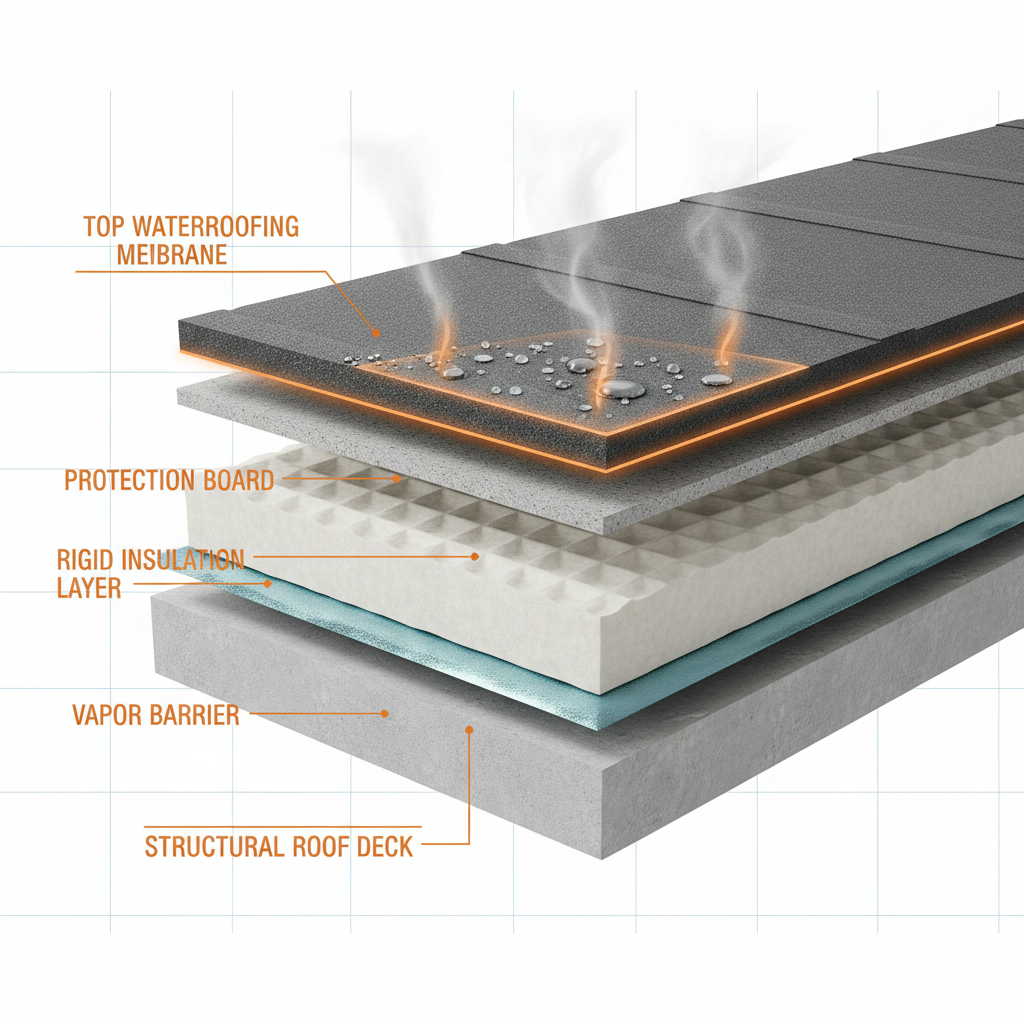
This covers the cost of the waterproofing membrane or coating itself, including primers, sealants, repair patches, and any necessary reinforcing fabrics. Waterproofing materials cost can constitute a significant portion, especially for high-performance systems like modified bitumen or advanced polyurethane.
Labor
Labor costs account for the specialized skills and effort required for surface preparation, meticulous application of the waterproofing system, and quality control. This includes the demolition of old waterproofing, cleaning, patching, and the actual laying or application of the new material. Leak repair cost Singapore contractors charge will often have a higher labor component due to the diagnostic work involved.
Surface Preparation
A critical phase, surface preparation can involve pressure washing, grinding, patching cracks, applying screed to improve drainage, and removing existing failed waterproofing. Thorough preparation ensures optimal adhesion and longevity of the new system. Failure at this stage is a common reason for early waterproofing system failure.
Scaffolding and Access
For multi-story buildings or roofs with difficult access, the cost of scaffolding, safety equipment, or specialized lifting machinery will be included. This is particularly relevant for commercial waterproofing prices on taller structures.
Waste Disposal
The proper disposal of old waterproofing materials, debris, and packaging is an environmental and logistical consideration that adds to the overall cost.
Average Roof Waterproofing Costs in Singapore (Per Sq Ft)
The average roof waterproofing cost in Singapore typically ranges from S$6 to S$25 per square foot, depending largely on the methodology and scope of work. It is crucial to note these are estimates, and actual costs can vary based on the specific project.
Transparent Pricing: What to Expect from a Quote
A transparent quote for roof waterproofing cost Singapore should be detailed and itemized, preventing hidden charges and misunderstandings.
Expect a written proposal that clearly outlines:
Scope of Work: What specific areas will be waterproofed, including parapet walls, drains, and penetrations.
Materials: The specific type of waterproofing system and brand names of materials to be used.
Labor: Breakdown of labor charges, including preparatory work and application.
Timeline: Estimated project start and completion dates.
Warranty: Details about the warranty period and what it covers.
Payment Schedule: Clear terms for deposits and progress payments.
Beware of quotes that are significantly lower than others, as this might indicate corner-cutting on materials or labor, which can lead to premature failure of the waterproofing system.
Why Investing in Quality Waterproofing Pays Off
Investing in quality roof waterproofing is a preventative measure that offers substantial long-term savings and protects your property's value. Poor waterproofing can lead to incessant leaks, which subsequently cause a cascade of expensive problems.
For example, a leaky roof can damage plaster ceilings, internal wall finishes, flooring, and electrical wiring. Repairing these secondary damages can far exceed the initial waterproofing cost. According to industry estimates, extensive water damage repairs can cost homeowners upwards of tens of thousands of Singapore dollars, in addition to the original waterproofing replacement. A high-quality system, installed by experienced professionals, can last 10-20 years, effectively deferring these potential costs. It also maintains the structural integrity of your building and prevents the development of unhealthy mold and mildew. This resilience is especially critical for flat roof waterproofing cost considerations, where water ponding is a greater risk.
Key Insight: While the initial outlay for quality waterproofing might seem significant, it acts as a long-term insurance policy against far more expensive water damage, preserving both the aesthetics and structural health of your property.
Signs You Need Roof Waterproofing
Recognizing the early signs of waterproofing failure can save property owners a substantial amount in future repair costs. Prompt action upon noticing these indicators is crucial to prevent further damage.
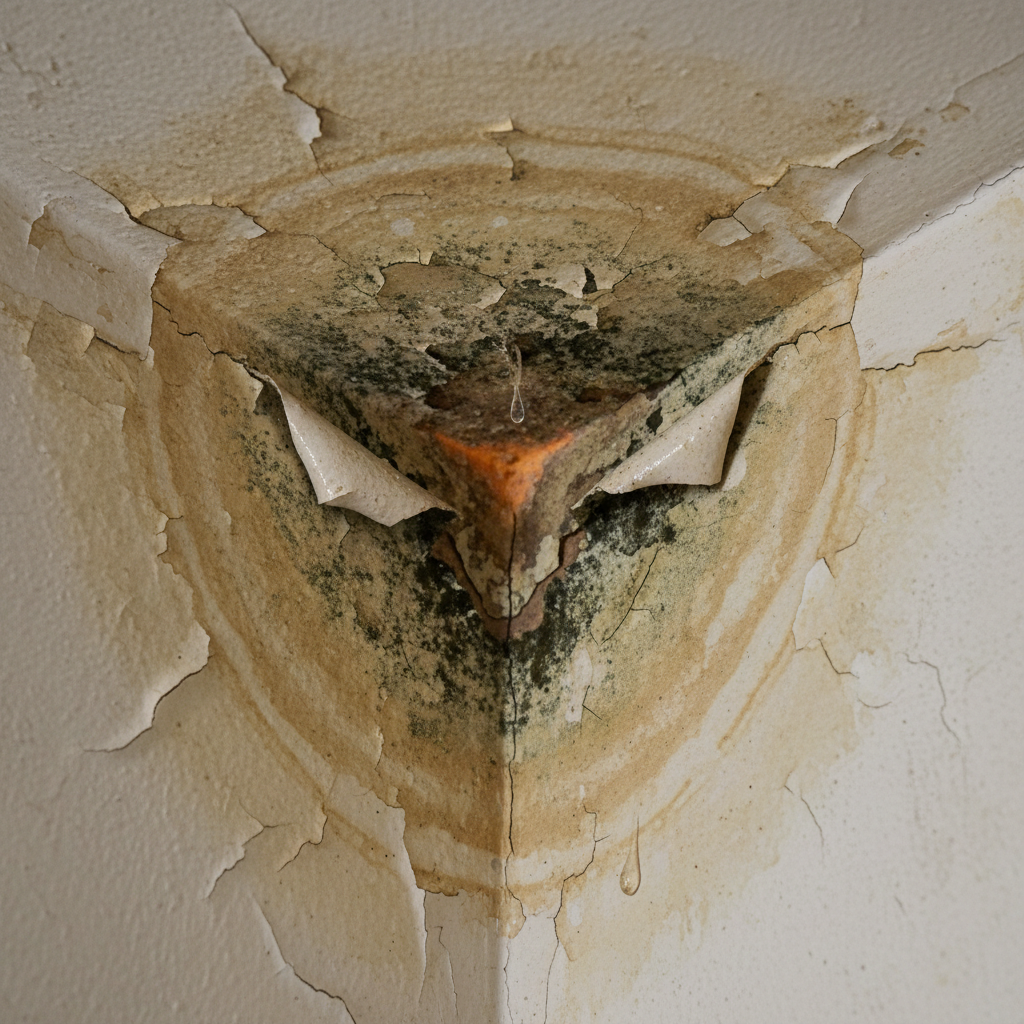
Water Stains on Ceilings or Walls: These are often the most obvious indicators of a leak. Stains can appear as discolored patches, sometimes accompanied by bubbling paint or plaster.
Dripping Water: Direct drips are undeniable evidence of a breach in the waterproofing layer.
Mold or Mildew Growth: Persistent dampness from leaks creates an ideal environment for mold and mildew, often accompanied by a musty odor. This is a common consequence of failing HDB waterproofing cost neglect.
Cracks or Blisters on the Roof Surface: Visible damage to the existing waterproofing membrane or coating indicates its integrity is compromised. Blisters are often caused by trapped moisture expanding under sunlight.
Ponding Water After Rain: If water remains on a flat roof for more than 48 hours after rainfall, it suggests poor drainage or structural depressions that can lead to accelerated degradation of the waterproofing.
Presence of Efflorescence: White, powdery mineral deposits on external walls or concrete surfaces (efflorescence) can indicate water seeping through the structure and carrying dissolved salts to the surface.
Increased Humidity Indoors: Unexplained dampness or a rise in indoor humidity levels, even with air conditioning, can point to water intrusion.
Choosing the Right Waterproofing Contractor
Selecting a qualified and reliable contractor is paramount for ensuring a durable and effective waterproofing solution, especially for jobs impacting commercial waterproofing prices where business operations can be severely disrupted by leaks.
Experience and Specialization: Look for contractors with proven experience in the specific type of waterproofing your roof requires (e.g., flat roof, pitched, commercial). A contractor with over 10-15 years of dedicated experience in Singapore's climate is preferable.
Reputation and Reviews: Check online reviews, testimonials, and ask for references from past clients. A strong reputation indicates reliability and quality workmanship.
Licensed and Insured: Ensure the contractor holds all necessary licenses and permits in Singapore. They should also carry comprehensive liability insurance (Worker's Compensation, General Liability) to protect against accidents or damage during the project.
Transparent Quotation: A reputable contractor provides a clear, itemized quote detailing services, materials, and costs. They should be able to explain each line item thoroughly.
Warranty: Inquire about the warranty offered on both materials and workmanship. A good warranty (e.g., 5-10 years) reflects confidence in their work.
Site Inspection: A professional contractor will conduct a thorough on-site inspection before providing a quote to accurately assess the roof condition and recommend the most suitable solution.
Communication: Assess their responsiveness and clarity in communication. A good contractor keeps you informed throughout the project.
Tips to Reduce Long-Term Waterproofing Expenses
While focusing on the immediate roof waterproofing cost Singapore, it's wise to consider strategies that can minimize expenses over the lifespan of your roof. Proactive maintenance and informed choices are key.
Regular Inspections and Maintenance: Conduct annual roof inspections to identify and address minor issues like small cracks or blocked drains before they escalate into major leaks. This keeps leak repair cost Singapore minimal.
Choose Durable Materials: Opt for high-quality, long-lasting waterproofing systems. While the upfront cost may be higher, their extended lifespan and reduced maintenance needs often result in lower lifetime costs.
Ensure Proper Drainage: Implement or improve roof drainage systems to prevent water ponding. Good drainage reduces stress on waterproofing membranes and prolongs their life.
Professional Installation: Hire experienced and reputable contractors. Improper installation is a leading cause of premature waterproofing failure, leading to costly re-works.
Address Repairs Promptly: Do not delay fixing small leaks. A minor leak can quickly become a significant problem, jeopardizing structural integrity and incurring much higher repair costs.
Consider Roof Coatings: For minor issues or as a preventative measure, certain roof coatings can extend the life of an existing membrane, delaying the need for a full replacement.
Understand Your Warranty: Familiarize yourself with your waterproofing warranty. Knowing what's covered can save you from unexpected costs if issues arise within the warranty period.
Conclusion
Understanding the roof waterproofing cost Singapore involves more than just a price tag; it's an investment in your property's longevity and your peace of mind. By considering factors like roof type, material choices, and the expertise of your contractor, you can make informed decisions that protect your home or business from Singapore's challenging climate. Prioritizing quality and engaging a reputable contractor ensures a durable solution that prevents costly future repairs and maintains your property's value for years to come.
Frequently Asked Questions
What is the typical lifespan of a waterproofed roof in Singapore?
A properly installed and maintained roof waterproofing system in Singapore can typically last between 10 to 20 years, depending on the chosen material, quality of installation, and level of regular maintenance.
Is professional roof waterproofing really necessary for HDB flats?
Yes, professional HDB waterproofing cost is a necessary expense. While HDB handles common property maintenance, individual units may require waterproofing solutions for balconies, service yards, or internal wet areas, and for roof leaks, involving common property, HDB takes responsibility.
How does a flat roof waterproofing cost differ from a pitched roof?
Flat roofs generally incur higher waterproofing costs per square foot than pitched roofs because they require more robust and seamless membrane systems to handle constant exposure to ponding water and UV radiation. Pitched roofs rely more on gravity for drainage, often using shingle or tile systems.
Can I waterproof my roof myself to save money?
While some basic DIY kits exist, roof waterproofing is a specialized task that requires specific skills, equipment, and knowledge of materials. Improper DIY application can lead to costly failures, making professional installation a more cost-effective and reliable long-term solution.
What causes roof waterproofing to fail prematurely?
Common causes of premature waterproofing failure include poor surface preparation, incorrect material application, using low-quality materials, lack of proper drainage leading to ponding, and structural movement or inadequate maintenance, leading to cracks or membrane degradation.
How often should I inspect my roof for waterproofing issues?
It is recommended to inspect your roof at least once a year, and preferably after major storm events. Early detection of minor issues allows for timely repairs, preventing small problems from escalating into expensive major leaks.
Does the waterproofing cost include leak detection and repair?
Typically, a standard waterproofing quote for a new application or full re-waterproofing assumes a prepared surface. If existing leaks need to be thoroughly detected, pinpointed, and repaired before the main waterproofing, this may be an additional leak repair cost Singapore contractors quote separately.


Comments