

Solving Common Roof Leak Problems in Singapore Homes
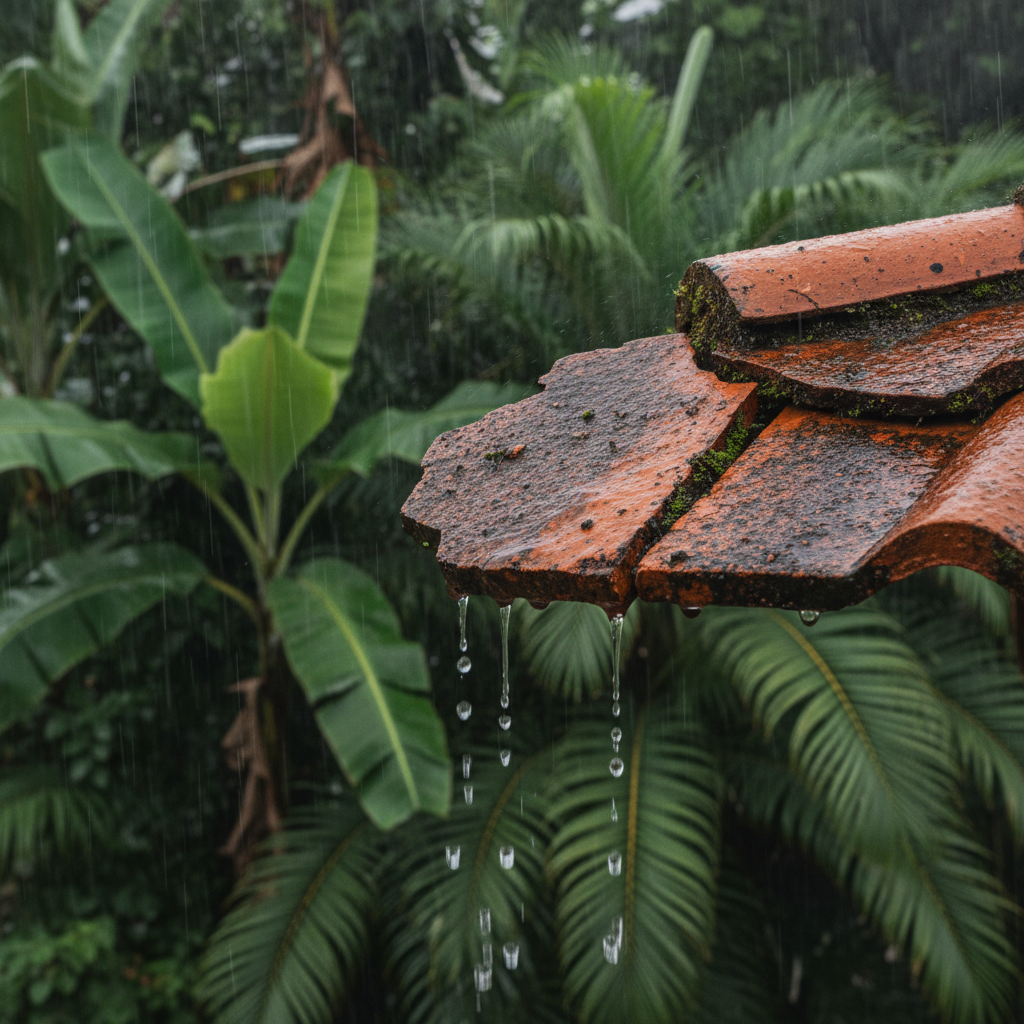
Roof leak problems in Singapore can be a persistent challenge for homeowners due to the country's tropical climate, characterized by heavy rainfall and high humidity. Prompt identification and effective repair are crucial to prevent significant damage to your home's structure and interior.
Quick Answer:
Roof leaks in Singapore often stem from flashing issues, damaged tiles, or blocked gutters.
Early identification of leak sources is key to minimizing damage.
Persistent tropical downpours exacerbate water penetration risks.
Professional roof leak repair Singapore services offer lasting solutions.
Regular maintenance and waterproofing solutions Singapore can prevent future leaks.
Table of Contents
Identifying the Source: Common Areas Where Roof Leaks Occur
Identifying the source of a roof leak is the critical first step in addressing roof leak problems Singapore homeowners face. Water can travel a significant distance from its entry point before appearing as a drip or stain indoors, making pinpointing the origin challenging. Common areas for leaks include points where the roof structure changes or is penetrated.
These areas often feature flashing, vents, skylights, or chimneys, all of which are vulnerable to wear and tear over time. Water penetration can also occur through cracked or missing roof tiles, deteriorated seals around pipes, or damaged underlayment. An assessment typically involves inspecting the attic or ceiling for water stains, mold growth, or sagging plaster, then tracing these indicators upwards towards the roof. For instance, a stain on an internal ceiling might originate from a leak several feet above and to the side.
Problems with Flashing: A Frequent Culprit in Leakage
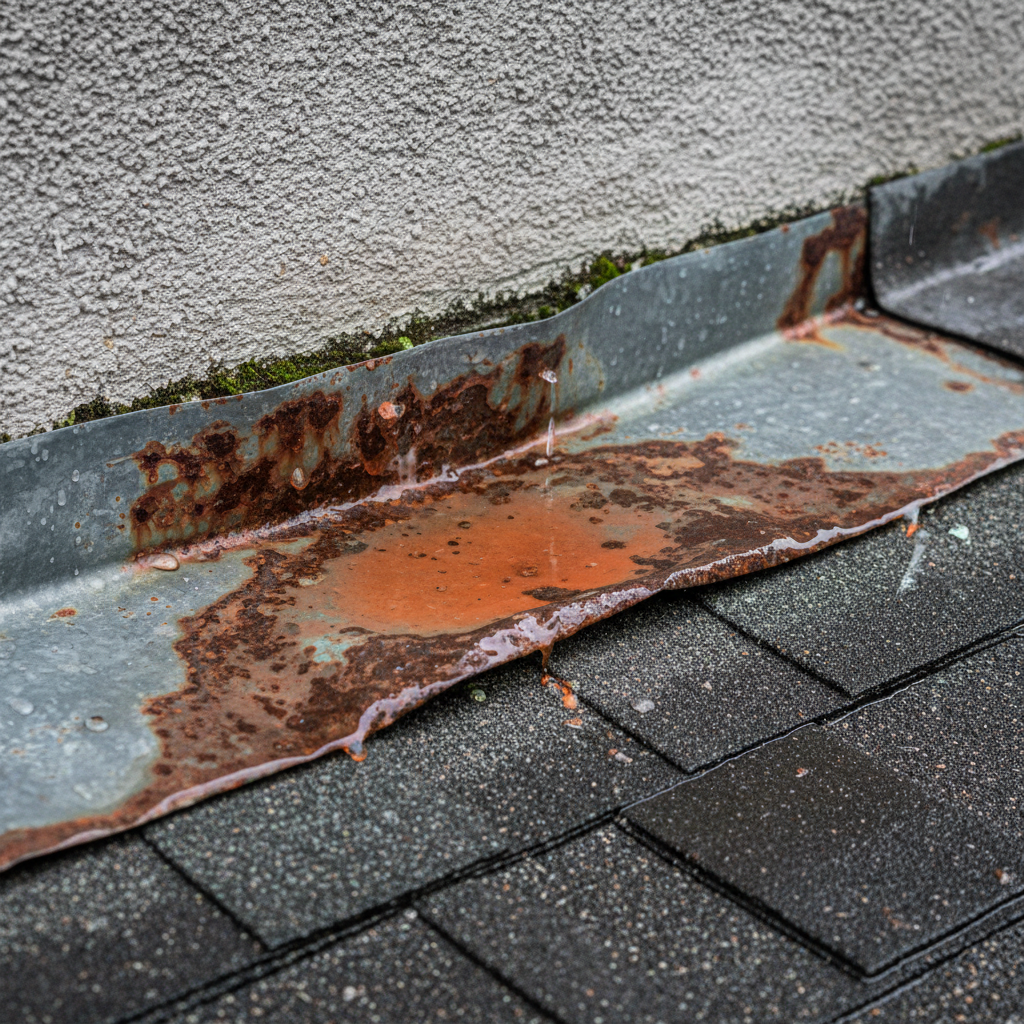
Flashing is a thin material, typically galvanized steel, aluminum, or copper, installed at roof junctions to prevent water penetration. It acts as a waterproof barrier at vulnerable points such as roof valleys, chimneys, skylights, and vent pipes. When flashing is incorrectly installed, damaged, or deteriorated, it becomes a primary cause of roof leak problems Singapore.
Common flashing repair Singapore issues include corrosion, bending, lifting due to wind, or sealant failure around the edges. Over time, the constant expansion and contraction from Singapore's intense sun and heavy rain cycles can cause flashing materials to degrade or pull away from the roof surface. According to a 2023 survey by a local building
Types of Flashing and Their Vulnerabilities
Different types of flashing serve specific purposes and have unique vulnerabilities. Step flashing is used where a roof meets a vertical wall, and each piece should overlap the one below it like steps; if pieces are missing or improperly overlapped, water can seep in. Valley flashing protects the crucial "valley" where two roof planes meet, channeling large volumes of water; cracks or punctures here can lead to significant leaks. Continuous flashing, used for longer, uninterrupted junctions, can buckle if not properly secured. The key is ensuring a watertight seal at all these points.
Damaged or Missing Shingles/Tiles: Easy Fixes, Big Impact
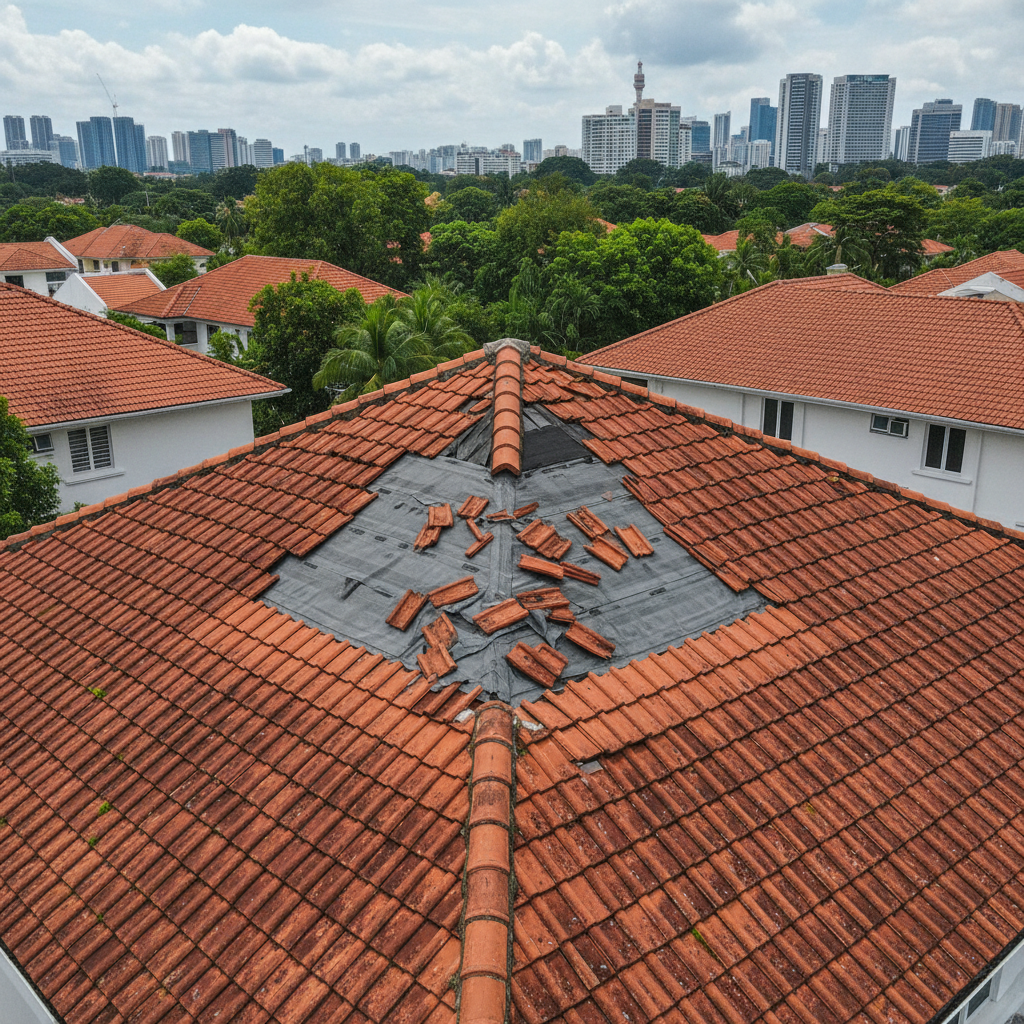
Damaged or missing shingles/tiles are an obvious, yet frequently overlooked, source of roof leak problems Singapore. These components are the primary protective layer of the roof, designed to shed water efficiently. When they become cracked, curled, loose, or are blown off by strong winds, the underlying roofing felt and decking are exposed to moisture.
Tropical storms, common in Singapore, can dislodge individual tiles, especially terracotta or concrete ones frequently used on residential roofs. Even a hairline crack can allow water to slowly penetrate, leading to eventual leaks. Replacing a few damaged tiles might seem like a simple task, but if left unaddressed, these minor issues can escalate into significant water damage, structural rot, and costly repairs.
Recognizing Tile Damage
Homeowners can often spot tile damage from the ground with binoculars or during a visual inspection. Look for:
Cracked or broken tiles
Missing tiles or shingles
Tiles that appear out of place or misaligned
Signs of algae or moss growth indicating prolonged dampness
Granule loss on asphalt shingles, which reduces their protective capability
Key Insight: While identifying a damaged tile is straightforward, the actual entry point of the water might be further up the roof. Water can run beneath the surface before finding a path into the building, necessitating a thorough inspection beyond the visible damage.
Gutter Issues: Blockages and Poor Drainage as Leak Causes
Gutter issues, particularly gutter blockage issues, are a significant contributor to roof leak problems Singapore. Gutters and downspouts are designed to channel rainwater away from the roof and foundation of a building. When they become clogged with leaves, twigs, debris, or even bird nests, water cannot drain properly and begins to back up.
This stagnant water can then overflow, often seeping under the roof's edge, fascia, or directly into the eaves and walls of the home. Persistent overflowing gutters can also saturate the roof's fascia boards and soffit, leading to rot and compromised structural integrity. Furthermore, pooling water in clogged gutters provides an ideal breeding ground for mosquitoes, a public health concern in Singapore. Regular cleaning and maintenance are essential to prevent these issues.
The Impact of Overflowing Gutters
Overflowing gutters not only cause roof leaks but can also damage landscaping, erode soil around the foundation, and even lead to basement or crawl space flooding. The constant drip of water can also stain exterior walls and promote mold and mildew growth. In Singapore's wet climate, unchecked gutter blockages can quickly lead to extensive waterproofing solutions Singapore becoming necessary for various parts of the house, not just the roof. A simple check and clear-out of gutters, especially after a heavy downpour or windy period, can save homeowners from much larger problems.
Flat Roof Specific Leak Challenges in Singapore
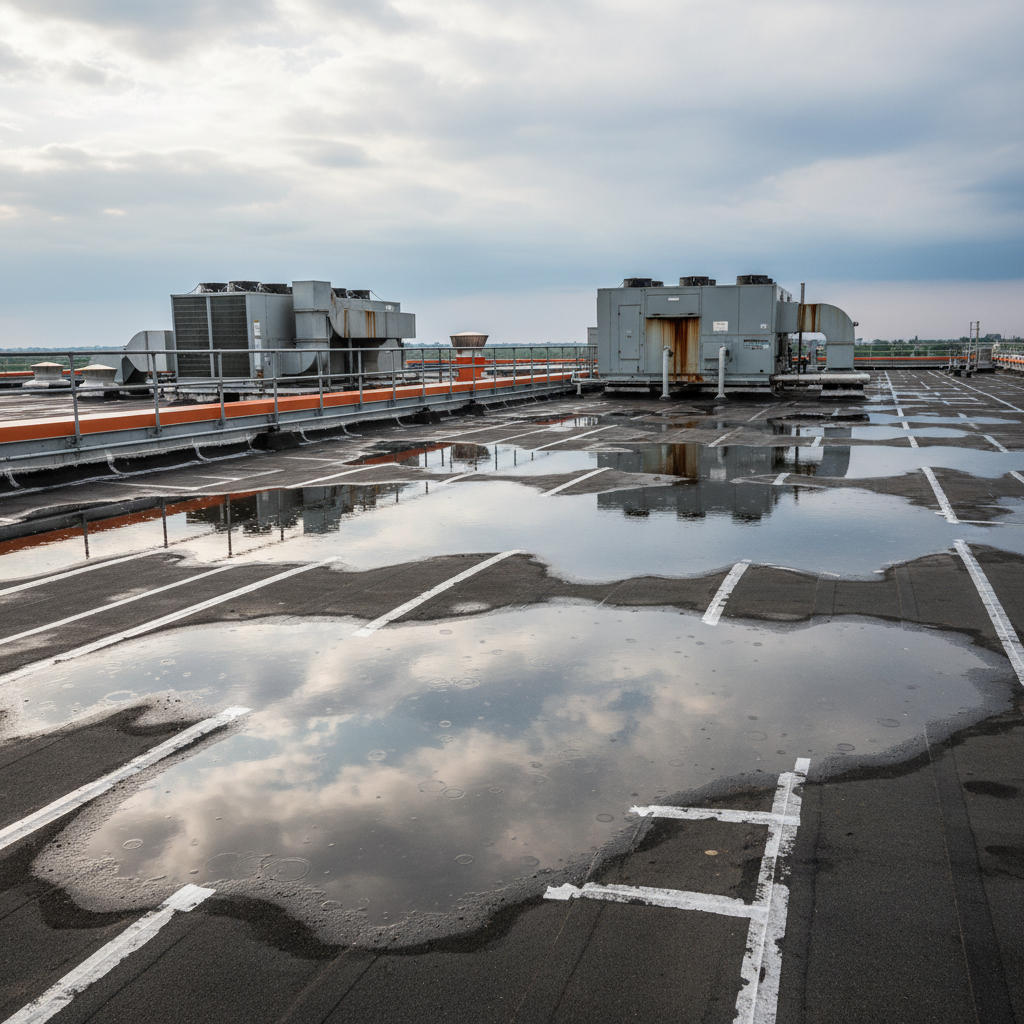
Flat roofs, common in commercial buildings and some modern residential designs in Singapore, present unique roof leak problems Singapore. Unlike pitched roofs that rely on gravity to quickly shed water, flat roofs depend on a seamless, highly durable membrane and proper drainage systems to prevent ponding. Even a slight imperfection can lead to standing water, which exerts pressure on the roofing material and eventually finds its way through.
Common issues include membrane punctures from foot traffic or debris, deteriorated seams, and inadequate drainage slopes that cause water to collect. The intense UV radiation and high ambient temperatures in Singapore can accelerate the degradation of flat roof membranes like bitumen, PVC, or EPDM. Waterproofing solutions Singapore for flat roofs often involve specialized coatings and repair techniques to maintain their integrity.
Common Failure Points in Flat Roofs
Membrane deterioration: UV exposure, heat, and age can cause membranes to become brittle, crack, or blister.
Seam failure: The joints where membrane sections are welded or adhered together are vulnerable points for water ingress if not perfectly sealed.
Ponding water: Areas where water stands for more than 48 hours accelerate material degradation and increase the hydrostatic pressure on the roof, making leaks more likely.
Drainage issues: Clogged drains, inadequate numbers of drains, or insufficient roof slope can all lead to water accumulation.
Penetrations: Skylights, vents, HVAC units, and other roof-mounted equipment create breaches in the membrane that require diligent waterproofing.
Trees and Debris: Preventing Damage from Nature
Trees and debris can be surprisingly destructive forces contributing to roof leak problems Singapore. Overhanging tree branches can scrape against the roof, eroding protective granules on shingles or even dislodging tiles during high winds. Falling branches, especially during Singapore's frequent thunderstorms, can directly damage the roof structure, creating punctures or cracks. Beyond direct impact, leaves, twigs, and other organic matter accumulating on the roof or in gutters can trap moisture.
This trapped moisture fosters moss and algae growth, which retains even more water and can lead to the deterioration of roofing materials. Blocked gutters, as discussed, are a direct result of debris accumulation and can cause significant water overflow, exacerbating identifying roof leaks and requiring extensive roof leak repair Singapore.
Proactive Measures Against Nature's Impact
To mitigate damage from trees and debris:
Trim overhanging branches: Regularly prune branches that are too close to or directly over the roof line. This reduces the risk of falling debris and abrasive contact.
Clear gutters regularly: Especially important during the wetter monsoon seasons, clearing gutters prevents blockages and subsequent water backup.
Inspect roof after storms: High winds and heavy rain can dislodge tiles or create subtle damage that should be addressed promptly.
Remove moss and algae: Gentle cleaning methods can prevent biological growth from retaining moisture and degrading roofing materials.
Key Insight: While trees provide shade and aesthetic appeal, their proximity to your roof requires active management. A proactive approach to tree trimming and debris removal can significantly reduce the likelihood of storm-related roof damage and leaks.
DIY vs. Professional Repair: When to Call the Experts
Deciding between DIY vs. professional repair for roof leak problems Singapore depends on the severity of the leak, the homeowner's skill level, and safety considerations. Minor issues like a single missing shingle or a localized gutter blockage might be manageable for a handy homeowner. However, complex problems, such as widespread flashing damage, extensive tile replacement, or any leak on a steep roof, typically require the expertise of a professional.
Professionals possess the necessary tools, safety equipment, and experience to accurately diagnose the source of a leak, which can often be elusive. They also ensure repairs are done to industry standards, offering warranties on their work. Attempting complex roof repairs without proper knowledge or safety gear can lead to personal injury, further damage to the roof, or temporary fixes that recur later, ultimately costing more in the long run.
Emergency Roof Leak Repair Services in Singapore
Emergency roof leak repair services in Singapore are essential when leaks pose an immediate threat to a home's safety or structural integrity. Heavy, sudden downpours are characteristic of Singapore's climate, and these can exacerbate minor issues into major leaks very quickly. An emergency might involve significant water ingress, a collapsing ceiling, or visible structural damage after a storm.
In such situations, quick action is paramount to prevent extensive interior damage, electrical hazards, and the growth of mold. Reputable roofing contractors offer emergency roof repair Singapore services, providing temporary fixes to stop immediate water penetration, followed by a more comprehensive and permanent repair once the weather permits or a full assessment can be made. These services often involve immediate triage to secure the affected area, preventing further water intrusion.
When to Call for Emergency Repair
Major water ingress: Water pouring in or significant, widespread leaks.
Ceiling collapse/sagging: Signs of structural failure due to water saturation.
Electrical hazards: Water near light fixtures or electrical points.
Post-storm damage: Significant damage to the roof from heavy winds or falling debris.
Daytime vs. Nighttime: Most emergency services are available 24/7, acknowledging that leaks don't adhere to business hours.
Long-Term Solutions: Preventing Future Roof Leak Problems
Implementing long-term solutions for preventing future roof leak problems is more cost-effective than repeatedly addressing emergency repairs. This proactive approach involves regular maintenance, strategic upgrades, and the application of durable waterproofing solutions Singapore. Prevention is particularly vital in Singapore's tropical environment, where constant exposure to moisture, heat, and intense rainfall tests the resilience of roofing materials.
A comprehensive preventative strategy includes annual roof inspections by qualified professionals. These inspections can identify potential weak points, such as degrading flashing repair Singapore needs, cracked tiles, or early signs of membrane wear, before they escalate into active leaks. Investing in high-quality roofing materials during re-roofing projects also significantly extends the roof's lifespan and reduces leak susceptibility.
Key Preventative Strategies
Regular Roof Inspections: Annual checks by a professional to identify and address minor issues before they become major leaks.
Gutter Maintenance: Cleaning gutters at least twice a year, or more frequently if there are overhanging trees, to prevent blockages.
Timely Repairs: Addressing damaged or missing tiles/shingles, compromised flashing, or sealant failures as soon as they are identified.
High-Quality Materials: Choosing durable, weather-resistant roofing materials and waterproofing membranes suitable for Singapore's climate during renovations or new installations.
Proper Ventilation: Ensuring adequate attic ventilation to prevent heat and moisture buildup, which can degrade roofing materials from beneath.
Professional Waterproofing: Applying advanced waterproofing solutions Singapore to flat roofs, roof balconies, and other vulnerable areas to create an impervious barrier.
Frequently Asked Questions
What are the most common causes of roof leak problems in Singapore?
The most common causes of roof leak problems in Singapore include damaged or deteriorated flashing, cracked or missing roof tiles/shingles, clogged gutters, and compromised waterproofing membranes, especially on flat roofs, all exacerbated by heavy tropical rainfall.
How can I identify the source of a roof leak in my Singapore home?
To identify a roof leak, start by looking for water stains on the ceiling or walls indoors. Then, inspect the roof directly above those stains for visible damage like cracked tiles, loose flashing, or debris buildup. Often, the leak point isn't directly above the stain.
Is DIY roof leak repair advisable for homeowners in Singapore?
DIY roof leak repair is generally advisable only for very minor, easily accessible issues like clearing a superficial gutter blockage or replacing a single, obvious missing tile. For any complex or high-risk repairs, professional roof leak repair Singapore services are recommended for safety and effectiveness.
What kind of waterproofing solutions are best for Singapore's climate?
For Singapore's climate, highly durable and flexible waterproofing solutions like liquid-applied membranes (e.g., polyurethane, acrylic), torch-on membranes, or advanced polymer modified cementitious coatings are effective. These provide excellent resistance against UV radiation, heavy rain, and thermal expansion.
When should I call for emergency roof repair in Singapore?
You should call for emergency roof repair Singapore services if there is significant, uncontrolled water ingress, visible structural damage to the roof, a sagging or collapsing ceiling, or if water is encroaching near electrical fittings, posing an immediate hazard.
How often should I have my roof inspected in Singapore?
It is recommended to have your roof professionally inspected at least once a year in Singapore, or more frequently after severe weather events. Regular inspections help catch minor issues early, preventing them from escalating into major roof leak problems.
Conclusion
Navigating roof leak problems Singapore homeowners face requires vigilance and timely action. From identifying common culprits like damaged flashing and compromised tiles to addressing specific challenges of flat roofs and the impact of tropical weather, a proactive approach is always best. While minor issues might be within a homeowner's DIY capabilities, persistent or significant leaks warrant the expertise of professional roof leak repair Singapore services. Investing in regular maintenance and robust waterproofing solutions Singapore offers not only protects your home from the elements but also safeguards its value and your peace of mind in the long run.


Comments