

Waterproofing Solutions Singapore: Protecting Your Home from Leaks
- eckent
- Jul 17
- 10 min read
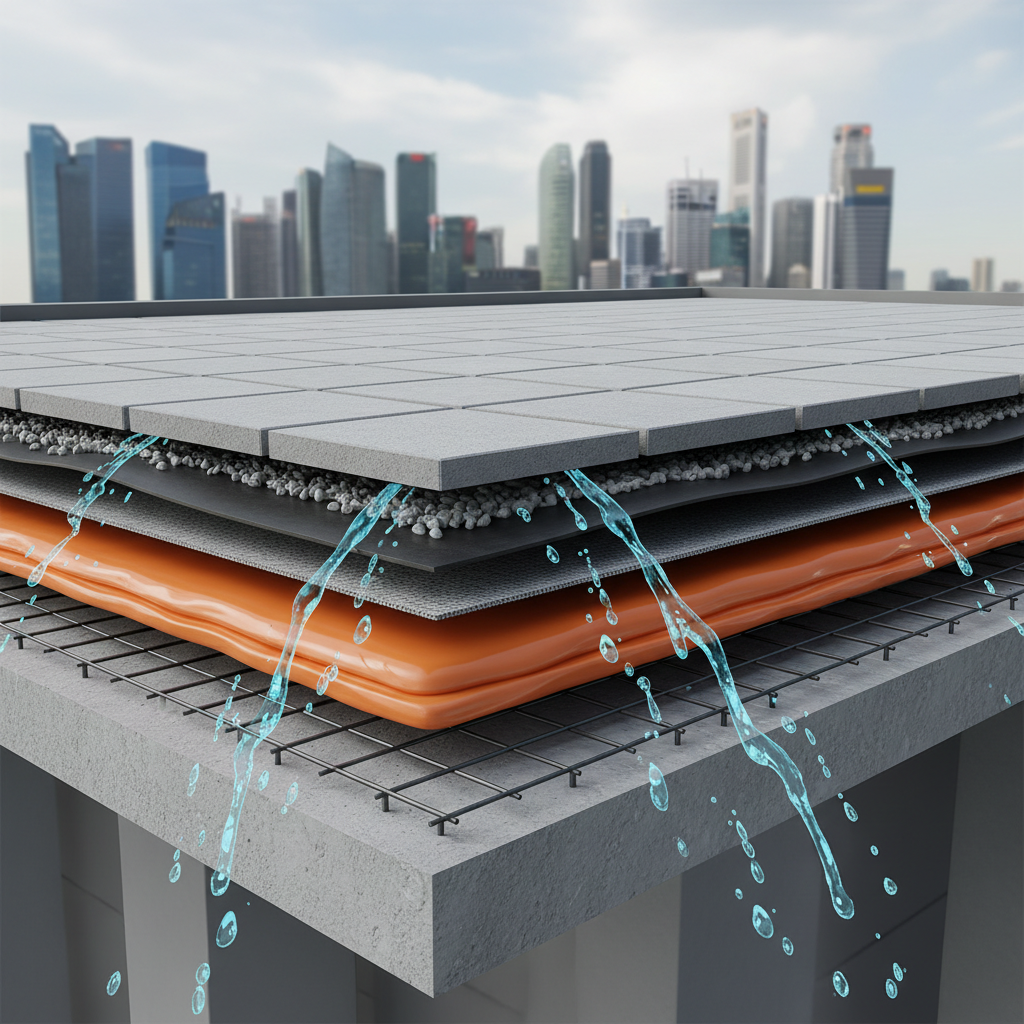
Effective waterproofing solutions Singapore are essential for protecting properties from the region's heavy rainfall and high humidity. Properly applied waterproofing prevents water ingress, which can lead to structural damage, mold growth, and costly repairs, ensuring the longevity and safety of residential, commercial, and industrial buildings.
Quick Answer:
Singapore's climate necessitates robust waterproofing to prevent water damage.
Key areas like roofs, balconies, and basements are highly vulnerable to leaks.
Various methods, including cementitious, liquid-applied, and membrane systems, offer protection.
Early detection of signs like damp spots and peeling paint can save significant repair costs.
Engaging professional waterproofing contractors is crucial for effective and lasting solutions.
Table of Contents
The Critical Need for Waterproofing in Singapore
Waterproofing is critically important in Singapore due to its tropical climate, characterized by high humidity and frequent, intense rainfall. This environment continuously challenges building integrity, making robust water ingress prevention a necessity, not a luxury. Without effective waterproofing, buildings face accelerated deterioration, leading to structural damage, compromised indoor air quality from mold, and significant financial burdens from repair work.
Singapore experiences an average annual rainfall of around 2,400 mm, with heavy downpours occurring throughout the year, especially during the monsoon seasons. This constant exposure to moisture makes structures highly susceptible to water penetration if not adequately protected. The Building and Construction Authority (BCA) often highlights the importance of proper building maintenance, which includes effective waterproofing, to ensure public safety and property value.
Common Areas Prone to Leaks in Singaporean Homes
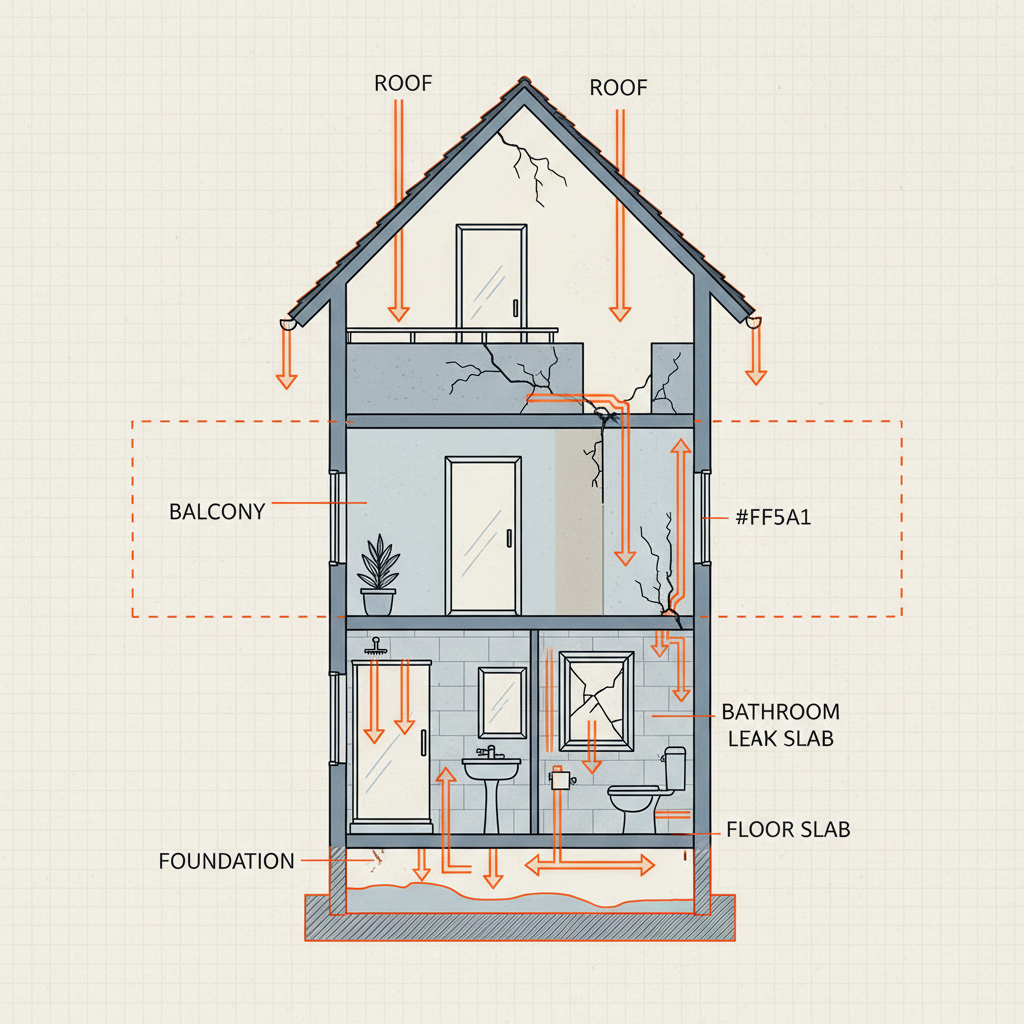
Several areas in Singaporean homes are particularly susceptible to water leaks, primarily due to direct exposure to rain, continuous water use, or structural design. Identifying these vulnerable spots is the first step in effective leak repair Singapore.
Roofs
The roof waterproofing is the primary defense against rain. Flat roofs common in many HDB flats and condominiums are especially prone to pooling water if drainage is inadequate or membranes are compromised, leading to leaks into the top floor units. Pitched roofs, while better for drainage, can still leak at damaged tiles, flashing, or poorly sealed penetrations for vents and pipes.
Balconies and Terraces
Balcony waterproofing is crucial as these outdoor spaces are directly exposed to rain and often used for washing or plant watering. Cracks in the floor tiles, failed grouting, or a compromised waterproofing membrane beneath the tiles can allow water to seep into the concrete slab and affect ceilings of units below.
Bathrooms and Kitchens
Wet areas like bathrooms and kitchens are subject to daily water exposure, making their waterproofing critical. Leaks typically occur around shower areas, floor traps, toilet bowls, and sinks where seals may degrade over time or initial installation was insufficient. These leaks often manifest as ceiling stains in the unit below.
Basements and Planter Boxes
While less common in HDBs, residential properties with basements require basement waterproofing to prevent subterranean water ingress, which can lead to severe flooding and mold. Planter boxes, especially on balconies or rooftops, are also high-risk areas because they hold moist soil directly against building structures. Proper drainage and an intact waterproofing liner are essential to prevent leaks into interior spaces.
Key Insight: Many undetected leaks in Singapore are caused by thermal expansion and contraction, which stress building materials and eventually create micro-cracks in waterproofing layers. Regular inspections, especially after prolonged heavy rainfall, can help identify incipient issues.
Understanding Different Waterproofing Methods and Materials
Effective waterproofing relies on selecting the appropriate method and materials for the specific application and environmental conditions. Singaporean contractors commonly utilize several types of waterproofing solutions Singapore.
Cementitious Waterproofing
Cementitious waterproofing involves applying a cement-based polymer modified coating to surfaces. It is easy to apply and highly effective for areas subjected to positive water pressure, such as bathrooms, balconies, and internal wet areas. This method is durable, rigid, and bonds well to concrete and masonry substrates.
Liquid-Applied Membranes
Liquid-applied membranes create a seamless, flexible, and fully adhered waterproofing barrier when cured. These can be polyurethane, acrylic, or bituminous-based. Polyurethane systems are popular for roofs and exposed areas due to their excellent elasticity and UV resistance, making them ideal for areas with potential structural movement. Acrylic options are generally more cost-effective and suitable for less demanding applications.
Sheet Membranes
Sheet membranes are pre-formed rolls of waterproofing material, such as self-adhesive bituminous membranes, PVC, or EPDM. These are unrolled and adhered or mechanically fastened to the substrate, with seams overlapped and sealed. They are highly effective for large flat areas like roofs and basements, offering consistent thickness and performance.
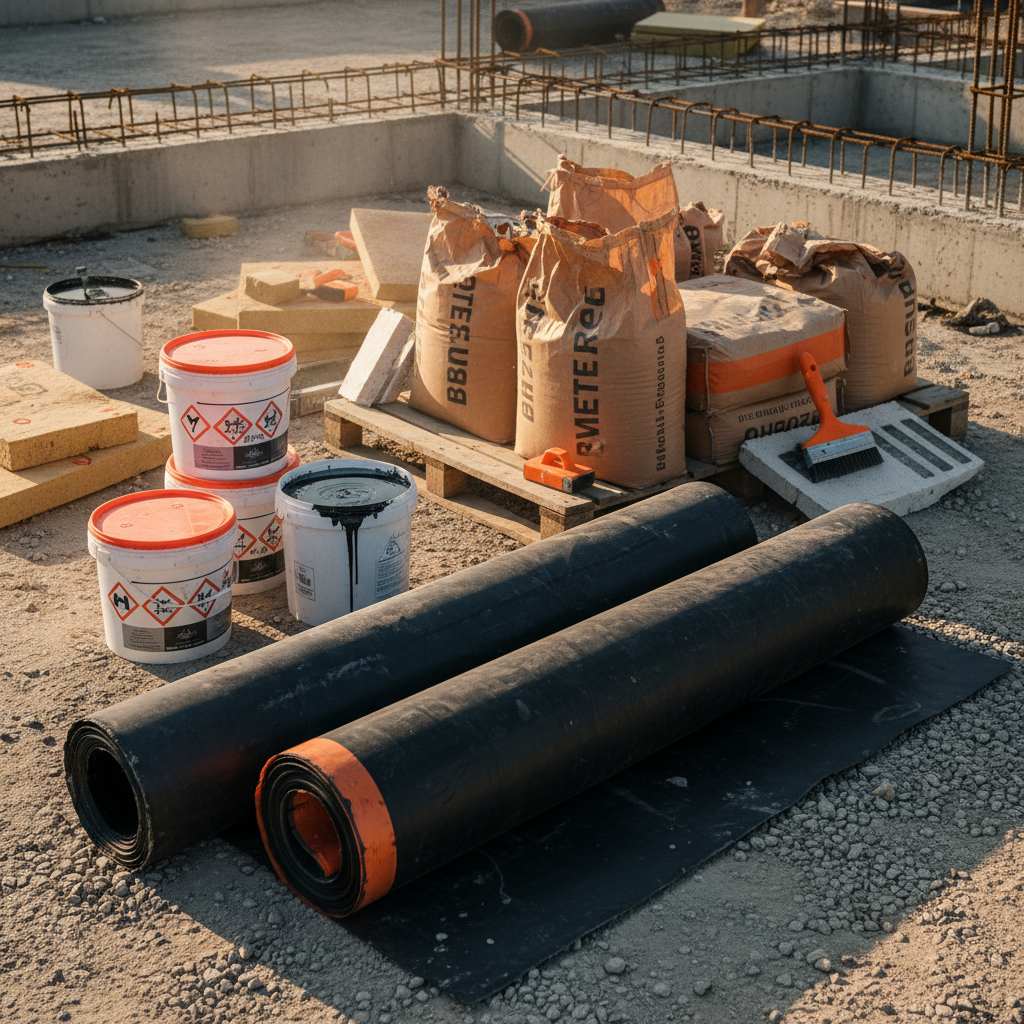
Critical Comparison of Waterproofing Systems
Signs Your Home Needs Waterproofing Attention
Recognizing the early signs of water ingress can prevent minor issues from escalating into major structural damage. Homeowners in Singapore should be vigilant for these indicators of failing waterproofing solutions Singapore.
Firstly, damp or wet spots on ceilings or walls are tell-tale signs. These spots often grow larger after heavy rain and may indicate a leak from the roof, an upstairs unit, or an external wall. Discoloration, such as yellowish or brownish stains, often accompanies these damp areas.
Secondly, peeling or bubbling paint is a common symptom. When moisture gets behind a painted surface, it causes the paint to lose adhesion, creating bubbles or causing it to peel away. This is particularly noticeable on external walls, bathroom walls, or ceilings below a wet area.
Thirdly, a persistent musty odor indicates the presence of mold or mildew, which thrives in damp conditions. Even if no visible signs of water damage are present, a musty smell suggests hidden moisture problems, potentially within wall cavities or under flooring. Mold growth itself, appearing as black, green, or white patches, is a clear visual sign of a leak.
Furthermore, efflorescence, which is a white, powdery residue on concrete or masonry surfaces, forms when water carrying dissolved salts evaporates, leaving the salts behind. This indicates that water is passing through the material. Finally, visible cracks in walls or floors, especially in wet areas or on exposed exterior surfaces, can serve as entry points for water and often signify underlying structural movement or inadequate waterproofing.
Professional Waterproofing Solutions Offered by Amber Services
Amber Services Pte Ltd provides a comprehensive range of professional waterproofing solutions Singapore, tailored to address specific leak issues in residential, commercial, and industrial properties. Their expertise covers key areas prone to water damage, ensuring long-term protection.
For roof waterproofing, Amber Services employs advanced membrane systems, including torch-on bituminous membranes and liquid-applied polyurethanes. These solutions create a seamless, durable barrier capable of withstanding Singapore's intense weather, preventing leaks into the property's top floors. Their approach involves thorough surface preparation, application of primers, and meticulous installation of the chosen waterproofing layer, followed by a protective top coat where exposed.
Balcony waterproofing involves a detailed process starting with the removal of existing tiles and screed to expose the concrete slab. A new, flexible waterproofing membrane, often a cementitious or liquid-applied system, is then installed before re-screeding and tiling. This ensures that water pooling on the balcony does not penetrate the sub-structure.
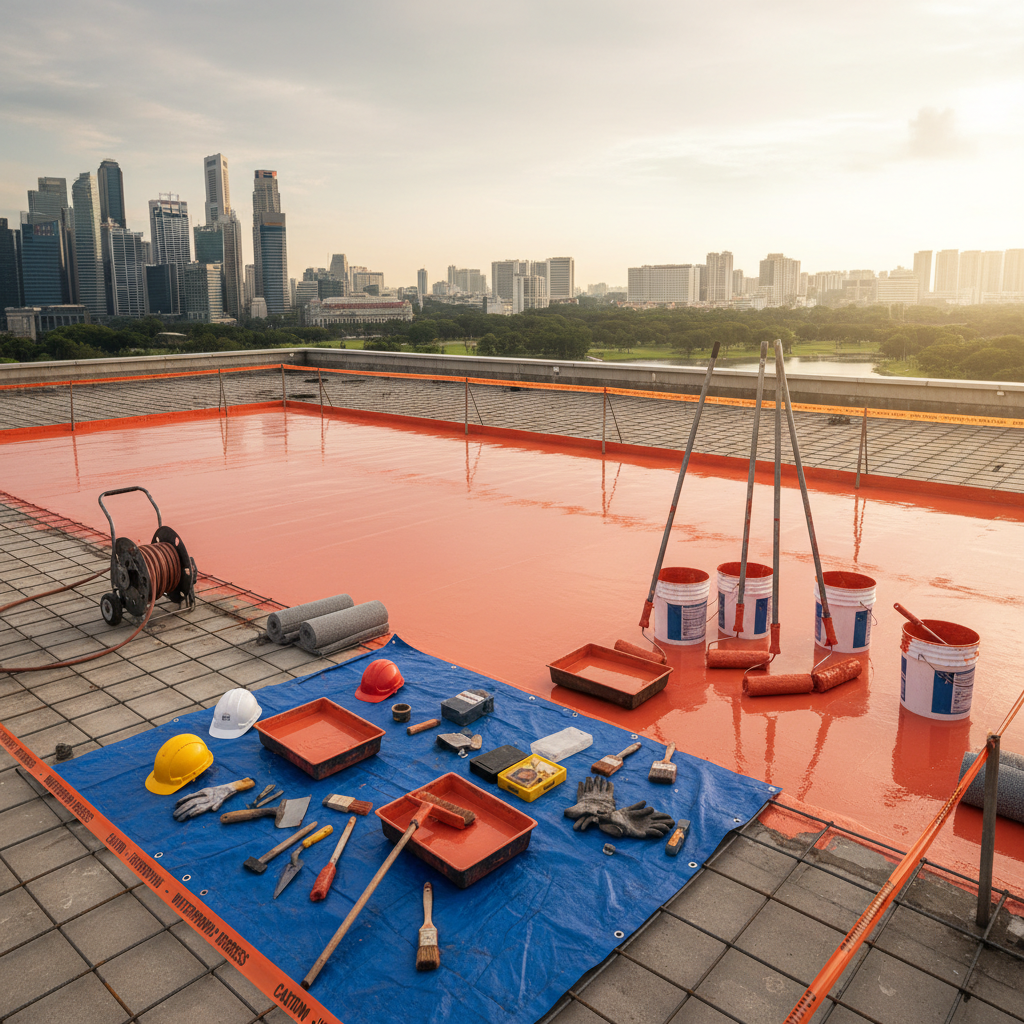
For bathrooms and kitchens, Amber Services focuses on creating a watertight seal around all wet areas. This typically involves applying a cementitious or acrylic-based waterproofing slurry before tiling. Special attention is paid to critical junctions like floor traps, pipe penetrations, and wall-to-floor junctions to eliminate potential leak pathways.
When dealing with basement waterproofing, the firm utilizes both internal and external methods. External waterproofing (tanking) involves applying membranes or coatings to the outer basement walls before backfilling, while internal systems use crystalline waterproofing or internal drainage solutions to manage water ingress. Their methods ensure basements remain dry and usable, protecting against hydrostatic pressure.
Amber Services also specializes in leak detection through non-destructive methods, identifying the precise source of water ingress before proposing targeted repair solutions. This often involves advanced thermography or moisture meters to pinpoint hidden leaks without extensive demolition.
Benefits of Timely Waterproofing
Investing in timely waterproofing solutions Singapore offers numerous significant benefits, extending beyond merely preventing leaks to safeguarding property value and occupant well-being.
Primarily, effective waterproofing prevents structural damage. Water ingress can corrode steel reinforcement bars within concrete, leading to spalling, cracking, and ultimately compromising the structural integrity of the building. Timely waterproofing acts as a barrier, preventing this destructive process and prolonging the building's lifespan.
Secondly, it protects interior finishes and property. Leaks can cause extensive damage to plaster, paint, flooring, and furniture, resulting in costly repairs and replacements. By preventing water penetration, homeowners avoid these expenses and maintain the aesthetic and functional quality of their living spaces. A 2023 report by the National Environment Agency (NEA) highlighted that water damage is among the top causes of property maintenance issues in Singapore.
Thirdly, proper waterproofing significantly improves indoor air quality by preventing mold and mildew growth. These fungi thrive in damp environments and release spores that can trigger allergies, respiratory issues, and other health problems. A dry interior environment mitigates these health risks, creating a healthier living or working space.
Key Insight: Neglecting waterproofing issues can lead to an exponential increase in repair costs. A small leak ignored can transform into extensive structural repairs and mold remediation, which can cost 5-10 times more than initial preventative or early-stage repair work.
Finally, timely waterproofing maintains and enhances property value. A well-maintained property free from water damage is more attractive to potential buyers or tenants, commanding higher prices or rental yields. It demonstrates responsible ownership and provides peace of mind regarding the building's condition. For instance, properties with visible water stains or mold might see a depreciation of 10-15% in market value in Singapore.
Advanced Technologies in Waterproofing
The field of waterproofing solutions Singapore is continually evolving, with advanced technologies enhancing effectiveness, durability, and application efficiency. These innovations help contractors address complex challenges more effectively.
One significant advancement is the use of polyurethane injection grouting. This technology is employed for repairing active leaks in concrete structures. A liquid polyurethane resin is injected under pressure into cracks or voids. Upon contact with water, the resin reacts and expands to form a dense, flexible foam or gel, effectively sealing the leak from within. This method is highly effective for stopping active water flow in basements, concrete walls, and underground structures without extensive excavation.
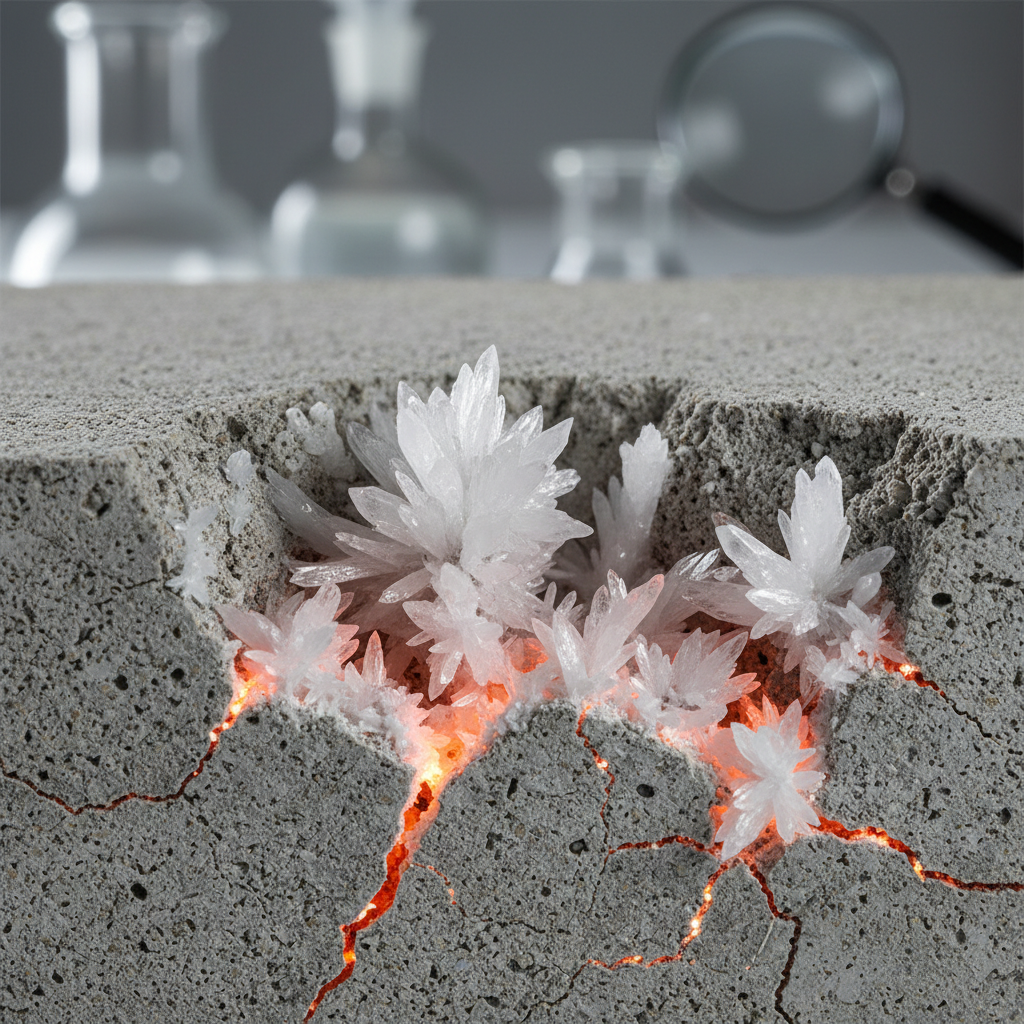
Another innovation involves crystalline waterproofing. This method uses a Portland cement-based coating infused with proprietary active chemicals. When applied to concrete, these chemicals penetrate the concrete pores and react with moisture and by-products of cement hydration to form insoluble crystal complexes. These crystals block water flow by filling the capillary tracts, making the concrete itself waterproof. This technology is particularly effective because it becomes an integral part of the concrete matrix and can even seal hairline cracks that develop later.
Furthermore, thermal imaging and acoustic leak detection have revolutionized the identification of hidden leaks. Thermal cameras can detect subtle temperature differences caused by moisture behind walls or under floors, while acoustic sensors can pinpoint the sound of ESCAPING water from pressurized pipes. These non-destructive methods allow for precise leak location, minimizing the need for exploratory demolition and reducing repair costs and time.
New hybrid liquid-applied membranes blend the best properties of different chemical compounds, such as combining polyurethanes with acrylics or bitumen, to offer superior flexibility, UV resistance, and adhesion. These advanced membranes are more durable and provide a longer lifespan compared to traditional systems, making them ideal for challenging Singaporean conditions.
Choosing a Reliable Waterproofing Contractor in Singapore
Selecting a reliable waterproofing contractor in Singapore is crucial for ensuring the effectiveness and longevity of any waterproofing project. A competent contractor provides not just a solution, but also peace of mind.
Firstly, always look for experience and specialization. A contractor with a long track record, especially in Singapore's unique climate, will have encountered and successfully resolved a wide range of waterproofing issues. Firms with over 10-15 years of experience often possess invaluable practical knowledge. Specialization in different types of waterproofing, such as roof, basement, or wet area solutions, indicates dedicated expertise.
Secondly, assess their credentials and certifications. Ensure the contractor holds relevant business registrations with ACRA (Accounting and Corporate Regulatory Authority) and has the necessary licenses for construction and waterproofing works. Memberships in industry associations or certifications for specific waterproofing systems (e.g., product training from membrane manufacturers) attest to their commitment to quality and professional standards.
Thirdly, request transparent quotations and detailed proposals. A reliable contractor will provide a clear, itemized breakdown of costs, including materials, labor, and any necessary preparatory work. The proposal should clearly outline the scope of work, the waterproofing methods proposed, the type of materials to be used, and the projected timeline. Be wary of overly low bids that might compromise on material quality or workmanship.
Finally, check for reviews, references, and warranties. Online reviews on platforms like Google or Facebook can offer insights into customer satisfaction. Don't hesitate to ask for references from previous clients for similar projects. Crucially, a reputable contractor will stand by their work with a warranty for both materials and workmanship, typically ranging from 3 to 10 years depending on the scope and materials. This warranty provides protection against defects or failures post-completion.
Frequently Asked Questions
What is the average lifespan of a waterproofing solution in Singapore?
The lifespan varies significantly by type and application. Cementitious solutions typically last 5-10 years, while liquid-applied membranes (especially polyurethane) can last 10-20 years, and certain sheet membranes may offer 15-30 years with proper maintenance.
How much does waterproofing typically cost in Singapore?
Waterproofing costs vary widely based on the area, method, and severity of damage. Basic bathroom waterproofing might start from a few hundred Singapore dollars, while a large roof or basement project could run into several thousands or even tens of thousands, dependent on scale and complexity.
Can I do DIY waterproofing for small leaks?
While minor leaks might seem manageable, DIY waterproofing often provides temporary fixes. Professional contractors have the expertise, equipment, and materials to properly diagnose the root cause and apply durable, long-lasting waterproofing solutions Singapore, preventing recurrent issues.
How long does a typical waterproofing project take?
The duration depends on the project's scope. Small areas like a bathroom might take 2-3 days, while larger areas like a roof or basement could take 1-2 weeks or more, including preparation and curing times.
Is waterproofing covered by HDB or condominium management?
For HDB flats, waterproofing issues within the unit are generally the homeowner's responsibility. For external walls or roofs affecting multiple units, HDB or the Town Council may be involved. In condominiums, management often covers common areas, but individual unit issues are typically the owner's responsibility.
What are the dangers of ignoring a small leak?
Ignoring even a small leak can lead to severe structural damage, extensive mold growth, compromised electrical systems, and significantly higher repair costs in the long run. It also degrades indoor air quality and property value.
Conclusion
Effective waterproofing solutions Singapore are indispensable for preserving the structural integrity, health, and value of any property in Singapore's challenging climate. From robust roof waterproofing to meticulous balcony waterproofing and specialized basement waterproofing, preventing water ingress is a critical investment. By understanding the common areas prone to leaks, recognizing early warning signs, and engaging experienced waterproofing contractors, property owners can proactively safeguard their assets. Timely intervention and the adoption of advanced waterproofing technologies ensure a dry, healthy, and protected environment for years to come.


Comments