

Commercial Roofing Singapore: Durable Solutions for Businesses
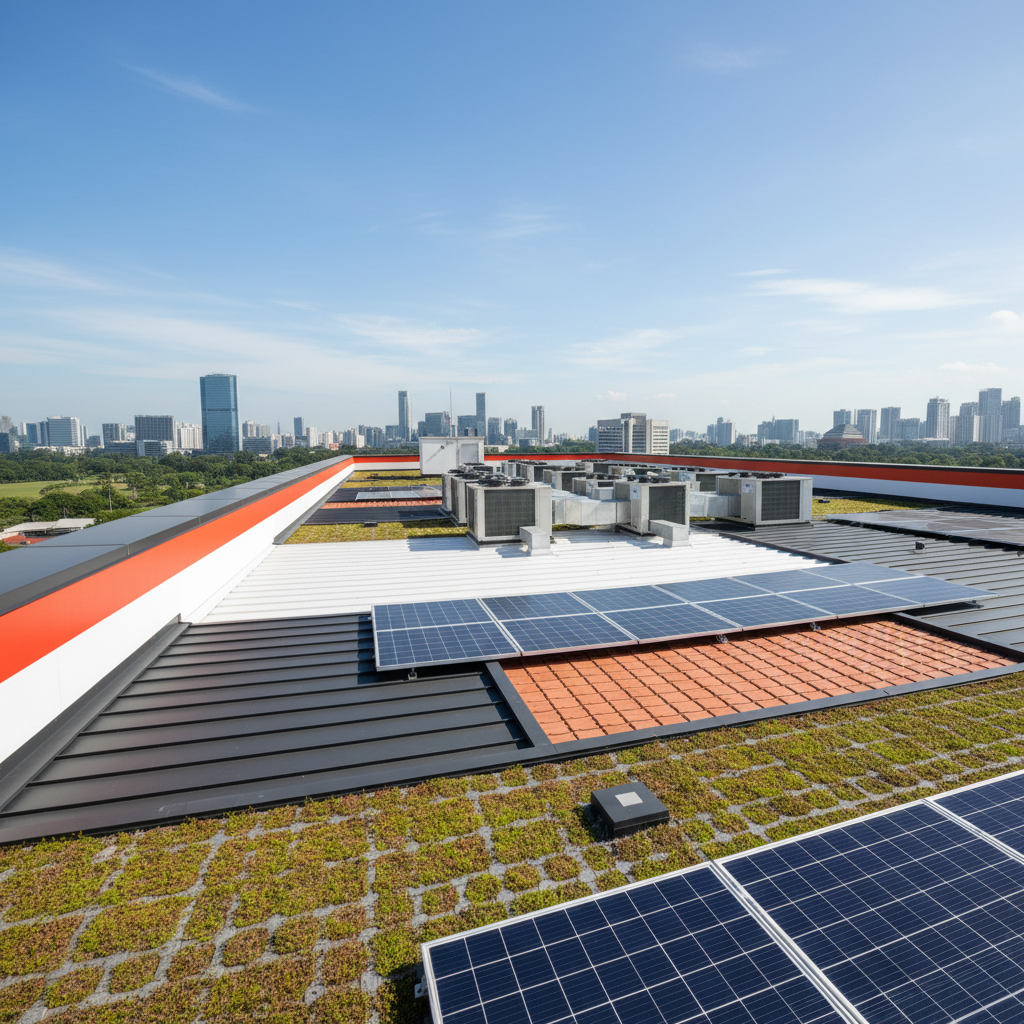
Commercial roofing in Singapore is a critical investment for any business, providing essential protection for assets, operations, and personnel against the tropical climate. A well-maintained and robust commercial roof ensures the longevity and structural integrity of business premises, directly impacting operational continuity and profitability.
Quick Answer:
Commercial roofing protects business assets and ensures operational continuity in Singapore's tropical climate.
Common types include metal, concrete, and membrane systems, each suited for different building needs.
Key considerations for installation involve durability, climate suitability, and energy efficiency.
Regular maintenance is crucial to address issues like leaks and heat absorption, prolonging roof life.
Choosing an experienced contractor familiar with Singapore's regulations ensures compliance and quality.
Table of Contents
The Critical Role of Your Commercial Roof
Your commercial roof is a fundamental component of your business infrastructure, serving as the primary barrier against environmental elements. Beyond simply keeping the rain out, it plays a vital role in energy efficiency, structural stability, and even the aesthetic appeal of your commercial property. A compromised roof can lead to significant financial losses from water damage, production downtime, and increased energy bills, underscoring the importance of quality installation and diligent maintenance.
Unique Challenges of Commercial Roofing in Singapore
Commercial roofing in Singapore faces distinct challenges primarily due to the country's tropical climate, characterized by high temperatures, humidity, and abundant rainfall. These conditions accelerate wear and tear on roofing materials and necessitate specific design and material choices.
Singapore's consistently high humidity, often exceeding 80%, promotes the growth of mold, mildew, and algae on roof surfaces, which can degrade materials and compromise drainage. The regular heavy rainfall, with annual precipitation averaging around 2,500 mm, tests the waterproofing integrity of any roofing system, making effective drainage and leak prevention paramount. Intense solar radiation contributes to material degradation, fading, and can cause significant heat gain within buildings, driving up cooling costs. Urban heat island effect, common in highly developed Singapore, further exacerbates temperature challenges for commercial buildings. Regular preventative measures are necessary to counteract these climate-induced stresses.
Types of Commercial Roofing Systems for Singapore Businesses
Businesses in Singapore have several reliable options for commercial roofing Singapore, each offering distinct advantages for various building types and requirements. The selection often depends on factors like budget, building structure, desired lifespan, and thermal performance.
Metal Roofing
Metal roofing, typically made from galvanized steel, aluminum, or zinc, is a popular choice for industrial roof installations Singapore due to its exceptional durability, longevity, and resistance to harsh weather conditions. It is lightweight, fire-resistant, and requires minimal maintenance. Modern metal roofs come in various profiles and colors, offering aesthetic versatility. However, initial costs can be higher than some alternatives, and proper insulation is crucial to mitigate noise during heavy rain and manage heat transfer.
Concrete Roofing
Concrete roofing systems, including reinforced concrete slabs, are extremely robust and common in Singapore's infrastructure. They offer superior structural integrity, fire resistance, and excellent thermal mass, which can help regulate indoor temperatures. Concrete roofs are highly durable and can support significant loads, making them suitable for rooftop installations like HVAC units or green roofs. Their primary drawbacks include their heavy weight, which requires substantial structural support, and their relatively high installation complexity and cost.
Membrane Roofing (Flat Roof Commercial Solutions)
Membrane roofing systems are ideal for flat or low-slope commercial roofs. These include:
EPDM (Ethylene Propylene Diene Monomer): A synthetic rubber roofing membrane known for its durability, flexibility, and resistance to UV radiation and ozone. It's often installed in large sheets, reducing seams and potential leak points.
TPO (Thermoplastic Polyolefin): A single-ply membrane offering excellent heat and UV reflectivity, contributing to energy efficiency. TPO is puncture-resistant and can withstand chemical exposure, making it a robust option.
PVC (Polyvinyl Chloride): A highly durable and watertight thermoplastic membrane, resistant to chemicals, fire, and strong winds. PVC roofs are often reinforced and known for their long-term performance.
Membrane roofs provide excellent waterproofing for flat roof commercial solutions, crucial for Singapore's rainfall. They are relatively lightweight and can be cost-effective to install, but proper installation is critical to prevent leaks.
Green Roofs
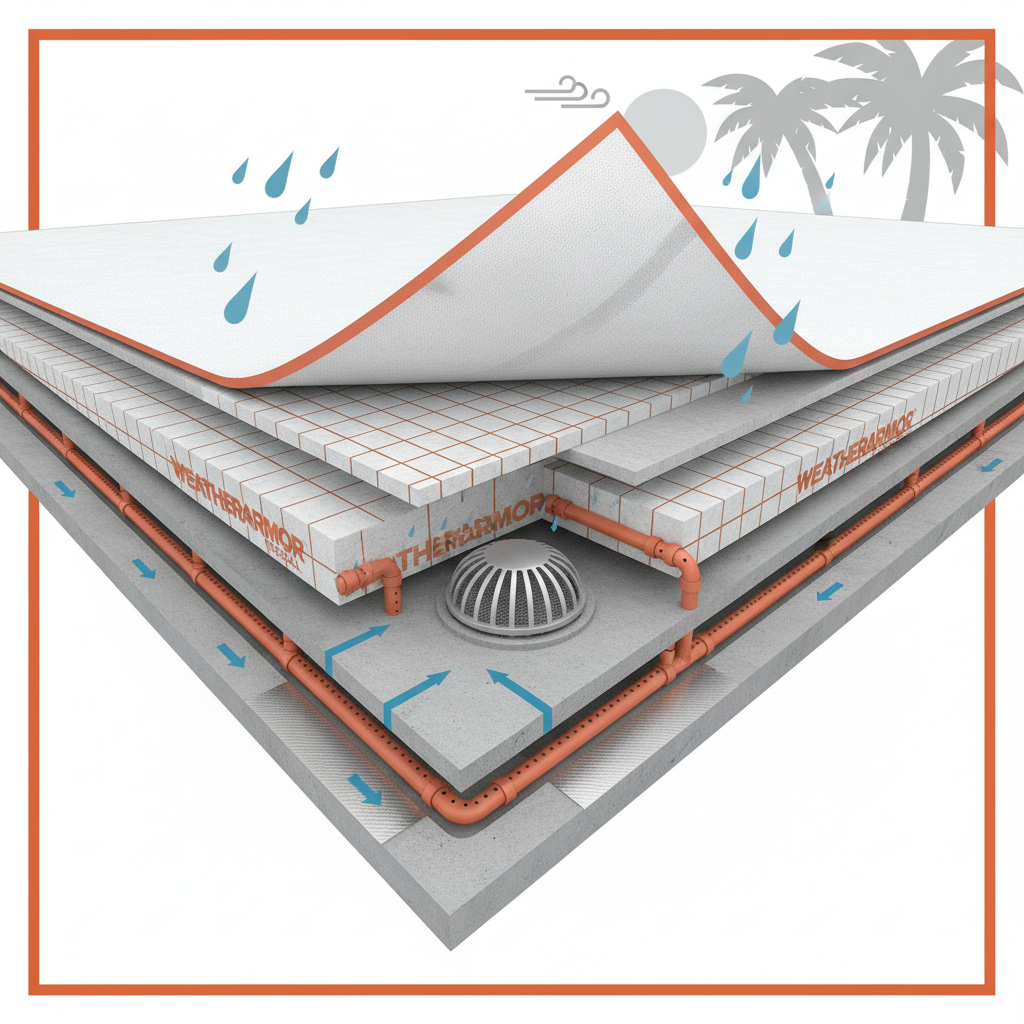
While not a primary roofing material itself, a green roof system can be incorporated with concrete or membrane roofs. This involves covering the roof with vegetation, typically requiring a waterproof membrane, drainage layer, growing medium, and plants. Green roofs offer significant environmental benefits, including improved insulation, stormwater management, air quality improvement, and biodiversity. They can also contribute to a building's Leed certification.
Key Insight: The optimal commercial roofing system for a business in Singapore often balances initial investment with long-term performance, climate resilience, and operational cost savings. For example, while metal roofs are durable, a TPO membrane might offer better energy efficiency due to its reflectivity in Singapore's intense sun.
Key Considerations for Commercial Roof Installation
When undertaking a commercial roof installation in Singapore, several factors must be carefully evaluated to ensure the project's success and the roof's long-term performance. These considerations go beyond material selection and encompass the entire lifecycle of the roofing system.
Durability and Climate Suitability: The chosen material must withstand Singapore's intense heat, humidity, and heavy rainfall. Consideration for UV stability, resistance to fungal growth, and waterproofing capabilities are paramount. Durability directly influences the roof's lifespan and reduces the need for frequent commercial roof repair Singapore.
Weight Load and Structural Capacity: The building's existing structure must be able to support the weight of the new roofing system. Heavier materials like concrete require robust support, while lighter membranes may offer more flexibility. This is especially crucial for older buildings undergoing renovation.
Energy Efficiency and Insulation: Given Singapore's climate, reducing heat gain is a major concern. Materials with high solar reflectivity and adequate insulation can significantly lower cooling costs. Proper insulation also mitigates condensation, which can lead to moisture damage.
Drainage System Design: An efficient drainage system is vital to manage Singapore's heavy downpours. This includes appropriate roof slope, sufficient drains, gutters, and downspouts to prevent water ponding, which can prematurely damage roofing membranes and lead to leaks.
Installation Expertise: The complexity of commercial roofing systems requires specialized skills. Hiring experienced roofing contractors for businesses ensures correct material application, proper sealing, and adherence to manufacturer specifications, all of which are critical for warranty validity and long-term performance.
Cost vs. Lifespan: While initial cost is a factor, it should be weighed against the expected lifespan and maintenance requirements of the roofing system. A cheaper roof with a shorter lifespan and higher maintenance needs may prove more expensive in the long run.
Benefits of Professional Commercial Roof Maintenance
Professional roof maintenance is not merely a reactive measure; it is a proactive strategy that offers significant benefits for businesses in Singapore. Regular, planned maintenance by experienced professionals can significantly extend the lifespan of a commercial roof and prevent costly issues.
Extended Roof Lifespan: Consistent inspections and timely minor repairs prevent small issues from escalating into major problems. This can add years to the roof's operational life, delaying the need for expensive roof replacement.
Cost Savings on Repairs: Identifying and addressing minor damage like hairline cracks or clogged drains early is far less costly than repairing extensive water damage, structural issues, or comprehensive re-roofing projects. A 2023 study by FacilitiesNet indicated that proactive maintenance can save businesses up to 30% on roofing costs over the roof's lifetime.
Improved Energy Efficiency: Regular cleaning removes debris and organic growth that can reduce the reflectivity of cool roofs. Inspections can also identify compromised insulation, ensuring the roof continues to provide optimal thermal performance and keeps energy bills in check.
Enhanced Safety and Compliance: A well-maintained roof reduces safety hazards for employees and visitors by preventing leaks, falling debris, or structural compromises. It also helps businesses comply with local building codes and insurance requirements, avoiding potential fines or invalidated policies.
Protection of Business Assets: A watertight roof protects valuable machinery, inventory, and interior finishes from water damage, ensuring uninterrupted business operations. This is particularly crucial for sensitive equipment or perishable goods.
Warranty Preservation: Many roofing material warranties require routine maintenance by certified professionals. Neglecting maintenance can void these warranties, leaving businesses responsible for the full cost of future repairs.
Common Commercial Roofing Issues and Solutions
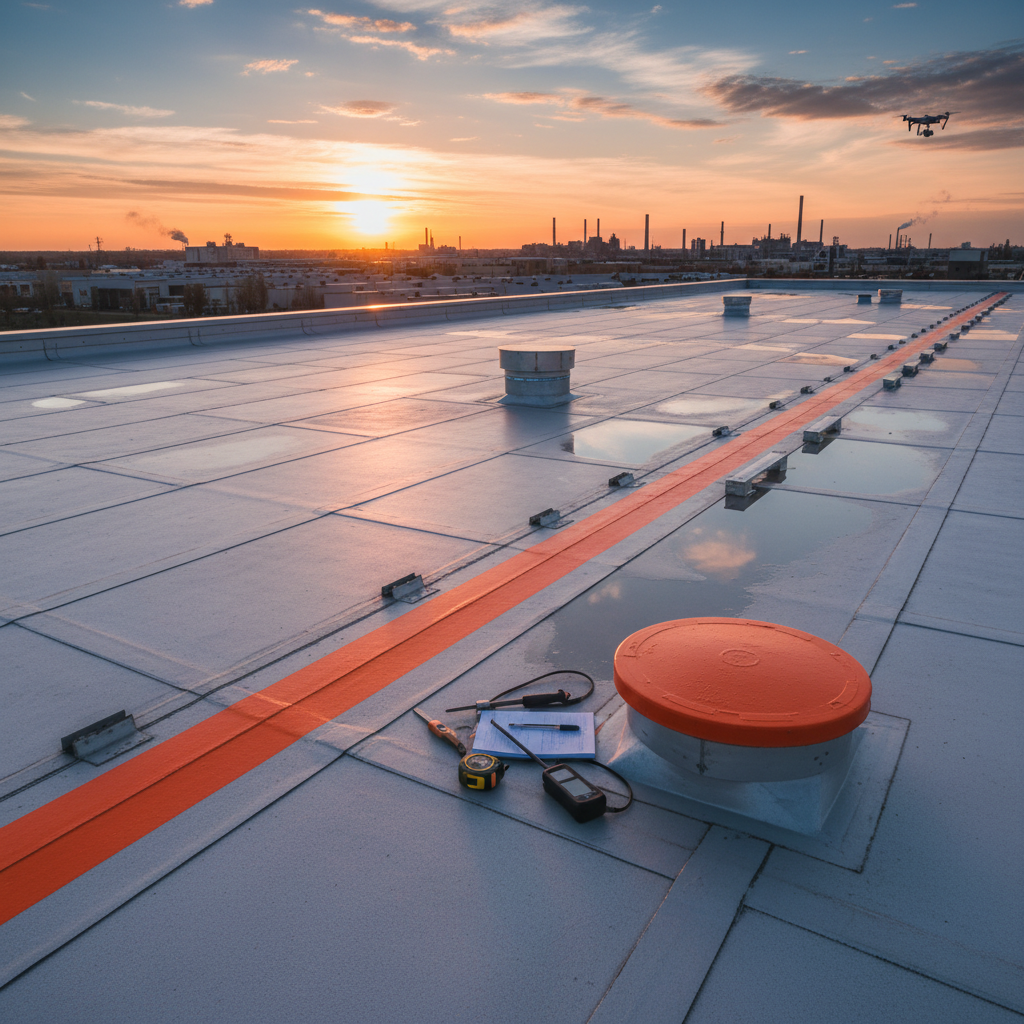
Commercial roofs in Singapore often encounter specific problems due to the tropical climate and the nature of commercial buildings. Addressing these issues promptly is crucial for maintaining the roof's integrity and extending its life.
Leaks and Water Ponding
Leaks are the most common commercial roof repair Singapore issue, often resulting from punctures, failed seams, or poor drainage leading to water ponding. Ponding water accelerates material degradation and can eventually seep through the membrane.
Solution: Regular inspections to identify and seal cracks or compromised seams. Installation or repair of effective drainage systems (e.g., scuppers, internal drains) to ensure water runs off promptly. Applying durable patches or liquid waterproofing membranes to affected areas.
UV Degradation and Material Erosion
Intense solar radiation causes roofing materials to break down, becoming brittle, chalky, or eroded over time, especially for asphalt-based or older single-ply membranes.
Solution: Applying reflective coatings (e.g., acrylic or silicone) that deflect UV rays and heat. Replacing degraded sections with UV-resistant materials like TPO or PVC.
Mold, Algae, and Fungal Growth
High humidity and constant moisture create ideal conditions for organic growth, which can trap moisture, damage surface materials, and reduce the effectiveness of reflective coatings.
Solution: Regular cleaning with appropriate detergents. Ensuring good ventilation and drainage to keep the roof surface dry. Applying anti-fungal treatments or using roofing materials with inherent resistance to organic growth.
Thermal Expansion and Contraction
The significant temperature fluctuations between day and night in Singapore, though less extreme than some other climates, can cause roofing materials to expand and contract. This stress can lead to cracks, membrane splits, and fastener failures.
Solution: Using roofing systems designed to accommodate movement, such as mechanically fastened or fully adhered single-ply membranes. Ensuring proper ventilation in the roof assembly to stabilize temperatures.
Damaged Flashing
Flashing, which seals critical areas like vents, skylights, and parapet walls, is highly susceptible to damage. Compromised flashing is a common entry point for water.
Solution: Regular inspection and resealing of flashing with appropriate sealants. Replacing damaged or improperly installed flashing with durable metal or membrane materials.
Choosing the Right Commercial Roofing Contractor
Selecting the appropriate roofing contractors for businesses is a critical decision that directly impacts the quality, longevity, and cost-effectiveness of your commercial roofing Singapore project. An experienced and reliable partner ensures peace of mind and a durable outcome.
Experience and Specialization: Look for contractors with extensive experience specifically in commercial roofing, not just residential. They should have a track record of successfully completing projects similar in scale and complexity to yours, particularly in Singapore's climate.
Licensing and Insurance: Verify that the contractor holds all necessary licenses and permits for roofing work in Singapore. Crucially, they must carry comprehensive liability insurance and workers' compensation to protect your business from accidents or damages during the project.
References and Portfolio: Request references from previous commercial clients and review their project portfolio. A reputable contractor will be transparent about their past work and eager to showcase their successes.
Material Knowledge: Ensure the contractor is knowledgeable about various commercial building roof types and can recommend the most suitable materials for your specific needs, budget, and the local climate. They should be able to explain the pros and cons of each option.
Safety Record and Compliance: Inquire about their safety protocols and track record. A responsible contractor prioritizes safety on the job site for their crew and your property. They should also demonstrate compliance with all local building codes and safety regulations.
Warranty and Guarantees: A reliable contractor will stand behind their work. Understand the duration and scope of their workmanship warranty, in addition to any manufacturer warranties on the roofing materials.
Communication and Transparency: Choose a contractor who communicates clearly, provides detailed proposals with transparent pricing, and keeps you informed throughout the project lifecycle.
Compliance and Regulations for Commercial Roofs in Singapore
Commercial roofing projects in Singapore are subject to specific regulations and compliance standards set forth by government agencies to ensure safety, structural integrity, and environmental responsibility. Adhering to these is non-negotiable for any business undertaking roof work.
Building Control Act and Regulations: The Building and Construction Authority (BCA) is the primary regulatory body. All new construction, additions, and major alterations to commercial buildings, including roofing, must comply with the Building Control Act. This covers aspects such as structural stability, fire safety, and accessibility.
Professional Engineer (PE) Supervision: For significant roofing works, especially those involving structural changes or heavy systems (like concrete roofs or extensive green roofs), involvement and endorsement from a Professional Engineer (PE) registered with the Professional Engineers Board Singapore (PEB) is often required. The PE will ensure designs meet structural codes.
Workplace Safety and Health (WSH) Act: The Ministry of Manpower (MOM) enforces the WSH Act, which mandates stringent safety measures for all construction activities, including roofing. Contractors must implement safe work procedures, provide personal protective equipment (PPE), and ensure worker safety, especially when working at heights.
Singapore Standard SS 581: Code of Practice for Water Proofing: This standard provides guidelines for waterproofing systems in buildings, which is highly relevant for flat roof commercial solutions in Singapore's wet climate. Adherence ensures effective protection against leaks.
Green Mark Standards: While not strictly mandatory for all roof works, the BCA's Green Mark scheme encourages environmentally friendly building practices. Commercial roof designs can contribute points through features like reflective roofs, green roofs, and solar panel installations, potentially offering financial incentives or enhancing a business's reputation.
Permits and Approvals: Depending on the scope of work (e.g., re-roofing vs. minor repair), various permits may be required from the BCA or other relevant agencies. An experienced contractor will assist in navigating these bureaucratic processes.
Energy-Efficient Commercial Roofing Options
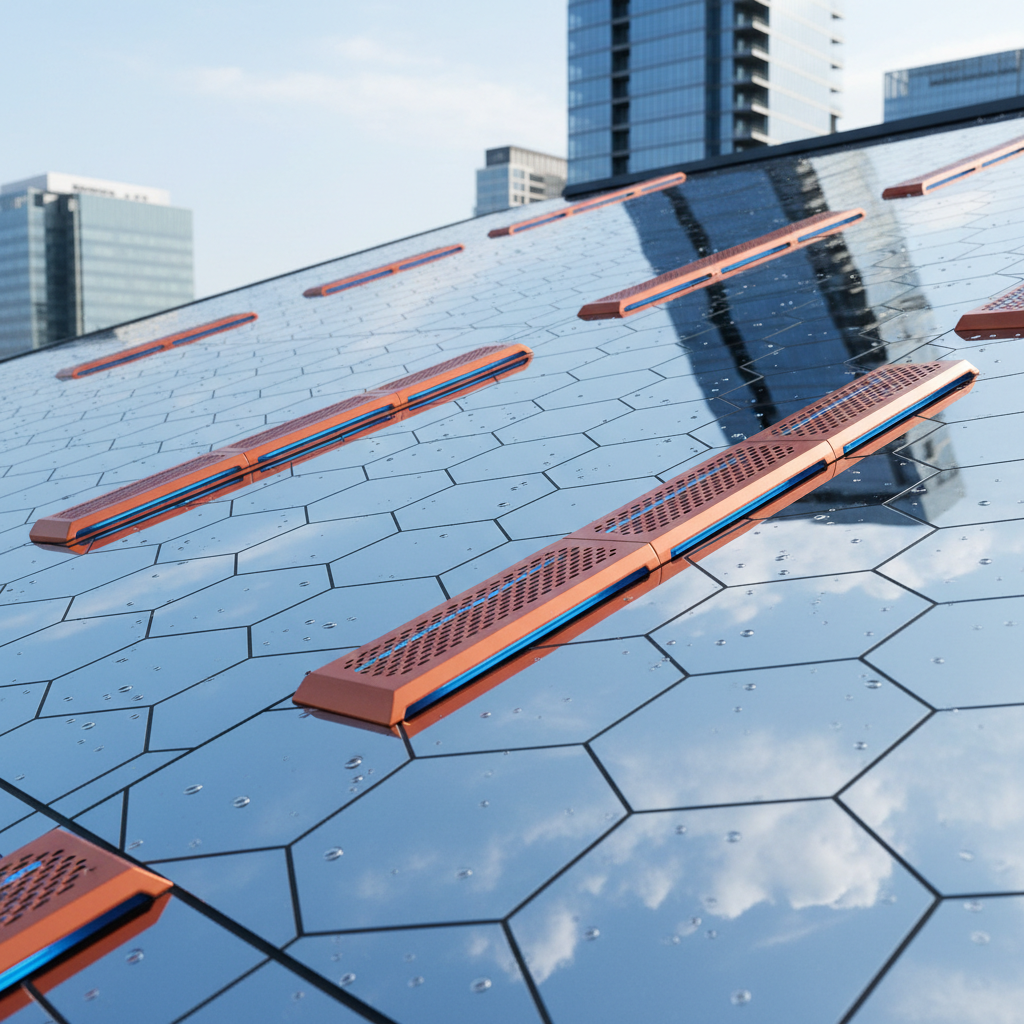
In Singapore's tropical climate, choosing an energy-efficient commercial roofing Singapore solution can significantly reduce cooling costs and improve indoor comfort. These options focus on reducing heat absorption and improving thermal insulation.
Cool Roofs: These roofs use highly reflective materials or coatings to reflect sunlight and absorb less heat than traditional dark-colored roofs. This lowers the roof surface temperature, which in turn reduces the amount of heat transferred into the building. Common cool roof materials include white TPO and PVC membranes, or specialized reflective coatings applied to existing roofs. According to the Singapore Green Building Council, cool roofs can reduce peak roof temperatures by up to 30°C.
Green Roofs: As mentioned earlier, green roofs involve covering the rooftop with vegetation. The soil and plant layers provide natural insulation, reducing heat transfer into the building and helping to cool the surrounding air through evapotranspiration. They also contribute to stormwater management and biodiversity.
Insulation Enhancements: Integrating high-performance insulation materials directly under the roofing membrane is crucial. Materials like polyisocyanurate (polyiso) or extruded polystyrene (XPS) boards provide excellent thermal resistance, creating a barrier against heat flow. Proper insulation helps maintain stable internal temperatures with less reliance on air conditioning.
Ventilated Roof Systems: Designing a roof with an air gap beneath the roofing material allows for passive airflow, which helps to dissipate heat before it can transfer into the building interior. This can be particularly effective under metal or tiled roofs.
Solar Panel Integration: While not primarily a roofing material, installing solar panels directly on an energy-efficient roof can significantly offset a business's electricity consumption. The panels themselves also provide a layer of shade, further reducing heat gain on the roof surface beneath them.
Key Insight: While the initial investment for energy-efficient roofing might be higher, the long-term savings from reduced electricity bills and potentially qualifying for green building incentives make them a financially sound decision for businesses in Singapore.
Conclusion
Investing in high-quality commercial roofing Singapore is a strategic decision that underpins the success and sustainability of any business. From protecting critical assets and ensuring operational continuity to significantly impacting energy efficiency and employee comfort, the roof over your business plays an indispensable role. Navigating Singapore's unique tropical climate requires careful consideration of durable materials like metal, concrete, or advanced membrane systems, coupled with professional installation and diligent maintenance. By partnering with experienced and reputable roofing contractors for businesses who understand local regulations and climate stresses, companies can secure a robust, long-lasting, and energy-efficient roofing solution. This proactive approach ensures the structural health of your premises and contributes directly to your business's overall resilience and profitability in the long run.
Frequently Asked Questions
How often should commercial roofs in Singapore be inspected?
Commercial roofs in Singapore should ideally be inspected at least twice a year, typically before and after the heaviest monsoon seasons, and after any severe weather events. Regular inspections help identify minor issues before they escalate.
What are the main benefits of using a TPO membrane for commercial roofs?
TPO membranes are highly durable, resistant to UV radiation and chemical exposure, and offer excellent reflectivity, which contributes to energy efficiency by reducing heat absorption. They are also relatively lightweight and offer good value.
Can solar panels be installed on any commercial roof type?
While solar panels can be installed on many commercial roof types, a structural assessment by a Professional Engineer is crucial. Flat concrete or low-slope membrane roofs are often ideal, but metal roofs can also support them with proper mounting systems.
What is water ponding on a commercial roof, and why is it a problem?
Water ponding refers to standing water on a commercial roof 48 hours after rainfall. It's a problem because it accelerates the degradation of roofing materials, stresses the structure, promotes organic growth, and significantly increases the risk of leaks over time.
Are there government grants available for energy-efficient commercial roofing in Singapore?
Yes, Singapore offers various schemes and grants, such as the Green Mark Incentive Scheme and the Enhanced Energy Efficiency Grant, administered by agencies like the BCA and NEA, which can provide financial support for businesses investing in energy-efficient upgrades, including cool roofs or solar installations. Eligibility criteria apply.
What is the typical lifespan of a commercial roof in Singapore?
The lifespan varies significantly by material: metal roofs can last 40-60 years, concrete roofs can exceed 50 years, and well-maintained single-ply membrane roofs (TPO, PVC, EPDM) often last 20-30 years. Regular maintenance is key to achieving maximum lifespan.
How does humidity affect commercial roofing in Singapore?
High humidity in Singapore contributes to the growth of mold, mildew, and algae on roof surfaces, which can trap moisture and degrade materials. It also increases the risk of condensation within the roof assembly if insulation and ventilation are inadequate.


Comments