

Industrial Roofing Singapore: Essential Maintenance for Longevity
- eckent
- Jul 16
- 9 min read
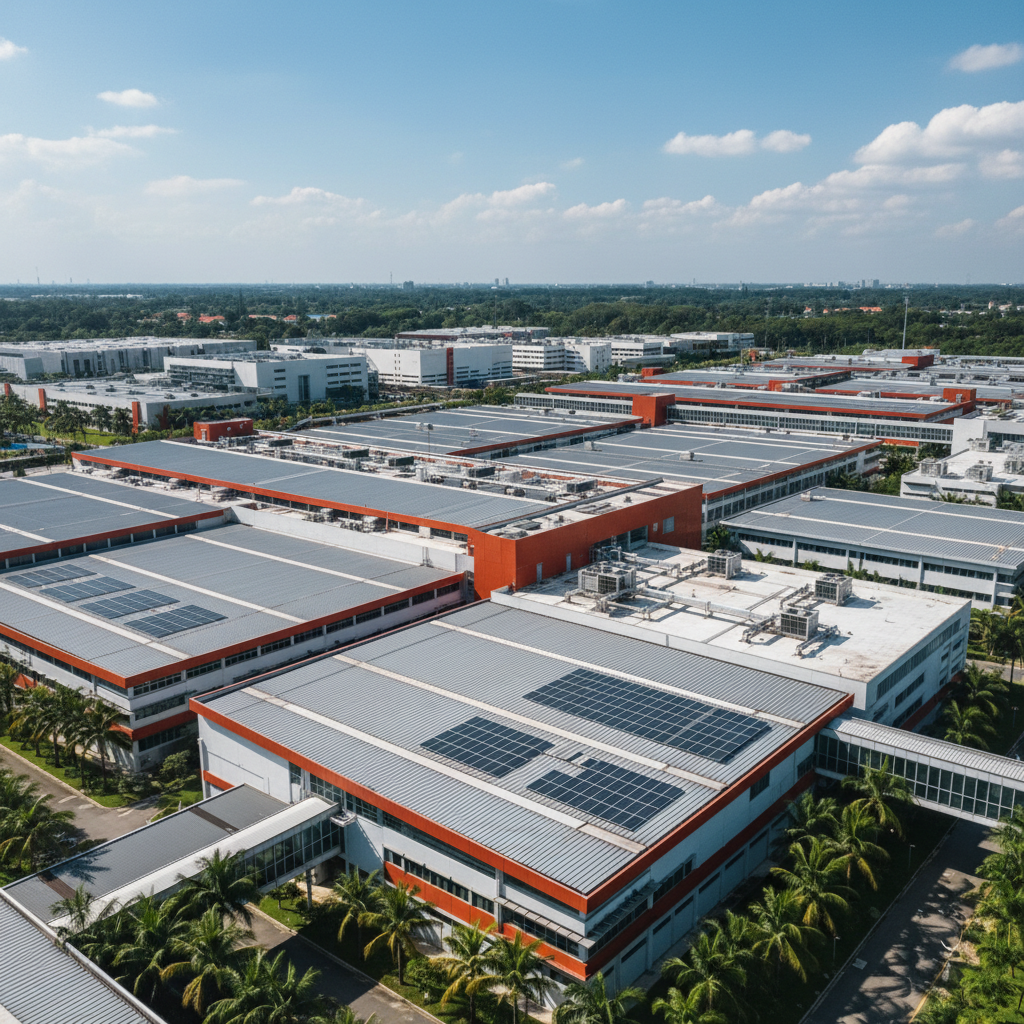
Maintaining industrial roofing Singapore is crucial for protecting assets, ensuring operational continuity, and maximizing the lifespan of commercial and industrial properties. Proactive roof care helps businesses avoid costly repairs, mitigate production disruptions, and maintain a safe working environment in Singapore's challenging tropical climate.
Quick Answer:
Industrial roof maintenance is vital for protecting assets and ensuring business continuity.
Singapore's climate presents unique challenges requiring specific maintenance strategies.
Regular inspections are key to identifying issues early, including leaks, corrosion, and structural damage.
Preventative measures like cleaning, coating, and fixing minor damage extend roof life.
Choosing experienced Singapore industrial contractors for professional assessments and repairs is essential.
Table of Contents
The Importance of Industrial Roof Maintenance
Industrial roof maintenance is the systematic care and upkeep of roofing systems on commercial and industrial buildings to preserve their functionality, structural integrity, and longevity. Neglecting a robust maintenance plan can lead to significant financial burdens, operational disruptions, and safety hazards, particularly for businesses operating warehouses, factories, and other large-scale facilities in Singapore. Regular expert attention ensures that the roof continues to perform its primary function of protecting the building's contents and occupants from environmental elements.
Common Challenges for Industrial Roofs in Singapore's Climate
Industrial roofs in Singapore face a unique set of challenges primarily due to the country's tropical climate, which is characterized by high humidity, heavy rainfall, and intense solar radiation. These environmental factors accelerate wear and tear, necessitating more frequent and rigorous maintenance compared to roofs in temperate regions.
High Humidity and Rain
Singapore experiences an average of 171 rainy days annually, with significant downpours. This constant exposure to moisture contributes to water ingress, leading to leaks, dampness within the building, and potential damage to equipment and inventory. High humidity also fosters the growth of moss, algae, and mildew, which can degrade roofing materials, clog drainage systems, and compromise the roof's structural integrity over time. Water pooling, or ponding, on flat roofs is another common issue, adding excessive weight and increasing the risk of leaks and structural strain.
Intense Solar Radiation
The equatorial sun delivers strong UV radiation, which breaks down roofing materials such as asphalt, membranes, and metal coatings. This degradation can lead to materials becoming brittle, cracking, or fading, reducing their protective capabilities and aesthetic appeal. Over time, UV exposure can shorten the lifespan of the roof, leading to premature failure if not adequately protected with specialized coatings or reflective materials.
Wind and Storms
While Singapore is generally sheltered from major typhoons, strong winds and localized thunderstorms are common. These can dislodge roofing sheets, damage flashing, and exacerbate existing vulnerabilities, potentially leading to significant roof damage and subsequent factory roof repair needs. Debris carried by wind can also strike and puncture roofing surfaces.
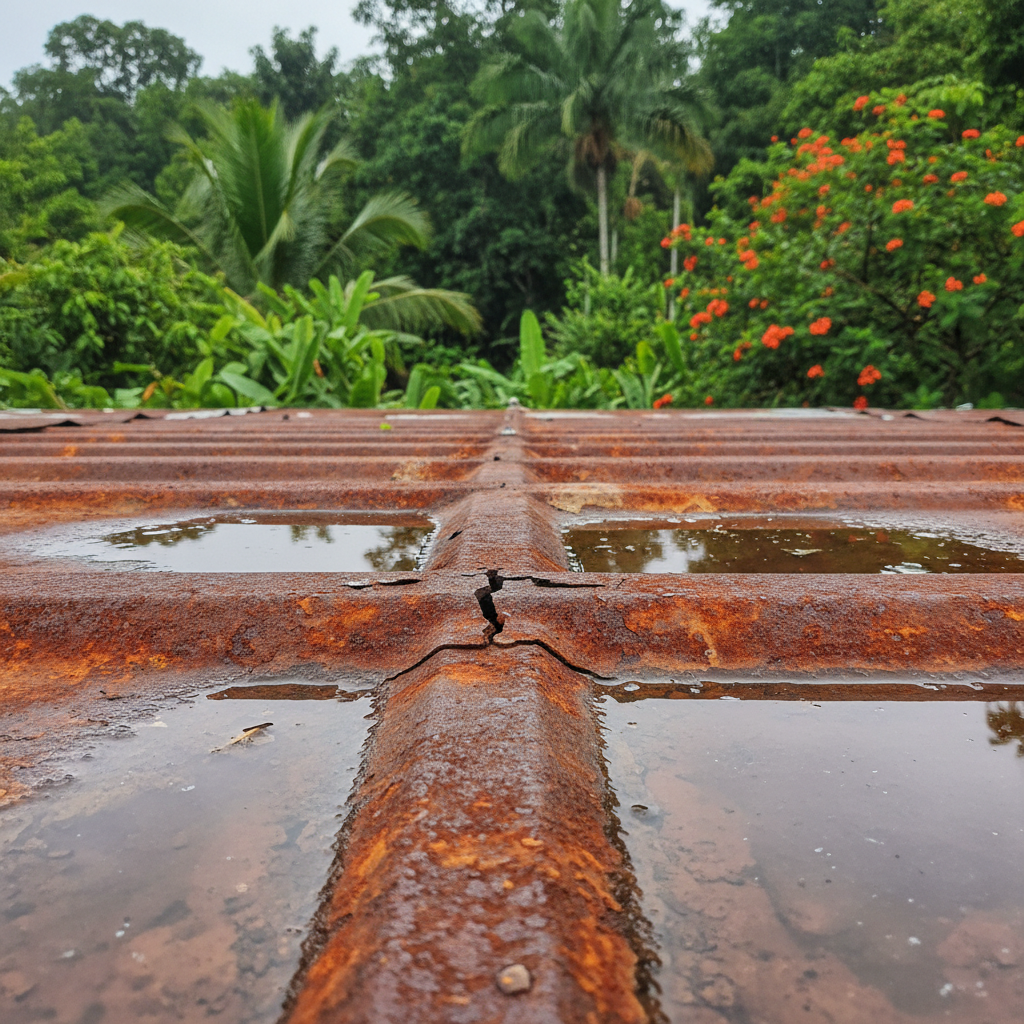
Key Insight: The relentless combination of high humidity, heavy rainfall, and intense UV radiation in Singapore means that industrial roofs demand a proactive rather than reactive maintenance approach to avoid accelerated deterioration and costly emergency repairs.
Key Aspects of Industrial Roof Inspection
A thorough industrial roof inspection is the cornerstone of effective maintenance, allowing for early detection of issues before they escalate into major problems. These inspections should be conducted regularly, ideally semi-annually, and after any significant weather events.
Visual Assessment
A visual assessment involves a comprehensive look at the entire roof surface from all accessible angles. Inspectors look for obvious signs of damage such as missing or displaced shingles/sheets, cracks, blistering, punctures, and excessive wear. They also check for proper alignment of components and any sag that might indicate structural problems. The integrity of flashing around penetrations (vents, skylights, exhaust pipes) is particularly critical, as these are common areas for leaks.
Drainage System Check
Effective drainage is paramount in Singapore's climate. Inspectors examine gutters, downspouts, and interior drains for blockages caused by leaves, debris, or vegetation growth. They ensure that water flows freely and that there are no areas where water consistently pools, which can lead to accelerated material degradation and leaks. Blocked drains are a leading cause of premature roof failure in industrial settings.
Structural Integrity Evaluation
Beyond the surface, inspectors assess the underlying structure for signs of stress, fatigue, or damage. This includes checking for visible sagging of the roof deck, unusually stressed areas, and examining the interior of the building for water stains or dampness on ceilings and walls, which can indicate hidden leaks or structural compromise. For older buildings, a structural engineer may be required for a more in-depth analysis.
Membrane and Sealant Integrity
For membrane roofs (e.g., TPO, PVC, EPDM), inspectors check for tears, punctures, shrinkage, and separation at seams and edges. For metal roofs, they look for loose fasteners, bent panels, and most importantly, corrosion and rust, especially around penetrations and connections. Sealants are vital for preventing water entry; inspectors ensure they are not cracked, dried out, or peeling.
Preventative Maintenance Strategies for Longevity
Preventative maintenance is a proactive approach designed to extend the life of an industrial roof and minimize the need for costly emergency repairs. Implementing these strategies is crucial for warehouse roofing solutions and other large industrial facilities in Singapore.
Regular Cleaning and Debris Removal
Regular cleaning is essential to remove accumulated leaves, branches, dirt, and other debris that can block drains, trap moisture, and provide a substrate for vegetative growth. This should be performed quarterly or more frequently if the building is surrounded by trees. High-pressure washing (used carefully for specific materials) can remove stubborn dirt and biological growth.
Minor Repair of Damage
Addressing minor issues promptly prevents them from escalating. This includes reattaching loose fasteners on metal roofs, repairing small punctures or tears in membranes, re-sealing compromised flashing, and replacing isolated damaged tiles or panels. Prompt attention to these small details can significantly delay the onset of major problems and reduce overall repair costs.
Protective Coatings and Sealants
Applying protective coatings and sealants is a highly effective preventative measure, especially for roofs exposed to Singapore's intense UV radiation and heavy rainfall.
Cool roof coatings: Reflect solar radiation, reducing heat absorption and decreasing indoor temperatures, which can also lower energy consumption for cooling.
Elastomeric coatings: Provide a seamless, waterproof barrier that can bridge small cracks and protect against UV and chemical degradation.
Rust-inhibiting primers: Essential for metal roofs to prevent and treat corrosion, extending the life of the metal components.
These coatings should be applied by Singapore industrial contractors who specialize in roofing.
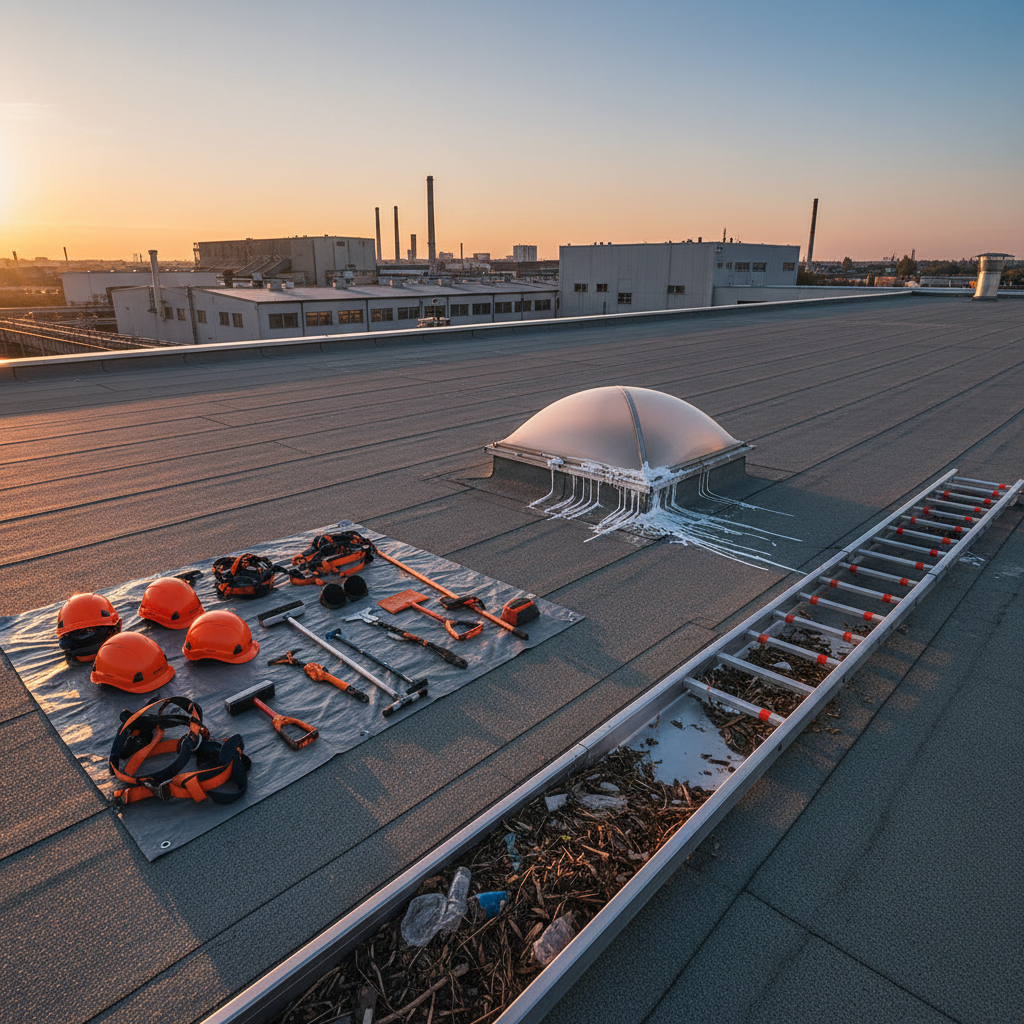
Understanding Different Industrial Roofing Materials and Their Care
The type of industrial roofing material significantly influences the specific maintenance requirements and overall lifespan. Singapore's climate often dictates material choices and the care they need.
Metal Roofing
Metal roofing, commonly made from corrugated steel, aluminum, or zinc, is popular for industrial buildings due to its durability, fire resistance, and relatively low maintenance.
Care: Regular inspection for rust, loose fasteners, and bent panels. Prompt application of rust-inhibiting primers and protective coatings is crucial, especially in high-humidity coastal areas. Ensure proper drainage to prevent ponding that accelerates corrosion. Cleaning should occur semi-annually to prevent debris buildup.
Built-Up Roofing (BUR)
Built-Up Roofing (BUR) consists of multiple layers of bitumen (asphalt or coal tar) alternated with reinforcing plies of fabric, topped with a layer of aggregate (gravel) or a reflective coating.
Care: Inspections should focus on cracks, blisters, and areas where the aggregate layer has been displaced, exposing the membrane. Proper drainage is vital to prevent water ponding, which can degrade the bitumen. Regular removal of debris is essential to avoid vegetative growth.
Modified Bitumen (Mod-Bit) Roofing
Modified Bitumen (Mod-Bit) is a single-ply or two-ply roofing system similar to BUR but uses polymer-modified asphalt for enhanced flexibility and durability.
Care: Inspections focus on seam integrity, punctures, and blistering. Similar to BUR, preventing ponding water is critical. UV-resistant coatings are often applied to extend its lifespan in Singapore's sun.
Single-Ply Membrane Roofing (TPO, PVC, EPDM)
Single-ply membranes like TPO (Thermoplastic Polyolefin), PVC (Polyvinyl Chloride), and EPDM (Ethylene Propylene Diene Monomer) are popular for flat or low-slope industrial roofs due to their flexibility, light weight, and excellent waterproofing characteristics.
Care: Vigilant inspection for punctures, tears, shrinkage at the edges, and compromised seams is necessary. Cleaning should be done regularly to remove dirt and debris, which can obscure small damages. Punctures from foot traffic or falling objects are common and require immediate repair.
Key Insight: Each roofing material has specific vulnerabilities and strengths in Singapore's climate. Tailored maintenance plans, developed with an experienced commercial building roof care provider, are essential to maximize the longevity and performance of the chosen system.
When to Call a Professional Industrial Roofing Contractor
While some minor maintenance can be handled internally, certain situations unequivocally require the expertise of a professional industrial roofing Singapore contractor. Attempting complex repairs or assessments without the right equipment, training, or safety protocols can lead to further damage, injury, or void warranties.
Signs of Significant Damage
If you observe widespread water stains, persistent leaks, visible structural sagging, large areas of missing material, or significant storm damage (e.g., detached panels, major punctures), it's time to call in experts. These issues often indicate underlying problems that require specialized diagnostic tools and repair techniques.
Regular Professional Inspections
Beyond reactive calls, scheduling bi-annual or annual comprehensive inspections by a licensed contractor is a wise preventative measure. Professionals can identify subtle issues that might be missed by an untrained eye, accurately assess the remaining lifespan of your roof, and recommend Proactive solutions. They also have the necessary safety equipment and insurance for working at heights.
Post-Storm Assessments
Following severe weather events, such as strong winds or prolonged heavy rainfall, a professional assessment is crucial, even if no obvious damage is apparent. High winds can loosen fasteners or create micro-fissures in materials that are not immediately visible but can lead to leaks later. Contractors can identify and repair these hidden damages before they become critical.
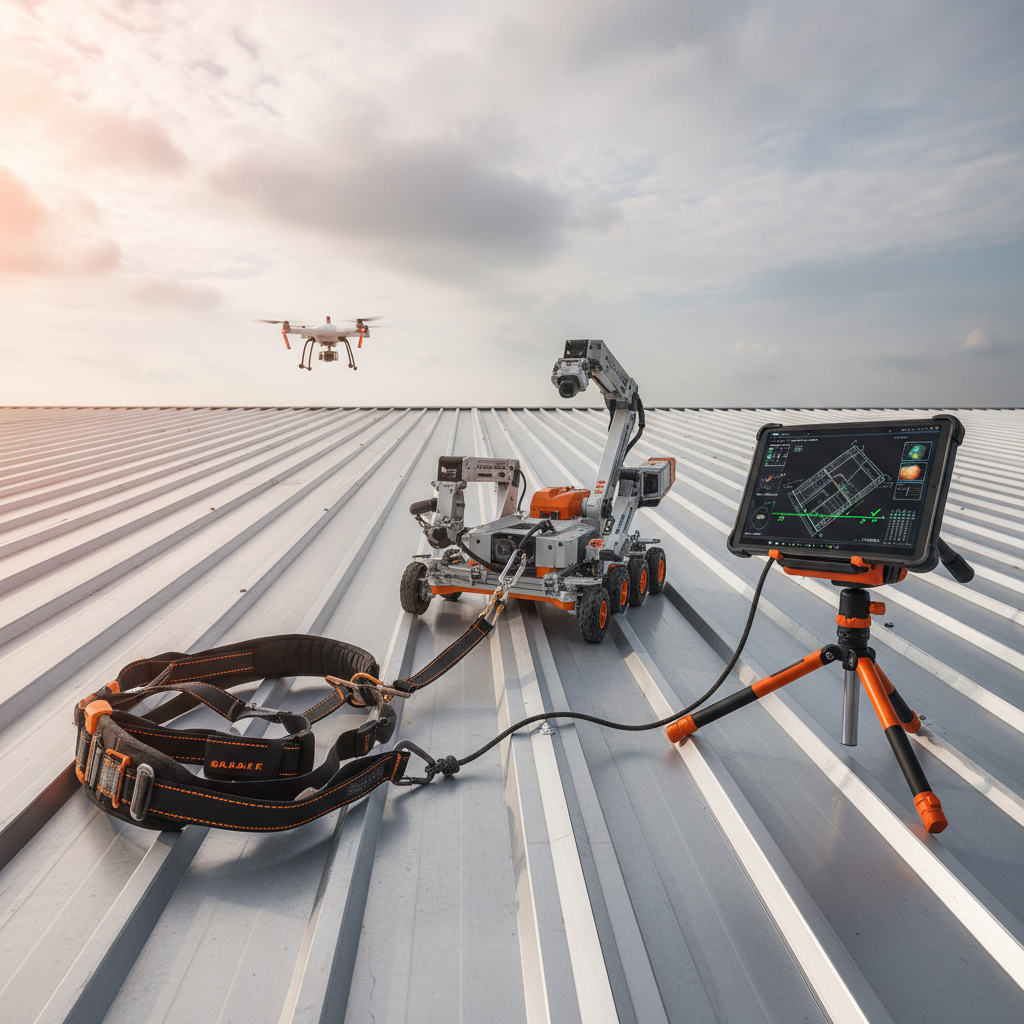
Benefits of Regular Maintenance for Your Business
Investing in consistent industrial roof maintenance offers a multitude of benefits that directly impact a business's bottom line and operational efficiency. These advantages extend far beyond simply keeping the rain out.
Cost Savings
Proactive maintenance helps businesses avoid the high costs associated with emergency repairs or complete roof replacements. According to industry data, preventative maintenance can reduce lifecycle costs by 10-15% compared to reactive repairs. Addressing small issues like loose fasteners or minor cracks promptly prevents them from escalating into major structural damage or widespread leaks requiring expensive factory roof repair. It also prolongs the roof's lifespan, deferring the significant capital expenditure of a full replacement.
Enhanced Building Protection
A well-maintained roof provides superior protection for your building's interior, valuable equipment, and stored inventory from water damage, mold, and humidity. This reduces the risk of operational downtime and potential product spoilage, which can be particularly critical for warehouses storing sensitive goods. By preventing water ingress, you also protect the building's structural components from deterioration.
Improved Energy Efficiency
Many modern roofing materials and coatings, especially cool roof systems, significantly reduce heat absorption. Regular cleaning and maintenance of these surfaces ensure they continue to reflect solar radiation effectively. This can lead to lower internal temperatures, reducing the reliance on air conditioning and consequently lowering energy bills for cooling, a significant operational expense in Singapore's climate.
Safety and Compliance
A structurally sound and well-maintained roof contributes to a safer working environment for employees and visitors. It minimizes the risks associated with collapsed sections, falling debris, or slips due to water accumulation. Furthermore, ensuring that roofing systems comply with local building codes and safety regulations in Singapore helps avoid fines and legal liabilities, demonstrating a commitment to workplace safety.
Frequently Asked Questions
How often should an industrial roof in Singapore be inspected?
Industrial roofs in Singapore should ideally undergo professional inspections at least twice a year, typically before and after the monsoon seasons, and always after any severe weather events. This proactive schedule accounts for the challenging tropical climate.
What are the main causes of industrial roof leaks in Singapore?
The main causes of industrial roof leaks in Singapore include prolonged exposure to heavy rainfall and high humidity, leading to material degradation, blocked drains causing water ponding, compromised flashing around roof penetrations, and general wear and tear from intense UV radiation and temperature fluctuations.
Can I repair my industrial roof myself?
While minor cleaning or debris removal might be possible by trained personnel with proper safety gear, major repairs, structural assessments, or coating applications should always be handled by professional Singapore industrial contractors. This ensures safety, quality of work, and preserves warranties.
What is the lifespan of a typical industrial roof in Singapore?
The lifespan of an industrial roof in Singapore varies significantly based on the material, installation quality, and, most importantly, the consistency of maintenance. Metal roofs can last 30-50 years with good care, while single-ply membranes might last 15-30 years. Regular maintenance is key to achieving the higher end of these estimates.
Why is moss and algae growth a problem on industrial roofs?
Moss and algae growth on industrial roofs, common in Singapore's humid climate, can trap moisture against the roofing material, accelerating degradation. It can also block drainage systems, add extra weight to the roof, and, if extensive, compromise the roof's fire resistance.
Are cool roof coatings effective in Singapore's climate?
Yes, cool roof coatings are highly effective in Singapore's climate. They reflect a significant portion of solar radiation, reducing the amount of heat absorbed by the roof and subsequently lowering interior temperatures. This can lead to substantial energy savings on cooling costs for industrial facilities.
Conclusion
Investing in the consistent and proactive industrial roofing Singapore maintenance is not merely an expense, but a strategic investment for any business. By understanding the unique challenges posed by Singapore's tropical climate and implementing regular inspections, cleaning, and timely repairs, businesses can significantly extend the lifespan of their roofs, protect valuable assets, ensure operational continuity, and achieve considerable cost savings. Partnering with experienced Singapore industrial contractors ensures expert care, keeping your building secure and your operations running smoothly for years to come.


Comments