

Re-roofing vs. Roof Repair in Singapore: Making the Right Choice
- eckent
- Jul 18
- 10 min read
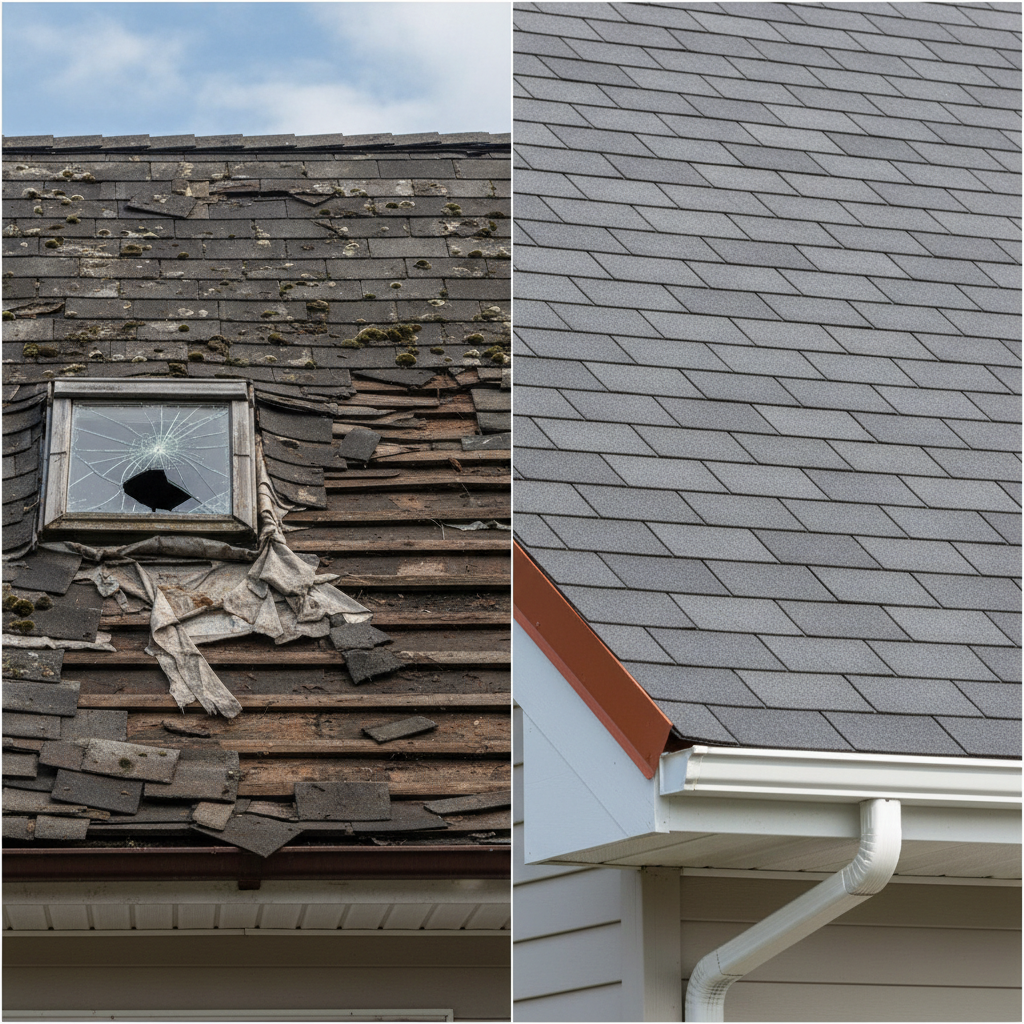
Choosing between re-roofing vs roof repair in Singapore is a significant decision for any property owner, impacting both immediate finances and long-term structural integrity. This guide explores the critical factors to consider, helping you determine the most appropriate and cost-effective solution for your home or business in Singapore. Understanding the nuances of each option is key to protecting your investment from the region's intense tropical climate.
Quick Answer:
Roof Repair: Ideal for localized damage, minor leaks, or extending the life of a relatively new roof.
Re-roofing: Necessary for widespread damage, aging roofs nearing the end of their lifespan, or significant structural issues.
Key Factors: Consider your roof's age (typically 15-25 years in Singapore), the extent of damage, future plans for the property, and your budget.
Professional Assessment: A qualified roofing contractor in Singapore can provide a detailed evaluation and recommend the best course of action.
Table of Contents
Understanding 'Roof Repair' – When Is It Enough?
Roof repair involves addressing specific, localized issues on a roof to restore its integrity and prevent further damage. This approach is typically sufficient when the damage is isolated and the overall structure of the roof remains sound. For instance, a minor roof leak repair might involve replacing a few broken tiles, sealing a flashing, or patching a small section of waterproofing membrane.
Common scenarios where repair is the optimal solution include:
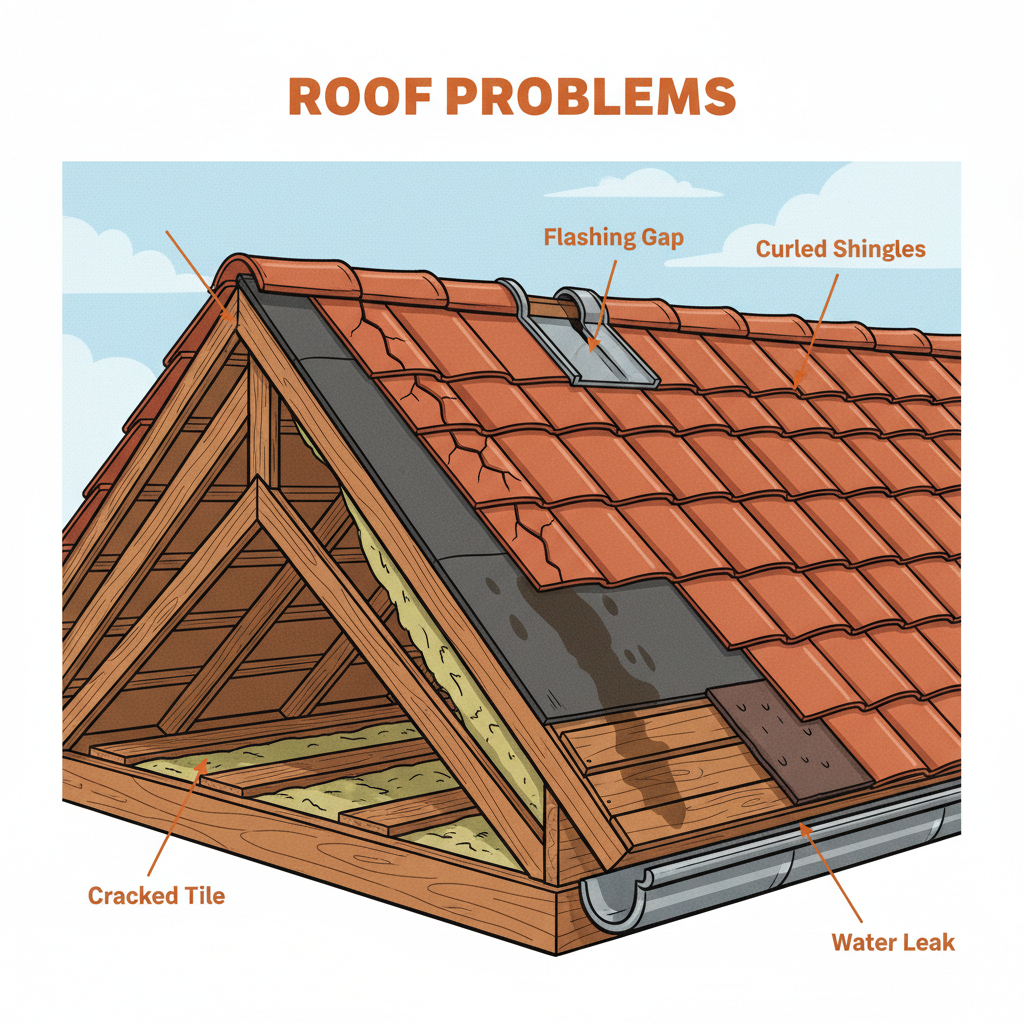
Punctures or small holes: Caused by falling debris or foot traffic.
Cracked or broken tiles: Common with clay or concrete tiles due to impacts or material deterioration.
Loose or damaged flashing: Around chimneys, vents, or skylights, leading to water ingress.
Clogged or damaged gutters and downspouts: Impeding proper water drainage and potentially causing water backup under eaves.
Localized rust on metal roofs: If caught early, often treatable with cleaning and protective coatings.
A professional assessment is crucial to confirm that the issue is truly localized and not a symptom of widespread underlying problems. According to a 2023 survey by Straits Times, minor roof repairs are among the top five home maintenance tasks Singaporean homeowners undertake annually.
Understanding 'Re-roofing' – The Full Solution
Re-roofing, also known as roof replacement, is the process of removing the existing roofing material down to the deck and installing an entirely new roofing system. This comprehensive solution is necessary when a roof has reached the end of its functional life, sustained extensive damage, or when a significant upgrade is desired.
Reasons to consider re-roofing:
Ageing roof: Most roofing materials in Singapore have a defined lifespan, typically 15-25 years for asphalt shingles and metal roofs, and up to 50 years for quality clay tiles.
Widespread damage: Extensive rot, sagging, multiple leaks, or pervasive material degradation across a large portion of the roof.
Structural issues: Problems with the roof's decking or underlying support structure that cannot be fixed by superficial repairs.
Poor insulation or energy efficiency: Re-roofing allows for an upgrade to better insulation, potentially reducing cooling costs in Singapore's climate.
Mold or mildew issues: Persistent fungal growth can indicate chronic moisture problems and compromise structural integrity.
Re-roofing is a significant investment but often provides a complete reset for your property's protection and curb appeal.
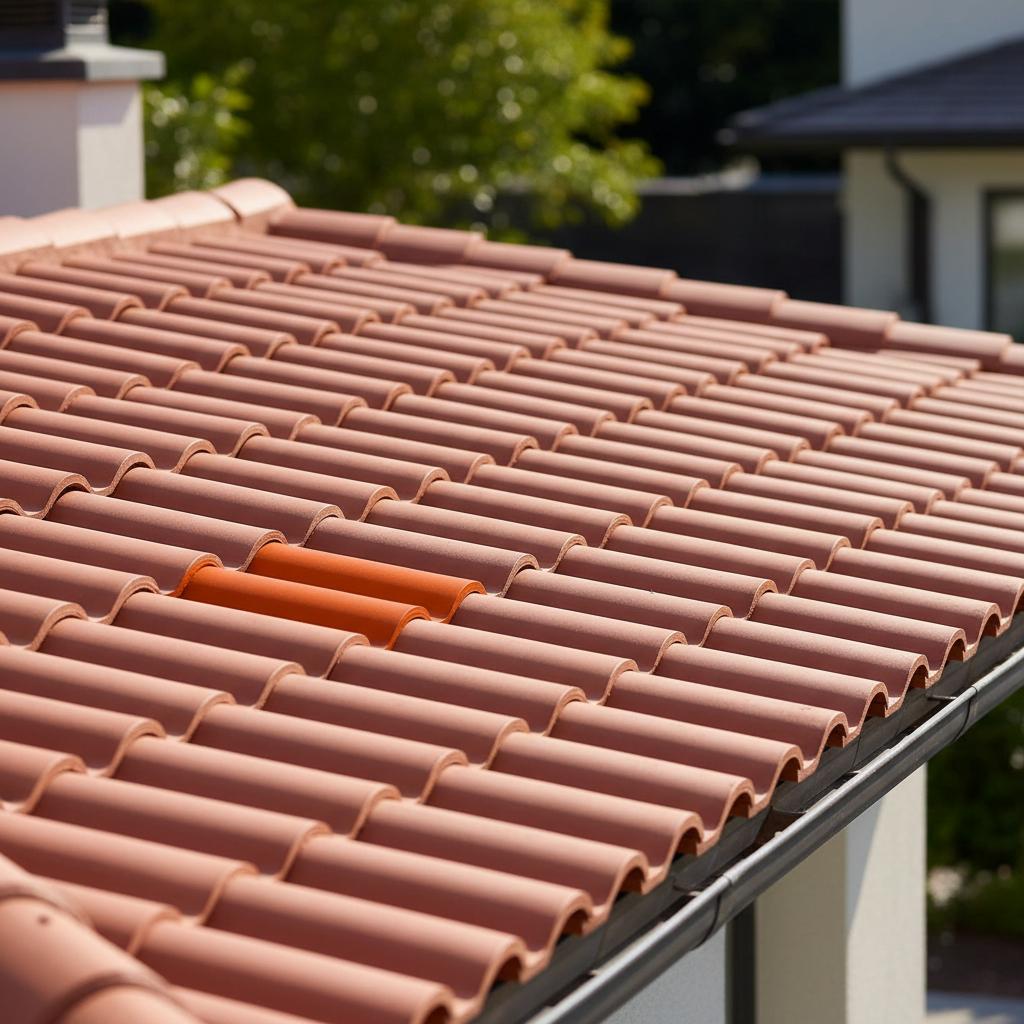
Key Factors to Consider: Age of Roof, Extent of Damage
When contemplating re-roofing vs roof repair in Singapore, several critical factors guide the decision.
Age of the Roof
The age of your roof is arguably the most significant indicator.
Younger roofs (under 10 years): Repairs are usually sufficient if damage is localized. Most manufacturers offer warranties that might cover certain repair costs.
Middle-aged roofs (10-20 years): Assess carefully. Minor issues can still be repaired, but multiple problems arising simultaneously might signal the need for replacement soon. This is a prime time to consider a roof lifespan extension strategy with targeted maintenance.
Older roofs (over 20-25 years): Even minor repairs might be a temporary fix for a system nearing its roof lifespan extension limit. Re-roofing typically offers better value and peace of mind in the long run.
Extent of Damage
The severity and spread of damage dictate the feasibility of repair.
Isolated damage: A few cracked tiles, small punctures, or localized flashing issues are perfect candidates for repair.
Widespread damage: If more than 25-30% of the roof surface requires intervention, or if damage is affecting the underlayment and decking, re-roofing becomes more economical and effective. Widespread granule loss on asphalt shingles, pervasive rust on metal roofs, or multiple soft spots indicating rot strongly suggest replacement.
Underlying issues: If a professional inspection reveals compromised decking, structural sagging, or extensive mold within the roof structure, re-roofing is almost always the recommended course.
Key Insight: For properties in Singapore's humid climate, even minor leaks can quickly lead to extensive damage to insulation, ceilings, and internal structures due to rapid mold and rot growth. Prompt assessment is essential.
Cost Implications: Repair vs. Replacement
The cost implications are a primary concern for any homeowner or business in Singapore. While minor roof leak repair might seem cheaper upfront, it's essential to consider the long-term value.
Roof Repair Costs
Generally lower initial outlay: A repair can range from a few hundred Singapore dollars (SGD) for a simple tile replacement or sealant work to several thousands for more complex patching or flashing repairs.
Variable pricing: Depends on the material, height of the roof, accessibility, and the complexity of the damage. Labor rates for skilled roofers are a significant component.
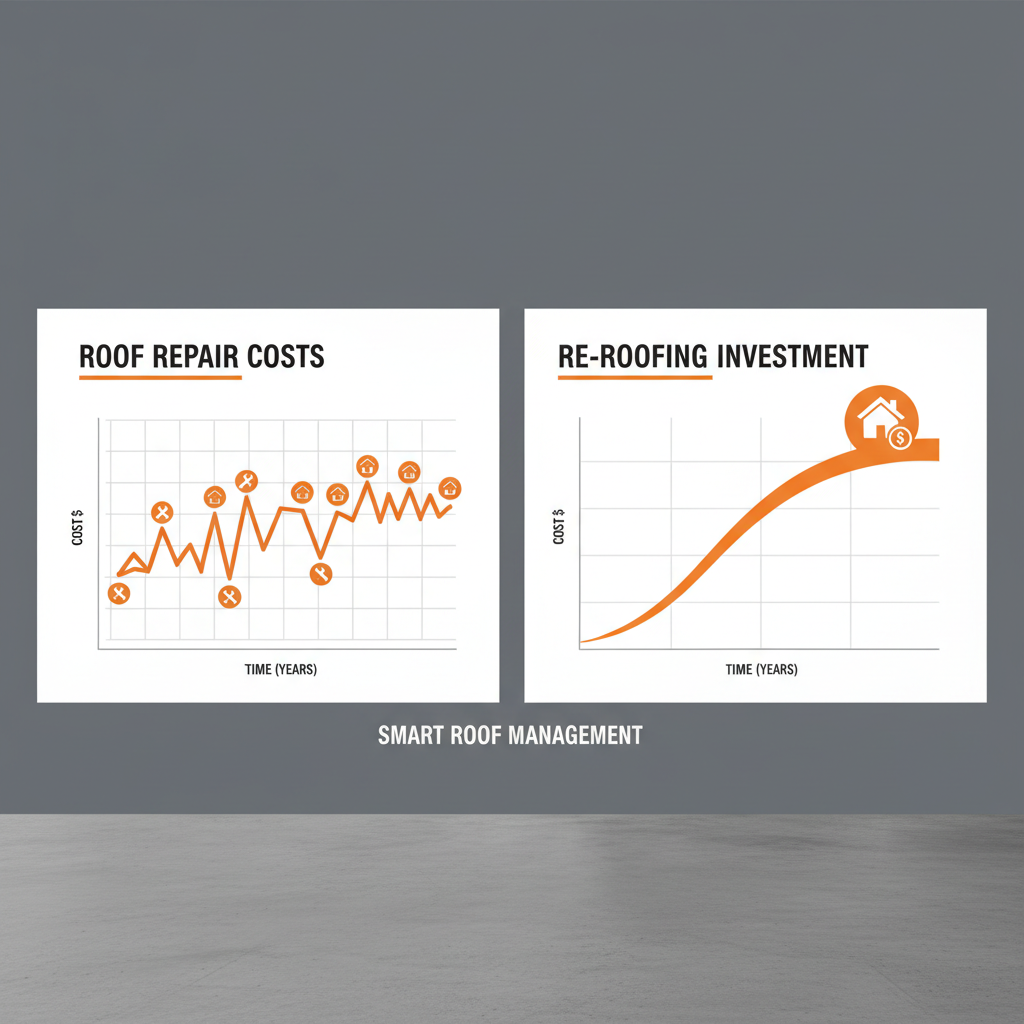
Potential for repeat costs: If the underlying issue isn't fully resolved, or if the roof is old, repeated repairs can accumulate, eventually surpassing the cost of a replacement.
Example: Replacing 5-10 broken concrete roof tiles in Singapore might cost between SGD 300 - SGD 800, depending on the contractor and access.
Re-roofing Costs
Higher upfront investment: Roof replacement cost is substantial, as it involves significant labor, material removal, and new material installation.
Average costs in Singapore: For a typical HDB Executive Maisonette or a landed property, a full re-roofing project can range from SGD 15,000 to SGD 50,000 or more, depending on the chosen material (e.g., metal, clay tiles, asphalt shingles), roof size, pitch, and complexity. Premium materials or intricate designs will naturally increase costs.
Long-term savings: A new roof provides decades of protection, potentially with better energy efficiency (lower cooling bills), and increased property value. Many new roofing materials come with extended warranties (e.g., 20-30 years).
Factors influencing cost: Material type (e.g., clay tiles are often more expensive than metal), roof size and pitch, accessibility, disposal fees for old materials, and any necessary structural repairs to the sub-decking.
Here's a comparison of typical scenarios:
Long-Term Benefits of Each Option
Understanding the immediate financial impact is one thing, but considering the long-term benefits is crucial for making an informed decision.
Benefits of Roof Repair
Cost-effective for minor issues: Saves a significant amount of money compared to replacement if the problem is small and isolated.
Extends current roof life: Timely repairs can prevent small issues from escalating, giving your existing roof a few more good years. This is part of a roof lifespan extension strategy.
Less disruptive: Repairs are generally quicker and less intrusive to daily life or business operations.
Environmentally friendly for minor fixes: Produces less waste than a full replacement.
Benefits of Re-roofing
Enhanced longevity and durability: A new roof offers decades of reliable protection against Singapore's heavy rainfall and intense sun.
Improved aesthetics and curb appeal: A brand-new roof significantly boosts your property's visual appeal and market value. This is especially important in Singapore's competitive property market.
Increased energy efficiency: Modern roofing materials and proper insulation installation during re-roofing can lead to substantial reductions in cooling costs. For instance, cool roof coatings can reduce surface temperatures by up to 30%, according to Singapore's Building and Construction Authority (BCA).
Superior protection: Eliminates all existing leaks and vulnerabilities, providing comprehensive defense against the elements.
Warranty peace of mind: New roofing systems often come with extensive material and workmanship warranties, offering long-term assurance.
Opportunity for upgrades: Allows for the integration of new features like solar panels, advanced ventilation, or energy-efficient skylights.
Assessing Your Roof's Current Condition: A Practical Guide
Before making a decision between re-roofing vs roof repair in Singapore, a thorough assessment of your roof's condition is essential. While a professional inspection is always recommended, you can conduct a preliminary visual check yourself.
Exterior Inspection Tips
Look for damaged or missing materials: Check for cracked, curled, buckling, or missing tiles/shingles. For metal roofs, look for extensive rust, punctures, or loose fasteners.
Check for granular loss: On asphalt shingles, excessive loss of granules (often seen in gutters) indicates the roof is nearing the end of its life.
Examine flashing: Ensure flashing around chimneys, vents, skylights, and valleys is intact and properly sealed. Any gaps or damage here are common entry points for water.
Inspect gutters and downspouts: Clear any blockages. Look for signs of water overflowing or backing up, which can damage fascia and eaves.
Sagging or unevenness: From a distance, look for any dips or uneven areas on the roofline, which could indicate structural damage or water saturation.
Moss, algae, or fungus growth: While some moss is common in Singapore's climate, excessive or widespread growth can trap moisture and accelerate material degradation.
Interior Inspection Tips
Check for water stains: Look for stains on ceilings or walls, especially in the attic or top-floor rooms. These are clear signs of leaks.
Look for mold or mildew: Any dampness or musty smells in the attic area are indicators of moisture intrusion.
Examine the attic decking: If accessible, check the underside of the roof deck for water damage, rot, or light coming through.
Key Insight: Even if a leak appears minor, visible interior damage often indicates a more significant external issue. The path of water can be misleading, so the entry point on the roof may be far from the visible stain inside.
Environmental Considerations and Material Choices
Singapore's tropical climate brings unique challenges and opportunities for roofing materials and construction. High humidity, heavy rainfall, and intense UV radiation impact material longevity and performance.
Material Selection for Singapore's Climate
Choosing the right roofing options Singapore offers is crucial for durability and energy efficiency.
Metal Roofing (e.g., standing seam, metal tiles): Highly durable, lightweight, fire-resistant, and excellent for shedding rainwater. Modern metal roofs often come with cool roof coatings that reflect solar radiation, significantly reducing heat absorption. Lifespan of 20-50+ years.
Clay/Concrete Tiles: Traditional and aesthetic, offering good thermal mass which can help moderate indoor temperatures. They are very durable against physical impact but can be heavy and sometimes more prone to cracking in large temperature fluctuations. Lifespan of 30-50+ years.
Asphalt Shingles: While less common in Singapore for primary roofing on landed properties due to rapid degradation from heat and humidity, they are sometimes used for aesthetic reasons or specific structures. Lifespan typically 10-20 years here.
Bituminous Membrane/Liquid Applied Waterproofing: Common for flat roofs, balconies, and reinforced concrete roofs. Crucial for waterproofing, these require proper installation and maintenance to prevent leaks. Lifespan varies from 10-20 years depending on type and exposure.
Sustainable Roofing Practices
Cool Roof Technology: Incorporating highly reflective materials or coatings can significantly reduce the Urban Heat Island Effect (UHI) and lower indoor temperatures, leading to less reliance on air conditioning. This directly translates to energy savings, which aligns with Singapore's Green Plan 2030 goals.
Rainwater Harvesting: A re-roofing project can be an opportune time to integrate systems for collecting rainwater, which can be reused for gardening or flushing toilets, conserving potable water.
Material Recycling: Reputable contractors will ensure that old roofing materials, especially metal, are recycled responsibly, minimizing landfill waste.
Expert Advice: Getting a Professional Assessment
Deciding between re-roofing vs roof repair in Singapore is a complex choice that benefits immensely from professional guidance. A qualified roofing contractor brings expertise, experience, and the right tools for an accurate assessment.
Why a Professional Assessment is Essential
Accurate diagnosis: Experts can identify not only visible damage but also underlying issues that untrained eyes might miss, such as water damage to the sub-decking or compromised structural elements.
Safety: Roof inspections can be dangerous without proper safety equipment and training.
Comprehensive report: A reputable contractor will provide a detailed report, often with photographic evidence, outlining the extent of the damage, recommended solutions, and estimated costs for both repair and replacement options.
Material knowledge: Contractors are up-to-date with the latest roofing options Singapore offers, including materials suitable for the climate and energy-efficient solutions.
Compliance with regulations: Ensuring any work adheres to Singapore's building codes and safety regulations.
Amber Services Pte Ltd, with over 30 years of experience in Singapore's roofing industry, provides thorough and objective assessments. Our team understands the specific challenges posed by the local climate and can advise on the most durable and cost-effective solutions for residential, commercial, and industrial properties. We can help you navigate the choice between repair and a full roof replacement cost, ensuring that your investment provides lasting protection.

Frequently Asked Questions
What are the signs I need a roof repair in Singapore?
Common signs you need a roof repair include visible leaks or water stains on ceilings, missing or cracked tiles/shingles, granules collecting in gutters, sagging roof sections, or excessive moss/algae growth. Catching these early can prevent a more costly roof replacement cost.
How long does a typical roof last in Singapore's climate?
The lifespan of a roof in Singapore varies by material. Metal roofs can last 20-50+ years, concrete or clay tiles 30-50+ years, and asphalt shingles typically 10-20 years, largely due to the intense heat and humidity. Regular maintenance can contribute to roof lifespan extension.
Can I repair a major leak, or do I need to re-roof?
For a major leak, particularly one with widespread interior damage or where the leak source is unclear, a professional assessment is crucial. If the leak stems from aged or extensively damaged roofing materials across a large area, re-roofing is often the more reliable and long-term solution compared to repeated minor roof leak repair.
Is re-roofing more expensive than roof repair?
Yes, re-roofing is almost always more expensive upfront than a singular repair. However, if your roof is old or has widespread, chronic issues, the accumulated cost of repeated repairs could eventually exceed the roof replacement cost, making re-roofing the more economical choice in the long run.
How do I choose the best roofing option in Singapore for my property?
Choosing the best roofing options Singapore has depends on factors like your budget, aesthetic preferences, property type, and desired lifespan. Materials like metal and clay tiles are popular for their durability and heat-reflective properties. Consulting with an experienced Singaporean roofing contractor is highly recommended for tailored advice.
What is the typical timeframe for re-roofing a house in Singapore?
The timeframe for re-roofing a house in Singapore depends on the roof's size, complexity, and the chosen material. A residential re-roofing project can typically take anywhere from several days to two weeks, assuming good weather conditions and no unexpected structural issues.
Conclusion
The decision between re-roofing vs roof repair in Singapore is a pivotal one for protecting your property and investment. While minor, isolated damage often warrants a cost-effective repair, extensive wear, age, or structural issues indicate that a full re-roofing offers superior long-term value, enhanced protection, and improved energy efficiency. By carefully evaluating your roof's age and condition, assessing the financial implications, and seeking advice from experienced local roofing professionals, you can make the right choice for your Singapore home or business, ensuring its resilience against the demands of the tropical climate for years to come.


Comments