

Roof Inspection Checklist Singapore: A Homeowner's Guide
- eckent
- Jul 17
- 11 min read
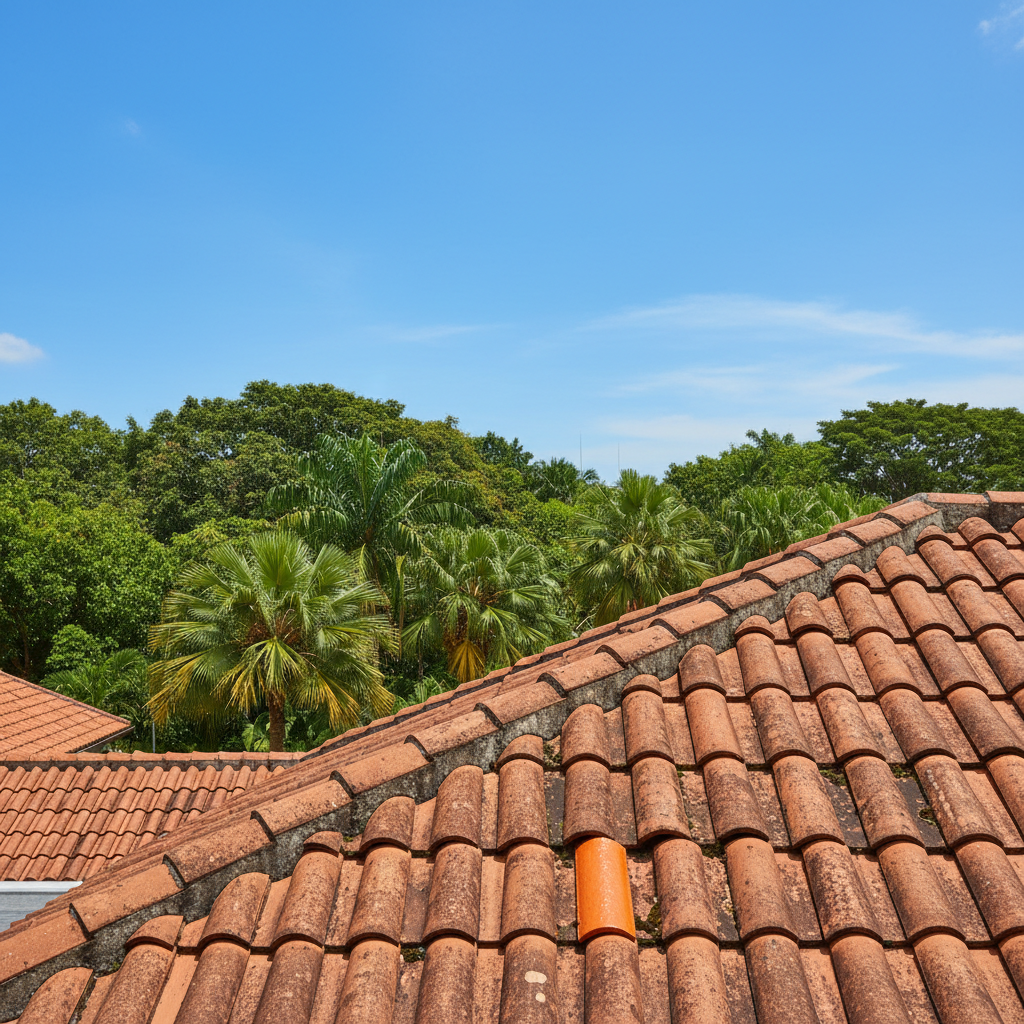
A thorough roof inspection checklist Singapore is essential for homeowners to maintain the integrity and longevity of their property. Regularly checking your roof allows you to catch minor issues before they escalate into costly repairs, protecting your home from Singapore's challenging weather conditions. This guide will walk you through the necessary steps to perform an effective roof assessment, ensuring your roof remains in top condition.
Quick Answer:
Perform routine visual checks from the ground every 6-12 months.
Prioritize safety by using binoculars and avoiding climbing unless professionally trained.
Check for common issues like missing tiles, cracked sealant, and clogged gutters.
Inspect your attic for water stains or dampness, indicative of leaks.
Document any findings with photos and notes to track changes.
Understand when to engage a qualified roofing contractor for complex repairs or detailed assessments.
Table of Contents
Why Regular Roof Inspections are Crucial in Singapore
Regular roof inspections are crucial in Singapore because the tropical climate, characterized by heavy rainfall and intense sun, significantly impacts roof longevity. Proactive checks help identify potential problems such as water damage, material degradation, or structural weaknesses early, preventing minor issues from escalating into major, costly repairs. Ignoring roof maintenance can lead to leaks, mold growth, property damage, and even compromised structural integrity of the home.
Singapore experiences high humidity, frequent thunderstorms, and strong UV radiation, which accelerate the wear and tear on roofing materials. For instance, roof tiles can crack under thermal expansion and contraction, while sealants can degrade due to constant exposure to moisture and sunlight. According to a 2023 climate report, average annual rainfall in Singapore often exceeds 2,000 mm, emphasizing the need for a robust and leak-free roof. By following a comprehensive roof inspection checklist, homeowners can extend their roof's lifespan and protect their investment.
When and How Often Should You Inspect Your Roof?
You should inspect your roof at least twice a year, typically in spring and autumn, and always immediately after any severe weather event like a heavy thunderstorm or prolonged unseasonal rainfall. This schedule allows for a thorough assessment before and after periods of potential stress on the roof structure.
Semi-Annual Checks: A DIY roof check should be performed every six months. This typically involves a visual inspection from the ground.
Post-Storm Inspections: After heavy rain, strong winds, or any uncommon weather, a quick visual check is essential to identify immediate damage from debris or water pooling.
Property Purchase Inspections: Before buying a new property, always conduct a detailed roof inspection or hire a professional to assess its condition.
Before and After Renovation: If significant renovation work is being done on or near the roof, inspect it before work begins and after completion to ensure no damage occurred.
Key Insight: While twice-yearly inspections are a good baseline, the specific age and material of your roof, as well as the immediate weather patterns in your area of Singapore, might warrant more frequent checks. Older roofs, for example, tend to require more vigilant monitoring.
Safety First: Essential Precautions for Roof Inspections
Safety is paramount when conducting any home roof assessment, especially if it involves working at height. For homeowners, a ground-level inspection using binoculars is often the safest and most recommended approach. Avoid climbing onto the roof yourself unless you are specifically trained, have the correct safety equipment, and are comfortable working at height.
Here are key safety precautions:
Stay Grounded: The safest method for homeowners is to inspect the roof from the ground using binoculars. This minimizes risk while still allowing for a comprehensive visual check.
Ladder Safety: If using a ladder is unavoidable for accessing lower roof sections or gutters, ensure it is stable, placed on firm, level ground, and extends at least 1 meter (3 feet) above the edge of the roof or working surface. Have someone hold the ladder for added stability.
Appropriate Footwear: If you must access the roof directly (which is generally advised against for non-professionals), wear soft-soled, slip-resistant shoes for better grip.
Weather Conditions: Never attempt a roof inspection during wet, windy, or icy conditions. Moisture makes surfaces slippery and wind can cause loss of balance.
Professional Help: For detailed inspections that require walking on the roof, always hire a professional roofing contractor. They have the necessary safety equipment, training, and experience to safely navigate roof surfaces.
Clear the Area: Ensure the area around your home is clear of obstacles before starting any inspection, especially if you or a professional will be using ladders.

Exterior Roof Inspection Checklist from Ground Level
An exterior roof inspection from ground level is a crucial step in any roof inspection checklist Singapore, allowing you to identify many potential issues without the inherent risks of climbing onto the roof. Use binoculars for a closer look at areas that are hard to see.
Here's what to look for:
Missing or Damaged Shingles/Tiles:
Are any roof tiles cracked, warped, curled, blistered, loose, or missing?
For shingle roofs, examine for granules collecting in gutters, indicating asphalt shingle wear.
Fascia and Soffits:
Check for signs of rotting wood, peeling paint, or holes in the fascia (the board along the roofline) and soffits (the underside of the eaves). These can indicate moisture issues.
Gutters and Downspouts:
Are gutters clogged with leaves, twigs, or debris? Clogs can cause water to back up and overflow, leading to water damage to eaves and siding.
Are gutters properly attached and free of leaks?
Do downspouts direct water effectively away from the foundation?
Chimney (if applicable), Vents, and Other Protrusions:
Check metal flashing around chimneys, skylights, and vent pipes for cracks, lifting, or deterioration. This flashing is critical for preventing leaks.
Are vent caps securely attached, and are their screens free of nests or blockages?
Roof Sagging:
Scan the roofline for any noticeable dips or sags, which could indicate structural problems. Use a straight edge or the horizon to help identify subtle changes.
Moss, Algae, or Fungi Growth:
While some growth is normal in Singapore's humid climate, excessive moss or algae can trap moisture, accelerate deterioration, and lift shingles.
Debris:
Remove any accumulated leaves, branches, or other debris, especially in valleys or near chimneys, as these can trap moisture.
Attic or Interior Inspection Checklist for Signs of Leaks
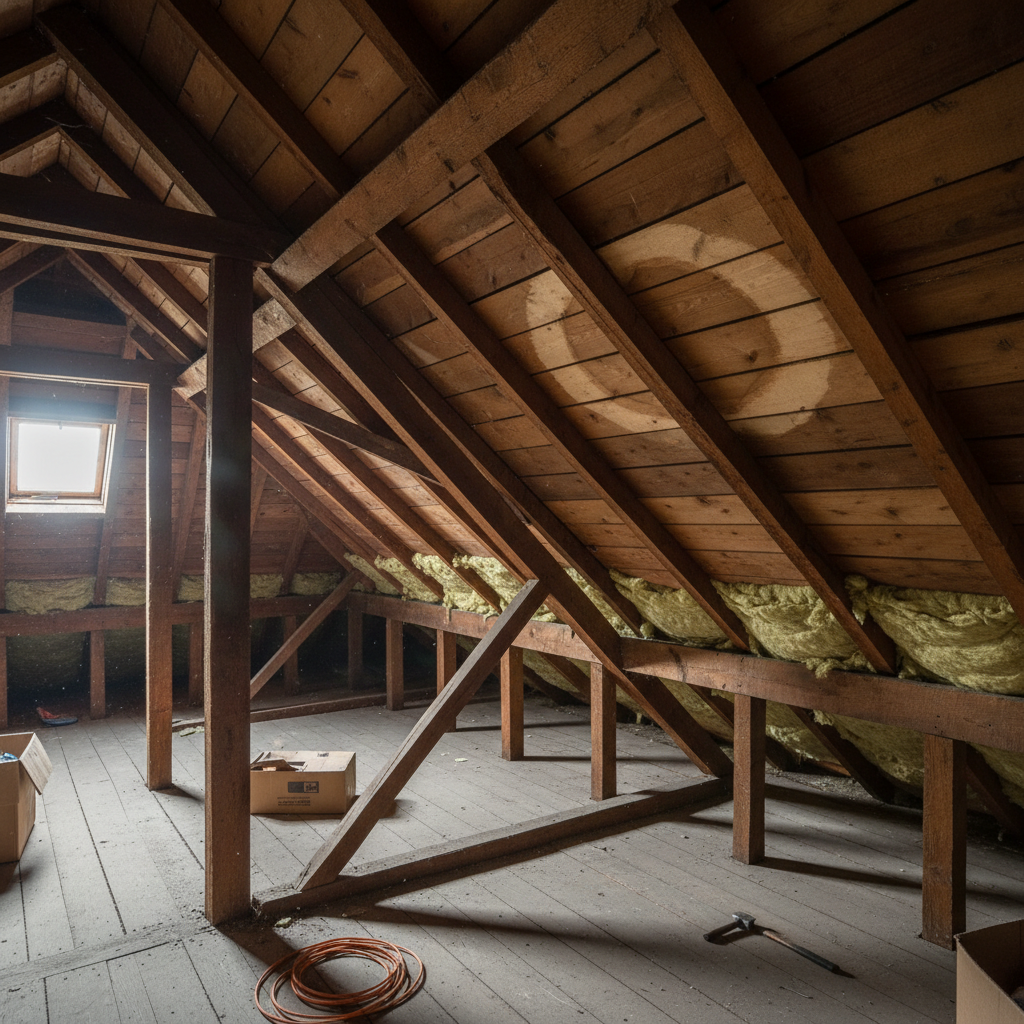
An attic or interior inspection is a critical component of any preventative roof care plan, as it allows you to spot subtle signs of leaks or water damage that may not be visible from the outside. This check should be performed regularly, particularly after heavy rain.
Here’s what to look for in your attic, crawl space, or ceiling:
Water Stains or Discoloration:
Look for any discolored patches on the ceiling, walls, or insulation. These typically appear as yellow, brown, or dark rings and are definitive indicators of moisture ingress.
Dampness or Moisture:
Feel for dampness on wooden beams, insulation, or the underside of the roof decking. Even a slight dampness can signal a persistent leak.
Mold or Mildew Growth:
Mold often appears as fuzzy, discolored patches (black, green, or white) and usually accompanies persistent dampness. Besides damaging wood, mold can also pose health risks.
Pest Infestations:
Excess moisture can attract pests like rodents and insects, which can further damage your roofing structure. Look for droppings, nests, or chewed wood.
Exterior Light:
On a sunny day, look for external light shining through the roof structure. This indicates holes or gaps that water could penetrate.
Unpleasant Odors:
A musty or earthy smell often indicates the presence of mold or mildew, even if visible signs are not immediately apparent.
Sagging Ceilings or Walls:
In extreme cases, persistent leaks can weaken plaster or drywall, causing ceilings or walls to sag.
Common Roof Issues to Look For in Singapore's Climate
Singapore's unique tropical climate creates specific challenges for roofing materials, making certain types of damage more prevalent. Being aware of these issues helps refine your scheduled roof inspection and identify problems effectively.
Moss and Algae Growth: The high humidity and frequent rainfall provide an ideal breeding ground for moss, algae, and lichens. While often harmless, excessive growth can trap moisture, leading to premature deterioration of shingles and tiles, and in severe cases, cause them to lift away.
Thermal Shock Damage: The intense tropical sun followed by heavy downpours causes rapid expansion and contraction of roofing materials. This thermal shock can lead to cracking of tiles, especially terracotta or concrete, and accelerates the degradation of sealants and flashing.
Flashing Deterioration: Metal flashing around chimneys, vents, and skylights is crucial for preventing leaks. Singapore's harsh UV rays and constant moisture can cause the sealant to crack or the metal to corrode, creating direct entry points for water.
Clogged Gutters and Downspouts: Heavy rainfall often brings large amounts of leaves and debris, quickly clogging gutters. Clogged gutters prevent water from draining properly, leading to water accumulation on the roof edges and potential overflows that can damage fascia boards, soffits, and even the house foundation.
Wind Damage from Storms: While not as frequent as in typhoon-prone regions, strong winds during thunderstorms can lift or dislodge roof tiles and shingles, creating immediate vulnerabilities for water ingress.
Water Ponding: Flat or low-slope roofs are susceptible to water ponding after rain. If water remains on the roof for more than 48 hours, it can accelerate material breakdown, lead to leaks, and put undue stress on the roof structure.
Key Insight: Many roofing materials designed for temperate climates may not perform optimally in Singapore. Understanding how the local climate affects typical roofing materials (e.g., clay tiles, metal sheets, concrete tiles) is key to a targeted inspection.
Identifying Different Types of Roof Damage
Understanding the specific types of roof damage you might encounter is key to accurate assessment and timely repair. Each type of damage has distinct characteristics that can be identified during your roof maintenance guide checks.
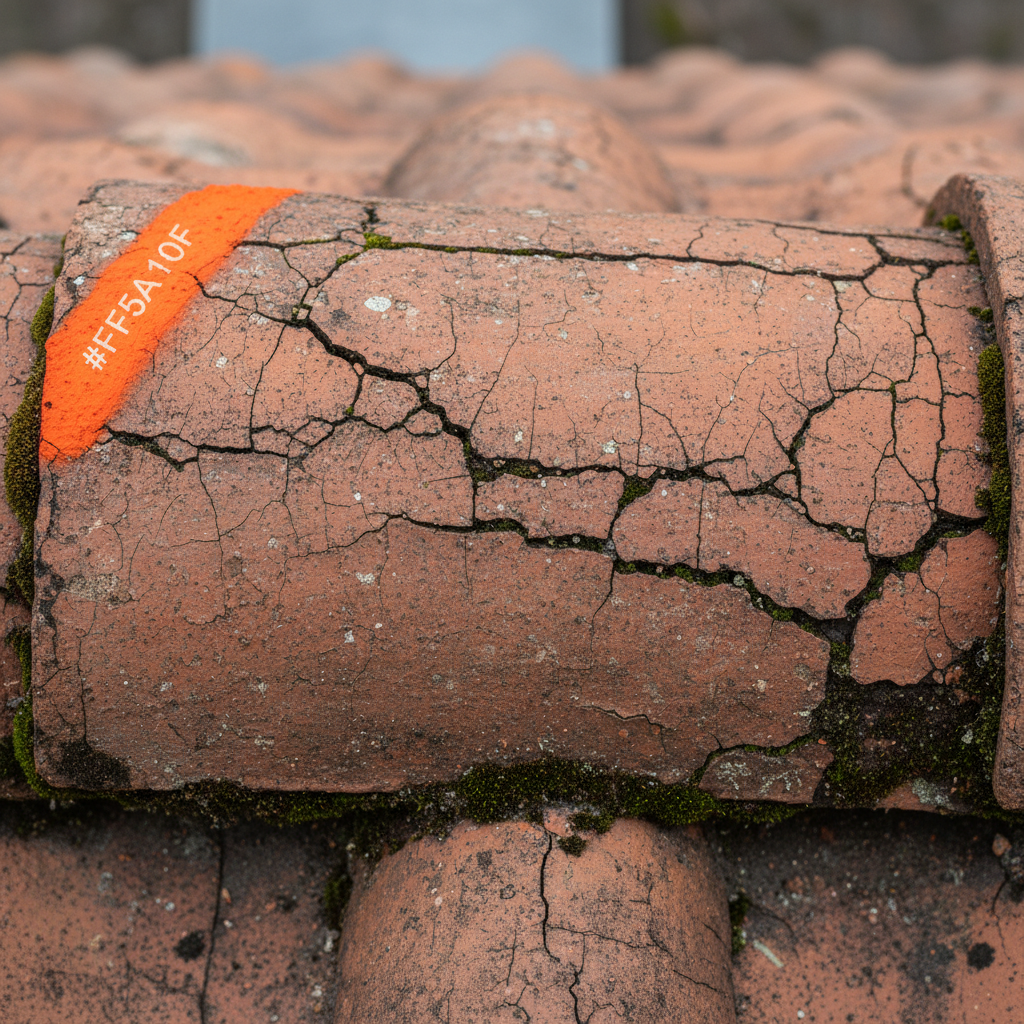
Cracked Tiles/Shingles: These appear as visible lines or breaks, often running across the surface of the tile or shingle. Cracks can be caused by impact (falling debris), thermal shock, or age-related brittleness. Left unattended, they are direct pathways for water.
Missing Tiles/Shingles: Portions of the roofing material are simply absent, leaving the underlayment exposed. This often occurs due to strong winds, improper installation, or material degradation. Missing elements are obvious leak points.
Curling or Cupping Shingles: The edges of asphalt shingles begin to turn upwards (curling) or the center rises while the edges remain flat (cupping). This is a sign of UV damage and aging, indicating the roofing material is losing its protective oils and elasticity.
Granule Loss (Asphalt Shingles): Small, sand-like gritty particles accumulate in gutters or on the ground at the downspout exit. These are the protective mineral granules that shield the asphalt from UV rays. Significant granule loss indicates the shingle is nearing the end of its life.
Blistering: Small, raised bubbles or pimples on the surface of asphalt shingles. This is usually due to moisture trapped within the shingle during manufacturing or exposure to excessive heat. Blisters can eventually pop, exposing the asphalt and accelerating wear.
Rusted Metal Flashing: Discoloration, pitting, or holes in metal flashing around roof penetrations (vents, chimneys, skylights). Rust compromises the seal and allows water to seep underneath.
Rotting or Soft Spots: Found in fascia boards, soffits, or exposed wooden elements. This indicates prolonged exposure to moisture, often from clogged gutters or compromised flashing, leading to wood decay. You might notice discolored or spongy wood.
Sagging Areas: Noticeable dips or depressions in the roofline, which can be caused by water-logged insulation, structural damage to rafters or decking, or excessive pooling of water. Sagging requires immediate professional attention.
Documentation: Recording Your Findings
Documenting your findings when performing a roof inspection checklist Singapore is crucial for tracking the condition of your roof over time and providing clear evidence if professional repair is needed. Effective documentation creates a historical record of your roof's health.
Here’s how to effectively record your findings:
Use a Checklist: A pre-made checklist ensures consistency and helps you remember all areas to inspect. Mark what you've checked and note down observations.
Take Photographs: Take clear, well-lit photos of any identified damage, especially cracks, missing tiles, water stains, mold growth, or clogged gutters. Date and label each photo, indicating the specific location on the roof (e.g., "North side, near chimney").
Keep a Logbook: Maintain a physical or digital logbook for your roof. Record:
Date of inspection.
Weather conditions during inspection (e.g., "sunny," "after heavy rain").
Specific findings (e.g., "cracked tile, south-east slope," "small water stain in attic above master bedroom").
Any actions taken (e.g., "cleaned gutters," "removed leaves").
Planned next steps (e.g., "monitor stain," "call contractor for flashing repair").
Sketch the Roof: A simple sketch of your roof with approximate locations of issues can be very helpful, especially when discussing repairs with a contractor.
Note Severity: Classify findings by severity (e.g., "minor, monitor," "moderate, needs attention soon," "severe, urgent repair").
Track Repairs and Costs: Document any repairs made, by whom, when, and the cost. This provides a complete history for insurance purposes or future property sales.
Thorough documentation not only serves as a memory aid but also allows you to track the progression of minor issues and helps to justify the need for professional intervention.
When to Call a Professional Roofing Contractor
While a DIY roof check is excellent for preventative roof care, there are specific situations where you should always call a professional roofing contractor in Singapore. Attempting complex repairs or detailed assessments yourself can be dangerous and may lead to further damage.
You should contact a professional when:
You Discover Extensive Damage: If you find multiple missing tiles, large cracks, significant sagging, widespread water stains in the attic, or any structural concerns, professional intervention is necessary.
Safety is a Concern: If an inspection requires climbing onto the roof, or if you feel uncomfortable or unsafe performing any part of the assessment, it's time to call an expert. Professional contractors have the training, insurance, and safety equipment for high-level work.
You Suspect a Leak but Can't Locate It: Sometimes, signs of water damage appear inside, but the entry point on the roof isn't obvious. Professionals have specialized tools and experience to pinpoint elusive leaks.
Repairs Require Specialized Skills or Tools: Tasks like replacing entire sections of flashing, resealing around skylights, or performing structural repairs are beyond the scope of most homeowners.
You Notice Granule Loss or Material Deterioration: Significant granule loss from asphalt shingles or widespread fading, curling, or brittleness of tiles indicates that the roof is nearing the end of its lifespan. A professional can assess its remaining life and advise on replacement.
For Routine Professional Inspections: Even with regular DIY checks, it's advisable to have a professional scheduled roof inspection every 3-5 years, especially as your roof ages. They can spot subtle issues and provide a comprehensive report.
After Severe Storms: Following a particularly harsh storm with strong winds, torrential rain, or hail (rare in S.E. Asia but potential for impact damage), a professional inspection ensures no hidden damage was caused.
Warranty Concerns: Many roofing warranties require professional inspections or installations to remain valid.
Reputable contractors, like Amber Services Pte Ltd, offer comprehensive inspection services that include detailed reports and recommendations, giving you peace of mind that your roof is in expert hands. They ensure repairs are performed correctly, adhering to local building codes and standards.
Frequently Asked Questions
How often should a homeowner in Singapore inspect their roof?
Homeowners in Singapore should visually inspect their roof at least twice a year (e.g., spring and autumn) and always after any significant storm or heavy rainfall. A professional inspection is recommended every 3-5 years, or if any major issues are suspected.
What are the most common signs of roof damage in Singapore?
Common signs of roof damage in Singapore include moss or algae growth, cracked or missing tiles/shingles, lifted or deteriorating flashing around vents and chimneys, clogged gutters, and water stains or dampness in the attic or on interior ceilings.
Can I repair my roof myself, or should I always call a professional?
For minor tasks like clearing gutters or removing small amounts of debris, DIY is possible with proper safety precautions. However, for any repairs involving climbing onto the roof, replacing materials, or if you suspect extensive damage or leaks, always call a professional roofing contractor for safety and effective repair.
What should I look for during a ground-level roof inspection?
During a ground-level inspection, look for out-of-place or broken tiles/shingles, sagging rooflines, overflowing or damaged gutters, signs of damage to fascia and soffits, and any visible issues around chimneys, vents, or skylights using binoculars for a closer view.
Why is attic inspection important for roof maintenance in Singapore?
An attic inspection is crucial because it often reveals the first internal signs of a roof leak, such as water stains, damp insulation, mold growth, or a musty odor. These indoor indicators can help pinpoint problems that might not be visible from the exterior of the roof.
Conclusion
Conducting a thorough roof inspection checklist Singapore is a proactive and vital step for any homeowner to safeguard their property against the challenging local climate. Regular DIY roof checks, combined with understanding common issues like thermal shock damage and clogged gutters, empower you to identify and address minor problems before they escalate. By meticulously documenting your findings and recognizing when to engage a qualified professional roofing contractor, you can ensure your roof remains durable, leak-free, and extends its lifespan, protecting your home and investment for years to come.


Comments