

Roof Repair vs. Replacement: When to Choose Which in Singapore
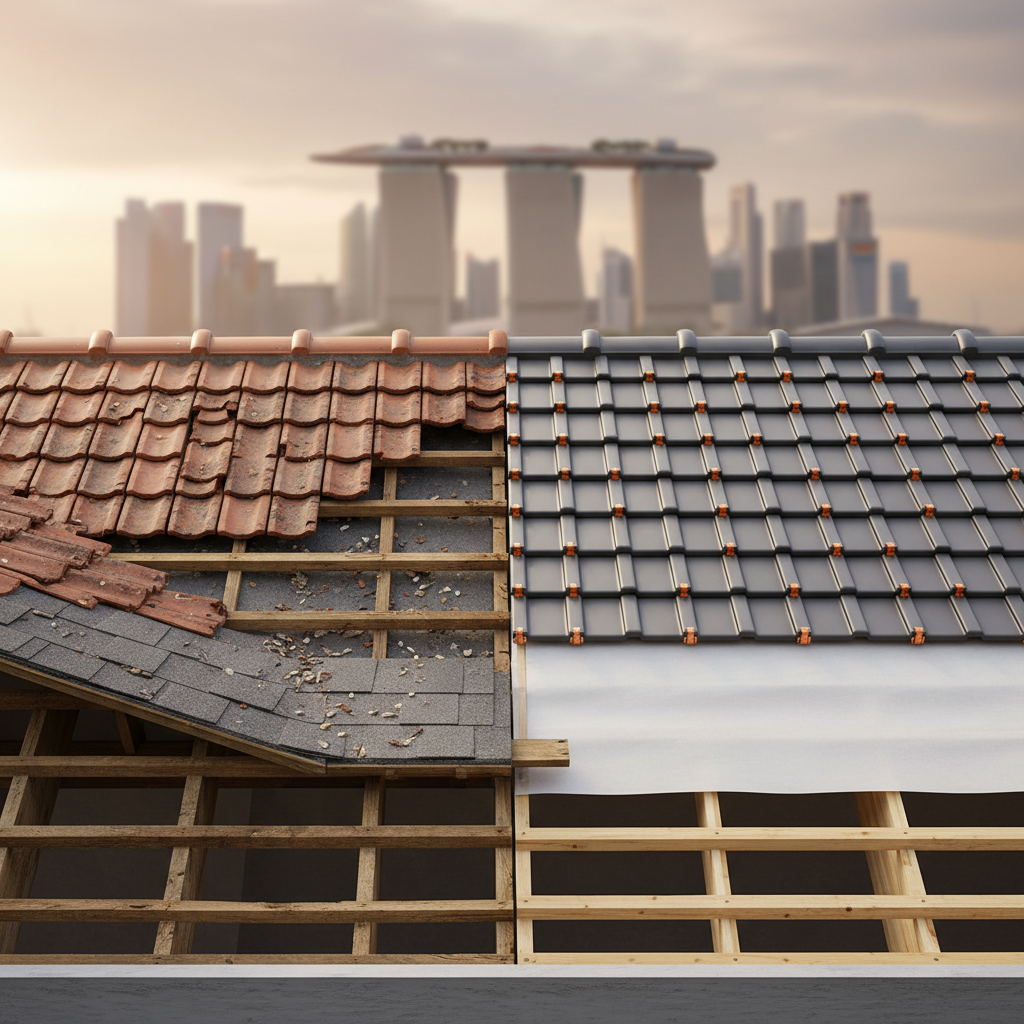
Deciding between roof repair vs replacement in Singapore requires careful consideration to ensure your property remains protected and your investment is sound. This choice often comes down to the extent of damage, the roof's age, and your budget, with each option offering distinct advantages depending on your specific situation.
Quick Answer:
Roof repair is suitable for isolated damage, minor leaks, or newer roofs.
Roof replacement is necessary for widespread damage, structural issues, or roofs past their useful lifespan.
Consider cost, roof age, extent of damage, and Singapore's climate.
Professional assessment is crucial for an informed decision.
Long-term value often supersedes short-term savings.
Table of Contents
Understanding the Difference: Repair vs. Replacement
Roof repair involves addressing specific, localized issues on an existing roof, such as fixing a leak, replacing a few missing tiles, or sealing small cracks. This approach aims to extend the current roof's life by rectifying individual problems without overhauling the entire system. Roof replacement, on the other hand, entails removing the old roofing materials down to the deck and installing an entirely new roofing system. This is a comprehensive solution designed to provide a completely new, long-lasting protective layer for the property. The decision between the two significantly impacts both immediate costs and long-term durability.
Key Indicators You Need Roof Repair
Several indicators suggest that your roof might only require a roof repair rather than a full replacement. These signs are typically localized and do not point to widespread structural failure or material degradation.
Isolated Leaks: A single, discoverable leak, especially if it appears after heavy rain, often points to a specific point of failure like a cracked tile, loose flashing, or a seal that has deteriorated. Promptly addressing these can prevent further damage.
Missing or Cracked Tiles/Shingles: If only a few tiles or shingles are missing, broken, or dislodged due to strong winds or impact (common in Singapore's occasional squalls), individual replacements are usually sufficient. This is a common issue for roofs approaching 10-15 years of age on specific patches.
Minor Flashing Damage: Flashing — the metal strips around chimneys, vents, and wall junctions — can corrode or become detached. When damage is limited to these areas, re-securing or replacing the affected flashing pieces can restore waterproofing.
Sagging Gutters or Downspouts: While not directly roof damage, issues with gutters can lead to poor drainage and subsequent roof edge damage. Repairing or replacing faulty gutters can prevent future roofing problems without needing a roof overhaul.
Small Areas of Moss or Algae Growth: While extensive growth can indicate underlying moisture issues, small patches of moss or algae on a relatively young roof can often be cleaned and treated, assuming there are no other signs of decay.
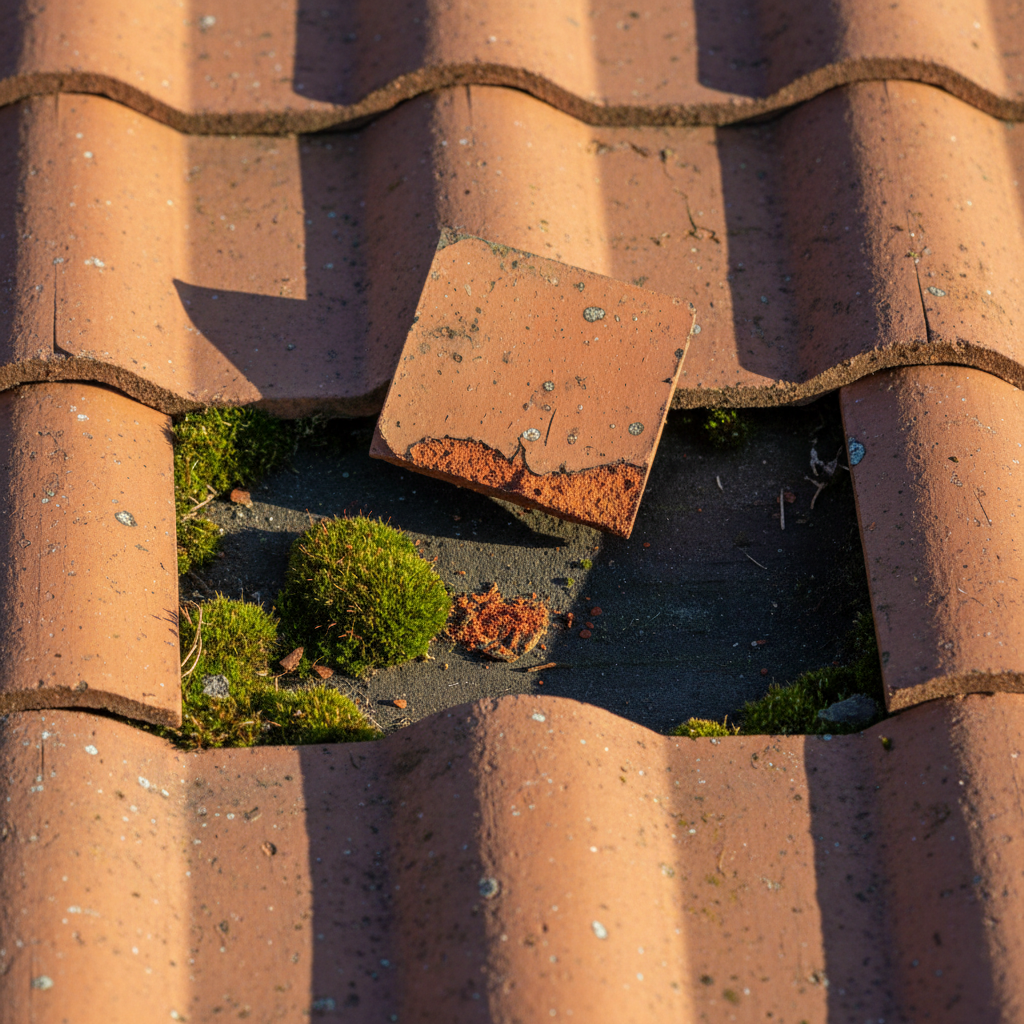
Key Insight: For newer roofs (under 10-15 years old) or roofs with minor, isolated issues, repair is almost always the more economical and practical first step. Neglecting small repairs can lead to larger, more expensive problems down the line, especially in Singapore's humid climate.
Key Indicators You Need Roof Replacement
When the signs of wear and tear are extensive or affect the integrity of the entire roofing system, a full roof replacement becomes the more prudent and necessary option. Recognizing these roof signs for replacement in Singapore is crucial for preventing significant property damage and ensuring safety.
Widespread Missing or Damaged Materials: If a significant percentage of your tiles, shingles, or roof sheets are missing, curled, cracked, or corroded across large sections of the roof, it indicates uniform degradation. This often happens on roofs over 20-25 years old.
Sagging Roof Deck: A visibly sagging roof deck or rafters indicate structural issues, often caused by prolonged water damage or excessive weight. This is a critical safety concern that necessitates immediate replacement and structural assessment.
Water Stains or Leaks in Multiple Locations: If you find water stains on your ceiling or experience leaks in various parts of your home, it suggests that the waterproofing has failed extensively, making a spot repair ineffective.
Granule Loss (for Shingle Roofs): For asphalt shingle roofs, significant loss of granules (the tiny ceramic chips that protect the shingle from UV rays) means the shingles are losing their protective properties and are nearing the end of their lifespan. You might find granules in your gutters.
High Energy Bills: An old or damaged roof can lead to poor insulation, causing your air-conditioning to work harder, especially in Singapore's tropical heat. A sudden increase in energy bills without other apparent causes can be a sign your roof's thermal performance is compromised.
Age of the Roof: Most roofs have a finite lifespan. For instance, metal roofs might last 25-50 years, while tile roofs can last 50-100 years. If your roof is approaching or has exceeded its expected lifespan, even without obvious severe damage, a replacement is often a proactive measure to avoid future problems. For Singapore's climate, moisture and heat can accelerate degradation.
Factors to Consider When Deciding
Making the correct choice between repairing and replacing your roof involves weighing several critical factors. Each element plays a role in the decision-making process, influencing both the immediate and long-term outcomes.
Extent and Nature of Damage: Is the damage localized or widespread? Is it superficial or does it impact the underlying structure? Minor, isolated issues lean towards repair, while extensive damage suggests replacement.
Age of the Roof: The roof's age is a major determinant. A very old roof, even with minor damage, might be better replaced due to its overall diminished integrity. A newer roof with specific damage is a strong candidate for repair.
Budget and Financial Implications: Cost of roof repair in Singapore is typically lower than replacement in the short term. However, consider the frequency of repairs needed. Multiple small repairs over a short period can amount to the cost of a replacement.
Future Plans for the Property: If you plan to sell the property soon, a full replacement can significantly increase its curb appeal and resale value. If you intend to stay for decades, a replacement offers peace of mind and long-term protection.
Local Building Codes and Regulations: Ensure any work complies with local building codes, especially if you reside in an HDB flat or a conservation shophouse where specific materials or design considerations might apply. Permitting for significant structural changes, like a full replacement, will be more involved.
Assessing the Age and Condition of Your Roof
Accurately assessing the age and condition of your roof is paramount to making an informed decision about repair vs. replacement. This involves both knowing the roof's history and conducting a thorough visual inspection.
To extend roof lifespan in Singapore, regular maintenance and timely assessment are key.
Determine Roof Age: If you are the original owner, check your property records or previous renovation contracts. For older properties, previous owners or even property agents might have information. Roofing materials have specific lifespans, so knowing the age provides a baseline expectation.
Visual Inspection (Safe & Ground Level): From the ground, look for obvious signs of damage:
Missing or curled shingles/tiles: Are they uniform or scattered?
Dark streaks or moss patches: Indicates moisture retention and potential degradation.
Sagging: Is any part of the roofline dipping or uneven?
Damaged flashing: Are the seals around chimneys, vents, and skylights intact?
Check Gutters: Look for an accumulation of shingle granules, which signals wear. Ensure gutters are clear and properly directing water away.
Interior Inspection: Inside the property, check for:
Water stains or drips on ceilings and walls: Especially after rain.
Peeling paint or damp spots: Can indicate hidden leaks.
Musty odors: Sign of mold or mildew from moisture, particularly in attics or upper floor ceilings.
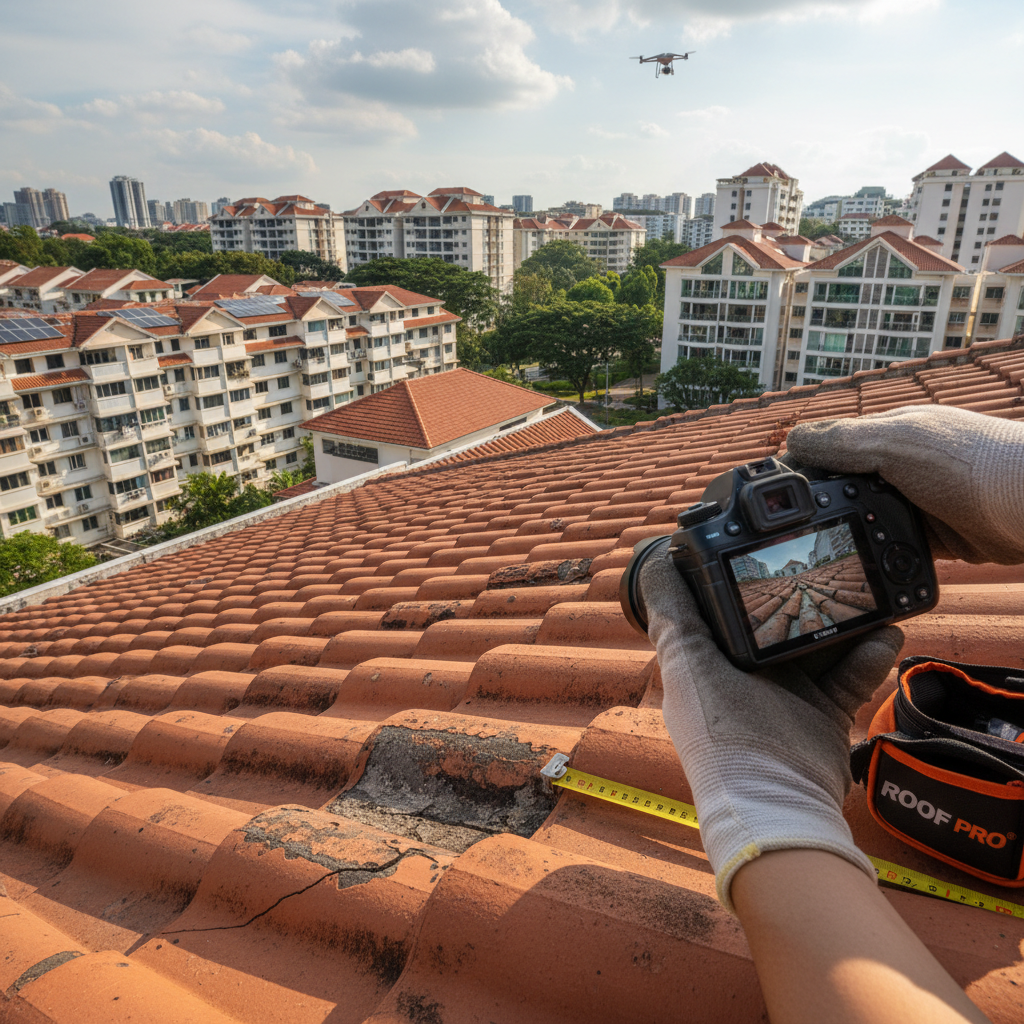
Cost-Benefit Analysis: Short-Term Savings vs. Long-Term Investment
When considering your residential roofing decisions, a comprehensive cost-benefit analysis is essential. While cost of roof repair in Singapore is often lower upfront, a replacement can offer greater long-term value.
Key Insight: If your roof is old or frequently requires repairs (more than two significant repairs in a 5-year span), the cumulative cost of ongoing repairs can quickly approach or even exceed the cost of a new roof. A replacement, though a larger initial investment, provides predictable costs and long-term peace of mind, enhancing property value and energy efficiency.
The Impact of Singapore's Climate on Your Decision
Singapore's tropical climate, characterized by high temperatures, intense humidity, and frequent heavy rainfall, profoundly impacts roofing materials and the decision-making process. Understanding these effects is vital for when to replace roof Singapore.
Constant Humidity: High humidity accelerates the growth of moss, algae, and fungi on roofs, which can trap moisture and degrade materials over time. It also promotes the corrosion of metal components like flashing and fasteners.
Intense UV Radiation: Direct, strong sunlight can cause roofing materials like asphalt shingles to break down prematurely, leading to granule loss, cracking, and brittleness. Metal roofs can expand and contract significantly, stressing fasteners and seams.
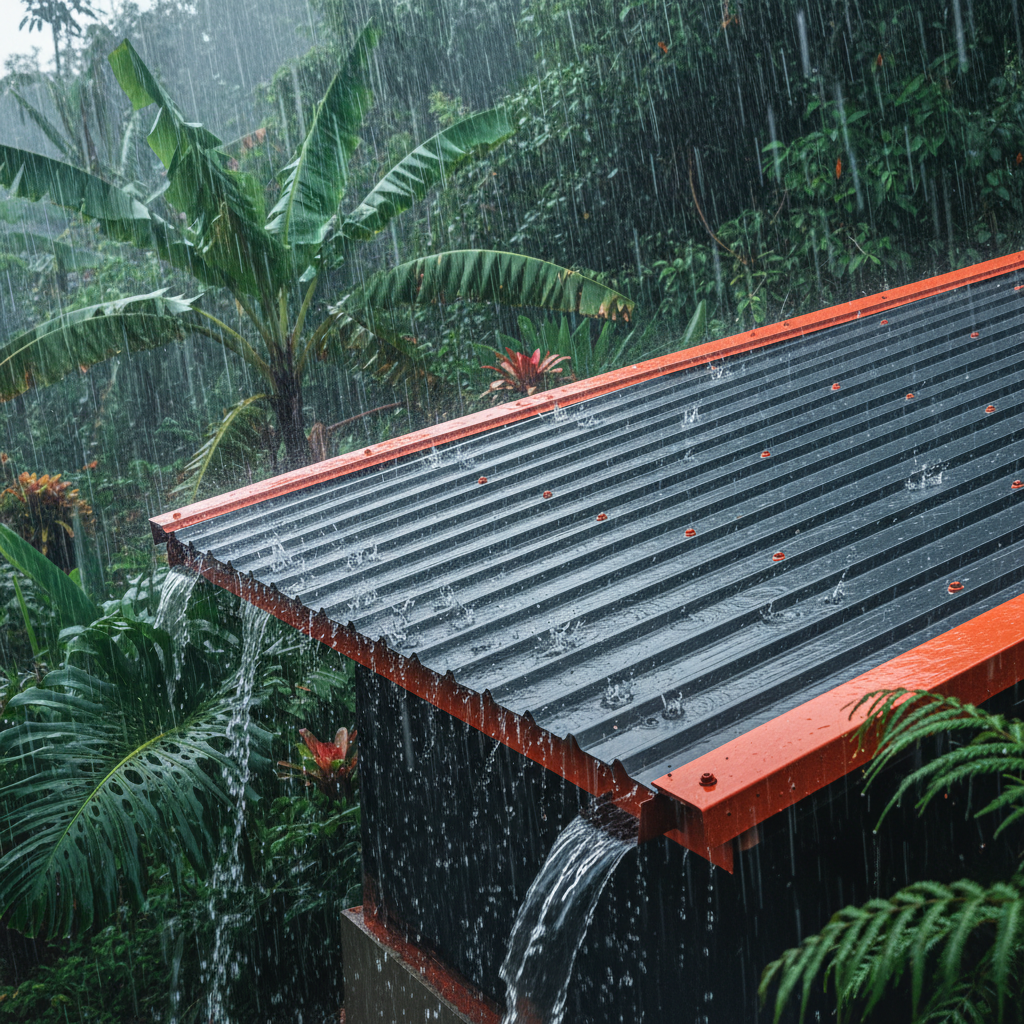
Heavy Rainfall: Persistent heavy rain tests the waterproofing integrity of roofs. Small cracks or compromised seals quickly turn into leaks. Poor drainage caused by clogged gutters can lead to standing water, accelerating material degradation.
Strong Winds and Squalls: Occasional strong winds (like sumatras) can lift or dislodge tiles, shingles, or roof sheets, leading to immediate damage and creating pathways for water intrusion.
Given these conditions, even minor roof damage can escalate rapidly if not addressed. Materials exposed to these elements age faster than in milder climates. This often means that roofs in Singapore might reach the end of their functional lifespan sooner than predicted by general material guidelines, making a timely replacement a more pressing concern.
When to Consult a Professional Roofing Contractor
Consulting a professional roofing contractor is crucial for an accurate assessment and expert advice, regardless of whether you suspect a repair or replacement is needed. Their expertise is invaluable for roofing solutions Singapore properties need.
Early Signs of Damage: If you notice any of the indicators mentioned earlier (leaks, missing tiles, etc.), contact a professional immediately. Early intervention can often save you money.
Uncertainty About Damage Extent: You might see a leak but be unsure of its origin or the overall health of your roof. A contractor can perform a detailed inspection (often involving getting onto the roof safely) to provide a clear diagnosis.
Before Buying or Selling Property: A roof inspection is highly recommended to understand the property's condition and potential future expenses.
Roof Reaches Expected Lifespan: If your roof is nearing its estimated end-of-life (e.g., 20+ years for many common materials), a professional assessment can determine if proactive replacement is advisable.
After a Major Storm: Even if no obvious damage is visible, a post-storm inspection can catch hidden issues caused by wind or heavy rain, which might not manifest as a leak for months.
A reputable contractor will provide detailed reports, transparent quotes, and discuss the pros and cons of both repair and replacement tailored to your specific situation and budget. They can also advise on appropriate materials suitable for Singapore's climate.
Making the Right Choice for Your Property
Making the right choice between roof repair and replacement is a significant decision that impacts your property's safety, value, and your peace of mind. By systematically evaluating the factors discussed, you can arrive at the most cost-effective and durable solution.
Assess the Damage: Clearly understand whether the issues are isolated or widespread. For instance, a single leak in a five-year-old roof is a clear candidate for repair. Extensive granule loss and multiple leaks on a 25-year-old roof point directly to replacement.
Consider the Age: An older roof (past 75% of its expected lifespan) often benefits more from replacement, as repairs become less effective and less frequent over time. A younger roof is usually best repaired.
Evaluate Your Budget: While a repair is cheaper initially, factor in the potential for future repairs. If frequent repairs are likely, the cumulative expense might justify the upfront cost of a replacement. The average cost of roof repair in Singapore can vary widely, from a few hundred dollars for minor fixes to several thousand for more complex repairs, while a full replacement can start from S$10,000 for smaller properties.
Think Long-Term: A new roof provides decades of protection, enhanced energy efficiency, and a significant boost to property value. If you plan to stay in the property for a long time, the investment in a replacement will pay off.
Seek Professional Opinion: Always get at least two quotes and detailed assessments from experienced, reputable local roofing contractors. They can identify issues you might miss and provide expert recommendations tailored to Singapore's unique conditions. Don't hesitate to ask about their experience with similar residential roofing decisions.
By taking a structured approach, you ensure your decision is well-informed and provides the best outcome for your property.
Frequently Asked Questions
How long does a typical roof repair take compared to a replacement in Singapore?
A typical roof repair in Singapore can take anywhere from a few hours to a few days, depending on the complexity and extent of the damage. A full roof replacement, however, usually takes several days to two weeks, and sometimes longer for very large or complex roofs, due to the complete removal of old materials and installation of new ones, including potential structural work.
What are common signs of roof damage in HDB flats in Singapore?
Common signs of roof damage in HDB flats include water stains on the ceiling or walls of the top-floor units, peeling paint, visible cracks on concrete roof surfaces, or mold growth. Given HDB roofs are often flat or low-sloped concrete, ponding water or cracked waterproofing membranes are frequent culprits for leaks.
Can I repair my roof myself to save on the cost of roof repair in Singapore?
While minor tasks like clearing gutters might seem simple, DIY roof repairs in Singapore are generally not recommended. Working on roofs is dangerous and requires specialized knowledge, tools, and safety equipment. Improper repairs can void warranties, lead to further damage, and pose significant safety risks. Always consult a qualified professional.
How often should I have my roof inspected in Singapore's climate?
It is recommended to have your roof inspected by a professional at least once every two years in Singapore's tropical climate. This allows for early detection of issues caused by heavy rainfall, UV exposure, and humidity, helping to extend roof lifespan in Singapore and prevent costly repairs down the line. After severe weather events, an additional inspection is advisable.
What roofing materials are best suited for Singapore's climate if I choose replacement?
When choosing roofing solutions Singapore, materials like metal (e.g., aluminium, galvanised steel, or zinc), concrete tiles, and glazed terracotta tiles are popular and well-suited. They offer good durability against heavy rain, high humidity, and intense sun. Newer composite materials also provide excellent weather resistance and thermal insulation properties.
Does a new roof increase property value in Singapore?
Yes, a new roof can significantly increase property value and curb appeal in Singapore. It assures potential buyers of the property's structural integrity and reduces immediate maintenance concerns, making the property more attractive and potentially justifying a higher asking price.
Conclusion
The decision between roof repair vs replacement in Singapore is a critical one for any property owner. By carefully assessing the extent of damage, the age of your roof, your financial considerations, and the unique challenges posed by Singapore's climate, you can make an informed choice. While repairs offer a more immediate and less costly solution for localized issues, a full replacement provides long-term peace of mind, enhanced property value, and superior protection against the elements. Always seek the expertise of a professional roofing contractor to obtain an accurate diagnosis and a tailored solution that ensures your roof's longevity and your property's safety.


Comments