

Roof Waterproofing Singapore: Advanced Solutions for Leak Prevention
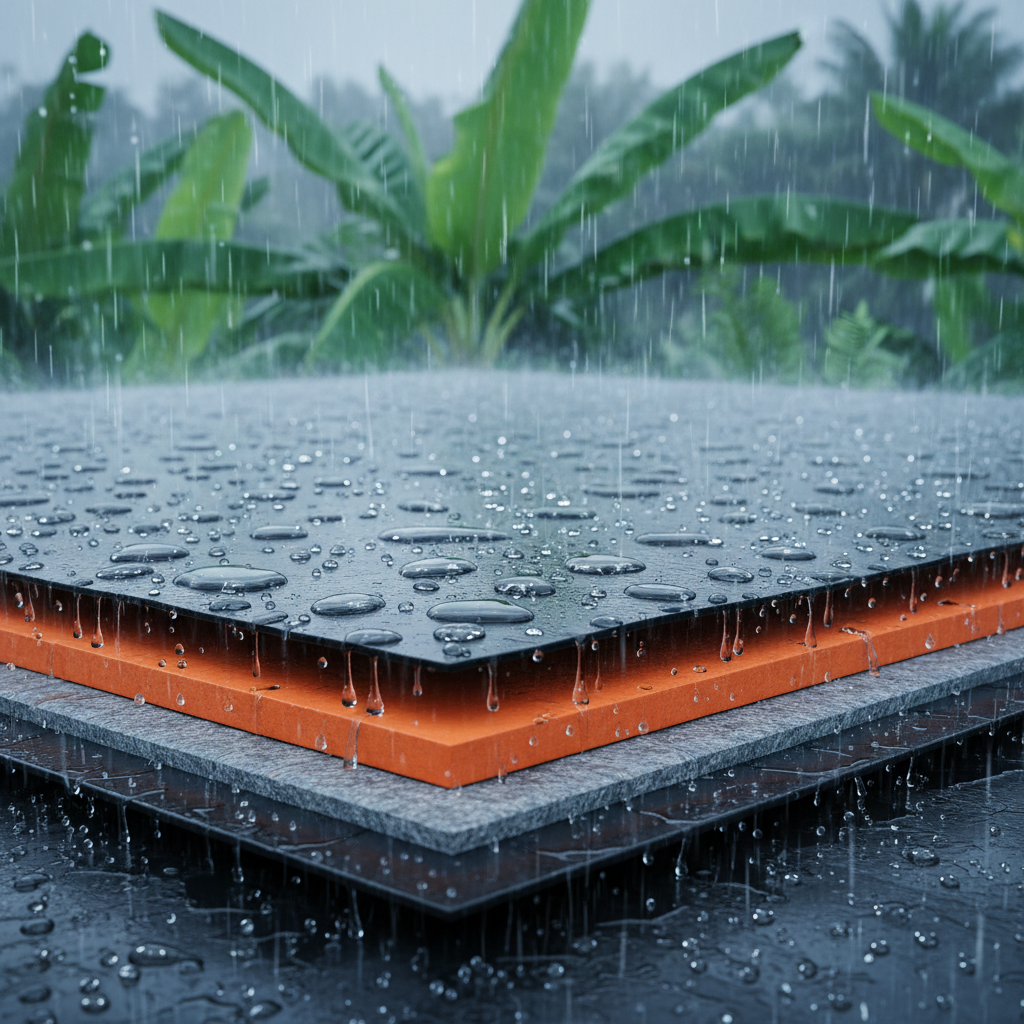
Roof waterproofing in Singapore is essential for protecting properties from the pervasive challenges of tropical weather, ensuring structural integrity and preventing costly damage. Effective waterproofing solutions combat high humidity and frequent heavy rainfall, which are common throughout the year in Singapore, making robust protection a necessity.
Quick Answer:
Roof waterproofing is crucial in Singapore to combat heavy rainfall and high humidity, preventing structural damage and mold.
Common causes of roof leaks include material degradation, poor drainage, and shoddy installation.
Advanced solutions include waterproofing membranes Singapore relies on, like torch-on and self-adhesive bitumen, as well as liquid applied waterproofing and cementitious coatings.
Selecting the right system depends on roof type, budget, and environmental exposure.
Regular maintenance, such as inspections and proper drainage, extends the lifespan of waterproofing.
Table of Contents
Why is Roof Waterproofing Crucial in Singapore?
Roof waterproofing is crucial in Singapore due to the country's tropical climate, characterized by abundant rainfall and high humidity levels throughout the year. This environment places constant stress on building structures, making effective waterproofing a critical component of property maintenance and longevity. Without adequate protection, roofs are susceptible to water ingress, which can lead to a cascade of problems including structural damage, mold growth, diminished indoor air quality, and costly internal repairs.
Singapore experiences an average annual rainfall of around 2,400 mm, with frequent heavy downpours and thunderstorms. This consistent moisture significantly increases the risk of water penetration through any compromised areas of a roof. Beyond the visible damage, unaddressed leaks can weaken the building's foundation, corrode rebar, and damage electrical systems, posing safety hazards. Investing in robust roof waterproofing Singapore solutions is therefore a proactive measure to safeguard the property's value and ensure the well-being of its occupants.
Common Causes of Roof Leaks
Roof leaks typically stem from a combination of environmental factors, material degradation, and installation deficiencies. Understanding these causes is the first step in effective water leak repair Singapore strategies.
Material Degradation: Over time, roofing materials naturally wear down due to exposure to UV radiation, thermal expansion and contraction, and continuous rainfall. Bitumen membranes can become brittle, concrete tiles can crack, and metal sheets can corrode. The lifespan of most roofing materials is finite, and exceeding this can lead to widespread failure.
Poor Installation or Workmanship: Errors during the initial installation are a significant contributor to premature roof leaks. This includes inadequate sealing of seams, improper flashing around penetrations (such as vents, pipes, and skylights), insufficient overlap of membranes, or incorrect application of liquid systems. A poorly installed roof may show signs of leaks within a few years of construction.
Clogged or Faulty Drainage Systems: Gutters, downpipes, and scuppers are designed to channel water away from the roof surface. When these become clogged with leaves, debris, or bird nests, water can pond on the roof, exerting hydrostatic pressure that can force its way through even minor imperfections in the waterproofing layer. Faulty drainage can also cause water to overflow and seep into fascias or walls.
Structural Movements: Buildings naturally expand, contract, and settle over their lifespan. These movements can cause stress on rigid roofing and waterproofing materials, leading to cracks, tears, or detachment at joints and perimeters.
Penetrations and Junctions: Areas where elements like air conditioning units, solar panels, vents, or other fixtures penetrate the roof surface are inherently vulnerable points. If the flashing and waterproofing around these penetrations are not meticulously sealed and maintained, they become common entry points for water.
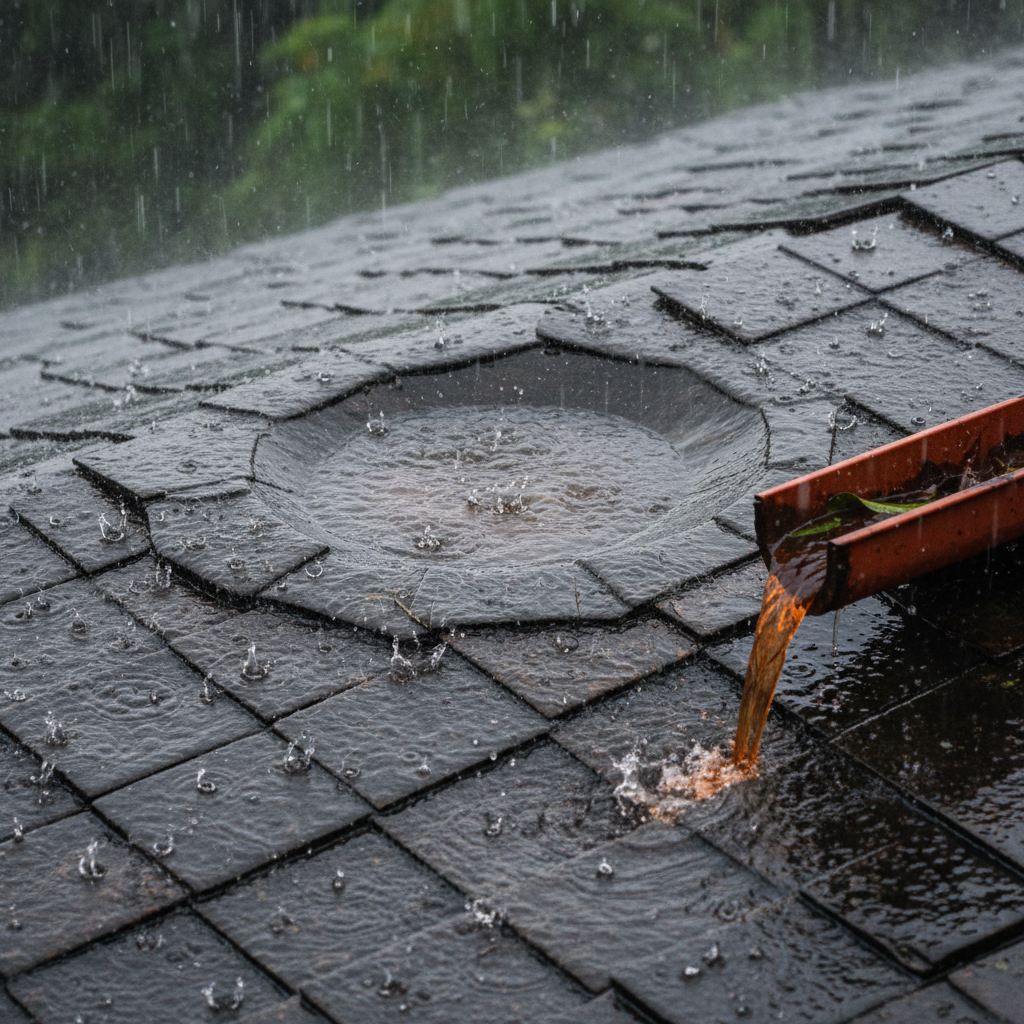
Types of Advanced Waterproofing Solutions
Advanced waterproofing solutions offer superior protection and durability compared to traditional methods. These systems are engineered to withstand Singapore's harsh tropical climate, providing long-term preventing roof leaks capabilities.
Waterproofing Membranes
Waterproofing membranes Singapore contractors often utilize are highly effective, prefabricated sheets designed to create a continuous, impervious barrier.
Torch-on Bitumen Membranes: These are modified bitumen sheets applied using a torch that heats the underside, causing it to melt and adhere to the substrate. The heat creates a strong, monolithic bond, making it highly resistant to water penetration. They are known for their robustness and longevity.
Self-Adhesive Bitumen Membranes: Similar to torch-on but without the need for a flame, these membranes come with an adhesive backing protected by a release film. They are peeled and pressed onto the substrate, offering a safer and quicker installation, especially in areas where open flames are restricted.
PVC and TPO Membranes: These synthetic membranes are single-ply systems made from plasticized polyvinyl chloride (PVC) or thermoplastic polyolefin (TPO). They are highly flexible, UV-resistant, and come in large sheets, reducing the number of seams. Seams are typically hot-air welded, creating a very strong, watertight bond.
Liquid Applied Waterproofing
Liquid applied waterproofing involves applying a seamless, monolithic coating directly onto the roof surface, which cures to form a waterproof membrane.
Polyurethane Coatings: These highly elastomeric coatings are applied in liquid form and cure to form a flexible, seamless membrane. They offer exceptional elongation properties, allowing them to bridge cracks and accommodate structural movements. Polyurethane is UV-resistant and durable, suitable for exposed roofs.
Acrylic Coatings: Water-based and environmentally friendly, acrylic coatings are less expensive and easier to apply than polyurethanes. They are highly reflective, which can help reduce roof temperatures, and are effective for less aggressive environments. However, they may have lower crack-bridging abilities than polyurethanes.
Cementitious Waterproofing: These are polymer-modified cement-based slurries applied to concrete or masonry surfaces. They form a rigid, durable, and breathable waterproof layer. While effective for positive side waterproofing and often used in conjunction with other systems, they are less flexible and sensitive to structural movement, making them more suitable for rigid substrates.
Key Insight: While various waterproofing systems exist, the highest performance is often achieved through a combination approach, where different materials are strategically layered or applied to leverage their respective strengths, especially at critical junctions and penetrations, to create a truly resilient barrier.
Choosing the Right Waterproofing System for Your Roof
Selecting the appropriate roof waterproofing Singapore solution depends on several critical factors, including the type of roof, budget considerations, environmental exposure, and desired lifespan. A professional assessment is vital to ensure the chosen system effectively meets the property's specific needs.
The Waterproofing Installation Process
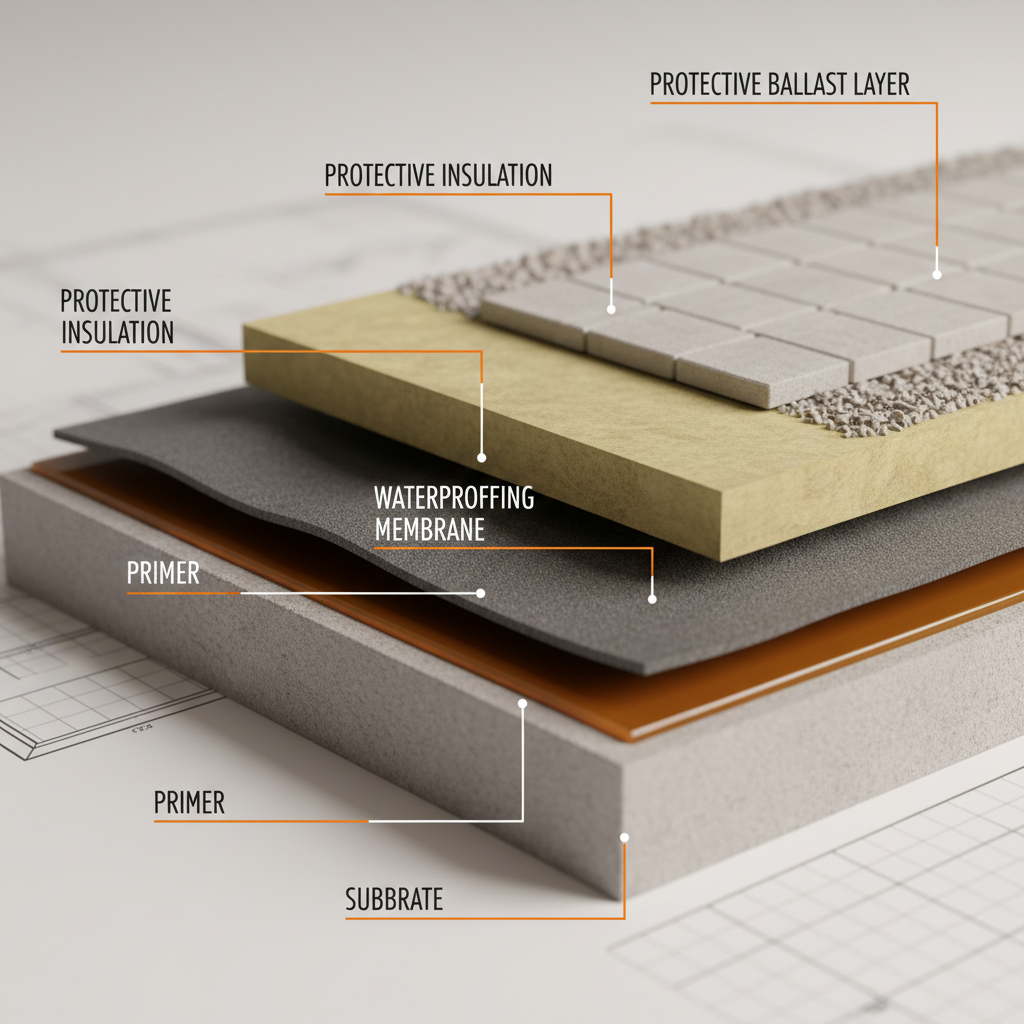
The installation process for roof waterproofing Singapore solutions is a multi-step procedure that demands precision and expertise to ensure long-term effectiveness. While specific steps vary by system, core principles remain consistent.
Inspection and Assessment: A thorough initial inspection identifies existing damage, assesses the roof's structural integrity, and determines the most suitable waterproofing method. This includes checking for ponding, cracks, existing membrane failures, and inadequate drainage.
Surface Preparation: This is arguably the most critical step. The roof surface must be meticulously cleaned, free from dirt, dust, grease, loose debris, and any previous coatings that are not fully adhered. Any cracks or defects in the substrate are repaired and smoothed. For concrete roofs, moisture content is often checked to ensure optimal adhesion.
Primer Application: A primer is typically applied to enhance adhesion between the substrate and the waterproofing material. It also helps to seal porous surfaces, preventing moisture from migrating into the waterproofing layer.
Detailing and Flashing: Critical areas such as penetrations (pipes, vents), parapet walls, corners, and expansion joints are addressed first. Reinforcement layers or specific detailing materials are applied to these high-stress points to provide extra protection against leaks. This step is crucial for preventing roof leaks at vulnerable junctures.
Membrane or Liquid Application:
For membranes (e.g., torch-on, self-adhesive, PVC/TPO): The sheets are carefully laid out, ensuring proper overlaps and alignment. Torch-on membranes are heated and bonded, self-adhesive ones are pressed into place, and synthetic membranes are often hot-air welded at seams.
For liquid applied systems (e.g., polyurethane, acrylic): The liquid material is applied in multiple coats using rollers, brushes, or spray equipment, allowing sufficient curing time between layers. The total thickness is carefully controlled to meet specifications.
Protection Layer (if applicable): Some waterproofing systems, particularly exposed membranes, may require a protective topcoat (e.g., reflective paints, gravel, or pavers) to shield them from UV radiation and mechanical damage.
Quality Control and Testing: After installation, the system undergoes rigorous checks to ensure continuity, adhesion, and proper curing. Flood testing, where a section of the roof is ponded with water for a specific period, is a common method to verify the integrity of the new waterproofing layer.
Maintenance Tips for Waterproofed Roofs
Even after professional roof waterproofing Singapore services, regular maintenance is vital to maximize the lifespan of the system and ensure its ongoing effectiveness. Proactive care helps in preventing roof leaks and avoiding costly repairs.
Regular Inspections: Conduct visual inspections at least twice a year, and especially after heavy storms. Look for any signs of wear, cracks, blisters, tears, ponding water, or blockages in drainage systems. Pay close attention to flashings around penetrations and parapet walls.
Clear Drainage Systems: Keep gutters, downpipes, and scuppers free of leaves, debris, and sediment. Clogged drainage can lead to water accumulation and hydrostatic pressure, compromising the waterproofing layer. Regular cleaning prevents this build-up.
Address Ponding Water: If any areas of the roof consistently hold water for more than 48 hours after rainfall, this indicates poor drainage or structural issues. Persistent ponding can degrade waterproofing materials prematurely. Consult a professional to address slope deficiencies.
Trim Overhanging Branches: Trees overhanging the roof can drop leaves, twigs, and sap, which contribute to debris accumulation and can damage the waterproofing surface. Trimming them back reduces this risk.
Limit Foot Traffic: Minimize unnecessary foot traffic on the roof, as it can cause mechanical damage to the waterproofing layer. If access is required for maintenance of other equipment, consider installing designated walkways.
Promptly Repair Minor Damage: Small issues, if ignored, can quickly escalate into significant problems. Address any minor cracks, punctures, or delaminations in the waterproofing membrane as soon as they are identified. Timely water leak repair Singapore prevents widespread water ingress.
Avoid Chemical Spills: Be cautious of chemical spills from air conditioning units or other rooftop equipment, as certain chemicals can degrade waterproofing materials.
Professional Servicing: Schedule periodic professional inspections and maintenance every 3-5 years. Experienced contractors can identify subtle issues, perform specialized cleaning, and re-apply protective coatings if necessary.
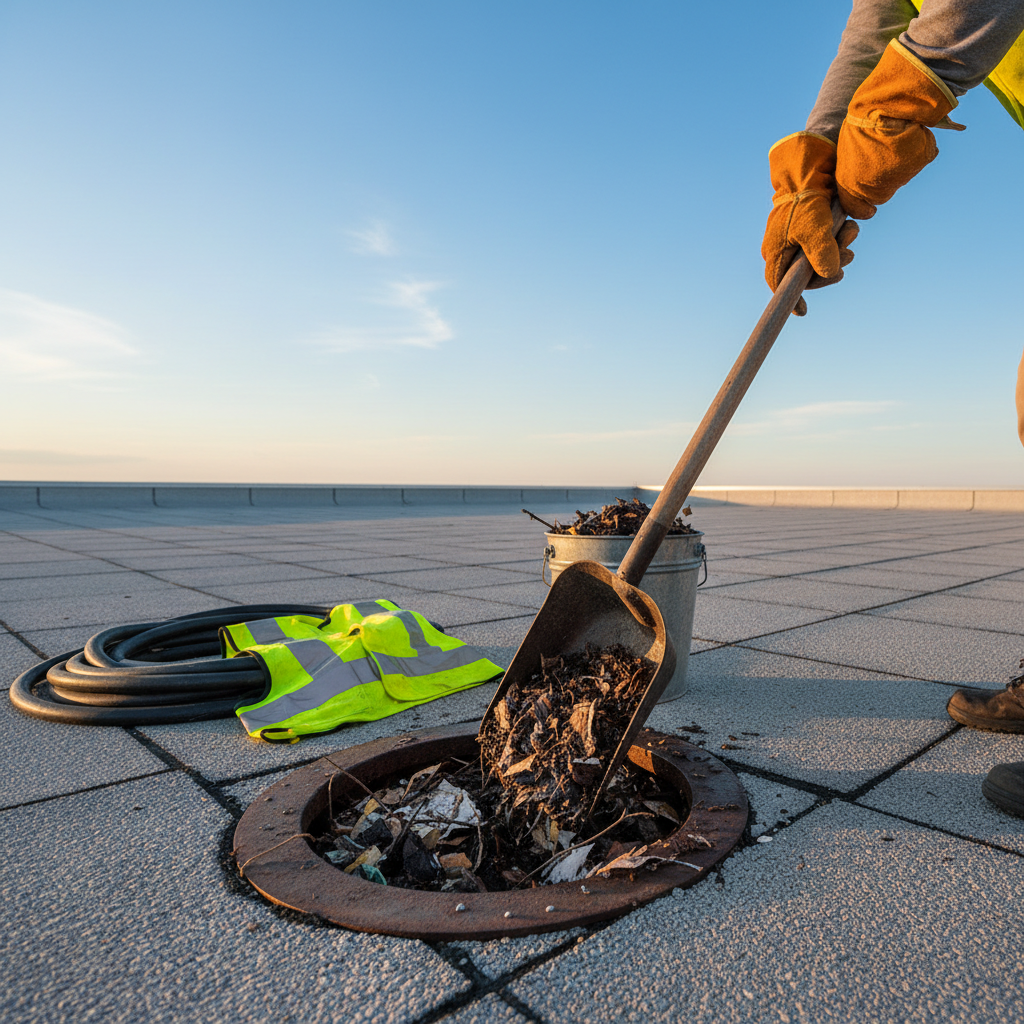
Following these maintenance practices can significantly extend the life of your roof's waterproofing, protecting your property for years to come.
Signs You Need Roof Waterproofing
Recognizing the early signs of waterproofing failure is crucial for preventing extensive and costly damage to your property. If you observe any of the following indicators, it's a strong signal that you need professional roof waterproofing Singapore services.
Water Stains on Ceilings or Walls: This is the most obvious and common sign. Discolored patches, dark spots, or peeling paint on interior ceilings or upper walls indicate water penetration point, usually directly above or nearby.
Dripping Water: Visible dripping from the ceiling, especially during or after rain, confirms a direct leak. The source could be compromised flashing, a puncture in the membrane, or a crack in the roof structure.
Musty Odors or Mold Growth: A persistent musty smell, particularly in upper floors or attic spaces, suggests hidden moisture retention and potential mold growth. Mold or mildew spots on interior surfaces further confirm water ingress.
Ponding Water on the Roof: If water remains on your flat or low-slope roof for more than 48 hours after rainfall, it indicates poor drainage or depressions in the roof surface. This stagnant water can rapidly degrade waterproofing materials and exacerbate leaks.
Cracks or Blisters on the Roof Surface: Visible cracks, tears, or bubbles (blisters) in the existing roofing membrane or coating are clear signs of material degradation and vulnerability to water penetration.
Sagging Ceilings: A sagging or bowing ceiling could indicate that water has accumulated in the ceiling structure, saturating materials and adding significant weight. This is a severe sign requiring immediate attention.
Increased Utility Bills: Waterlogged insulation becomes less effective, leading to higher heating and cooling costs. If building occupants notice unexplained increases in utility bills, a comprehensive roof inspection is warranted.
Damaged Flashing: Flashing around chimneys, vents, skylights, and parapet walls are critical areas. If the flashing is rusted, bent, cracked, or detached, it creates an open entry point for water. This is a common requirement for water leak repair Singapore.
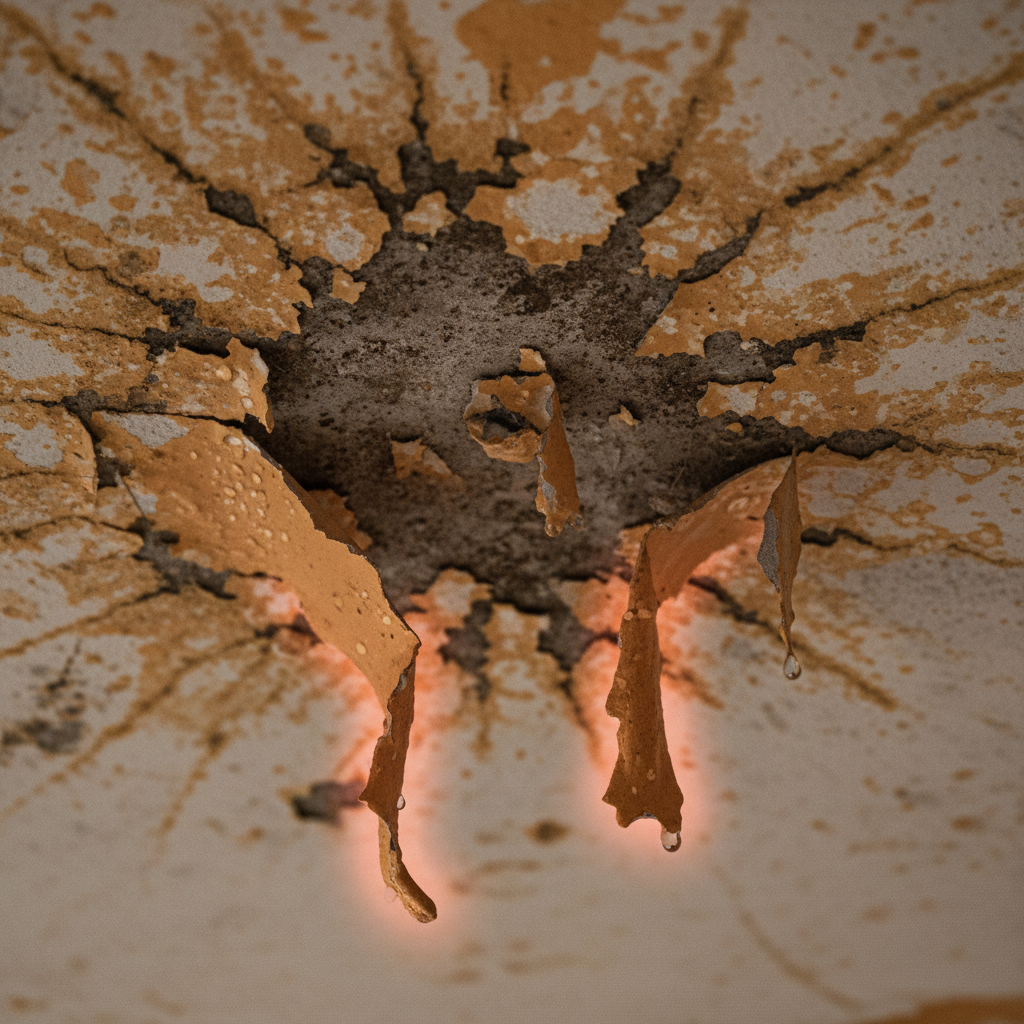
Ignoring these signs can lead to severe structural damage, health hazards from mold, and expensive remediation efforts. Proactive assessment by a qualified roofing contractor can identify issues early and recommend appropriate roof waterproofing solutions.
Cost of Roof Waterproofing in Singapore
The cost of roof waterproofing in Singapore can vary significantly based on several factors, including the type of waterproofing system chosen, the size and complexity of the roof, the extent of preparatory work required, and the contractor's expertise. Generally, costs are quoted per square meter (psm) or as a lump sum for the entire project.
Factors Influencing Cost:
Type of System:
Liquid applied waterproofing (e.g., acrylic, polyurethane): Generally ranges from SGD 25 - SGD 60 psm, depending on the number of coats, thickness, and specific product quality. Polyurethane systems are typically at the higher end of this range due to their performance characteristics.
Bituminous membranes (e.g., torch-on, self-adhesive): Costs typically fall between SGD 30 - SGD 70 psm. Torch-on methods might be slightly more expensive due to skilled labor requirements and safety measures for open flames.
Synthetic membranes (e.g., PVC, TPO): These high-performance systems can range from SGD 40 - SGD 80+ psm, reflecting their durability, flexibility, and specialized installation.
Roof Size and Complexity: Larger and simpler roofs generally cost less per square meter due to economies of scale. Complex roofs with numerous penetrations, vents, skylights, and irregular shapes require more detailing work and specialized application, driving up costs.
Condition of Existing Roof: Significant preparatory work, such as extensive cleaning, repair of cracks, removal of old membranes, or concrete screeding to improve drainage, will add to the overall cost. If the existing roof is in very poor condition, more extensive repairs are needed before waterproofing.
Accessibility: Difficult-to-access roofs (e.g., high-rise buildings, constricted spaces) may incur additional charges for scaffolding, safety equipment, and logistical challenges.
Warranty: Longer warranties typically come with a higher initial cost, reflecting the quality of materials and confidence in workmanship.
Contractor Experience: Reputable contractors with extensive experience and skilled workers may charge more, but they often provide higher quality work and greater peace of mind.
Average Cost Ranges (Indicative and subject to change):
For a typical residential or small commercial flat roof in Singapore approximately 100-200 sqm:
Budget-friendly option (e.g., basic acrylic or cementitious over small areas): SGD 25 - SGD 40 psm
Mid-range option (e.g., quality torch-on bitumen or standard high-performance liquid applied): SGD 40 - SGD 60 psm
Premium option (e.g., high-grade polyurethane, PVC/TPO, or complex projects): SGD 60 - SGD 80+ psm
Key Insight: While comparing quotes, always consider the long-term value. A seemingly cheaper solution might use lower-quality materials or cut corners on preparation, leading to premature failure and higher long-term costs. Focus on the system's suitability, the contractor's reputation, and the comprehensiveness of the warranty.
Frequently Asked Questions
How long does roof waterproofing last in Singapore?
The lifespan of roof waterproofing in Singapore varies significantly based on the type of system, quality of installation, and maintenance. High-quality systems like torch-on bitumen or polyurethane can last 15-25 years, while advanced PVC/TPO membranes can last 20-30 years or more with proper care.
What is the best type of waterproofing for flat roofs in Singapore?
For flat roofs in Singapore, liquid applied polyurethane coatings and high-performance synthetic membranes (like PVC or TPO) are generally considered among the best options. They offer excellent flexibility, seamless application, and superior UV resistance, crucial for the tropical climate.
Can I do roof waterproofing myself?
While DIY kits exist, professional roof waterproofing Singapore is highly recommended. Achieving a durable, watertight seal requires specialized knowledge, proper surface preparation, precise application techniques, and specific tools that most homeowners lack. Improper installation can lead to costly leaks.
How often should I check my roof for leaks?
It is advisable to visually inspect your roof at least twice a year – typically before and after the monsoon season – and immediately after any severe storms. Look for cracks, blisters, ponding water, or signs of damage around roof penetrations.
Is roof coating the same as roof waterproofing?
While often used interchangeably, roof coating Singapore generally refers to a protective layer applied to improve durability or thermal performance, whereas roof waterproofing specifically aims to create an impervious barrier against water penetration. Some liquid applied waterproofing systems are indeed advanced coatings.
What should I do if I discover a roof leak?
If you discover a roof leak, address it promptly. Temporarily contain the water to prevent further interior damage. Then, contact a professional roofing contractor specializing in water leak repair Singapore to accurately identify the source of the leak and recommend a permanent waterproofing solution.
Conclusion
Effective roof waterproofing in Singapore is an indispensable investment for any property owner, providing essential protection against the challenges posed by the country's tropical climate. Understanding the common causes of leaks, the range of advanced waterproofing solutions available, and the critical importance of proper installation and regular maintenance empowers property owners to make informed decisions. By choosing a high-quality waterproofing system and partnering with experienced professionals, you can ensure the long-term structural integrity of your building, prevent costly water damage, and maintain a safe and healthy indoor environment.


Comments