

Choosing a Roofing Contractor in Singapore: 10 Questions to Ask
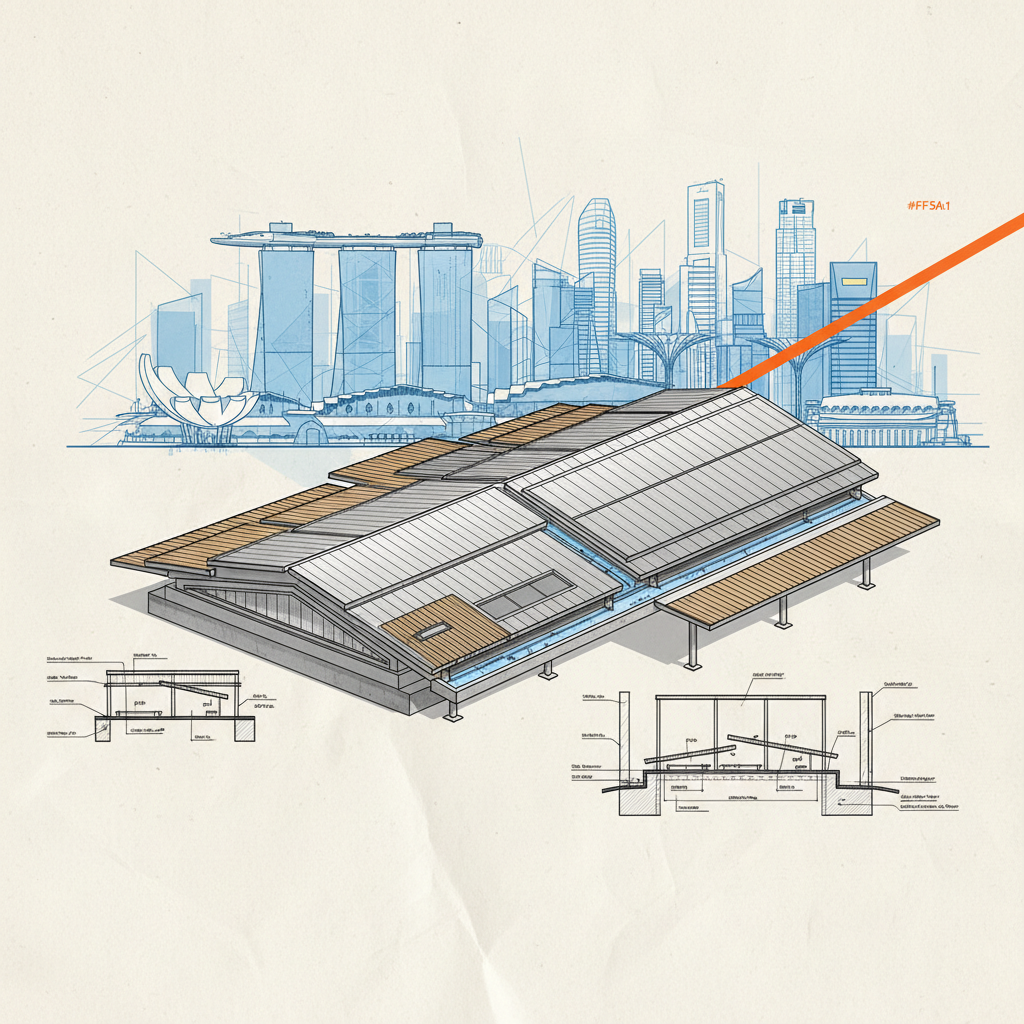
Choosing the right roofing contractor in Singapore is critical for ensuring the longevity and integrity of your property. A quality contractor delivers a durable, weather-resistant roof that protects your building from Singapore's unique climate challenges, saving you significant repair costs and headaches in the long run. Making an informed decision prevents future complications and safeguards your investment.
Quick Answer:
Experience and Expertise: Essential for Singapore's tropical climate.
Licensing and Insurance: Guarantees legality and protection.
Comprehensive Warranties: Covers materials and workmanship.
Transparent Quotations: Prevents hidden charges.
Strong References: Indicates client satisfaction and reliability.
Clear Communication: Ensures smooth project execution.
Robust Safety Protocols: Protects workers and property.
Quality Materials: Guarantees roof durability.
After-Sales Support: Offers peace of mind.
Table of Contents
Why Choosing the Right Contractor Matters
Choosing the right roofing contractor in Singapore is paramount because your roof is your property's primary defense against the elements. A poorly installed or repaired roof can lead to water damage, structural issues, and costly long-term repairs, often exacerbated by Singapore's intense tropical downpours and high humidity. Investing time in selecting a qualified professional ensures the safety, comfort, and value of your home or business.
1. Importance of Experience in Singapore's Climate
Experience in Singapore's climate is crucial because the country experiences consistent high temperatures, torrential downpours, and strong winds, which place unique stresses on roofing materials and structures. A contractor with extensive local experience understands these challenges and can recommend appropriate solutions and materials specifically suited for durability in this environment. For example, some materials may expand and contract excessively under rapid temperature changes, potentially leading to cracks or leaks.
Experienced roofers in Singapore will also be familiar with common local roofing issues such as moss and algae growth due to humidity, and how to prevent them. They possess a deep understanding of which roofing systems, like clay tiles, metal roofing, or waterproofing membranes, perform best under specific Singaporean conditions. A contractor with over 10-15 years of local experience has likely encountered and solved a wide array of roofing problems unique to the region, providing invaluable expertise.

2. Licensing and Insurance: Non-Negotiables for Your Protection
Licensing and insurance are non-negotiable for your protection as they confirm a contractor's legal standing, competence, and financial responsibility. In Singapore, registered contractors should ideally be listed with relevant authorities, although specific roofing licenses can vary based on the scope of work (e.g., general building works vs. specialized waterproofing). Always ask for proof of registration and verify it.
Public liability insurance is especially critical; it protects you from financial responsibility if a worker is injured on your property or if property damage occurs during the project. Without adequate insurance, any accidents could leave you personally liable for significant costs. A reliable roofing contractor in Singapore will readily provide proof of robust insurance coverage, offering peace of mind to property owners.
Key Insight: Always request and verify copies of current business registration documents and insurance certificates. A reputable contractor will be transparent and willingly provide these. Over 30% of homeowner-reported issues with contractors globally are traced back to unverified credentials.
3. Understanding Warranties: What's Covered and For How Long?
Warranties define the terms under which a contractor guarantees their workmanship and the materials used, protecting your investment against defects. A comprehensive warranty should clearly differentiate between material warranties (provided by the manufacturer, often 10-50 years for quality materials) and workmanship warranties (provided by the contractor, typically 2-10 years in Singapore). Understanding what's covered, such as leaks, structural defects, or material failure, and for how long, is crucial.
Ensure the warranty details are in writing, including the terms for claims and who to contact. A short or vague warranty period can be a red flag, indicating a lack of confidence in their work or materials. For example, a 5-year workmanship warranty for a full re-roofing project is a reasonable expectation in Singapore, reflecting the contractor's commitment to quality.
4. Client References and Reviews: Hear from Past Customers
Client references and reviews offer invaluable insights into a contractor's reliability, quality of work, and customer service from the perspective of previous clients. Ask for at least three recent references for projects similar to yours and take the time to contact them directly. Inquire about their overall satisfaction, adherence to timelines and budget, and how the contractor handled any unexpected issues.
Online reviews on platforms like Google Business Profile or Facebook can also provide a broader perspective, but always cross-reference them with direct references. A reliable roofing company will have a consistent track record of positive feedback and transparently address any criticisms. According to a 2023 study by BrightLocal, 79% of consumers trust online reviews as much as personal recommendations.
5. Quotation Clarity: Avoiding Hidden Costs
Quotation clarity means receiving a detailed, itemized breakdown of all costs associated with your roofing project, preventing hidden charges and misunderstandings. A thorough quote should include specifics on:
Materials: Type, brand, quantity, and unit cost.
Labour: Breakdown of tasks and associated costs.
Permits: Any necessary government permits (e.g., from BCA or HDB in Singapore) and their fees.
Waste Removal: Costs for disposing of old roofing materials.
Contingency: A reasonable allowance for unforeseen issues (typically 5-10% of the total budget).
Compare quotes from multiple roofing contractors in Singapore and ensure they are comparing apples to apples in terms of scope and materials. Be wary of significantly lower bids, as they may indicate inferior materials, shortcuts, or future hidden costs.
Comparison of Roofing Quotation Elements
6. Communication and Project Management Style
Communication and project management style refer to how a contractor interacts with clients and organises the workflow, directly impacting project transparency and efficiency. A good contractor will assign a dedicated project manager who provides regular updates, addresses concerns promptly, and maintains an open line of communication. Ask about their preferred communication channels (e.g., WhatsApp, email, phone calls) and expected response times.
Effective project management includes a clear timeline, scheduled progress meetings, and a defined process for handling changes or unforeseen circumstances. This ensures that the project stays on track, within budget, and meets your expectations without unnecessary delays or surprises. For example, a reliable roofing contractor in Singapore might provide a weekly progress report or schedule bi-weekly site visits with the client.
7. Safety Protocols and Site Management
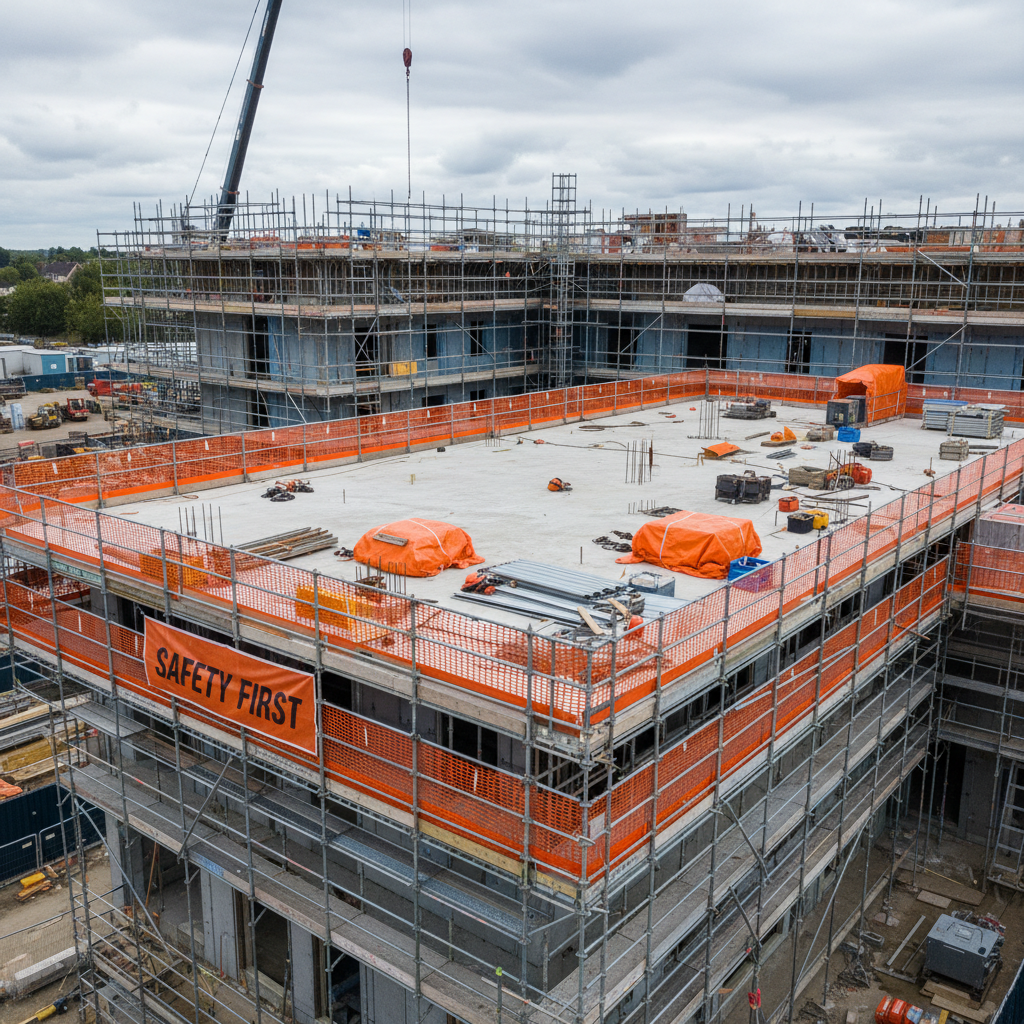
Safety protocols and site management are critical aspects that protect workers, property, and the public from accidents during roofing operations. Roofing work inherently involves risks due to heights, heavy materials, and power tools. A responsible contractor will have a robust safety plan, including adherence to Workplace Safety and Health (WSH) Act regulations in Singapore.
Inquire about their safety training for staff, use of personal protective equipment (PPE), and how they secure the site to prevent unauthorized access or falling debris. Proper site management also involves keeping the work area clean and organized, minimizing disruption to your daily routine. Evidence of a strong safety record, such as low accident rates, indicates a professional and ethical operation.
8. Material Sourcing and Quality Assurance
Material sourcing and quality assurance involve the contractor's process for selecting and verifying the quality of roofing materials used in your project. The longevity and performance of your roof largely depend on the quality of materials. Inquire about the brands they typically use, where they source them from, and if they provide manufacturer specifications or certifications.
A reputable roofing contractor in Singapore will use high-quality materials that are proven to withstand tropical conditions, rather than opting for cheaper, inferior alternatives. They should also implement quality checks during installation to ensure materials are applied correctly and to manufacturer standards. Ask about their procedures for handling defective materials or rectifying installation errors.
Key Insight: The use of certified materials, even if slightly more expensive upfront, often results in significant long-term savings by reducing the frequency of repairs and extending the roof's lifespan. Inferior materials can fail quickly in Singapore's harsh climate, leading to premature roof replacement.
9. After-Service Support and Guarantees
After-service support and guarantees pertain to the contractor's commitment to address any issues that arise after job completion and within the warranty period. This includes responsiveness to defect calls, scheduling follow-up inspections, and performing necessary repairs without hassle. A contractor's willingness to provide comprehensive after-service speaks volumes about their confidence in their work and dedication to customer satisfaction.
Ask about their typical response times for warranty claims and the process for initiating a service request. A good roofing contractor in Singapore will stand by their work and offer clear channels for post-completion support, giving you peace of mind that your investment is protected long after the project is finished.
10. Specialized Expertise: Commercial vs. Residential Roofing
Specialized expertise in either commercial or residential roofing is important because the requirements, materials, and complexities for each differ significantly. Residential roofing typically focuses on aesthetic appeal, energy efficiency for smaller structures, and materials like tiles or shingles. Commercial roofing, conversely, often involves larger flat or low-slope roofs, demanding materials like TPO, EPDM, or modified bitumen, with a greater emphasis on durability, waterproofing for large areas, and compliance with stringent commercial building codes.
While some large firms may handle both, a contractor specializing in your specific project type (e.g., Residential Roofers Singapore or Commercial Roofing Singapore) will possess deeper relevant experience, more honed skills, and a better understanding of the particular challenges and regulations involved. For instance, a commercial roofer must consider heavy HVAC units, extensive drainage systems, and often work around existing business operations. Always verify if their portfolio aligns with your project's nature.
---
Frequently Asked Questions
What roofing materials are best suited for Singapore's climate?
For Singapore's hot, humid, and rainy climate, materials like metal roofing (e.g., aluminium, steel) for durability and heat reflection, clay or concrete tiles for excellent insulation and weather resistance, and high-quality waterproofing membranes (for flat roofs) are generally recommended. Each has specific benefits regarding cost, aesthetics, and performance.
How often should I have my roof inspected in Singapore?
It is advisable to have your roof professionally inspected at least once a year in Singapore, especially before or after the monsoon seasons. Regular inspections help identify minor issues like cracked tiles, clogged gutters, or developing leaks before they escalate into major, costly repairs due to severe weather.
Do I need a permit for roofing work in Singapore?
Yes, certain significant roofing works, especially those involving structural changes or re-roofing, typically require permits from the Building and Construction Authority (BCA) or Housing & Development Board (HDB) for HDB properties. Your chosen contractor should be able to advise on and assist with obtaining the necessary approvals.
How long does a typical roof replacement project take in Singapore?
The duration of a roof replacement project in Singapore varies greatly depending on the size and complexity of the roof, the materials used, and weather conditions. A residential re-roofing project might take anywhere from one to three weeks, while larger commercial projects could span several months.
What are common signs that my roof needs repair or replacement?
Common signs indicating a need for roof repair or replacement include visible leaks or water stains on ceilings, missing or cracked tiles/shingles, sagging roof sections, blistering or peeling paint on exterior walls near the roofline, and granules from asphalt shingles accumulating in gutters.
Conclusion
Selecting the right roofing contractor in Singapore is a critical decision that directly impacts the safety and longevity of your property. By thoroughly asking these ten essential questions, you can evaluate potential contractors on their experience, credibility, financial stability, and commitment to quality and safety. This meticulous approach ensures you partner with a reliable roofing company that delivers a durable, high-quality roof specifically designed to withstand Singapore's unique climate. Prioritizing due diligence will protect your investment and provide lasting peace of mind.


Comments