

Commercial Roof Maintenance Singapore: Maximize Lifespan & Performance
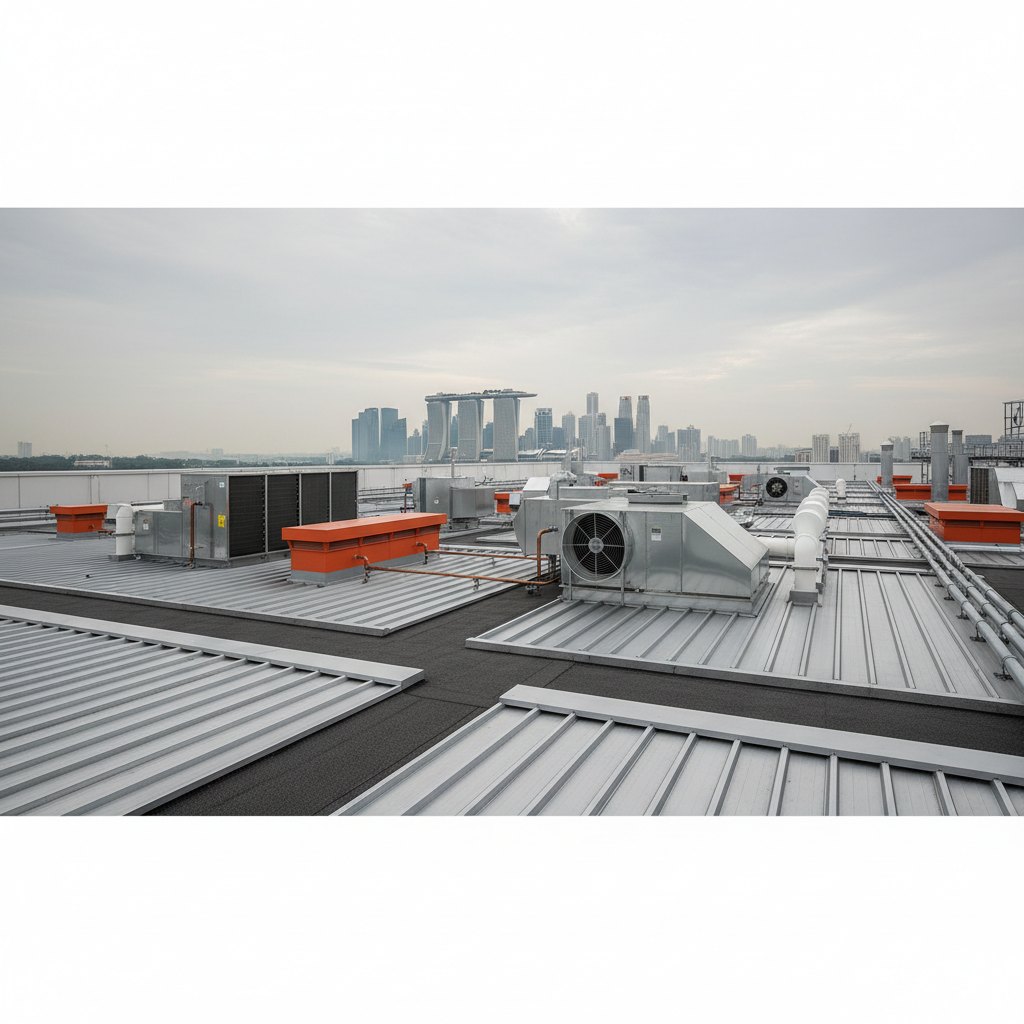
Commercial roof maintenance in Singapore is essential for ensuring the longevity and optimal performance of your building's most critical protective asset. Proactive and regular maintenance helps safeguard your investment, prevents costly repairs, and maintains a safe environment for occupants.
Quick Answer:
Regular commercial roof maintenance extends roof lifespan and prevents premature failure.
A robust plan includes inspections, cleaning, material-specific care, and gutter maintenance.
Singapore's tropical climate necessitates specific seasonal care to combat heat, humidity, and heavy rain.
Partnering with experienced contractors like Amber Services ensures expert care and prompt issue resolution.
Effective budgeting for maintenance is crucial to avoid unexpected, expensive repairs.
Table of Contents
The Importance of Commercial Roof Maintenance
Commercial roof maintenance consistently ranks as one of the most vital aspects of property management, directly impacting a building's operational efficiency and asset value. Without scheduled upkeep, commercial roofs are susceptible to premature degradation, leading to significant financial outlays for early replacement or extensive repairs. A well-maintained roof protects a building's interior, its occupants, and valuable assets from the elements.
According to a study by the National Roofing Contractors Association (NRCA), a proactive roof maintenance program can extend a roof's lifespan by up to 50%, significantly delaying the need for costly full re-roofing projects. This translates into substantial long-term savings for commercial property owners in Singapore. Neglecting maintenance can also void manufacturer warranties, placing the full burden of repair costs on the property owner.
Key Components of a Robust Commercial Roof Maintenance Plan
A robust preventive roof maintenance plan for commercial properties transcends simple leak repair; it is a systematic approach designed to identify and address potential issues before they escalate. Such a plan integrates various activities tailored to the specific type of roofing material and the local climate conditions in Singapore.
Regular Roof Inspections
Debris Removal and Cleaning
Accumulated debris, such as leaves, dirt, and branches, can retain moisture, encourage vegetation growth, and block drainage systems, leading to water ponding and accelerated material degradation. Regular cleaning prevents these issues. This includes clearing gutters, downspouts, and scuppers to ensure efficient water runoff.
Minor Repairs and Sealing
Addressing minor issues promptly is a cornerstone of effective maintenance. This involves repairing small cracks, sealing gaps around penetrations, reinforcing loose fasteners, and patching tiny punctures. These preemptive fixes are considerably less expensive and disruptive than reacting to a major leak.
Material-Specific Care
Different roofing materials require specific care. For instance, metal roofs may need recoating to maintain their reflective properties and prevent corrosion, while bituminous membranes might require refreshing surfacing granules. A tailored approach ensures the right care for your specific roof.
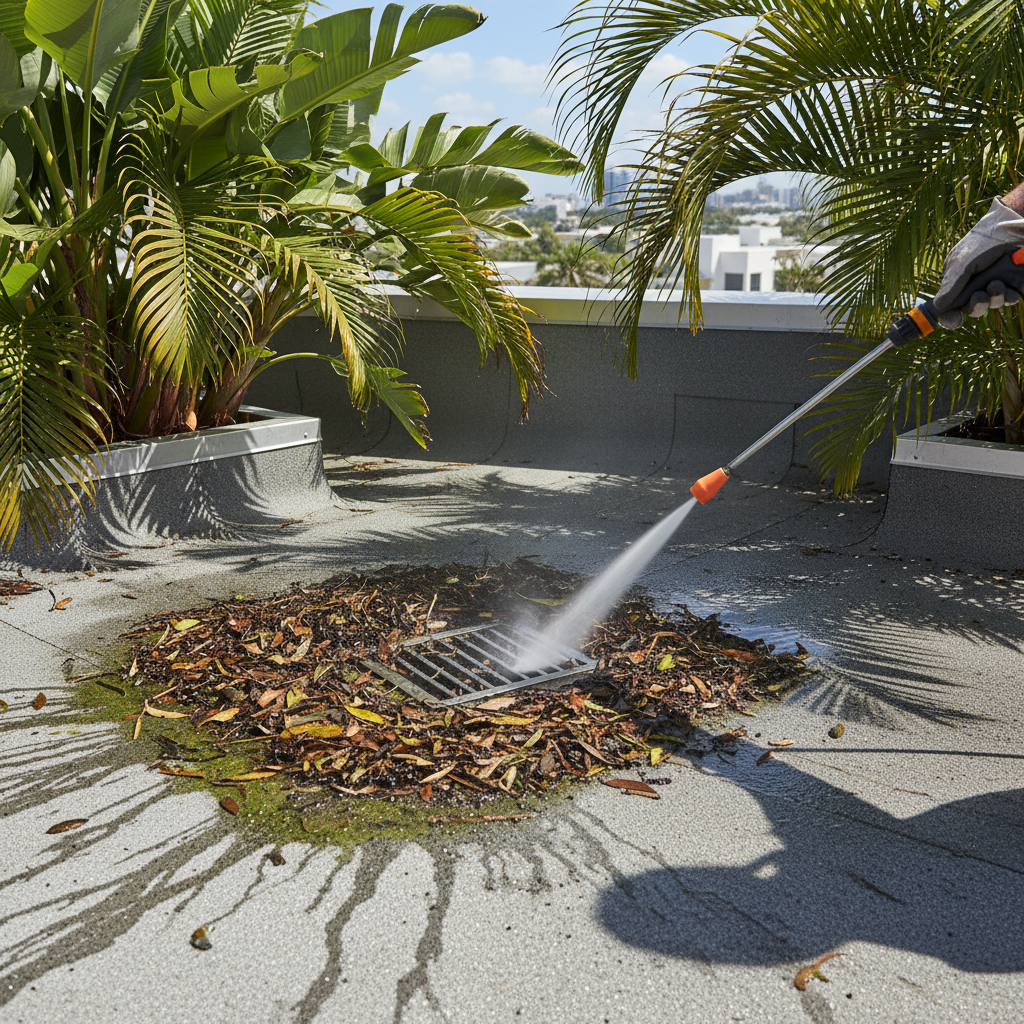
Key Insight: Regularly clearing rooftop drainage systems is paramount in Singapore's climate. Blocked gutters and scuppers, often overlooked, are a leading cause of premature roof failure due to prolonged water exposure and ponding, leading to significant structural damage if not addressed.
Seasonal Roof Care for Singapore's Climate
Singapore's tropical climate, characterized by high humidity, intense sun, and frequent heavy rainfall, presents unique challenges for commercial roofs. A maintenance plan must be adapted to these specific environmental stressors.
Pre-Monsoon Checks
Before the heavier monsoon seasons (typically November to January, and May to September), a comprehensive inspection is critical. This involves ensuring all drainage systems are completely clear, checking for any existing vulnerabilities that could be exacerbated by heavy rain, and reinforcing any weak points. The goal is to prepare the roof to handle significant water loads without ingress.
Post-Monsoon Assessment
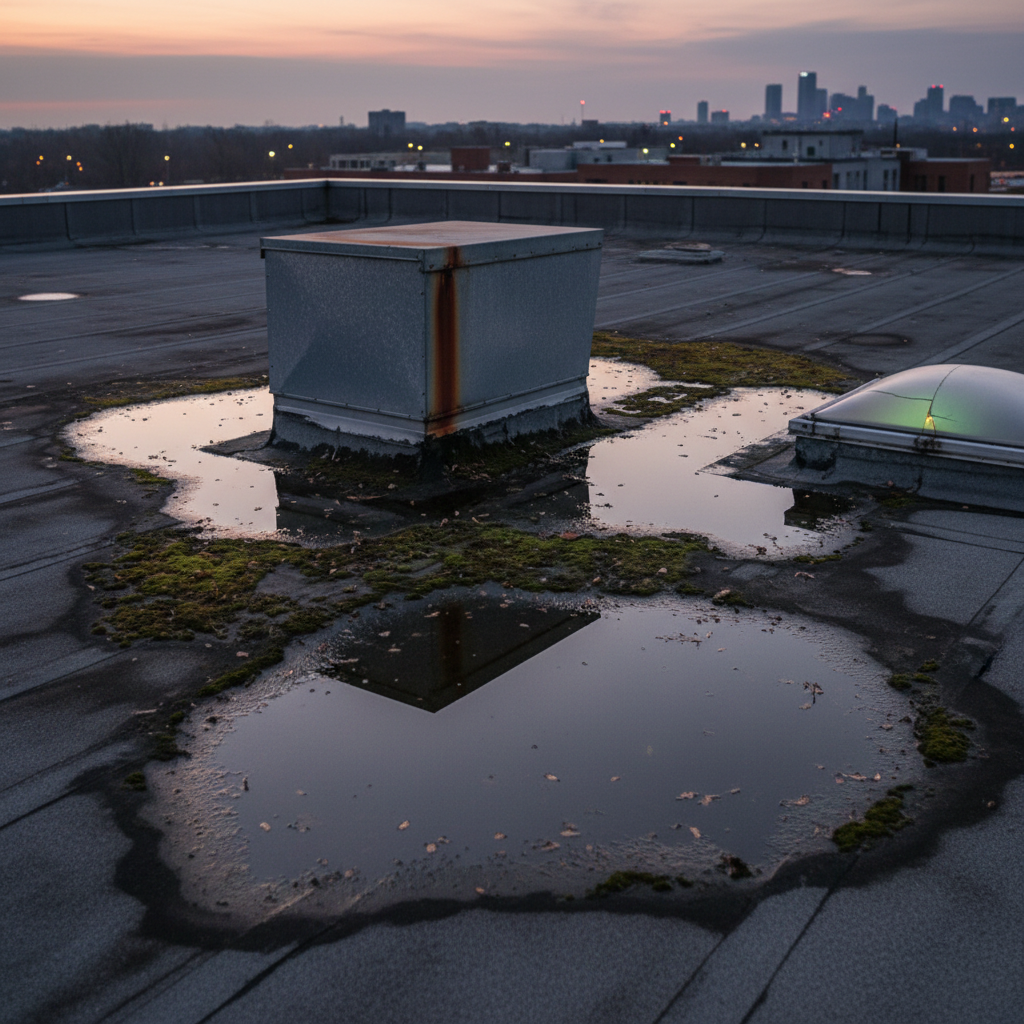
After a period of heavy rain, another inspection is advisable to assess any new damage that might have occurred. High winds accompanying thunderstorms can lift flashing or dislodge membrane sections, while prolonged moisture can accelerate moss or algae growth. Identifying and repairing these issues quickly prevents their escalation.
UV Radiation Protection
The equatorial sun in Singapore delivers strong UV radiation, which can cause roofing materials to degrade, crack, and become brittle over time. Maintenance should include assessing the condition of UV-protective coatings or surfaces and reapplying them if necessary to prolong the roof's life.
Common Commercial Roofing Issues to Watch For
Vigilance for specific issues can help property managers initiate timely repairs and prevent small problems from becoming large expenses. Recognizing these signs early is crucial for effective commercial roofing repair.
How to Choose a Commercial Roof Maintenance Partner
Selecting the right partner for commercial property roof care is a strategic decision that warrants careful consideration. An experienced and reputable contractor can make all the difference in the longevity and performance of your roof.
Look for Experience and Specialization
Opt for contractors with a proven track record in industrial roof maintenance and commercial projects in Singapore. Experience with various roofing systems (e.g., metal, concrete, membrane) and a deep understanding of local building codes and climate challenges are essential. Amber Services, with over 30 years in Singapore, exemplifies the kind of expertise to look for.
Verify Licenses and Insurance
Ensure the contractor holds all necessary licenses to operate in Singapore and carries comprehensive insurance (e.g., public liability, work injury compensation). This protects your business from potential liabilities in case of accidents or property damage during maintenance work.
Request Detailed Service Agreements
A transparent service agreement should outline the scope of work, frequency of visits, reporting procedures, and warranty information. It should also clearly specify what is included in routine maintenance versus what might be considered an additional repair. Clarity upfront prevents misunderstandings later.
Check References and Reviews
Reach out to previous commercial clients to gauge their satisfaction with the contractor's reliability, professionalism, and quality of work. Online reviews and testimonials can also offer valuable insights.
Benefits of Regular Professional Commercial Roof Maintenance
Investing in roof asset management through professional maintenance yields numerous advantages beyond simply extending the roof's life. These benefits directly impact operating costs, structural integrity, and business continuity.
Extended Roof Lifespan
Professional maintenance significantly prolongs the operational life of your roof, delaying the need for costly replacement. This aligns with findings from industry organizations like the American Society of Civil Engineers (ASCE), which consistently illustrate the long-term cost benefits of preventative maintenance across infrastructure.
Cost Savings
Preventative maintenance is far more cost-effective than reactive repairs. Identifying and fixing minor issues like a failing sealant or small puncture early prevents them from escalating into major leaks that can damage insulation, electrical systems, and interior finishes. An ounce of prevention is truly worth a pound of cure in roofing.
Enhanced Building Protection
A well-maintained roof effectively shields your commercial property from water intrusion, UV radiation, and other environmental stressors. This protection extends to the building's structural components, interior assets, and potentially sensitive equipment.
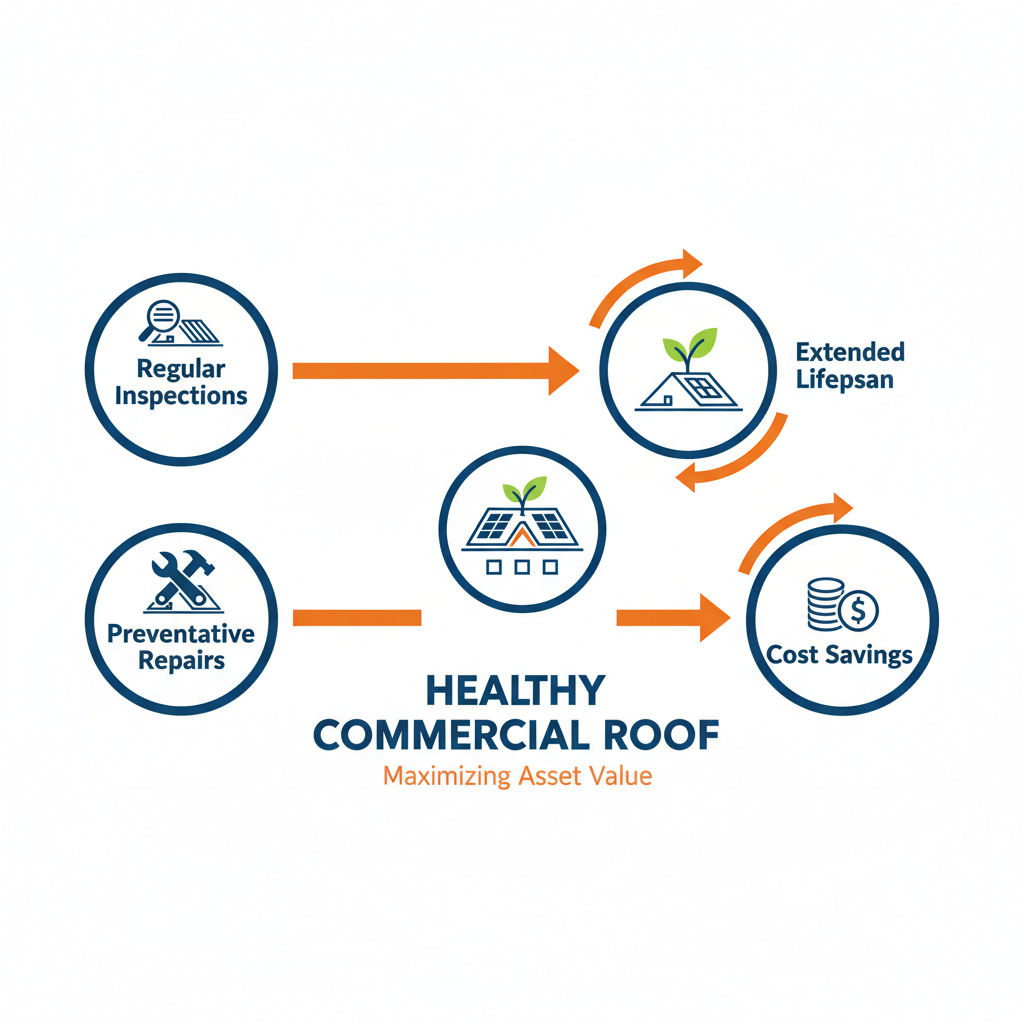
Key Insight: For commercial property owners, the true value of professional roof maintenance lies not just in preventing leaks, but in preserving the capital investment of the entire building envelope and ensuring uninterrupted business operations, which directly impacts profitability and tenant satisfaction.
Improved Energy Efficiency
An intact and well-maintained roof system, especially one with reflective coatings, contributes to better thermal performance. Preventing water damage to insulation helps maintain its R-value, leading to more stable indoor temperatures and potentially lower air-conditioning costs in Singapore's hot climate.
Compliance and Warranty Protection
Regular maintenance ensures your roof remains compliant with industry standards and manufacturer warranty requirements. Many roofing warranties are contingent upon a documented maintenance schedule, and failure to adhere to it can void coverage.
Reduced Business Disruption
Unexpected roof failures and emergency repairs can lead to significant business disruption, loss of productivity, and damaged inventory. Proactive maintenance minimizes these risks, allowing your operations to continue smoothly.
Budgeting for Commercial Roof Maintenance
Effective budgeting for commercial roof maintenance in Singapore involves more than just allocating funds for reactive repairs; it requires a strategic financial plan that recognizes maintenance as a necessary operational expenditure contributing to long-term asset value. Property managers should integrate roof maintenance costs into their annual operating budgets.
Long-Term Planning
Develop a multi-year budget that accounts for both routine maintenance and potential larger repairs or coating applications. Factor in the typical lifespan of your roofing material and plan for cyclical maintenance activities accordingly.
Estimate Costs Accurately
Obtain detailed quotes from reputable contractors for routine inspections, cleaning, and minor repairs. Budget for potential material costs, labor, and specialized equipment. Keep a contingency fund for unexpected issues that might arise despite preventative measures.
Cost-Benefit Analysis
Frame maintenance costs as an investment that protects a much larger asset. Compare the cost of regular maintenance (which can range from S$0.50 to S$2.00 per square foot annually, depending on roof type and condition) to the significantly higher cost of full roof replacement (potentially S$10 to S$30+ per square foot) or devastating water damage.
Frequently Asked Questions
How often should a commercial roof be inspected in Singapore?
Commercial roofs in Singapore should be inspected at least twice a year, ideally before and after the monsoon seasons, to identify and address issues caused by heavy rain, humidity, and intense sunlight.
What are the most common commercial roofing problems in Singapore?
Common commercial roofing problems in Singapore include ponding water due to blocked drains, membrane blistering and cracking from UV exposure and thermal stress, and damages to flashing from high winds.
Can regular maintenance extend my commercial roof's warranty?
While regular maintenance doesn't typically extend the length of a roof's warranty, it is often a mandatory requirement to keep the warranty valid. Neglecting maintenance can void the manufacturer's warranty, leaving you responsible for all repair costs.
What is the typical lifespan of a commercial roof with proper maintenance?
With proper and consistent maintenance, a commercial roof's lifespan can be extended significantly—often by 25% to 50% beyond its manufacturer's estimated life, reaching 20-30 years or more depending on the material.
Is commercial roof maintenance a taxable expense in Singapore?
Generally, routine maintenance expenses for commercial properties are considered deductible operating expenses for businesses in Singapore. However, it is always advisable to consult with a tax professional for specific financial advice.
What is the difference between preventive and reactive roof maintenance?
Preventive roof maintenance is proactive, scheduling inspections and minor repairs to prevent issues before they occur. Reactive roof maintenance is performed after a problem has manifested, such as repairing a leak, which is often more costly and disruptive.
How does Singapore's humidity affect commercial roofs?
Singapore's high humidity levels can accelerate the growth of moss, algae, and fungi on roof surfaces, lead to trapped moisture within roof systems, and contribute to the degradation of certain materials over time if not properly managed.
Conclusion
Effective commercial roof maintenance in Singapore is an indispensable aspect of responsible property ownership and management. By prioritizing regular inspections, preventative repairs, and seasonal care tailored to Singapore's tropical climate, businesses can significantly extend their roof's lifespan, reduce operational costs, and safeguard their assets. Proactive maintenance minimizes the risk of costly emergencies and ensures business continuity, making it a sound long-term investment.


Comments