

Roof Replacement Costs in Singapore: Get an Accurate Quote Now

Understanding roof replacement costs in Singapore is crucial for property owners looking to maintain or enhance their assets. A new roof is a significant investment, protecting your property from Singapore's tropical climate while also improving energy efficiency and curb appeal. By understanding the factors that influence pricing, you can budget effectively and ensure a durable, high-quality solution for your home or business.
Quick Answer:
Cost Factors: Influenced by roof size, material choice, complexity, labor, and additional expenses like permits.
Material Impact: Tiles, metal, and asphalt shingles have different price points and lifespans.
Getting a Quote: Essential to obtain detailed, itemized quotes from multiple reputable contractors.
Financing: Explore options like renovation loans or contractor payment plans.
Longevity: A quality replacement enhances property value and prevents future costly repairs.
Table of Contents
Factors Influencing Roof Replacement Costs in Singapore
Roof replacement costs in Singapore are influenced by several key factors, ranging from the size and pitch of your roof to the materials chosen and the complexity of the installation. A thorough assessment of these variables is necessary to provide an accurate estimate for any residential roof replacement or commercial roof replacement quote.
The primary factor is the roof's size, measured in square meters. Larger roofs naturally require more materials and labor, escalating the overall cost. The pitch or slope of the roof also plays a significant role; steeper roofs require more safety precautions, specialized equipment, and often more time to install, leading to increased labor costs. For instance, a very steep residential roof might incur 15-20% higher labor costs due to added safety measures and slower work pace compared to a flatter roof of the same size. Roof accessibility, including factors like landscaping, adjacent structures, and ease of material delivery, can also impact the effort and time required, thereby affecting the final price.
Key Insight: While material cost is a significant portion, always factor in hidden elements like roof accessibility and pitch. A seemingly small detail can have a noticeable impact on the overall project timeline and budget.
Types of Roofing Materials and Their Cost Implications
The choice of roofing material significantly impacts the overall Singapore roof replacement price. Different materials offer varying levels of durability, aesthetic appeal, and of course, cost. Each material has distinct properties that make it suitable for specific types of properties and budgets.
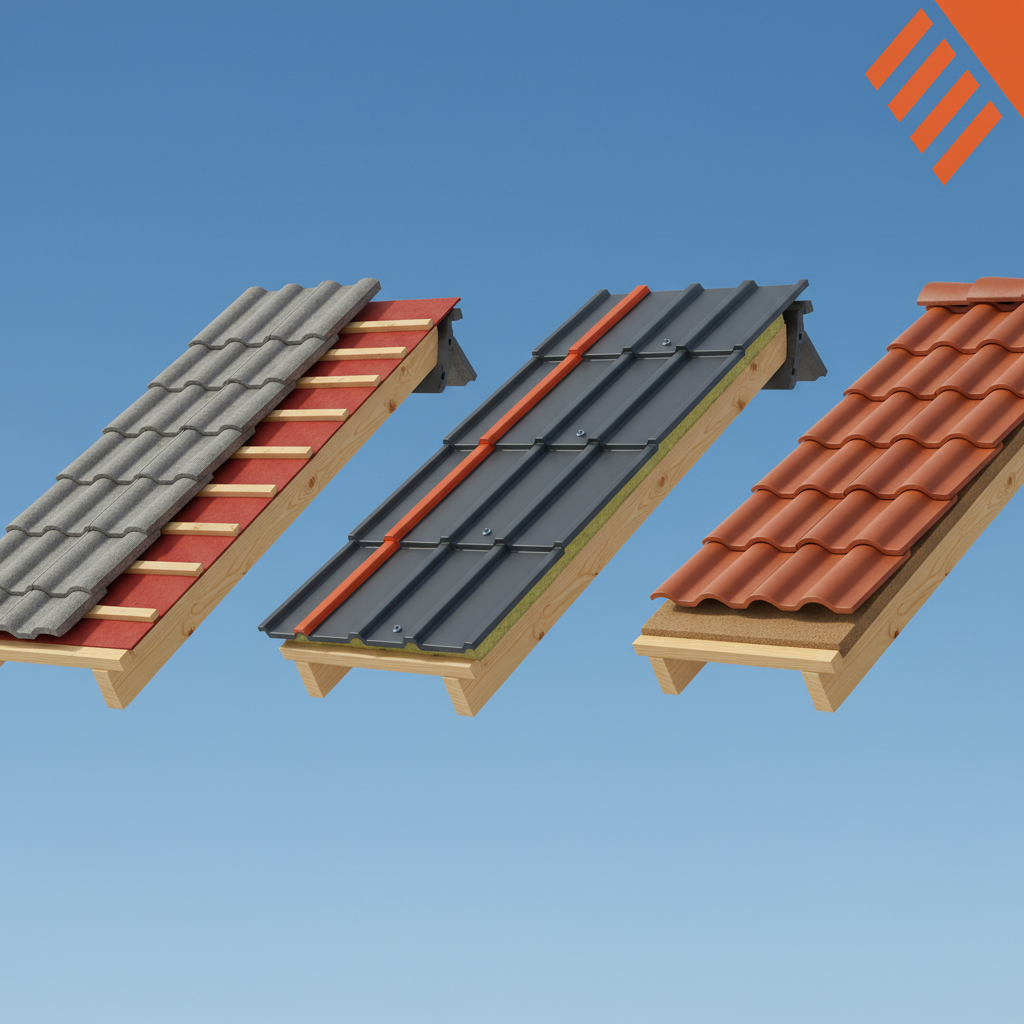
Concrete Tiles: These are among the most common roofing materials in Singapore due to their durability and ability to withstand the tropical climate. They come in various profiles and colors, offering versatility in design. While initial costs are moderate, their longevity (often 30-50 years) makes them a cost-effective choice in the long run.
Clay Tiles: Known for their classic aesthetic and excellent heat resistance, clay tiles are a premium option. They are highly durable and can last over 50 years, often requiring less maintenance. However, their weight requires a stronger roof structure, and their installation is more labor-intensive, contributing to a higher upfront cost.
Metal Roofing (e.g., Colourbond, Zinc): Metal roofs are gaining popularity for their modern look, light weight, and exceptional durability, often lasting 40-70 years. They are excellent at reflecting heat, which can contribute to energy savings. While metal roofing material costs can be higher than concrete tiles, their quick installation and low maintenance can offset this over time. They are particularly popular for industrial and commercial properties, as well as modern residential designs.
Asphalt Shingles: While less common in Singapore's humid climate compared to Western countries, some modern architectural designs incorporate asphalt shingles. They are generally among the most affordable options initially but have a shorter lifespan (15-30 years) and may require more frequent replacement in tropical conditions.
Polycarbonate Sheets: Primarily used for awnings, carports, or extension roofs, polycarbonate sheets offer transparency and UV protection. They are lightweight and relatively inexpensive to install but are not suitable for main roof structures due to their lower insulation properties and different structural requirements.
Here's a comparison of common roofing materials and their general cost implications:
Note: These figures are indicative and can vary based on specific product brands, supplier, and market conditions.
Labor Costs and Installation Complexity
Labor costs are a significant component of the average roof replacement cost in Singapore, directly correlating with the project's complexity and the required expertise. The hourly rates for skilled roofing professionals in Singapore can vary, typically reflecting their experience and the specialized nature of the work.
Installation complexity factors include:
Roof Design: A simple pitched roof is less labor-intensive than a multi-level roof with dormers, skylights, or intricate valleys and hips. These features require more precise cutting, sealing, and flashing work, increasing both time and skill demands.
Underlayment and Insulation: Modern roof replacements often include upgrading underlayment for better waterproofing and installing or improving insulation layers to enhance thermal performance, critical in Singapore's climate. These additions require extra labor and materials.
Tear-off and Disposal: Removing the old roof is a labor-intensive step. If there are multiple layers of old roofing or if hazardous materials like asbestos are present (though less common in newer Singaporean properties), the tear-off and disposal process becomes more complex and costly. Proper disposal of construction waste in Singapore adheres to strict environmental regulations, incurring fees.
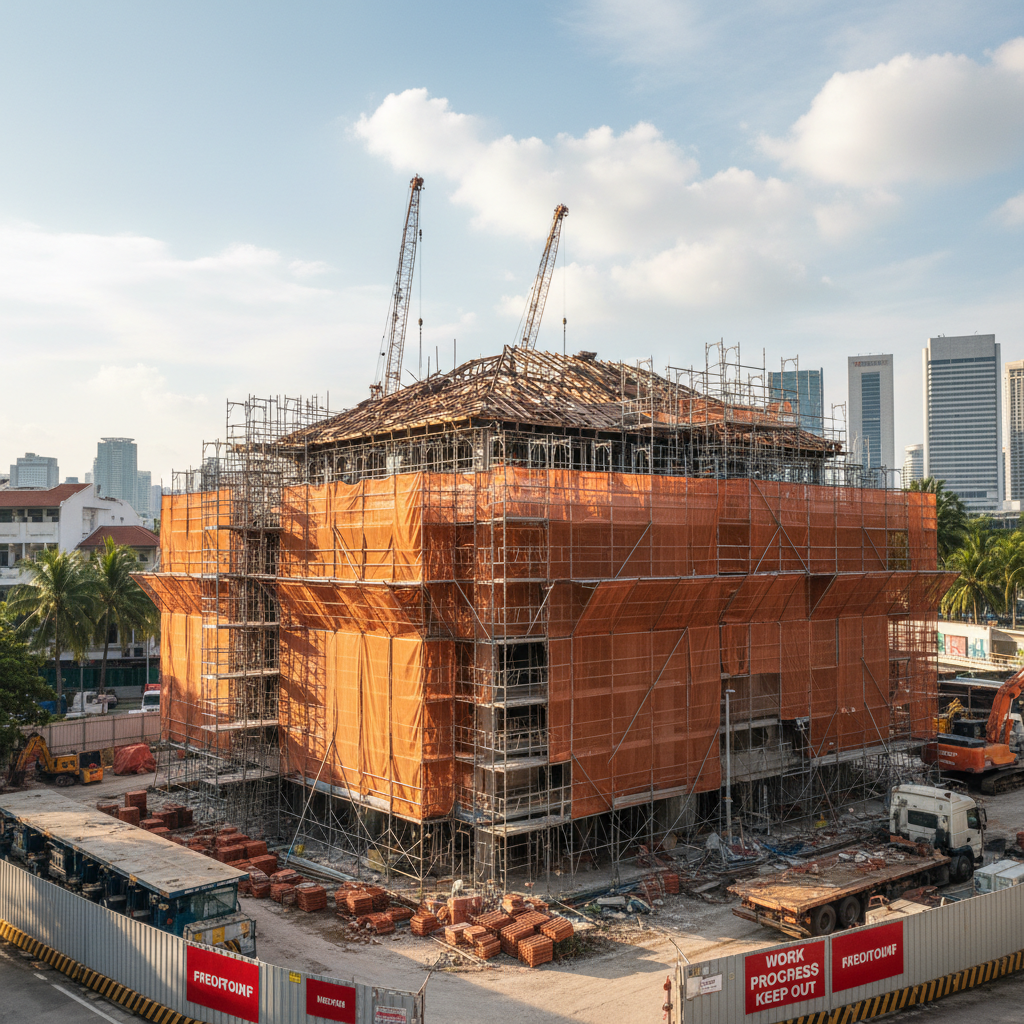
Safety Requirements: Working at heights, particularly on steep or high-rise residential/commercial buildings, necessitates stringent safety protocols, scaffolding, and specialized equipment. These measures protect workers and the property, but they add to the overall labor and equipment costs. For example, a project requiring extensive scaffolding for a multi-story building might see a 10-20% increase in labor-related expenses compared to a single-story low-pitch roof.
Additional Costs: Permits, Disposal, and Unforeseen Issues
Beyond materials and direct labor, several additional costs contribute to the total roof replacement costs in Singapore. Being aware of these can prevent unexpected budget overruns.
Permits and Approvals: For significant structural changes or complete roof replacements, property owners typically need to obtain permits from relevant Singaporean authorities. This ensures compliance with local building codes and safety standards. The cost of these permits, along with any necessary architectural or engineering assessments, can range from a few hundred to over a thousand Singapore dollars, depending on the scale and nature of the project.
Waste Disposal Fees: As mentioned, the proper disposal of old roofing materials is essential. Landfill tipping fees and transport costs for debris removal are factored into the overall project. Environmentally friendly disposal, such as recycling certain materials, can also have cost implications.
Unexpected Repairs: During the tear-off phase, contractors might uncover unforeseen issues, such as rotten decking, damaged rafters, or undetected water damage. These require immediate repair before the new roof can be installed, leading to additional material and labor costs. It's advisable to set aside a contingency fund, typically 10-15% of the estimated cost, for such eventualities.
Scaffolding and Equipment Rental: Depending on the height and design of the building, scaffolding might be mandatory for safety and efficient work. Rental costs for scaffolding, cranes, or other specialized equipment can add a substantial amount to the project.
Key Insight: Always budget for unexpected repairs during a roof replacement. A contingency of 10-15% of the total estimate is a pragmatic approach to avoid financial surprises once the old roof is removed and the underlying structure is exposed.
How to Get an Accurate Roof Replacement Quote
Obtaining an accurate commercial roof replacement quote or residential roof replacement estimate involves more than just getting a price. It requires a detailed process to ensure transparency and prevent future disputes.
Seek Multiple Bids: Contact at least three reputable roofing contractor Singapore companies. This allows for comparing pricing, proposed materials, warranties, and approaches.
Request Detailed, Itemized Quotes: A good quote should break down all costs, including:
Material costs (type, brand, quantity)
Labor costs (hourly rates or project-based, number of workers)
Cost of tear-off and disposal
Permit fees
Specifics on underlayment, flashing, and ventilation
Warranty information (materials and workmanship)
Payment schedule
Ensure On-Site Inspection: Reputable contractors will conduct a thorough on-site inspection of your roof and attic (if accessible). This allows them to assess the roof's structural integrity, identify potential issues, measure accurately, and understand access challenges. Quotes based solely on satellite imagery or phone descriptions are often less accurate.
Check References and Credentials: Verify the contractor's licenses, insurance (especially public liability and workman's compensation), and ask for references from previous clients. Read online reviews and check their track record with local associations.
Understand Warranties: Clarify both the material warranty (from the manufacturer) and the workmanship warranty (from the contractor). A strong warranty provides peace of mind. For example, some manufacturers offer 25-year to lifetime limited warranties on their roofing materials.
Review the Contract Carefully: Before signing, ensure all agreed-upon details, costs, timelines, and responsibilities are clearly stipulated in the contract. Pay attention to clauses regarding change orders for unforeseen work.

Financing Options for Your Roof Replacement
A roof replacement is a significant investment, and understanding your financing options can make the project more manageable. In Singapore, several avenues are available for homeowners and business owners.
Renovation Loans: Many local banks in Singapore offer renovation loans specifically designed for home improvements. These loans typically have competitive interest rates and flexible repayment periods. Eligibility criteria often include income levels, credit history, and property type.
Personal Loans: A personal loan is another option, though it might have higher interest rates compared to a dedicated renovation loan. However, personal loans offer more flexibility in how the funds are used.
Contractor Payment Plans: Some reputable roofing contractors, including Amber Services, may offer their own payment plans or installment options, particularly for larger projects. These can involve an initial down payment followed by scheduled payments as the work progresses. Always clarify terms, interest rates (if any), and penalties for late payments.
Home Equity Loans/Lines of Credit (HELOC): For homeowners with significant equity in their property, a home equity loan or HELOC can provide access to funds at potentially lower interest rates, as the loan is secured by your home.
Government Grants (Limited): While less common for general roof replacement, occasionally there might be specific government grants or schemes available in Singapore for certain energy-efficient upgrades or structural enhancements, especially for older properties or heritage sites. It's worth checking with relevant agencies like the Building and Construction Authority (BCA) or National Heritage Board (NHB) if your property qualifies.
Maximizing Your Investment: Longevity and Value
A new roof is more than just a repair; it's a strategic investment that significantly impacts your property's value, safety, and operational efficiency. Maximizing this investment means focusing on quality materials and expert installation.
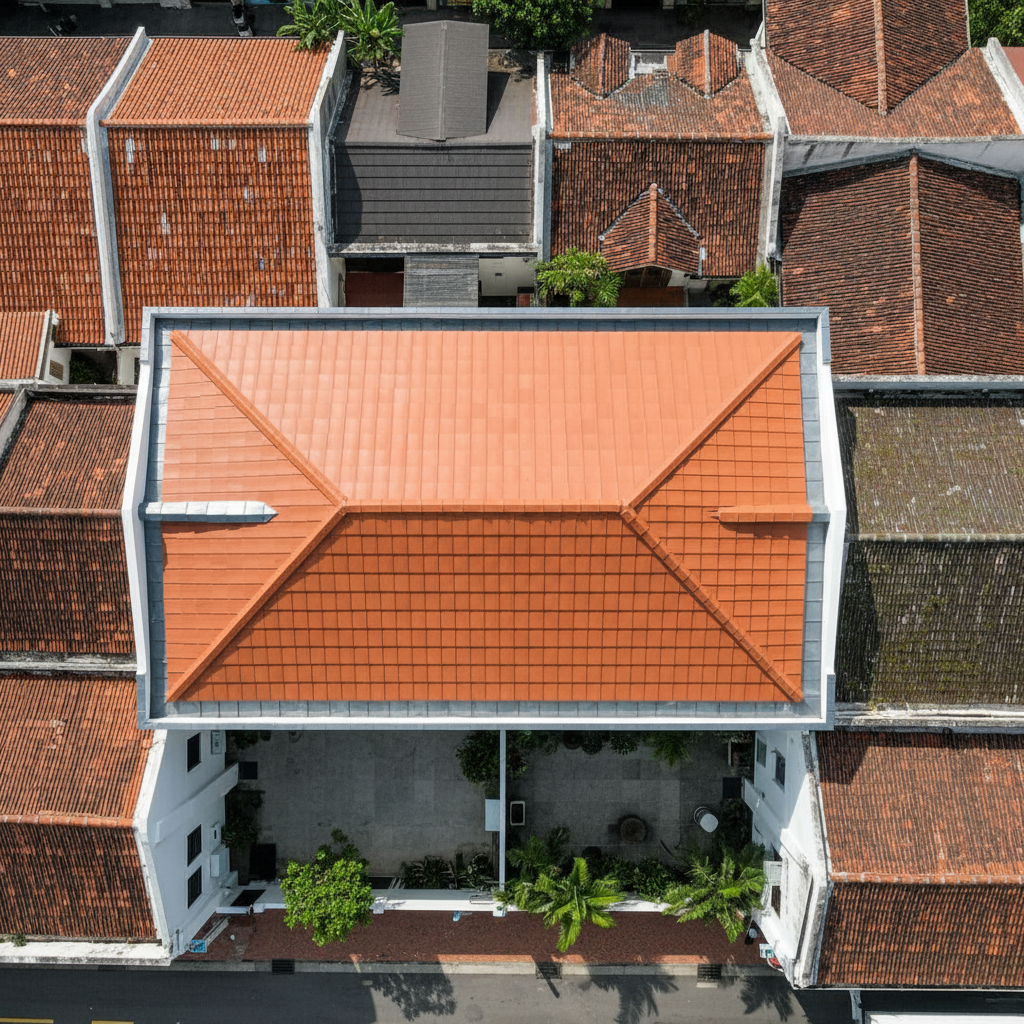
Enhanced Property Value: A well-maintained and aesthetically pleasing roof can significantly increase your property's market value and curb appeal. When potential buyers see a new, durable roof, they perceive fewer immediate maintenance concerns, making the property more attractive. According to a 2023 property market analysis in Singapore, properties with recent, high-quality renovations, including roofing, often command a 5-10% higher resale value.
Improved Energy Efficiency: Modern roofing materials and proper insulation can drastically improve your property's thermal performance. In Singapore's hot climate, a reflective or well-insulated roof can reduce heat absorption, lowering the demand on air conditioning systems. This translates to noticeable savings on utility bills, improving the property's long-term operating costs.
Superior Protection: The primary function of a roof is protection. A new roof offers superior defense against Singapore's heavy rainfall, strong winds, and intense UV radiation, preventing leaks, structural damage, and mold growth. This proactive approach avoids more costly repairs down the line. A study by the BCA in 2022 highlighted that preventive maintenance, including timely roof replacement, could reduce emergency repair costs by up up to 30%.
Extended Lifespan: Investing in high-quality roofing materials cost Singapore and professional installation ensures a longer lifespan for your roof. This reduces the frequency of replacements, saving money and hassle over decades.
Better Aesthetic Appeal: A new roof can transform the look of your property. With a wide range of materials, colors, and styles available, you can enhance its architectural character and overall visual appeal.
Why Choose Amber Services for Roof Replacement
Choosing the right roofing contractor Singapore is paramount to ensuring a successful and valuable roof replacement project. Amber Services Pte Ltd stands out as a leading provider with a proven track record, offering reliability, expertise, and customer focus.
Amber Services brings over 30 years of experience in the Singaporean roofing and building industry. This extensive experience means we deeply understand the unique challenges posed by Singapore's climate, building regulations, and architectural styles. Our longevity in the market is a testament to our commitment to quality and client satisfaction.
We specialize in a comprehensive range of roofing solutions, from residential roof replacement to large-scale commercial roof replacement quotes and industrial projects. Our expertise covers various roofing materials, including concrete tiles, clay tiles, metal roofing, and more, ensuring we can cater to diverse needs and preferences. Our team comprises highly skilled and certified professionals who adhere to the strictest safety standards and employ best practices in every installation.
At Amber Services, we believe in transparency and integrity. When providing a Singapore roof replacement price, we offer detailed, itemized quotes with no hidden fees, explaining every aspect of the project. We use only high-quality, durable materials sourced from reputable suppliers to guarantee the longevity and performance of your new roof. Our commitment extends beyond installation, offering robust warranties and dedicated after-sales support. Clients consistently praise our professionalism, timely project completion, and ability to handle complex roofing challenges efficiently.
Frequently Asked Questions
What is the average roof replacement cost in Singapore for a residential property?
The average roof replacement cost in Singapore for a residential property typically ranges from SGD $10,000 to SGD $40,000, but can vary significantly. Factors like the roof's size, pitch, material choice (e.g., concrete tiles vs. metal), and overall complexity greatly influence the final price.
How long does a typical roof replacement project take in Singapore?
A typical roof replacement project in Singapore can take anywhere from 1 to 3 weeks, depending on the size and complexity of the roof, the type of material chosen, and weather conditions. Larger commercial projects naturally require more time.
Can I replace my roof partially, or does it have to be a full replacement?
While minor repairs to damaged sections are possible, a full roof replacement is generally recommended if more than 20-30% of your roof is compromised or if it's nearing the end of its projected lifespan. Partial replacement might lead to mismatched aesthetics and uneven aging of materials.
Are there warranties provided for roof replacement in Singapore?
Most reputable roofing contractors in Singapore provide warranties. These typically include a manufacturer's warranty for the roofing materials (e.g., 25 years for tiles, 40-70 years for metal) and a separate workmanship warranty from the contractor, usually ranging from 5 to 10 years.
What are the signs that indicate I need a roof replacement, not just a repair?
Key signs indicating a need for roof replacement include widespread missing or cracked tiles, shingles curling or buckling, persistent leaks despite repairs, visible sagging in the roof structure, or if your roof is simply older than 20-25 years, especially in Singapore's humid climate.
Do I need a permit for roof replacement in Singapore?
Yes, for significant roof replacement work that alters the roof structure or involves extensive changes, you will likely need to obtain permits from relevant Singaporean authorities like the Building and Construction Authority (BCA). Your chosen contractor should assist with this process.
Conclusion
Understanding the variables that influence roof replacement costs in Singapore empowers property owners to make informed decisions. From selecting the right materials and budgeting for labor and additional expenses to securing appropriate financing, every step contributes to a successful project. Investing in a quality roof replacement is not merely an expense but a crucial investment in your property's longevity, safety, energy efficiency, and overall value. A well-executed roof replacement by an experienced roofing contractor Singapore ensures lasting protection and peace of mind for years to come.


Comments